- Layering for Thermoregulation: Use a three-layer system (moisture-wicking, insulating, and weather-resistant) to manage temperature fluctuations between heated ship interiors and freezing outdoor decks.
- Prioritizing Stability: Choose footwear with high-traction, non-slip rubber outsoles to navigate potentially wet or icy decks safely.
- Strategic Health Packing: Pack twice the amount of essential daily medications in your carry-on, accompanied by a digital or printed list of dosages and generic drug names to ensure continuity of care regardless of location.
For many travelers aged 60 to 80, a cold-weather cruise—whether to the Arctic, Antarctica, or the fjords of Norway—offers a unique, breathtaking perspective of the world. However, the success of such a journey depends heavily on packing strategies that prioritize mobility, stamina, and temperature regulation. Unlike tropical cruises, cold-weather itineraries demand a higher level of preparation to ensure safety on slippery decks and comfort in extreme environments.
1. The Science of Layering: Managing Temperature Fluctuations
The greatest challenge in cold-weather travel is the constant transition between the climate-controlled environment of the ship and the harsh, freezing air of the outer decks. If you dress for the outdoors while inside, you will quickly overheat; if you dress for the indoors while outside, you risk hypothermia or cold-stress. The solution is the “Three-Layer System.”
The Base Layer: Moisture Management
Your base layer should be made of moisture-wicking synthetic fabrics or Merino wool. Avoid cotton at all costs. Cotton retains moisture, which, when chilled by the wind, can rapidly lower your core body temperature. Merino wool is often the preferred choice for seniors because it is naturally odor-resistant, soft against sensitive skin, and provides excellent thermal regulation.
The Mid Layer: Insulation
The mid layer is your primary source of warmth. A lightweight fleece or a down-alternative vest works well. For seniors, we recommend choosing mid-layers with full-length zippers. This allows for quick “venting” if you feel yourself getting too warm while walking around the ship or participating in an excursion, preventing the exertion associated with pulling heavy sweaters over your head.
The Outer Layer: Weather Protection
Your outer shell must be windproof and water-resistant. In cold-weather cruising, wind chill is the primary enemy. A jacket with a high collar and an adjustable hood is essential. When selecting a coat, ensure it has large, easy-to-grab zipper pulls—this is a small but critical detail for those who may have mild arthritis or reduced dexterity in their hands.
2. Footwear: The Foundation of Cruise Safety
On a ship, stability is paramount. Decks can become slick due to sea spray, condensation, or ice. The common mistake is bringing “fashion” winter boots that lack proper traction. Your footwear should be specifically designed for stability and support.
Criteria for Selecting Cruise Footwear
- Outsole Material: Look for deep-lug rubber soles. Avoid hard plastic or smooth leather soles entirely.
- Ankle Support: If you have a history of balance issues, choose boots that provide firm ankle support to prevent rolls on uneven surfaces or gangways.
- Ease of Entry: Look for side-zippers or wide-opening designs. Avoid complex lacing systems that require you to bend over for long periods, which can cause dizziness or strain.
- Waterproofing: Ensure the material is fully waterproof, not just “water-resistant.” Wet feet lead to rapid heat loss and discomfort.
Practical Tip: Before your trip, test your chosen footwear on a variety of surfaces, including tile, carpet, and pavement. If you feel even a slight “slip” on tile, they are not suitable for a ship’s deck.

3. Managing Health and Medication at Sea
Cruising involves being away from your primary healthcare provider. Preparation is not just about packing supplies; it is about maintaining a medical safety net. When traveling in cold climates, your body may be under more stress than usual, which can sometimes exacerbate pre-existing conditions like hypertension or arthritis.
The “Double-Supply” Rule
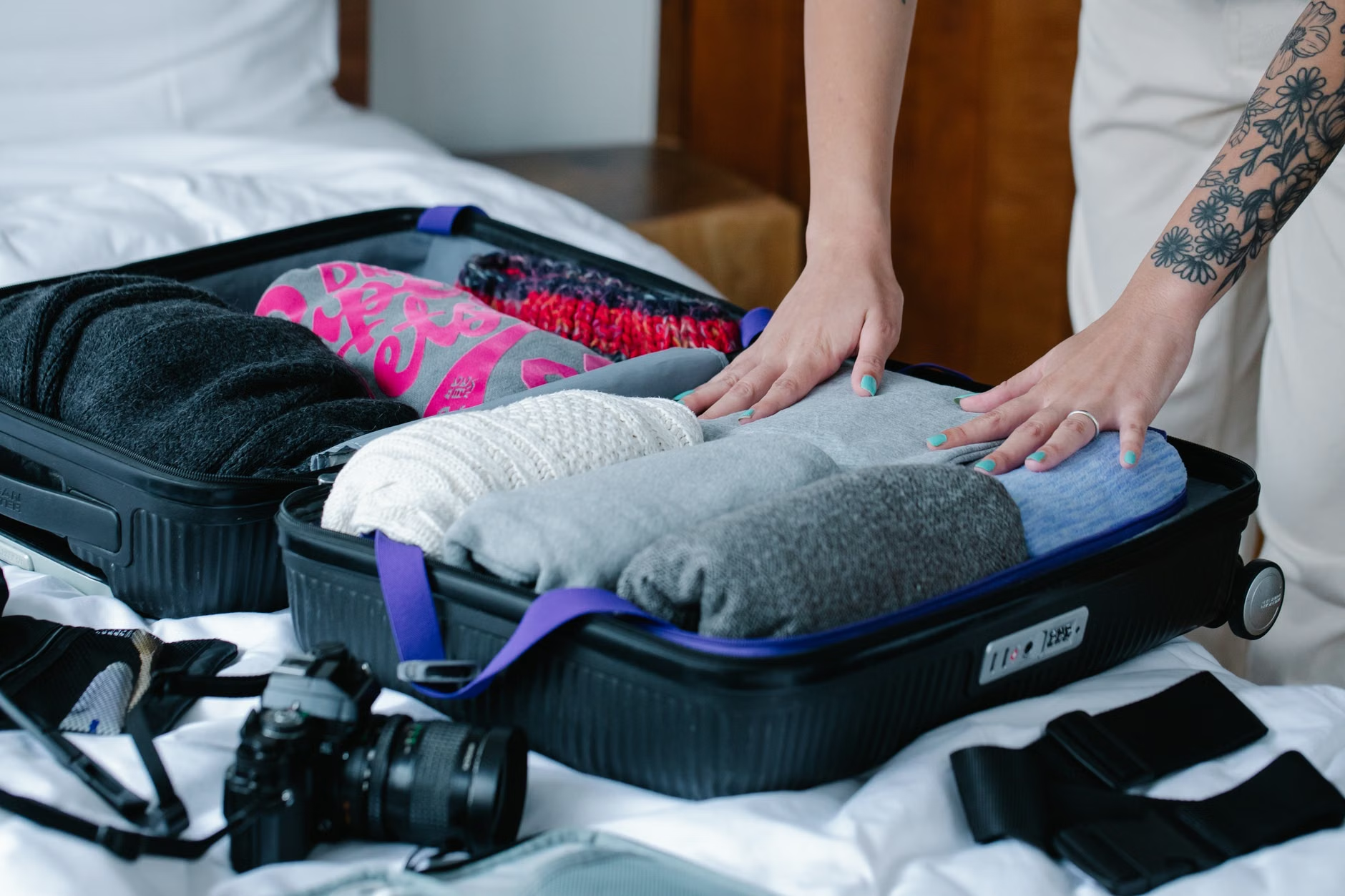
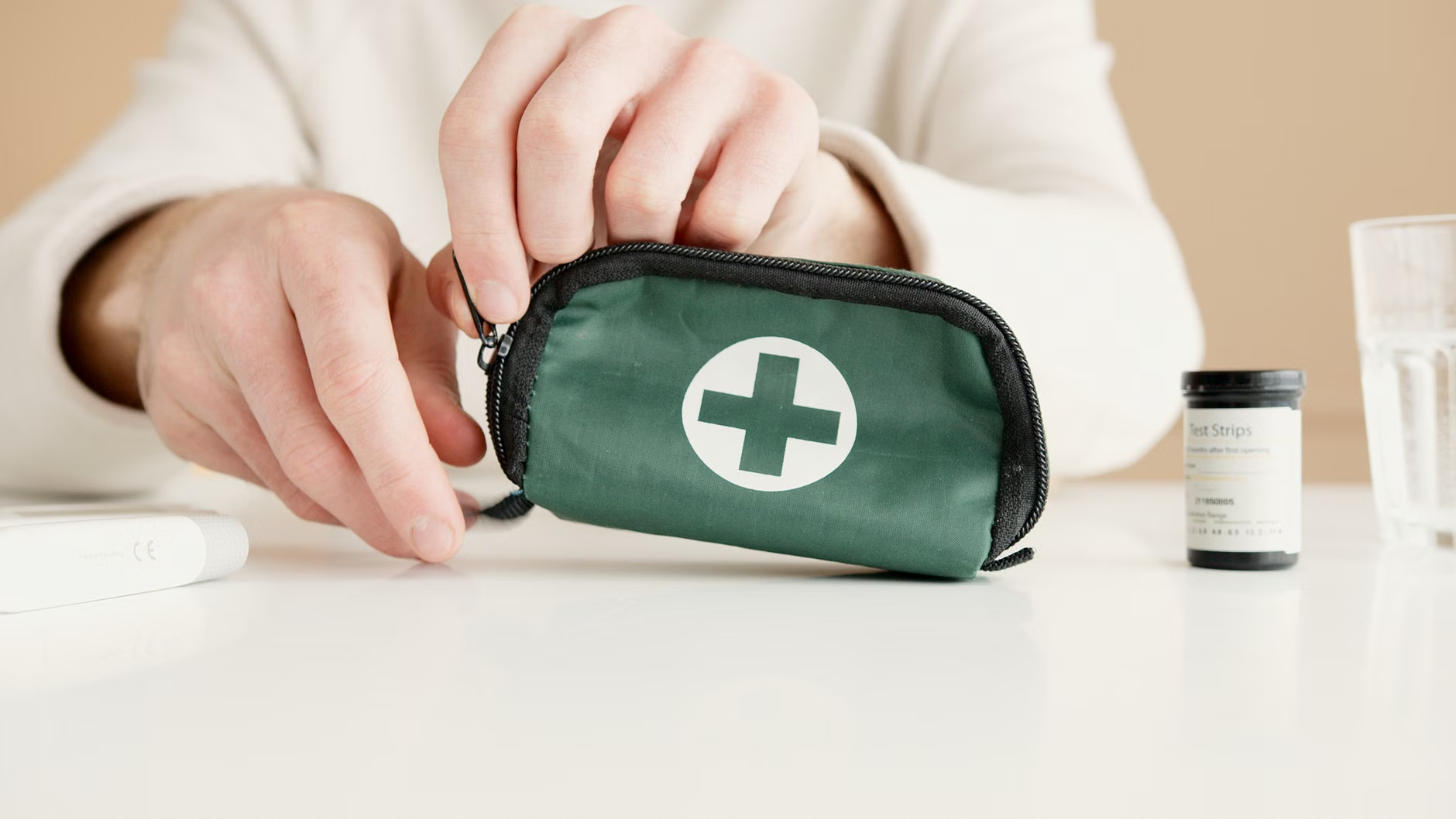
Always pack your essential daily medications in your carry-on luggage, never in checked baggage. Furthermore, pack a “double supply.” Keep one set in your day bag and one in your cabin safe. If your luggage is delayed or you encounter an unexpected itinerary change, you will not be without your life-saving medication.
Medical Documentation Checklist
Before leaving home, compile a document that includes:
| Document Category | What to Include |
|---|---|
| Medication List | Generic names, dosages, and frequency of all current prescriptions. |
| Health Summary | A brief list of allergies and chronic conditions (e.g., asthma, diabetes). |
| Contact Information | Primary care physician’s office number and emergency contact details. |
This information should be stored both digitally (on a secure cloud service) and in a physical, laminated card in your wallet. If you need to visit the ship’s medical center, having this information immediately available saves precious time and ensures the medical staff can provide accurate care.
4. Managing Stamina and Energy Levels
Cold-weather cruising often involves more “passive” activity—sitting and watching the scenery—interspersed with “active” excursions. The cold air itself consumes more energy as your body works to maintain its core temperature. Seniors should be mindful of their “energy budget” to avoid fatigue.
The 2:1 Recovery Rule
For every two hours of active exploration (such as a walking tour or an excursion to a glacier), schedule at least one hour of “low-energy” time. This could mean returning to the ship for a warm drink, taking a nap, or simply sitting in a sheltered observation lounge. Do not feel pressured to participate in every excursion offered by the cruise line; the best way to enjoy a cold-weather cruise is to remain energized enough to appreciate the sights, rather than exhausted by them.
Hydration and Skin Care
One of the most overlooked aspects of cold-weather travel is dehydration. Because you don’t feel “thirsty” in the cold as you do in the heat, many seniors forget to drink enough water. Dehydration can lead to dizziness and increased sensitivity to cold. Similarly, the dry, frigid air can cause skin cracking. Pack a high-quality, non-greasy moisturizer and use it daily on your hands and face. Cracked, painful skin can become a distraction that limits your ability to enjoy your trip.
Modern cruise ships are generally very accessible, but “cold-weather” ships—which are often smaller and more rugged—may have different layouts. If you use a mobility aid, such as a cane or walker, ensure it is “travel-ready.”
- Check the Specs: Contact the cruise line’s accessibility department to confirm the width of your cabin door and the bathroom layout if you require a mobility aid.
- The “Cold-Weather” Cane: If you use a cane, consider a rubber-tipped base that offers better traction. Some models come with an “ice spike” attachment, though these should only be used on land, never on the ship’s decks, as they will scratch the finish.
- Elevator Proximity: When booking your cabin, prioritize proximity to the elevators. While this is standard advice, it is doubly important in cold-weather travel where you may be wearing heavy, cumbersome clothing that makes walking long distances more tiring.
Conclusion: Focus on Comfort to Enhance the Experience
A cold-weather cruise is a magnificent experience, but it is one that rewards the prepared traveler. By focusing on a systematic approach to layering, prioritizing stable footwear, and managing your energy and health with a structured plan, you can shift your focus from the logistics of “surviving the cold” to the beauty of the landscape around you. Remember that your comfort is not a luxury—it is a prerequisite for a safe and enjoyable journey. Take the time to practice your packing routine, test your gear, and ensure your health documentation is in order. With these foundations in place, you are ready to embrace the wonders of the world’s most breathtaking, icy destinations.
Frequently Asked Questions (FAQ)
1. Is it necessary to bring a heavy parka, or can I just layer lighter jackets?
Layering is generally superior to one heavy parka. A heavy parka can be difficult to manage when moving between the ship’s interior and the deck. By using a base, mid, and windproof outer layer, you have the flexibility to remove or add pieces based on your current comfort level, which is much more practical for the changing environments on a cruise.
2. What should I do if my mobility aid is damaged or lost during the cruise?
Most cruise lines have a limited supply of standard wheelchairs or walkers for emergency use, but they are not guaranteed. Always travel with a repair kit for your aid (such as a spare rubber tip for a cane or a small multi-tool for tightening bolts). If your aid is essential for your mobility, contact the ship’s guest services desk immediately upon boarding to inform them of your needs, and carry your travel insurance documents that cover medical equipment replacement.
3. How do I protect my electronic devices from the cold?
Cold weather significantly reduces battery life for smartphones and cameras. Keep your devices in an inside pocket of your jacket, close to your body heat, rather than in an outer pocket. If you are taking photos on deck, bring a portable power bank and keep it warm as well. When returning to the cabin, let your electronics “acclimate” to the room temperature for 15–20 minutes before turning them on to prevent condensation from forming inside the device.
Sources and Further Reading: