- Ownership and Consent: By 2026, many jurisdictions are shifting toward “patient-centric” data models where you have the legal right to dictate exactly who accesses your electronic health records.
- Proactive Auditing: You are no longer just a passive patient; the new regulatory environment requires you to periodically check “Access Logs” to see which providers or third-party apps have viewed your data.
- Digital Hygiene: The transition to 2026 standards emphasizes that your health data is a personal asset; treat your patient portal logins with the same security rigor as your online banking credentials.
As we head into 2026, the landscape of digital health privacy is undergoing a fundamental transformation. For adults aged 60 to 80, this shift is not merely a technical update; it is a change in the legal and practical framework that governs how your medical history, prescriptions, and diagnostic reports are shared, stored, and protected. Understanding these changes is essential for maintaining control over your health information in an era of increasing connectivity between hospitals, pharmacies, and digital health applications.
The 2026 Regulatory Shift: What is Changing?
Historically, health data privacy laws focused largely on preventing unauthorized leaks. However, the 2026 standards, particularly those evolving under frameworks like the EU’s European Health Data Space (EHDS) and updated HIPAA-related guidance in the United States, are shifting focus toward interoperability with security. The goal is to allow your data to move seamlessly between your primary care physician, a specialist in another city, and your pharmacy, while giving you, the patient, a “kill switch” for specific data segments.
What this means in real life is that you will encounter more granular consent forms. Instead of signing a blanket authorization for your records to be shared, you will increasingly be asked to opt-in or opt-out of specific data-sharing categories—such as research, marketing, or secondary care coordination. This transition is designed to prevent “data creep,” where information meant for a specific treatment plan is inadvertently sold or used for non-clinical purposes.
Why This Matters for Your Daily Wellbeing
For many older adults, the primary concern is not just security, but accuracy. When records are shared automatically, a typo in a medication list or an outdated diagnosis can propagate across your entire digital health network. The 2026 regulations place a higher burden on healthcare providers to ensure that the data being shared is not only secure but also verified. You are now being empowered to act as the “data steward” for your own health.
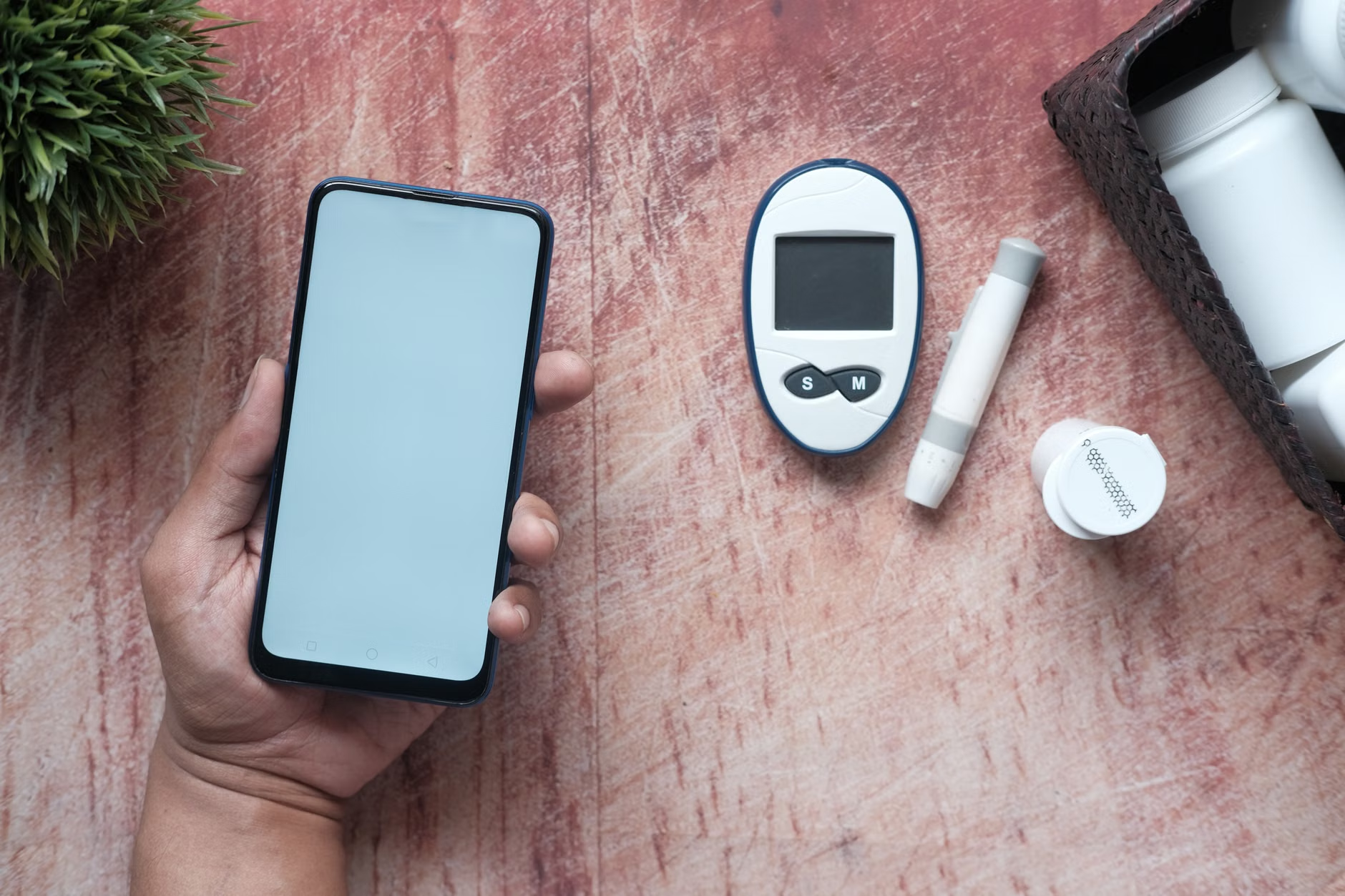
Understanding Your Rights: The “Data Stewardship” Model
The core principle of the 2026 shift is that your health data is an extension of your physical self. You have the right to know who has accessed it, for what purpose, and for how long. If you find this overwhelming, it is helpful to think of your medical record not as a static file sitting in a doctor’s cabinet, but as a dynamic, living document that you are now authorized to curate.
| Action Item | Your Right (2026 Standard) | Practical Step |
|---|---|---|
| Data Access | Right to view full digital audit trails of your records. | Request an “Access Log” from your primary hospital portal annually. |
| Data Portability | Right to move records to any provider without fees or delays. | Use standardized digital formats (like FHIR APIs) when switching doctors. |
| Consent Revocation | Right to withdraw consent for secondary data use. | Check your portal settings for “Data Sharing Preferences.” |
The comparison here is between the old “Passive Patient” model and the new “Active Steward” model. In the past, you relied entirely on the provider to safeguard your data. Today, you are encouraged to periodically review your privacy settings within patient portals. If you are not tech-savvy, this is where a trusted family member or caregiver can assist by reviewing these settings with you during your annual check-up.
Steps to Secure Your Digital Health Identity
Securing your health data does not require a degree in computer science. It requires consistent, small habits. By 2026, most healthcare systems will have moved to multi-factor authentication (MFA). If you are not using MFA, you are effectively leaving your digital medical front door unlocked.
Step-by-Step Security Protocol:
- Enable Multi-Factor Authentication (MFA): Even if it seems tedious, requiring a code sent to your phone or an authenticator app adds a critical layer of defense against identity theft.
- Audit Linked Apps: Many of us use fitness trackers or heart-rate monitors. These apps often ask to link to your health records. By 2026, you should be able to see a list of “Authorized Third-Party Applications” in your primary health portal. Remove any that you no longer use.
- Designate a Digital Proxy: If you are concerned about your ability to manage this in the future, speak with your healthcare provider about assigning a “Digital Proxy.” This allows a trusted family member or caregiver to manage your portal access legally.

Managing Data During Transitions of Care
One of the most frequent risks to health data privacy occurs during “Transitions of Care”—when you move from a hospital to a rehabilitation center, or from a general practitioner to a specialist. In these moments, data is often faxed, emailed, or manually uploaded, increasing the risk of exposure.
In 2026, expect a push toward “Patient-Mediated Data Exchange.” This means you may be asked to facilitate the transfer of your own records via a secure, encrypted digital token or portal. While this might feel like an extra chore, it is actually a security feature. It ensures that the receiving doctor only gets exactly what is necessary for your current treatment, rather than your entire life history.
Common Mistakes to Avoid
- Sharing Passwords: Never share your portal password with caregivers. Instead, use the “Proxy Access” feature provided by the health system. This keeps your account secure while granting them the necessary access.
- Using Public Wi-Fi: Avoid accessing your full medical records or health portals while connected to public Wi-Fi in cafes or airports. If you must, use a VPN (Virtual Private Network) to encrypt your connection.
- Ignoring Privacy Notices: While long, “Privacy Policy” updates in 2026 will be required to have a “Summary of Changes.” Read the summary to ensure your data isn’t being used for secondary research without your explicit, separate opt-in.
The Role of Caregivers in the 2026 Digital Era
For family members and caregivers, the 2026 shift offers a double-edged sword. On one hand, it provides better tools to coordinate care across different specialists. On the other, it introduces the responsibility of maintaining that data’s integrity. If you are a caregiver, your primary role is to ensure that the senior’s digital health footprint is as organized as their physical medication cabinet.
Consider creating a “Digital Health Binder.” This is a physical or digital document that contains:
- A list of all portal login URLs.
- Records of authorized third-party apps.
- A copy of any “Advance Directive” or “Digital Power of Attorney” that includes clauses for digital data management.
Having this ready before a medical emergency occurs is one of the most proactive steps you can take for your loved one’s long-term protection.

Hidden Inconveniences and Unexpected Trade-offs
It is important to acknowledge that more privacy often comes with more complexity. The “Privacy Paradox” suggests that while we all want our data to be private, we also want it to be instantly available when we are in an emergency room. As we move toward 2026, you will likely encounter situations where you have to decide between “Maximum Convenience” and “Maximum Privacy.”
For example, some advanced AI-driven diagnostic tools require access to your full historical data to provide accurate results. If you set your privacy settings to “Strict,” those tools may not work. You must decide—in consultation with your doctor—which data points you are comfortable sharing in exchange for more precise, technology-assisted healthcare. This is a personal decision, not a technical one, and it is perfectly valid to choose privacy over potential AI-driven insights if that is your preference.
Conclusion: Your Next Steps
The 2026 shift in digital health privacy is not something to fear, but something to manage. By taking ownership of your digital records today, you are protecting your future self from identity theft, medical errors, and unauthorized data usage. Start by logging into your patient portal this week. Look for the “Security” or “Privacy” tab. If you find yourself confused by the options, call your provider’s office and ask, “What are my options for managing who can see my records?”
Your health data is your most personal asset. Treat it with the same vigilance you would your financial savings, and you will navigate the digital future with confidence and security.
Frequently Asked Questions
1. If I opt out of data sharing, will it affect the quality of my care?
Generally, no. Opting out of “secondary” data sharing (such as for research or marketing) does not affect your direct clinical care. However, restricting your primary care team from seeing your records from other hospitals (interoperability) can lead to fragmented care. Always discuss with your doctor which data is essential for your safety before restricting access.
2. How do I know if my health data has been breached?
Under 2026 regulations, healthcare providers are legally required to notify you of any breach involving your personal health information within a specific timeframe (often 30 to 60 days, depending on your country). Ensure your contact information in your patient portal is always up to date so you receive these alerts promptly.
3. Can I delete my digital health records entirely?
In most jurisdictions, medical providers are legally required to keep your records for a specific number of years (often 7 to 10 years) for legal and clinical reasons. While you cannot “delete” your history, you can often “archive” or “restrict” access to older, non-essential data in your portal to minimize your digital footprint.
Official guidance on health data privacy can be found through your national health authority. For instance, in the United States, visit HHS.gov HIPAA resources, and for those in the European Union, consult the European Health Data Space official portal.