- The 2026 global standards focus on “universal luminance contrast” and “consistent tactile profiles” to ensure that visually impaired and elderly travelers can navigate hubs with greater confidence.
- These updates prioritize standardized placement of warning surfaces at platform edges and stairs, reducing the risk of accidental trips or falls in busy transit environments.
- For travelers, recognizing these patterns is a vital skill for independent mobility; you can use tactile cues to locate gates, elevator buttons, and platform boundaries without needing constant assistance.
As international transit hubs evolve, the integration of standardized tactile paving is becoming a cornerstone of inclusive design. By 2026, many major global transit networks will have completed the transition to updated ISO (International Organization for Standardization) guidelines, which aim to harmonize how tactile ground surface indicators (TGSIs) are deployed. Understanding these standards is not just for infrastructure planners; it is a practical tool for your own safety and independence when traveling.
What Are Tactile Paving Standards and Why Do They Change?
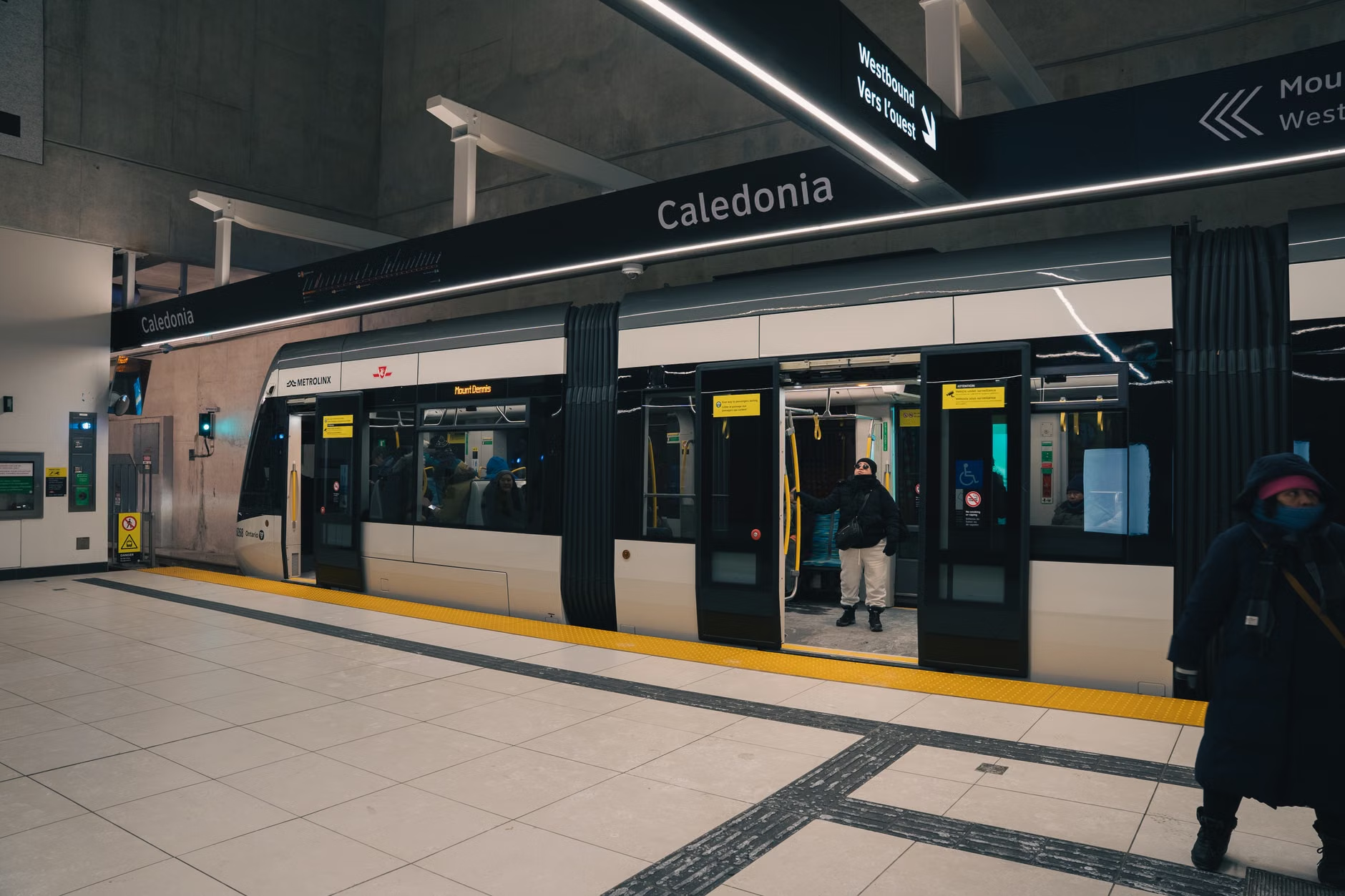
Tactile paving, or TGSIs, are those textured patterns you often feel under your feet—or see as bright, raised bumps—on station platforms and staircases. Their purpose is simple: to provide non-visual information about the environment. The 2026 updates are not merely aesthetic; they are the result of years of research into how age-related changes in vision and balance affect a person’s ability to navigate complex, high-traffic environments.
Why do these standards matter to you? As we age, our depth perception and contrast sensitivity naturally decline. Even if you do not consider yourself visually impaired, you may find that in a crowded, dimly lit, or high-stress transit hub, your brain struggles to process the depth of a step or the boundary of a platform. Standardized tactile surfaces act as a “safety net” for your feet, providing a secondary sensory input that confirms where it is safe to walk and where you need to be cautious.

The Shift Toward Global Consistency
Previously, a traveler might encounter different shapes, sizes, and colors of tactile paving depending on the city or country they visited. This lack of uniformity can be disorienting. The 2026 initiative pushes for:
- Luminance Contrast: A requirement that the paving color contrasts significantly with the surrounding floor (usually high-visibility yellow or white) to assist those with low vision.
- Consistency of Texture: Differentiating between “warning” patterns (truncated domes for stopping) and “directional” patterns (long strips for guidance).
- Placement Accuracy: Ensuring that the distance between the tactile surface and a hazard, such as a train platform edge, is uniform to allow for a predictable reaction time.
Decoding the Patterns: A Practical Field Guide
When you are moving through a station, you don’t need to be an engineer to understand what the floor is telling you. The 2026 standards reinforce two main types of tactile surfaces that you will encounter most frequently.
| Pattern Type | What It Means | Recommended Action |
|---|---|---|
| Truncated Domes (Bumps) | Hazard Ahead (Platform edge, street crossing, or top of stairs). | Stop and assess your surroundings before proceeding. |
| Directional Strips (Bars) | Safe path of travel or guidance toward a facility. | Follow the direction of the bars to reach exits, gates, or desks. |
Practical Decision Rule: If you feel the “bumps” under your feet, pause. Do not assume the path continues straight. Use this moment to look for signage or ask a staff member for assistance if the environment feels overwhelming. The “bars,” conversely, are your guide. If you are lost in a large terminal, look for these strips, as they are often designed to lead you away from hazards and toward the main artery of the station.

Mobility Strategies for Older Travelers in Hubs
Navigating a large transit hub—whether it is a London Tube station, a Tokyo subway, or a regional airport—requires more than just knowing the signs. It requires a strategy for managing your stamina and safety. The 2026 standards aim to make this easier, but your personal approach is equally important.
1. The “Pace and Pause” Technique
Transit hubs are designed for efficiency, which often means fast-moving crowds. If you have any concerns about your balance or walking speed, do not feel pressured to match the pace of commuters. Use the tactile paths to navigate toward the sides of the corridor where traffic is slower. If you feel tired, the tactile zones near walls or pillars often lead to seating areas.
2. Anticipating Transitions
Most trips and falls in transit hubs occur during transitions—moving from a flat floor to an escalator, or from a platform to a train carriage. The new 2026 standards mandate that tactile warning surfaces be placed at the top and bottom of all stairs and escalators. Common Mistake: Many travelers scan the signs above their heads for gate numbers and forget to look at the ground. Make it a habit to check the floor surface as you approach a change in elevation; if you see the tactile warning, you know a change in level is imminent.
3. Managing Luggage and Stability
If you are traveling with rolling luggage, the tactile bumps can sometimes cause your suitcase to wobble. This is a common, overlooked annoyance. When you reach a tactile zone, slow your pace and grip your luggage handle firmly. If you are using a cane or walking aid, the texture of the tactile paving can provide a stable grip, but be mindful of the “grooves” between the domes, which can occasionally catch a cane tip.
Health and Safety: Beyond the Infrastructure
While infrastructure is improving, your personal preparation is the most effective way to ensure a safe journey. Infrastructure cannot account for every personal health factor, such as joint pain, medication side effects, or fluctuating energy levels.
Preparation Checklist for Your Next Trip:
- Review the Station Map: Many transit authorities provide accessibility maps online. Look for the “Step-Free Access” routes.
- Symptom Awareness: If you are experiencing dizziness or lightheadedness, avoid using escalators regardless of the tactile warnings. Seek out the designated elevator paths.
- Medication Timing: Travel can be exhausting. Ensure you take your medications at the appropriate times and carry a copy of your current list in your wallet, just in case you need to communicate with station staff.
- Ask for Assistance: Almost every major international transport hub has a “Passenger Assistance” service. Booking this in advance is not a sign of frailty; it is a smart strategy to save your stamina for your actual destination.
Understanding the Limitations of Tactile Standards
It is important to understand that tactile paving is a guide, not a solution for all mobility challenges. Even by 2026, some older stations may not be fully retrofitted. You should never rely solely on the ground indicators if you are unsure of your path.
A Note on Maintenance: In high-traffic areas, tactile tiles can become worn, loose, or covered in debris. If you encounter a tactile surface that appears damaged or blocked, treat it as a potential hazard. Do not assume the path is clear just because it is marked. Trust your visual assessment of the area before placing full weight on a surface that looks poorly maintained.
Furthermore, weather can significantly change the effectiveness of these indicators. In regions with heavy snow or rain, outdoor tactile surfaces may become slippery or covered in ice. In these conditions, rely on handrails and, if available, assistance from station personnel rather than trusting the tactile surface alone.
The Future of Accessible Travel
The movement toward 2026 global standards is a positive step toward creating environments that respect the needs of all travelers. As these standards become more common, you will find that your ability to navigate independently increases. However, the most successful travelers are those who combine the use of these new infrastructure features with a proactive, cautious approach to their own physical limits.
By staying aware of the tactile cues in your environment, planning your routes to minimize unnecessary physical strain, and utilizing the support services offered by transit authorities, you can continue to travel with confidence and independence. The world is becoming more accessible, but your awareness remains your greatest asset.
Frequently Asked Questions (FAQ)
1. Are these 2026 standards mandatory for every country?
While the ISO standards provide a global benchmark, their implementation depends on local transport laws. In many regions, such as the EU and North America, these standards are being integrated into national building codes. However, local authorities may prioritize certain high-traffic hubs over smaller, regional ones. Always check the specific accessibility information for the country you are visiting.
2. What should I do if I find the tactile paving confusing or slippery?
If you find the surface difficult to navigate, prioritize your balance. Shift your weight to the smoother, non-tactile surfaces nearby if the area allows for safe passage. If the tactile surface is clearly slippery due to moisture or wear, inform station staff. Most major hubs have a feedback system where passengers can report maintenance issues.
3. Does the color of the tactile paving always indicate the same thing?
Generally, yes. High-contrast colors like bright yellow or white are used to indicate hazards or paths. However, the specific shade may vary by country. The consistency lies in the texture (the bumps and the bars), which is the most reliable indicator regardless of the color. When in doubt, follow the texture pattern rather than the color alone.
Sources:
ISO 23599:2019 – Assistive products for blind and vision-impaired persons
ADA Standards for Accessible Design (US Department of Justice)
Inclusive Mobility: A guide to best practice on access to pedestrian and transport infrastructure (UK Department for Transport)