Starting in 2026, many major cities worldwide are implementing updated urban design standards that prioritize “micro-climatic comfort” and “accessible ergonomics” for public infrastructure. For older adults, these changes mean that the streets, parks, and transit hubs you navigate daily are becoming safer and more comfortable. This guide breaks down what these changes look like, why they matter for your stamina and mobility, and how you can identify and advocate for these improvements in your own community.
- Standardized Ergonomics: New 2026 guidelines mandate armrests and back support on all public seating to ensure independent rising and sitting for those with joint or mobility concerns.
- Heat Mitigation: Urban centers are required to provide “shade intervals”—continuous shaded paths or rest stops every 200 meters—to combat heat exhaustion in vulnerable populations.
- Advocacy Tools: Residents can now use standardized “accessibility audits” to report non-compliant seating or lack of shade to local municipal departments.
Understanding the 2026 Shift in Urban Design
For decades, urban planning often treated seating and shade as secondary “amenities.” If a bench was placed, it was often aesthetic rather than functional. If shade existed, it was incidental. However, as global populations age, city planners are shifting toward “age-inclusive infrastructure.”
The 2026 standards represent a move from “general public space” to “functional public space.” This means planners are now using data on walking speeds, heart rate recovery times, and joint mobility to determine where a bench should be placed and how much shade is necessary to prevent heat-related stress.
Why Seating Ergonomics Matter
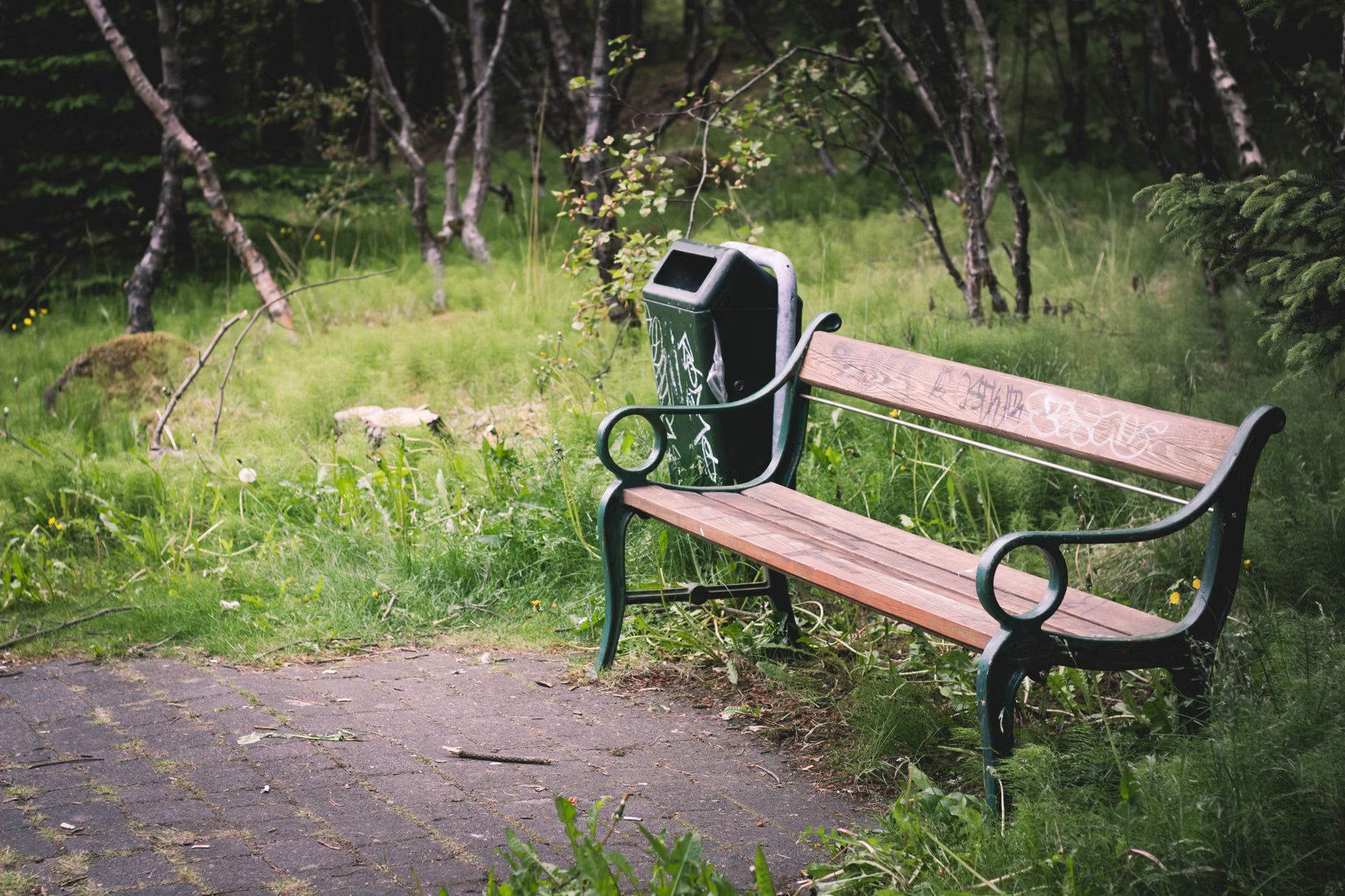
You have likely encountered benches that are too low, lack armrests, or are made of materials that become dangerously hot. The 2026 standards address these specific failures:
- Armrests: Essential for leverage when sitting down or standing up. Without them, individuals with arthritis or reduced muscle strength in the lower limbs face significant difficulty.
- Seat Height: The new standard generally requires a height of 45–50 centimeters (approx. 18–20 inches). This minimizes the strain on the knees and hips.
- Back Support: Essential for spinal alignment and comfort during longer rest periods.
The “Shade Interval” Framework
Heat stress is a leading health risk for adults aged 60 and older. The body’s ability to regulate temperature changes with age, and medications for blood pressure or heart conditions can sometimes interfere with natural cooling mechanisms like perspiration.
The 2026 guidelines introduce the concept of “Shade Intervals.” In high-traffic pedestrian zones, planners are now required to ensure that a person walking at a moderate pace (approx. 0.8 to 1.0 meters per second) is never more than 3 to 5 minutes away from a shaded rest area. This is not just about trees; it includes tensile structures, awnings, and building overhangs that create a continuous “cool corridor.”
What to Look for in Your Neighborhood
To determine if your local area is adopting these standards, look for the following indicators:
| Feature | Old Standard (Pre-2026) | New Standard (2026) |
|---|---|---|
| Bench Design | Flat, armless, metal or stone | Contoured, with armrests, wood or composite |
| Shade Strategy | Randomly placed trees | Strategic shade intervals (max 200m) |
| Placement | Visual focal points | Near transit, intersections, and hills |
If you find that your local park or main street still relies on the “Old Standard,” you are not just experiencing an inconvenience—you are experiencing a missed opportunity for safety. In many jurisdictions, these new standards are tied to municipal health and safety grants, meaning cities are often eager to receive feedback on where these features are most needed.
While cities update their infrastructure, you can take personal steps to ensure your comfort and safety when traveling or running errands.
1. Pre-Trip Planning for Mobility
Do not assume that all routes are equally accessible. Use digital mapping tools that allow for “terrain view.” If you are planning a longer walk, look for routes that pass through institutional areas (hospitals, university campuses, or government buildings) which are often the first to be retrofitted with the 2026 seating and shade standards.
2. The “Rest-First” Strategy
If you are walking in an unfamiliar area, identify your “rest points” before you start. If you are using a walking aid, ensure that the path you choose is wide enough to accommodate it and that the seating areas are not obstructed by landscaping or trash bins. If you notice an area that is consistently hot and lacks seating, consider contacting your local council’s “Public Works” or “Urban Planning” department.

3. Preparing for Medical Consultations on Mobility
If you find that your stamina is decreasing, keep a simple log of your walks. Note where you felt the need to sit, how long you rested, and if the environment (heat, lack of seating, incline) contributed to your fatigue. This information is invaluable when speaking with your doctor about physical activity, as it helps distinguish between general aging-related fatigue and potential issues that require medical attention, such as cardiovascular or orthopedic concerns.
Addressing Common Misconceptions
A common mistake is assuming that “more seating” is always better. In some urban designs, benches are placed in high-pollution areas or near intersections where exhaust fumes are concentrated. The 2026 standards emphasize “placement quality.” A bench located 50 meters away from a busy road, under a tree, is significantly better than one placed directly on a sidewalk corner. When you are out, prioritize these “buffer zone” benches for your rest stops.
The Role of Family and Caregivers
For family members assisting older adults, these 2026 updates provide a tangible way to support independence. When evaluating a neighborhood for a loved one, don’t just look for “flat ground.” Look for the “Shade Interval” consistency. If you are taking a loved one for a walk, use the new city standards as a checklist. If you find a gap in the shade or a lack of proper seating, documenting this with a photo and a brief email to the local council can often lead to rapid improvements, as cities are currently auditing their own compliance with these new international guidelines.
Conclusion: Your Right to an Accessible City
The 2026 urban standards are not merely about comfort; they are about maintaining your ability to engage with your community independently. By understanding what these standards are—ergonomic seating, shade intervals, and strategic placement—you can better navigate your environment and advocate for the changes that make your daily life easier. Your ability to walk, rest, and move through the city is a vital component of healthy aging, and you have every right to expect public spaces that support that goal.
Frequently Asked Questions
1. How can I find out if my city has adopted the 2026 standards?
Most cities publish their “Public Realm Strategy” or “Accessibility Master Plan” on their official government website. Search for these terms along with “2026” or “Age-Friendly” on your local municipal portal. These documents will outline the specific implementation zones and timelines for your region.
2. What if I encounter a public bench that is broken or unusable?
Most modern cities have a “311” service or a mobile app for reporting non-emergency municipal issues. Reporting a broken or poorly placed bench is a valid service request. Include the specific location and a description of the issue (e.g., “missing armrest,” “unstable base”) to help maintenance crews prioritize the repair.
3. Are these standards mandatory for private businesses?
Generally, these standards apply to public land (parks, sidewalks, plazas). However, many cities now offer “incentive programs” for private businesses to provide public-facing seating and shade. If you notice a private area that is particularly welcoming, it is likely part of these municipal partnerships, and you should feel comfortable utilizing those spaces as you would public ones.
For further reading on international standards for age-friendly environments, you may consult the World Health Organization’s Global Network for Age-friendly Cities and Communities.