- Cognitive Health: The repetitive motion of knitting acts as a form of “active meditation,” which has been shown to lower cortisol levels and improve focus in older adults.
- Social Integration: Joining a local knitting circle provides a structured environment that reduces isolation, offering consistent social interaction without the pressure of forced conversation.
- Practical Accessibility: Knitting is a low-cost, low-impact hobby that can be adapted for those with arthritis or limited mobility through the use of ergonomic tools.
The Intersection of Craft and Community
For many adults entering their sixties and beyond, the search for meaningful engagement often leads to a blend of creative pursuit and social connection. Knitting circles, frequently dismissed as simple social clubs, are actually sophisticated hubs of mental stimulation and emotional support. When we examine the social power of these groups, we are looking at a proven method for maintaining cognitive flexibility, emotional resilience, and community belonging.
This article explores how local knitting circles function as a form of preventative wellness, why they serve as a unique antidote to the social isolation that can sometimes accompany retirement, and how you can find or establish a group that suits your personal needs and physical comfort.
Understanding the Physiological Benefits of Knitting
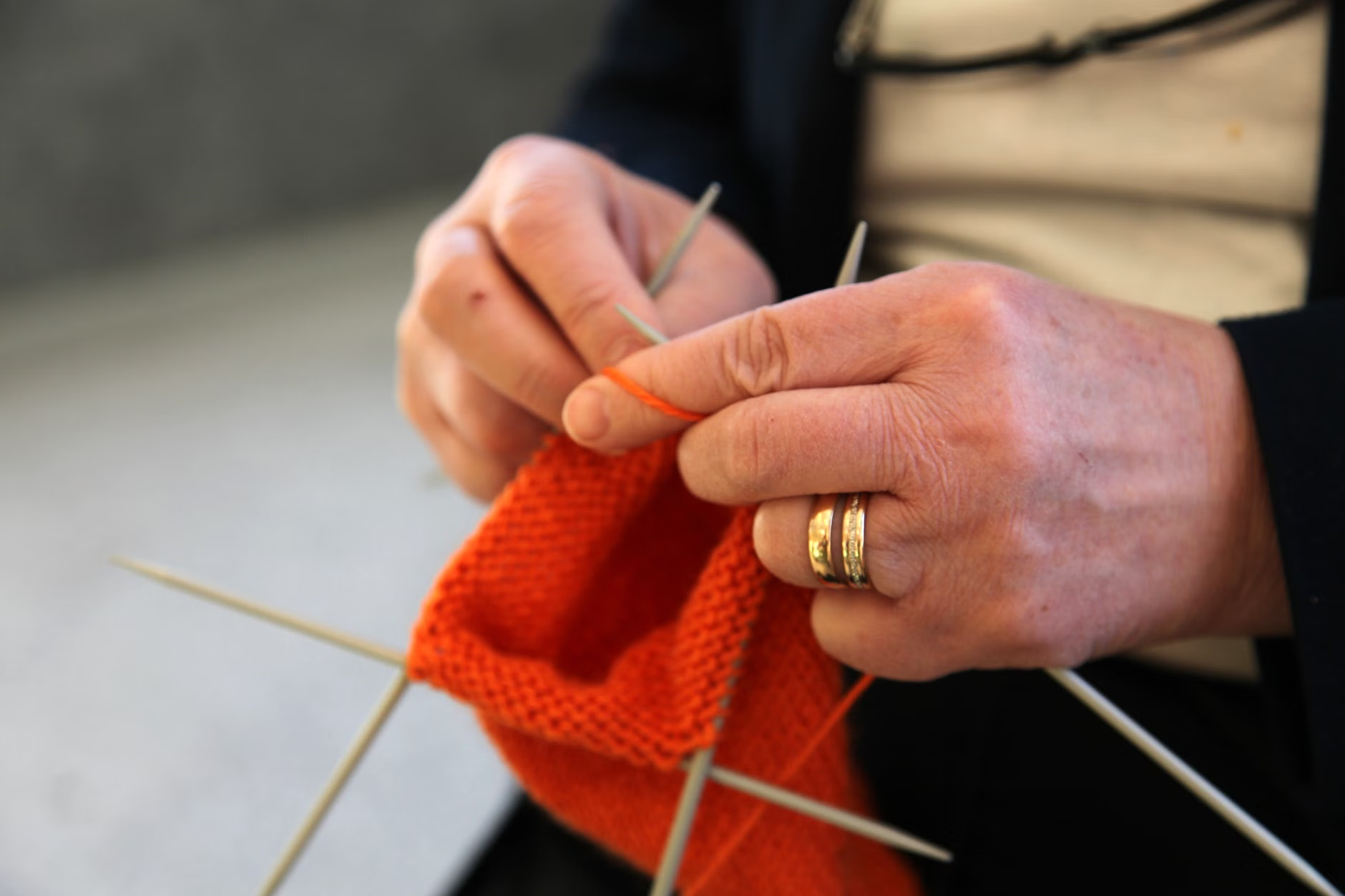
Knitting is often described as “active meditation.” The rhythmic, repetitive nature of the craft engages the brain in a way that shifts focus away from rumination or anxiety. For older adults, this is not merely a leisure activity; it is a tool for managing the stress of daily life transitions.
The Science of Repetitive Motion
Research into the neurobiology of crafting suggests that the bilateral, rhythmic movement required for knitting—looping, pulling, and casting off—stimulates the parasympathetic nervous system. This helps lower the heart rate and reduce the production of cortisol, the body’s primary stress hormone. Unlike passive activities like watching television, knitting requires enough cognitive engagement to keep the mind sharp, but not so much that it causes frustration.
Managing Physical Limitations
A common misconception is that knitting is unsuitable for those with joint discomfort or arthritis. However, the key lies in adaptation. By choosing the right materials, you can continue to participate comfortably:
- Material Choice: Use bamboo or wooden needles instead of metal, as they are warmer to the touch and offer more grip, reducing the need for a tight, straining grasp.
- Ergonomic Tools: Consider needles with ergonomic handles or “circular” needles, which shift the weight of the project into your lap, taking the strain off your wrists and hands.
- Pacing: A 20-minute knitting session followed by a five-minute hand-stretching break is a common, effective strategy for those managing chronic joint stiffness.
The Social Infrastructure of Knitting Circles
The “power” of a knitting circle comes from its structure. Unlike a social party or a formal committee, a knitting circle provides a “third space”—a place that is neither home nor work. It offers a low-pressure environment where the primary activity is the craft, which serves as a social bridge between participants.
Reducing Social Friction
One of the most significant barriers to social engagement for older adults is the expectation of high-energy conversation. In a knitting circle, conversation is optional. You can sit, work on your project, and listen. This allows individuals to engage with others at their own pace. If a member is having a difficult day, they can simply focus on their needles. The craft provides a “buffer,” making the social interaction feel safe and manageable rather than draining.

Building Intergenerational Bridges
Many knitting circles are becoming increasingly intergenerational. When younger and older adults work on the same craft, it creates a common language. A younger person might seek advice on a technical pattern, while an older member might share life experiences or historical context. This exchange helps dismantle age-related stereotypes and fosters a sense of being part of a larger, connected community.
Evaluating Potential Groups: What to Look For
Not all knitting circles are created equal. When considering joining a group, it is helpful to assess the environment based on your specific needs, such as mobility, transport, and the group’s “vibe.”
| Group Type | Best For | Practical Consideration |
|---|---|---|
| Community Center Groups | Those seeking routine and accessibility. | Usually free or low cost; check for elevator access and proximity to transit. |
| Cafe/Coffee Shop Circles | Those wanting a relaxed, casual atmosphere. | Requires mobility to navigate cafe seating; check for quiet hours. |
| Library-Hosted Groups | Those looking for quiet, structured learning. | Often include expert guidance; check if they provide supplies. |
| Online/Virtual Circles | Those with limited mobility or transport. | Requires basic digital comfort; provides global connections. |
If you choose a community center group, always verify the physical accessibility of the room. Ask about the seating—are there chairs with armrests? Is the lighting sufficient for working with dark-colored yarns? These practical details ensure that your social time remains a pleasure rather than a physical challenge.
How to Start Your Own Knitting Circle
If you find that your local area lacks a group that fits your needs, starting your own is a straightforward process that can be highly rewarding. You do not need to be an expert knitter; you only need to be an organizer.
Step-by-Step Implementation
- Identify a Venue: Look for local libraries, church halls, or community centers that offer free or low-cost room rentals. Ensure the venue is ADA-compliant (or equivalent in your jurisdiction) with accessible restrooms.
- Set a Consistent Schedule: Consistency is key to building a group. Choose a time that is easy for older adults to attend, such as mid-morning or early afternoon, avoiding peak traffic hours.
- Establish a “No-Pressure” Policy: Make it clear that the group is for all skill levels. If someone wants to come just for the tea and conversation, that is perfectly fine.
- Publicize Locally: Use community notice boards, local senior newsletters, or even a simple flyer in a neighborhood pharmacy. Focus on the social aspect rather than the technical skill.
Addressing Common Misconceptions
There is a tendency to view knitting as a “solitary” hobby. While it can be done alone, the “circle” component transforms it into a collective experience. Another misconception is that these groups are strictly for women. Many modern knitting circles are inclusive of all genders and backgrounds. If you encounter a group that feels exclusionary, do not hesitate to look elsewhere; the right group should feel welcoming and open to anyone interested in the craft.
Furthermore, do not be deterred if you feel your eyesight or fine motor skills are not what they once were. There are many low-vision aids available, such as illuminated magnifying lamps and high-contrast yarn, which make the craft accessible to almost everyone.
The Importance of Consistency and Community
The social power of a knitting circle is cumulative. Attending once is a nice afternoon; attending every other Tuesday for a year is a lifestyle change. The regularity of these meetings provides an anchor in the week, something to look forward to, and a reason to leave the house and engage with the community.
For those who may be caregivers, these groups can also serve as a vital source of peer support. Meeting others who understand the complexities of life in your age bracket allows for the sharing of resources—from recommendations for local health services to tips on navigating digital public services—in an informal and supportive setting.
Conclusion: Taking the First Step
The most important step is simply the first one: showing up. Whether you are an experienced knitter or someone who has never held a needle, the benefits of a knitting circle are accessible to you. Start by identifying one local group or, if none exists, inviting one or two neighbors to join you for an initial session. By prioritizing social connection through a gentle, creative activity, you are investing in your own mental and emotional wellbeing.
Frequently Asked Questions
1. Do I need to be an experienced knitter to join a group?
No. Most knitting circles are very welcoming to beginners. Many members are happy to teach, and some groups even host “beginner nights” where they provide spare needles and yarn to help you get started.
2. What if I have mobility issues or use a walker?
Most public venues like libraries and community centers are required to be accessible. When you contact a group, simply ask if the meeting room is on the ground floor or elevator-accessible and if there is sufficient space for a walker or wheelchair at the table.
3. Are there costs involved in joining a knitting circle?
Most community-led knitting circles are free. Some library or community center groups may ask for a small contribution toward tea, coffee, or room rental, but this is usually minimal. You will need to purchase your own yarn and needles, which is a one-time, low-cost investment.
Official Resources for Community Engagement:
– AARP: Social Connection and Health (General guidance on the importance of social integration for older adults).
– World Health Organization: Age-Friendly World (Guidelines on community accessibility and social participation).