- Prioritize “The 90-Minute Rule”: Limit your focused museum time to 90 minutes to prevent physical fatigue and cognitive overload.
- Equip for Autonomy: Carry a lightweight, collapsible cane-seat to ensure you always have a place to rest, regardless of museum seating availability.
- Digital Pre-Planning: Download museum apps and floor plans in advance to identify elevators, accessible toilets, and resting zones before you arrive.
Minimalist Museum Travel: A Guide for Seniors to Maximize Culture and Comfort
For many, the allure of a cultural museum trip lies in the quiet contemplation of art, history, and science. However, the physical reality of navigating vast, echoey halls can be daunting. Minimalist travel—the practice of packing light and planning efficiently—is not just a trend; it is a vital strategy for older adults to maintain independence and stamina while exploring the world’s greatest cultural institutions.
This guide provides a comprehensive framework for planning and packing for museum-focused travel, ensuring that your focus remains on the exhibits rather than your gear or your feet.
The Philosophy of Minimalist Museum Travel
Minimalism in the context of senior travel does not mean deprivation. It means intentionality. When you are moving through a museum, every ounce of weight you carry in a backpack or shoulder bag contributes to postural strain and faster energy depletion. By paring down your gear to only the essentials, you optimize your center of gravity and reduce the physical tax on your joints.
The Weight-to-Energy Ratio
Consider the “Weight-to-Energy Ratio.” Every kilogram carried increases the metabolic cost of walking. In a museum setting, where you may walk several kilometers just traversing corridors, the cumulative weight of a heavy handbag or camera bag can lead to lower back pain and foot fatigue by midday. Minimalism allows you to extend your “museum endurance,” turning a two-hour visit into a comfortable four-hour experience without the need for an early departure.
Packing Essentials for the Mobile Culturalist
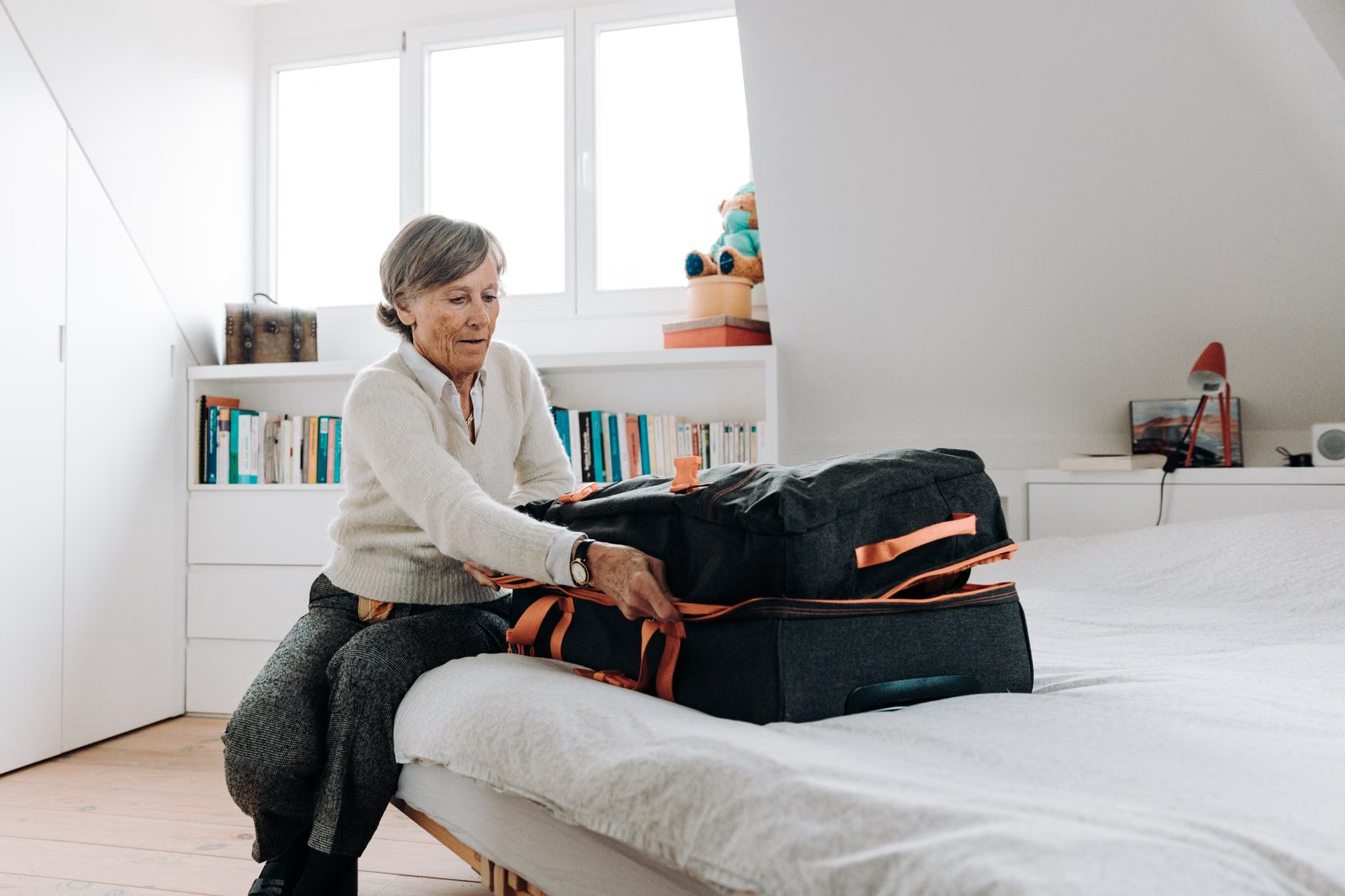
When packing for a day at a museum, your primary goal is to minimize load while maximizing safety and comfort. Use the following checklist to evaluate your daily carry.
| Item | Why it Matters | Minimalist Alternative |
|---|---|---|
| Footwear | Prevents plantar fasciitis and fatigue. | Lightweight, orthopedic walking shoes with non-slip soles. |
| Seating | Museum benches are often occupied or absent. | Collapsible cane-seat or lightweight portable stool. |
| Hydration | Dehydration accelerates cognitive and physical fatigue. | Small, insulated, lightweight water bottle (refillable). |
| Optical Aids | Reading placards in low-light galleries is difficult. | Compact, high-clarity magnifying glass or smartphone app. |
Note: Always prioritize items that serve multiple functions. For example, a high-quality smartphone often replaces the need for a separate camera, audio guide device, and paper map.
Museums are often historic buildings with complex layouts. Relying on your intuition to find the “easiest” route often leads to unnecessary stairs or long detours. Proactive navigation is the hallmark of a seasoned traveler.
Pre-Visit Digital Reconnaissance
Before you leave your accommodation, spend 15 minutes on the museum’s official website. Look specifically for the “Accessibility” or “Visitor Information” tab. Do not just look for ticket prices; look for:
- Elevator Locations: Note where the primary elevators are in relation to the main entrance.
- Resting Zones: Many modern museums have designated “quiet zones” or seating areas in specific galleries.
- Cloakroom Policies: Check if you can store your coat and bags. Lightening your load at the entrance is a non-negotiable step for comfort.
The 90-Minute Rule
A common mistake is attempting to “see everything” in one visit. This is a recipe for physical burnout. Instead, adopt the 90-minute rule. Plan to view only the top 3-4 exhibits you truly care about. After 90 minutes, find a cafe or a quiet bench, hydrate, and assess your energy levels. If you are feeling strong, you can continue; if not, you have already seen the highlights.
Managing Physical Stamina and Safety
Museum floors—often made of marble, polished concrete, or hardwood—are notoriously unforgiving. Furthermore, the lighting in galleries is often kept dim to preserve artifacts, which can reduce depth perception for some older adults.
Preventing Falls and Fatigue
To mitigate these risks, consider the following:
- Footwear Traction: Ensure your shoes have rubberized, non-slip outsoles. Avoid leather soles, which are dangerous on polished gallery floors.
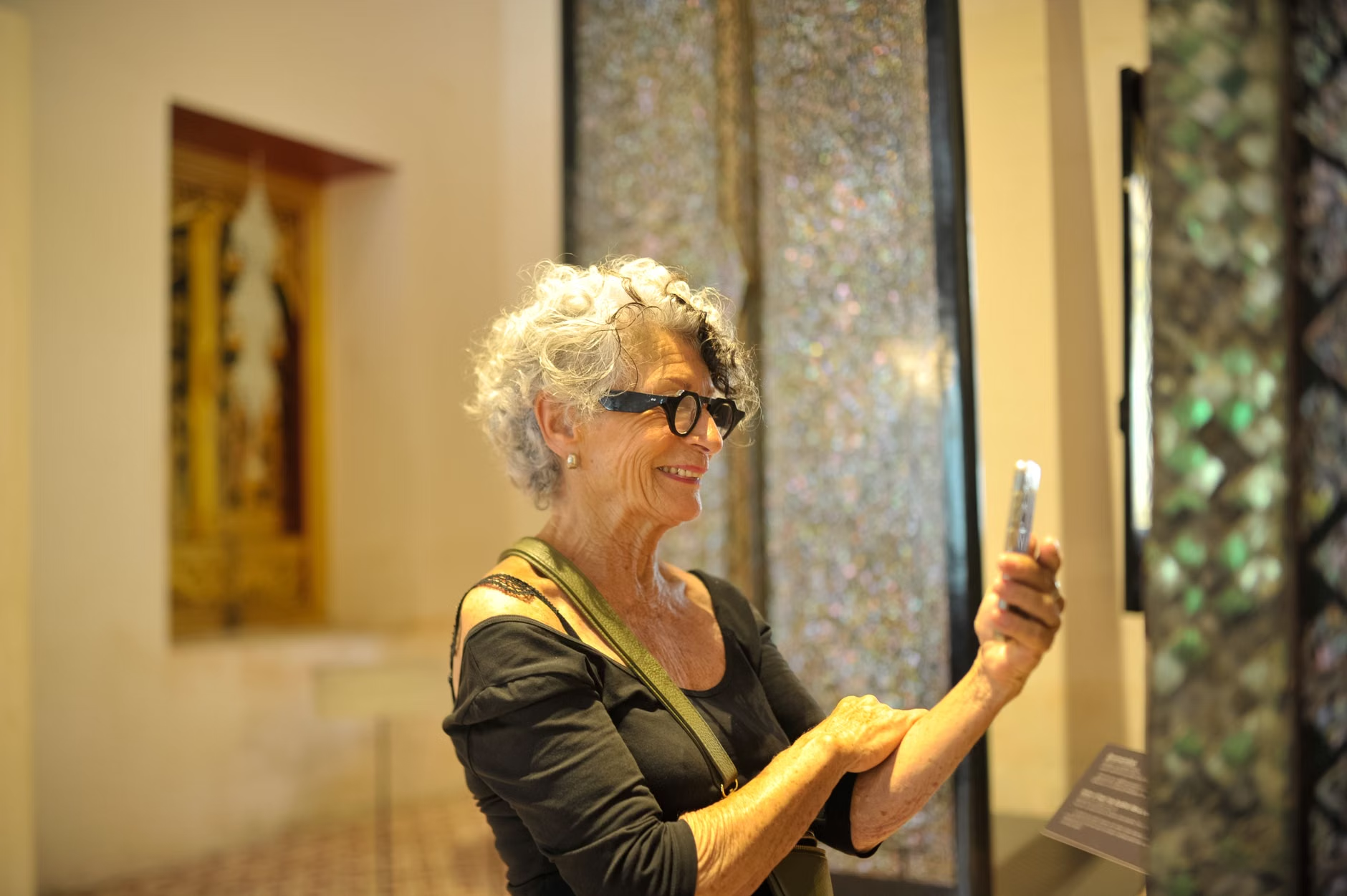
- Lighting Adjustments: If you struggle with low light, bring a small, high-intensity LED penlight to assist in reading small text on placards. However, check with museum staff first, as some institutions restrict certain types of lighting.
- The “Pivot” Technique: When turning to look at an exhibit, avoid twisting your spine. Move your feet to turn your entire body. This protects your hips and lower back from strain.
Using Mobility Aids as Tools, Not Barriers
If you use a cane, walker, or wheelchair, do not view these as hindrances to your cultural experience. Most major museums, such as the Metropolitan Museum of Art or the British Museum, offer excellent accessibility services, including wheelchair loans at no cost. Calling ahead to reserve a wheelchair can transform a physically draining day into a pleasant one.
Deep Dive: The Economics of Accessible Museum Visits
Many seniors are unaware of the hidden financial and logistical benefits available to them in the cultural sector. Understanding these can significantly enhance your travel experience.
Senior Discounts and Membership Reciprocity
In many jurisdictions, such as the EU and parts of North America, seniors (typically 65+) are entitled to reduced admission. However, the real value lies in membership reciprocity. If you are a member of a major museum in your home country, check if they are part of a reciprocal network (such as the North American Reciprocal Museum Association). This can grant you free or discounted entry to hundreds of museums globally.
The “Quiet Hour” Advantage
Many museums now offer “Quiet Hours” or “Sensory-Friendly” mornings. These are not just for individuals with neurodivergent needs; they are ideal for seniors who prefer a less crowded, slower-paced environment. During these times, the ambient noise is reduced, and the crowds are significantly thinner, allowing for a more profound connection with the art.
Advanced Planning: A Step-by-Step Framework
To ensure your trip is successful, follow this structured planning framework:
- The Selection Phase (1 Week Prior): Choose a maximum of two museums per day. Ensure they are geographically close to minimize transit time.
- The Logistics Phase (3 Days Prior): Check the museum’s website for wheelchair availability and elevator maps. Book your tickets online to avoid standing in long queues—a significant physical drain.
- The Packing Phase (1 Day Prior): Prepare your “minimalist kit”: small wallet, smartphone, water, and your collapsible seat. Ensure your phone is fully charged.
- The Execution Phase (Visit Day): Arrive 15 minutes before opening. Use the cloakroom immediately. Head to your primary interest, rest for 10 minutes at the 45-minute mark, and reassess your status at 90 minutes.
Hidden Trade-offs and Considerations
It is important to acknowledge that minimalism has its trade-offs. By carrying less, you may have to sacrifice “just-in-case” items like extra layers of clothing or a physical guidebook. You must weigh the benefit of a lighter load against the potential discomfort of a drafty gallery. Always check the local weather and the museum’s internal temperature regulations. Many large museums maintain a constant 20-22°C (68-72°F) to protect art, but this can feel chilly if you are sitting still for long periods.
Another overlooked variable is the “transit gap.” The distance from the museum entrance to the actual galleries can be substantial. If you have limited mobility, factor in the time and energy required to get from the museum doors to the exhibits. If the distance is significant, ask the security staff at the entrance if there is a closer drop-off point for taxis or specialized transport.
Conclusion: The Art of the Possible
Museum travel for seniors is about finding the balance between engagement and conservation of energy. By adopting a minimalist mindset, you prioritize your physical well-being without sacrificing the depth of your cultural experience. Remember that the goal is not to see everything, but to see what matters to you in a way that remains sustainable throughout your trip.
By preparing your body with the right equipment, your mind with the right digital tools, and your itinerary with realistic expectations, you can turn any museum trip into a source of inspiration rather than exhaustion. Start by refining your packing list today, and you will find that the lighter your bag, the further your curiosity can take you.
Frequently Asked Questions
1. How do I know if a museum is truly accessible for my specific needs?
Do not rely on the term “accessible” alone. Visit the official museum website and look for detailed accessibility maps. If this information is lacking, call the visitor services department directly and ask two specific questions: “How far is the walk from the main entrance to the nearest elevator?” and “Is there a place to sit within the main gallery?” Their answers will provide a much clearer picture than a general statement.
2. Should I bring my own wheelchair or rent one there?
If you have specific ergonomic needs, bringing your own mobility device is often better. However, if you are traveling internationally, renting or borrowing a wheelchair at the museum can save you the hassle of navigating airports and public transport with bulky equipment. Most large national museums offer complimentary loaner chairs; always verify availability via email 48 hours before your visit.
3. Are there specific times of day that are better for seniors to visit?
Generally, Tuesday through Thursday mornings, shortly after opening, are the quietest times for most major museums. Avoid weekends and public holidays, which are typically crowded and noisy. If you are visiting a popular tourist destination, check if the museum offers “late night” opening hours, as these are often significantly less crowded than mid-day slots.
Disclaimer: This article is for informational purposes and does not constitute medical advice. Always consult with your healthcare provider regarding your personal mobility and stamina requirements before planning extensive travel.