- Universal Design Integration: By 2026, many jurisdictions are moving toward “Universal Design” standards, which prioritize ease of use for everyone, including those with limited mobility, stamina, or sensory changes.
- Technology as an Enabler: The shift toward touchless interfaces and automated door systems significantly reduces physical exertion and improves hygiene for older adults.
- Planning Your Journey: Understanding these new standards allows you to better anticipate the facilities available in airports, transport hubs, and public squares, helping you manage your energy and safety during travel.
As we move into 2026, global infrastructure is undergoing a significant transformation in how public restrooms are designed and maintained. For adults aged 60 to 80, these changes are not merely cosmetic; they represent a fundamental shift toward independence, safety, and comfort. Whether you are traveling internationally or navigating your local community, understanding these updated standards is essential for maintaining an active and confident lifestyle.
The Evolution of Universal Design in Public Facilities
Universal Design is a concept that moves beyond the traditional “handicap-accessible” label. Instead of creating separate, often isolated, facilities for those with disabilities, the 2026 shift emphasizes creating spaces that work for everyone, regardless of physical ability. This transition is critical because it reduces the “stigma of access” and ensures that facilities are inherently more functional for people with varying levels of strength, balance, and visual acuity.
Why These Standards Matter for Seniors
For many older adults, the primary challenge in public restrooms is not just the presence of a grab bar, but the overall ergonomics of the space. Issues like heavy doors, slippery floors, and confusing layouts can increase the risk of falls or cause unnecessary fatigue. The 2026 standards aim to mitigate these risks by mandating specific spatial requirements and material choices.
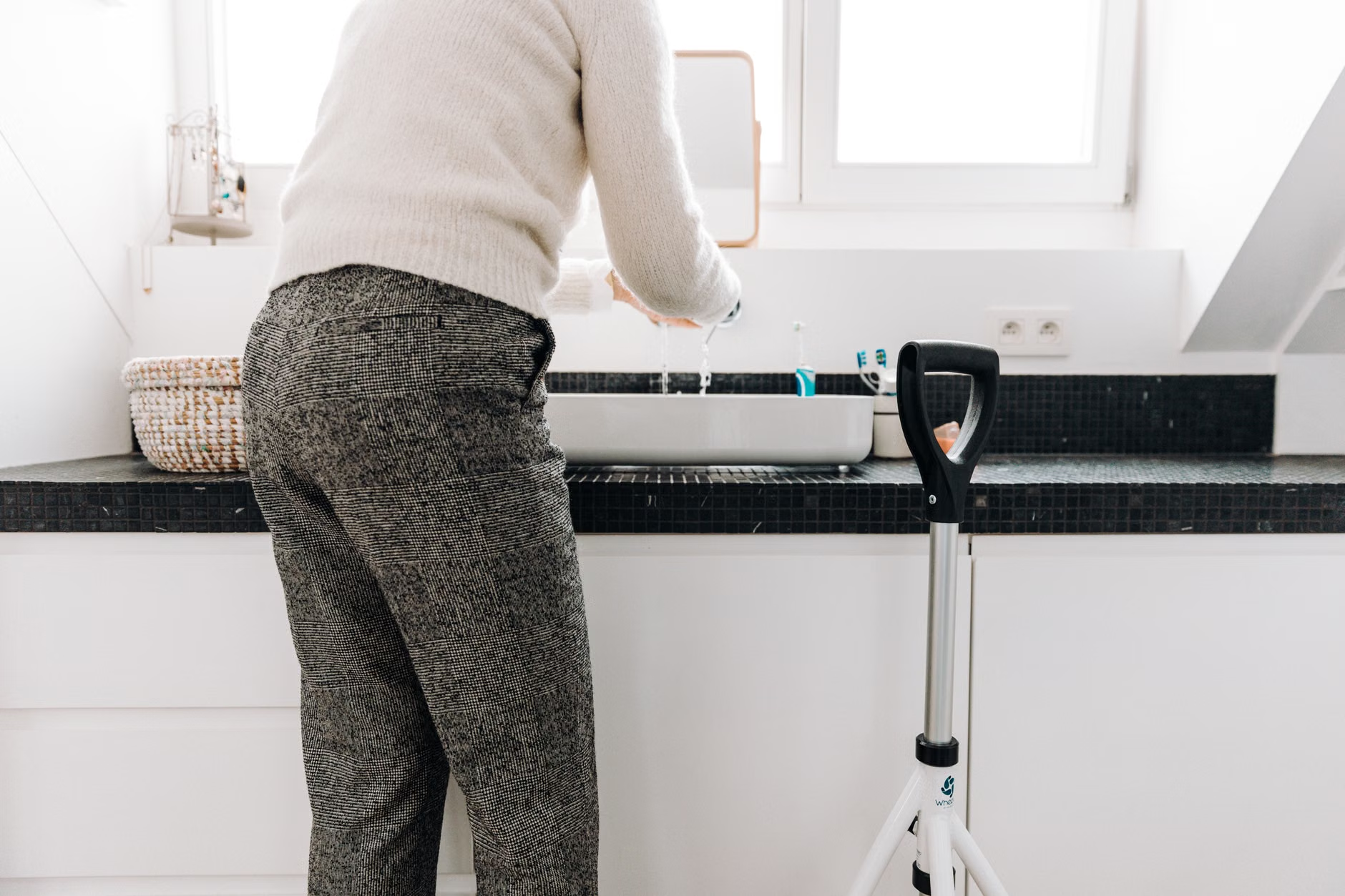
What it looks like in real life: Imagine walking into a public restroom at a transit hub. In the past, you might have struggled with a heavy, inward-opening door while carrying a bag. Under the new standards, you encounter an automatic sliding door or a light-touch push button, eliminating the need for complex maneuvering. Inside, the floor is slip-resistant, even when wet, and the lighting is non-glare, making it easier to navigate for those with vision changes.
Key Components of the 2026 Accessibility Shift
The 2026 standards are not uniform globally, but they are increasingly aligned with international guidelines such as the ISO (International Organization for Standardization) 21542. Below are the core technical improvements that are becoming the standard in major developed regions, including the European Union, parts of North America, and parts of East Asia.
1. Enhanced Turning Space and Maneuverability
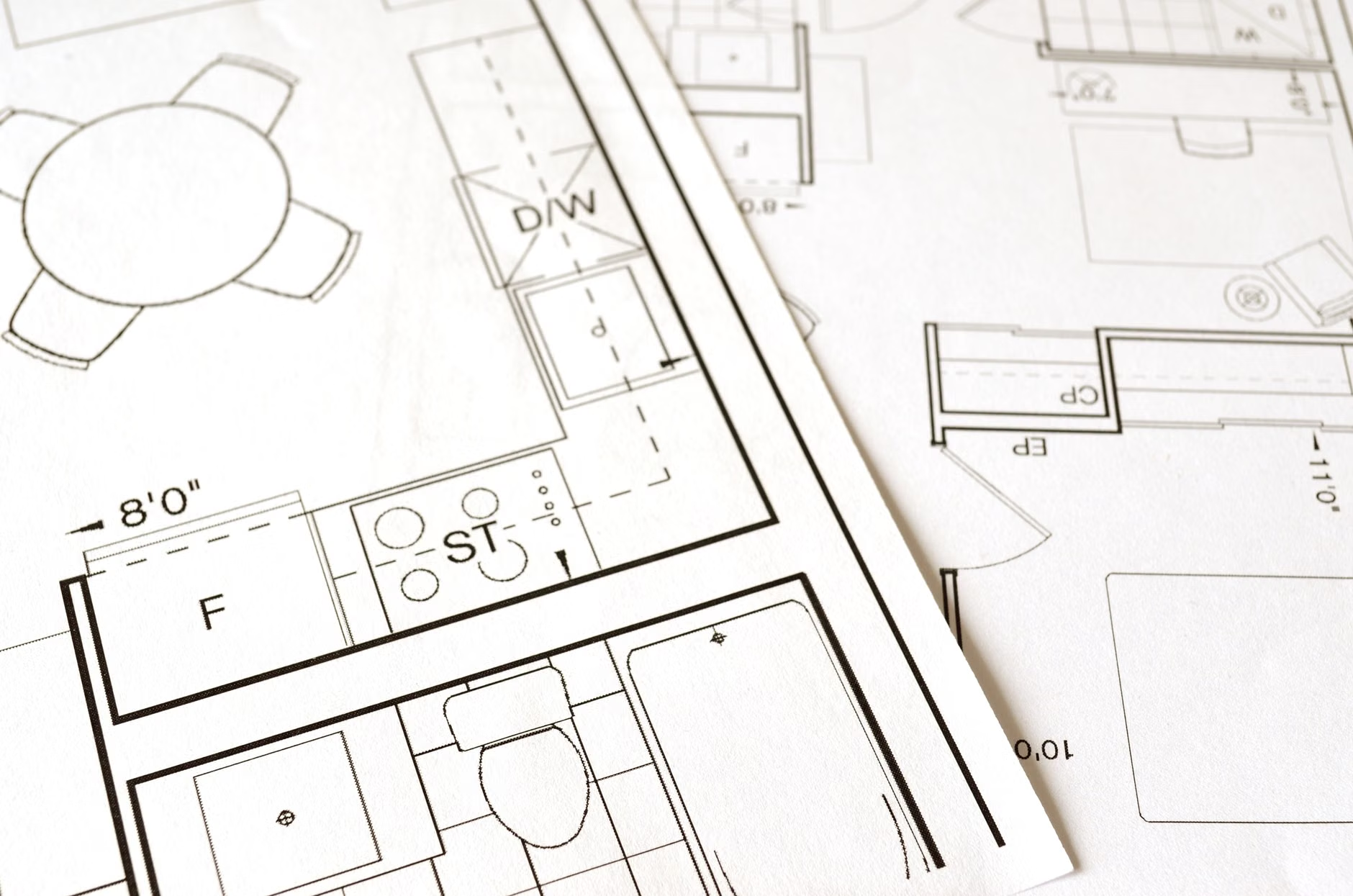
The most significant change is the expansion of the “turning circle.” Older standards often required a 1.5-meter diameter, which is often insufficient for those using walkers or rollators. The new guidance encourages a 1.8-meter diameter, providing ample space to rotate comfortably without hitting walls or fixtures.
2. High-Contrast Signage and Lighting
Visual clarity is essential. Modern standards require high-contrast, non-reflective signage that is placed at eye level. Furthermore, lighting must be uniform throughout the space—no dark corners or harsh shadows that can be disorienting. For older eyes, this contrast is vital for identifying the door handle, the sink, and the emergency call button.
3. Automated Hygiene Systems
Touchless technology is no longer a luxury; it is becoming a requirement. Automated faucets, soap dispensers, and flush mechanisms reduce the need to reach or grip, which is particularly helpful for individuals with arthritis or limited range of motion in their hands.
| Feature | Old Standard | 2026 Goal |
|---|---|---|
| Door Mechanism | Manual handle/knob | Automatic or light-touch power assist |
| Turning Radius | 1.5 meters | 1.8 meters |
| Grab Bars | Basic perimeter | Ergonomic, high-grip, contrasting color |
| Flooring | Standard tile | Slip-resistant (R11+ rating) |
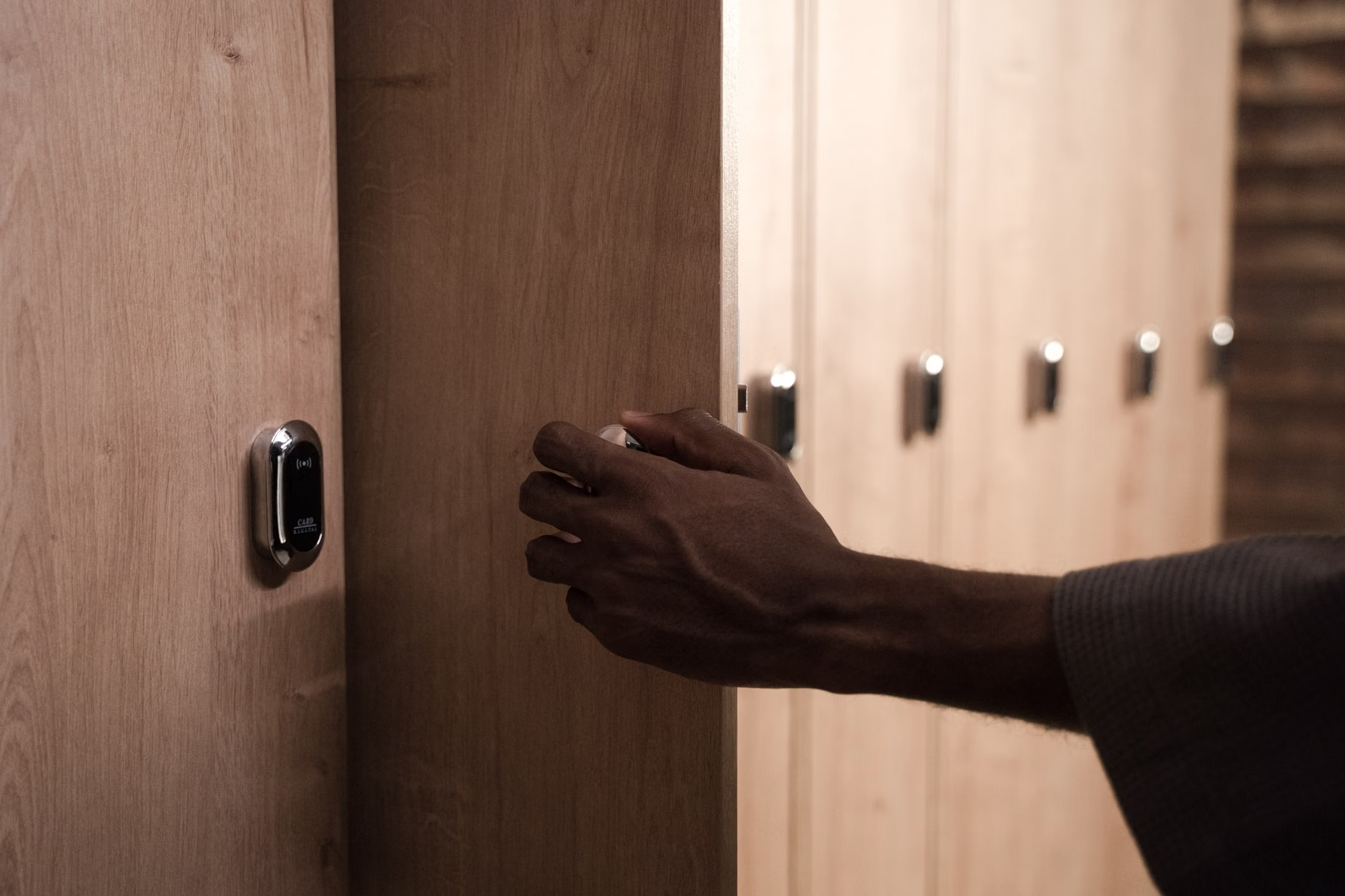
This table illustrates how the shift in design directly impacts your physical comfort. For example, the move from manual knobs to touchless or lever-based systems means you no longer have to exert force with your wrists, which is a common pain point for those managing joint stiffness.
When you are traveling, the “availability” of an accessible toilet is often less important than the “usability” of it. A facility might be labeled “accessible,” but if it is poorly maintained or lacks the specific support you need, it can be a source of stress.
Practical Steps for Your Next Trip
- Research Transit Hubs: Most major airports and train stations now publish accessibility maps online. Look for these before you depart. They often specify exactly where the “Universal” or “Family/Accessible” restrooms are located.
- Verify “Universal” vs. “Gendered”: Many modern facilities are shifting to gender-neutral, single-occupancy rooms. These are often the safest and most private options for those who might need assistance from a caregiver of a different gender.
- Know Your Local Rights: In countries like the UK, the “Changing Places” initiative provides high-quality facilities with extra space and equipment like hoists. If you require specific equipment, search for “Changing Places” locations rather than generic accessible toilets.
The Importance of “Rest” as a Mobility Tool
Do not underestimate the role of these facilities in managing your stamina. If you are on a walking tour, plan your route around known accessible public toilets. This isn’t just about necessity; it’s about peace of mind. Knowing that a safe, spacious, and clean facility is available nearby allows you to enjoy the sights without the constant anxiety of “finding a place to go.”
Addressing Potential Misconceptions
One common misconception is that all “accessible” toilets are identical. In reality, there is a wide spectrum of quality. Some facilities are designed for basic wheelchair access, while others are designed for people with complex mobility or personal care needs. Always look for the specific icons on the door—such as the international symbol of access—and if you are traveling with a companion, do not hesitate to use “Family” or “Assisted” restrooms, as these are specifically intended to accommodate two people.
Another point of confusion is the “emergency call button.” Many people are hesitant to touch it, fearing they will trigger a false alarm. In 2026, most of these systems are designed to be intuitive. If you feel dizzy, unstable, or need assistance, the button is there for your safety. It is a standard feature in modern facilities, and you should view it as a safety net rather than a last resort.
Insights into Future-Proofing Your Daily Routine
Beyond public travel, consider how these standards influence your own home environment. Many of the features we see in top-tier public facilities—such as grab bars, lever faucets, and slip-resistant flooring—can be easily retrofitted into your own bathroom. The 2026 standards provide a blueprint for what works best. If you find a particular design in a public restroom that feels exceptionally comfortable, take note of it. Is it the height of the toilet? The texture of the floor? The placement of the mirror? These small details can be replicated at home to improve your long-term independence.
A note on maintenance: A well-designed facility is only as good as its maintenance. If you encounter a facility that is dirty, has a broken sensor, or is blocked by cleaning equipment, report it to the facility manager. Your feedback is the primary driver for local authorities to prioritize the upkeep of these essential services.
Conclusion: Taking Control of Your Mobility
The 2026 shifts in accessible toilet design are a positive step toward a more inclusive society. By moving toward universal standards, these facilities are becoming safer, easier to use, and more dignified for everyone. As an older adult, your ability to navigate the world with confidence is supported by these infrastructure improvements. Stay informed, plan your routes using accessible maps, and always prioritize your comfort and safety. By understanding what these standards offer, you can better advocate for your needs and enjoy the freedom of travel and community engagement with greater peace of mind.
Frequently Asked Questions
1. How can I find accessible toilets when traveling in a new city?
Many major cities now have dedicated apps or websites (such as “Wheelmap” or local government transport portals) that map out accessible restrooms. Before your trip, check the official tourism board website for the city you are visiting; they often have a section specifically for accessible travel that lists the location of public facilities.
2. What should I do if the accessible toilet is locked or requires a special key?
In many countries, such as the UK or Australia, the “RADAR” or “MLAK” key systems are used to ensure that accessible toilets are kept clean and available for those who need them. If you frequently travel, it is highly recommended to purchase one of these universal keys. They are inexpensive and can be used in thousands of locations globally.
3. Are gender-neutral toilets safe and appropriate for seniors?
Yes, in fact, gender-neutral, single-occupancy accessible toilets are often the most suitable for seniors. They provide the necessary privacy and space, and they are particularly helpful if you are traveling with a spouse, family member, or caregiver who needs to provide physical assistance. They eliminate the confusion of navigating gendered layouts and provide a controlled, private environment.
Disclaimer: This article provides general information about accessibility standards and travel planning. It does not constitute legal or medical advice. Always check the specific regulations and facilities for the country or region you are visiting, as standards can vary significantly by local jurisdiction.
Official Resources for Further Research:
– ISO 21542:2021 Building construction — Accessibility and usability of the built environment
– Changing Places Toilet Map (UK/International)
– U.S. Access Board – Guide to the ADA Standards