- Consistency over Intensity: Gentle, daily lateral flexion of the neck is more effective for maintaining range of motion than infrequent, deep stretches.
- Stability is Essential: Always perform these movements while seated in a stable, non-swivel chair to prevent dizziness and ensure proper spinal alignment.
- Listen to Your Body: If you feel sharp pain, numbness, or tingling, stop immediately; these are signals that require professional assessment rather than further stretching.
Seated Neck Lateral Flexion: A Practical Guide to Maintaining Neck Mobility and Comfort
Maintaining neck flexibility is a fundamental component of healthy aging. As we transition through our 60s, 70s, and beyond, the tissues in our neck—including muscles, tendons, and ligaments—naturally undergo changes that can lead to stiffness. This stiffness often manifests as difficulty turning the head while driving, discomfort when looking down at a book, or a general feeling of tightness after a long period of sitting.
Seated neck lateral flexion is a simple, effective movement that targets the muscles on the sides of the neck, specifically the trapezius and the sternocleidomastoid. By integrating this movement into your daily routine, you can support your ability to perform everyday tasks with greater ease and confidence.
Understanding the Mechanics of Neck Mobility
The neck, or cervical spine, is a complex structure designed to support the weight of the head while allowing for a wide range of motion. Lateral flexion is the technical term for the movement of tilting your head toward your shoulder. In daily life, this movement is essential for checking blind spots, looking at items on a shelf, or simply communicating with others in a social setting.
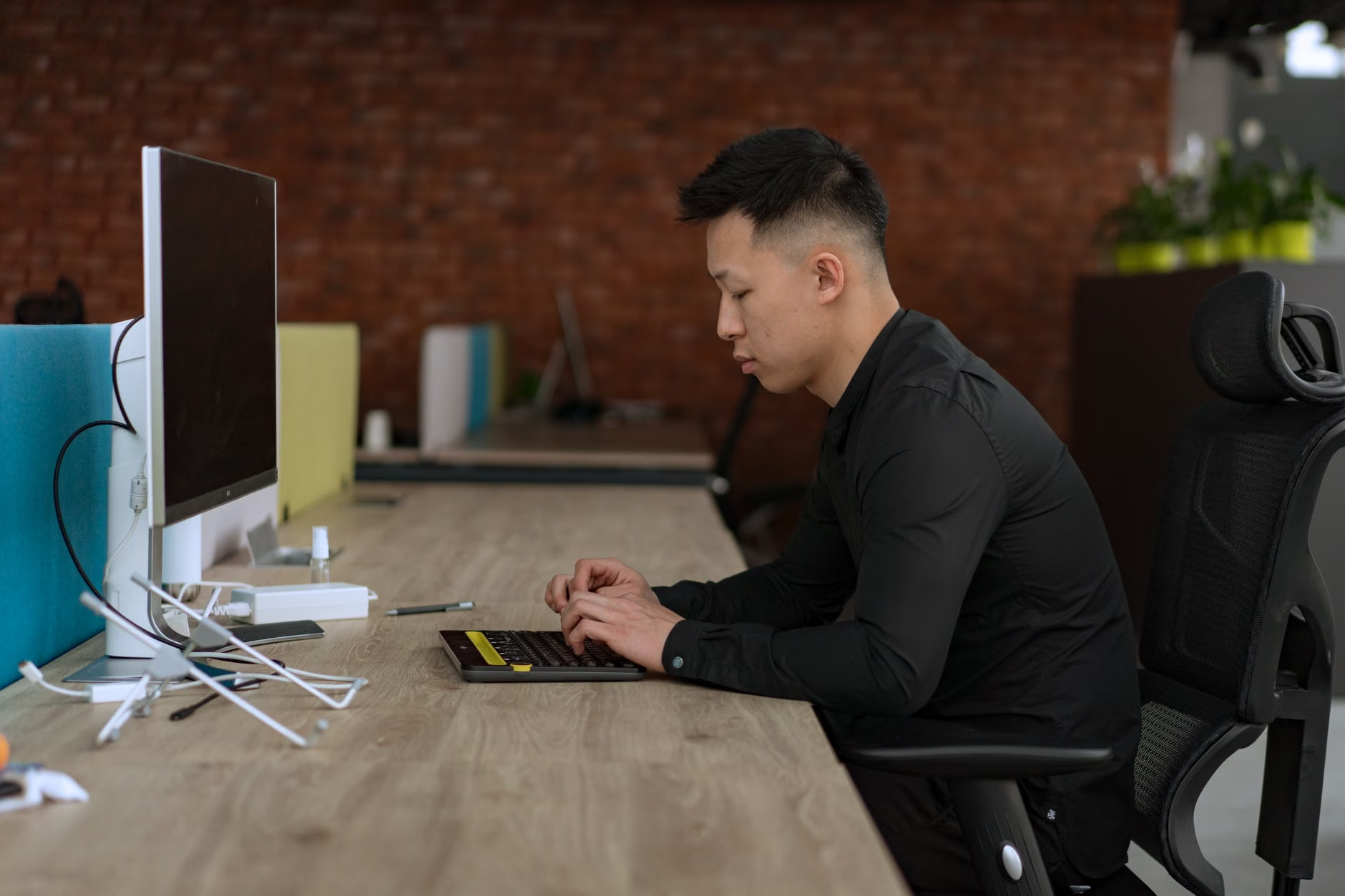
Over time, factors such as forward-head posture—often associated with prolonged screen time or reading—can cause the muscles at the back and sides of the neck to become chronically tight. When these muscles lose their elasticity, the cervical spine may feel “locked,” leading to a reduced range of motion. The goal of lateral flexion exercises is not to force the neck into a new position, but to gently remind the muscles to return to their optimal, relaxed length.
Why Lateral Flexion Matters for Daily Life
Unlike complex gym routines, neck mobility exercises directly impact your functional autonomy. Consider the following scenarios where neck flexibility is critical:
- Driving Safety: The ability to rotate and tilt the head comfortably is non-negotiable for checking mirrors and blind spots.
- Household Tasks: Whether you are cooking, cleaning, or organizing, you are constantly shifting your gaze. A stiff neck can lead to compensatory movements in the shoulders and upper back, which may cause secondary aches.
- Social Interaction: Being able to turn your head fluidly makes conversations more natural and less physically demanding.
Preparing for Your Session: Safety and Environment
Before beginning any neck exercise, the environment and your physical state play a major role in success. Do not attempt these stretches if you are feeling dizzy, lightheaded, or have recently experienced a fall. Your safety is the priority.
Setting Up Your Space
Choose a chair that provides solid support. A dining chair or a sturdy office chair without wheels is ideal. If you are using a chair with wheels, ensure it is locked or pushed against a wall. The objective is to eliminate the need for your body to “balance” itself, allowing you to focus entirely on the neck movement.
| Feature | What to Look For | Why It Matters |
|---|---|---|
| Back Support | Firm, upright backrest | Prevents slouching and ensures the spine is neutral. |
| Stability | Non-swivel, non-rolling base | Reduces the risk of losing balance during the stretch. |
| Foot Position | Feet flat on the floor | Provides a stable base for the entire kinetic chain. |
After reviewing the table above, ensure you are in a quiet area where you will not be distracted. Proper breathing is also essential; holding your breath creates tension in the muscles you are trying to relax.
Step-by-Step Guide to Seated Neck Lateral Flexion
Follow these steps to perform the movement safely. If at any point you feel sharp pain, stop immediately. This is not a stretch that should be pushed to the point of discomfort.
- Initial Position: Sit upright with your feet planted firmly on the floor, shoulder-width apart. Rest your hands gently on your thighs or let them hang naturally by your sides.
- Neutral Spine: Imagine a string attached to the crown of your head pulling you gently toward the ceiling. Your chin should be parallel to the floor, not tucked down or tilted up.
- The Movement: Slowly and smoothly, tilt your right ear toward your right shoulder. Do not bring your shoulder up to meet your ear; keep your shoulders dropped and relaxed.
- The Hold: Once you feel a gentle, comfortable stretch along the left side of your neck, hold this position for 5 to 10 seconds. Breathe deeply and evenly throughout the hold.
- Return to Center: Slowly bring your head back to the neutral, upright position.
- The Repeat: Repeat the movement on the left side, tilting your left ear toward your left shoulder. Hold for 5 to 10 seconds, then return to center.
Common Mistakes to Avoid
Many individuals inadvertently introduce tension while trying to stretch. Watch out for these common errors:
- Shrugging Shoulders: As you tilt your head, your shoulders may instinctively rise. Consciously push your shoulders down away from your ears throughout the entire movement.
- Rotating the Neck: Ensure the movement is strictly lateral. If you find yourself looking down or turning your head, you are engaging the wrong muscle groups. Keep your nose pointing forward throughout the tilt.
- Over-stretching: There is no “target” for how far your ear should go. The sensation of a mild pull is sufficient. Pushing past this point can irritate the small muscles and nerves in the cervical region.
When to Seek Professional Guidance
While gentle movement is generally beneficial, there are specific circumstances where you should consult a healthcare provider, such as a physical therapist or your primary care physician, before starting any new routine.
If you experience any of the following “red flag” symptoms, please refrain from self-directed stretching and seek a professional evaluation:
- Radiating Pain: Pain that shoots down one or both arms while performing the stretch.
- Numbness or Tingling: Any pins-and-needles sensation in your fingers or hands.
- Persistent Dizziness: If tilting your head triggers vertigo or a loss of balance.
- History of Spinal Injury: If you have pre-existing conditions such as cervical spondylosis, herniated discs, or osteoporosis, a medical professional should tailor your exercise program.
When you visit a professional, be prepared to describe your symptoms accurately. Keep a simple log for a few days before your appointment: Note when the stiffness occurs, what activities you were doing, and how long the discomfort lasts. This information is invaluable for a therapist to determine the root cause of your neck issues rather than just treating the surface symptoms.
Integrating Mobility into Your Daily Routine
The secret to effective flexibility training is not the duration of a single session, but the frequency of the movement. Your muscles respond better to frequent, short “reminders” than to one long, intensive session that may cause fatigue or soreness.
Building the Habit
Consider “anchoring” your neck stretches to existing daily habits. For example:
- The Morning Anchor: Perform three repetitions on each side immediately after sitting up in bed or while sitting at the breakfast table.
- The Midday Anchor: If you spend time reading or using a computer, set a timer for every 60 minutes. When the timer rings, perform one slow lateral flexion on each side.
- The Evening Anchor: As you wind down in the evening, use the exercise to release the tension accumulated throughout the day.
The Role of Hydration and Nutrition
While often overlooked, hydration plays a vital role in the health of your connective tissues. The discs in your spine and the surrounding soft tissues rely on adequate water intake to maintain their elasticity and shock-absorbing properties. Dehydration can lead to a sense of “brittleness” in the muscles. Similarly, a balanced diet rich in anti-inflammatory foods, such as leafy greens, nuts, and omega-3 fatty acids, supports overall muscle and joint health. While no specific food is a cure for neck stiffness, these dietary choices create an internal environment that is more conducive to recovery and flexibility.
Advanced Considerations: Understanding Your Limits
As you become more comfortable with seated neck lateral flexion, you might wonder if you should increase the intensity. It is important to remember that for the 60-to-80 demographic, the primary objective is maintenance and prevention, not athletic performance. The goal is to keep the neck functional so that it does not limit your lifestyle.
If you find that your neck feels significantly tighter on one side compared to the other, do not try to “force” the tighter side to match the other. Instead, focus on performing the movement on both sides with equal gentleness. The asymmetry is often a result of daily habits—such as always carrying a heavy bag on one shoulder or sleeping on one side—and persistent, gentle movement will eventually help to address this imbalance over several weeks or months.
Another variable is the impact of temperature. Muscles are naturally less pliable when cold. If you live in a colder climate or are in an air-conditioned room, you may find that your neck feels stiffer. In such cases, a warm compress applied to the neck for a few minutes before exercising can help increase blood flow and prepare the muscles for movement. Always ensure the compress is warm, not hot, to avoid skin sensitivity issues.
Practical Decision-Making for Your Wellbeing
Deciding when to perform these exercises is a matter of tuning into your body’s signals. If you have had a particularly active day involving heavy lifting or strenuous movement, your neck muscles may already be fatigued. In this scenario, it is better to skip the deep stretches and perhaps opt for a light, restorative walk instead. On days when you have been sedentary, however, these exercises are highly beneficial for “waking up” the muscles and preventing the onset of stiffness.
Ultimately, the best approach is one that feels sustainable. If you find that a specific time of day or a specific chair is uncomfortable, change it. There is no “perfect” way to perform these exercises that applies to everyone; the perfect way is the one that allows you to remain consistent, pain-free, and mobile.
Conclusion: Sustaining Mobility for the Long Term
Maintaining a flexible neck is a proactive choice that pays dividends in your quality of life. By incorporating seated neck lateral flexion into your daily routine, you are taking a simple yet powerful step toward preserving your functional independence. Remember that the goal is not to achieve a specific range of motion, but to keep your neck comfortable and responsive to the demands of your day.
Stay consistent, listen to your body’s signals, and prioritize your safety above all else. With a steady, gentle approach, you can manage the natural changes in your neck muscles and continue to engage fully in your favorite hobbies, travel, and daily activities for years to come.
For further reading on general posture and spinal health, you may refer to resources provided by established health organizations. For example, the National Institute of Arthritis and Musculoskeletal and Skin Diseases offers comprehensive information on maintaining musculoskeletal health as you age.
Frequently Asked Questions
1. How long should I hold each neck stretch?
For most adults, holding a gentle lateral flexion for 5 to 10 seconds is sufficient. The goal is a sustained, comfortable stretch, not a maximal effort. If you feel any discomfort or shaking, shorten the hold time.
2. Can I do these stretches while standing instead of sitting?
While you can, it is generally recommended to perform them while seated, especially if you are concerned about balance. Sitting provides a stable base that allows you to isolate the neck muscles more effectively without having to engage your core and leg muscles to maintain your standing position.
3. How many times a day should I perform these exercises?
Consistency is more important than volume. Performing the stretches 2 to 3 times a day—perhaps in the morning, at midday, and in the evening—is usually more beneficial than doing a large number of repetitions all at once. Listen to how your neck feels and adjust accordingly.