- Manganese is a trace mineral that acts as a vital cofactor for enzymes involved in bone formation and metabolic regulation.
- Most adults can meet their manganese needs through a balanced diet; supplementation is rarely necessary and carries risks of toxicity.
- Focus on whole-food sources like legumes, nuts, whole grains, and dark leafy greens to support long-term skeletal and metabolic health.
Manganese for Metabolic and Bone Health: A Practical Guide for Seniors
Manganese is a trace mineral that often flies under the radar compared to more famous nutrients like calcium or vitamin D. For adults aged 60 to 80, however, understanding the role of manganese is essential for maintaining both structural integrity and metabolic efficiency. While the body only requires it in tiny amounts, manganese is a critical component in the activation of enzymes that build healthy bone tissue and process carbohydrates, amino acids, and cholesterol.
This guide explores how manganese functions within your body, how to source it naturally through your daily diet, and how to navigate the balance between adequate intake and safety.
Understanding Manganese: Beyond the Basics
At its core, manganese is a “trace element,” meaning the human body requires it in very small quantities. Despite its low requirement, it is involved in dozens of biological processes. For the aging population, its most significant roles relate to the formation of cartilage and bone, as well as the regulation of blood sugar levels.
The human body stores approximately 10 to 20 milligrams of manganese, primarily in the bones, liver, kidneys, and pancreas. Because the body does not produce manganese, you must obtain it from external sources. The challenge for many older adults is not necessarily deficiency—which is rare—but ensuring that their dietary patterns support the steady supply needed for long-term health as metabolic efficiency naturally shifts with age.
The Connection to Bone Density
Bone health is a primary concern for those between 60 and 80. Manganese works alongside calcium, vitamin D, and magnesium to facilitate the production of proteoglycans, which are essential building blocks for cartilage and bone structure. Without sufficient manganese, the body’s ability to maintain bone mineral density can be compromised, potentially increasing the risk of fragility as we age.
Metabolic Regulation and Energy
Manganese plays a key role in the enzyme pyruvate carboxylase, which is crucial for gluconeogenesis—the process by which the body produces glucose from non-carbohydrate sources. For seniors, efficient glucose metabolism is vital for maintaining steady energy levels throughout the day and supporting stable blood sugar management.

The Daily Manganese Requirement: How Much Do You Need?
The National Institutes of Health (NIH) and other global health bodies provide “Adequate Intake” (AI) levels for manganese. Unlike “Recommended Dietary Allowances” (RDA), which are based on solid evidence, AI levels are set based on the average intake of healthy populations.
| Group | Adequate Intake (AI) per Day |
|---|---|
| Men (Age 51+) | 2.3 mg |
| Women (Age 51+) | 1.8 mg |
It is important to note that these figures are not strict targets you must hit with precision every single day. Instead, they serve as a benchmark for your weekly nutritional intake. Because manganese is widely available in plant-based foods, most individuals following a varied diet will naturally meet these requirements.
Building a Manganese-Rich Diet: Practical Steps
You do not need to track your manganese intake with a calculator. Instead, focus on diversifying your plate with whole foods. Manganese is most abundant in whole grains, legumes, nuts, and certain vegetables.
1. Incorporating Whole Grains
Whole grains such as brown rice, oats, and quinoa are excellent sources. For example, a single cup of cooked brown rice can provide nearly 40% of the daily requirement for an older adult. Transitioning from refined white bread to whole-grain varieties is a simple, high-impact change.
2. The Power of Legumes and Nuts
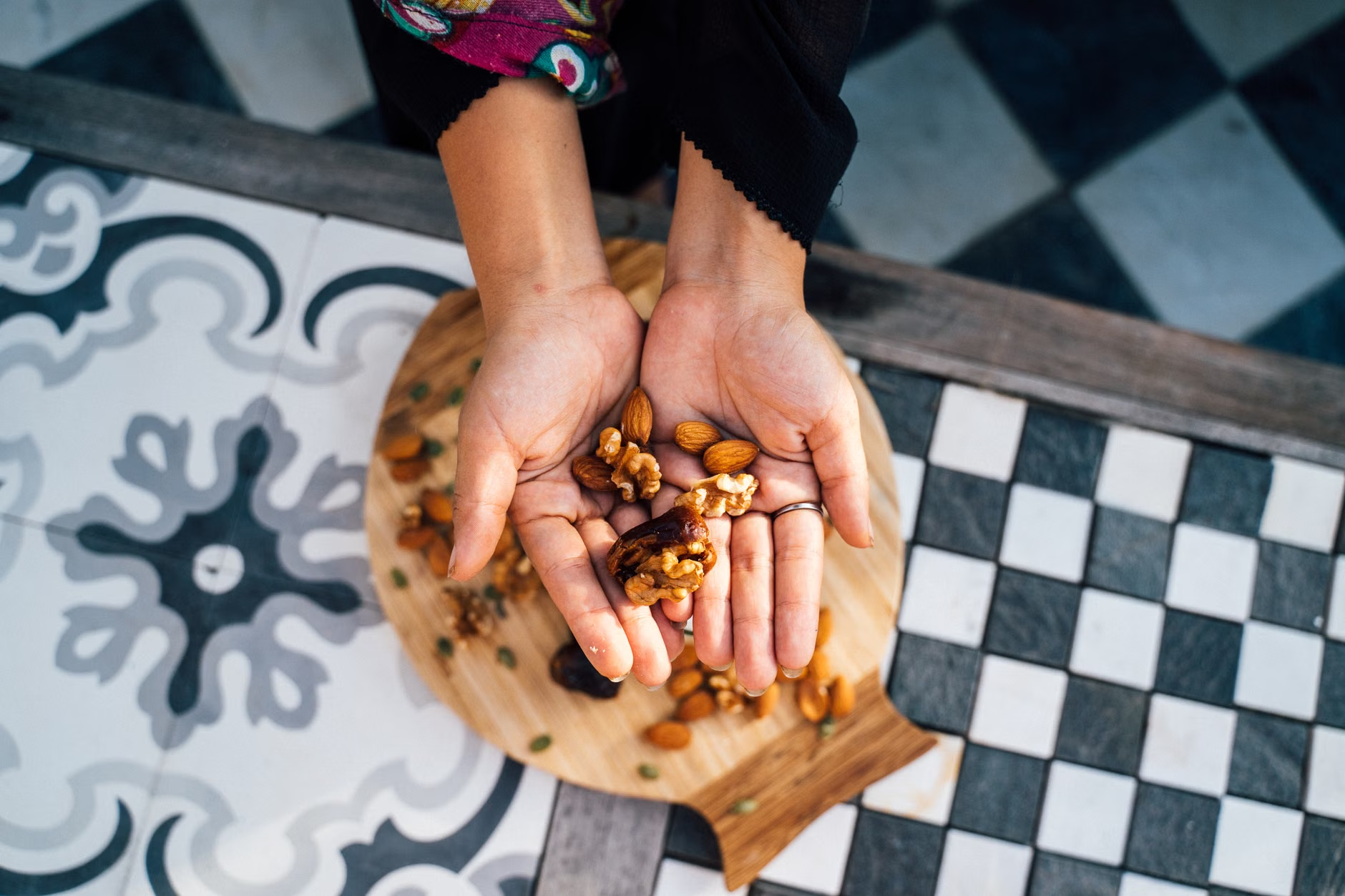
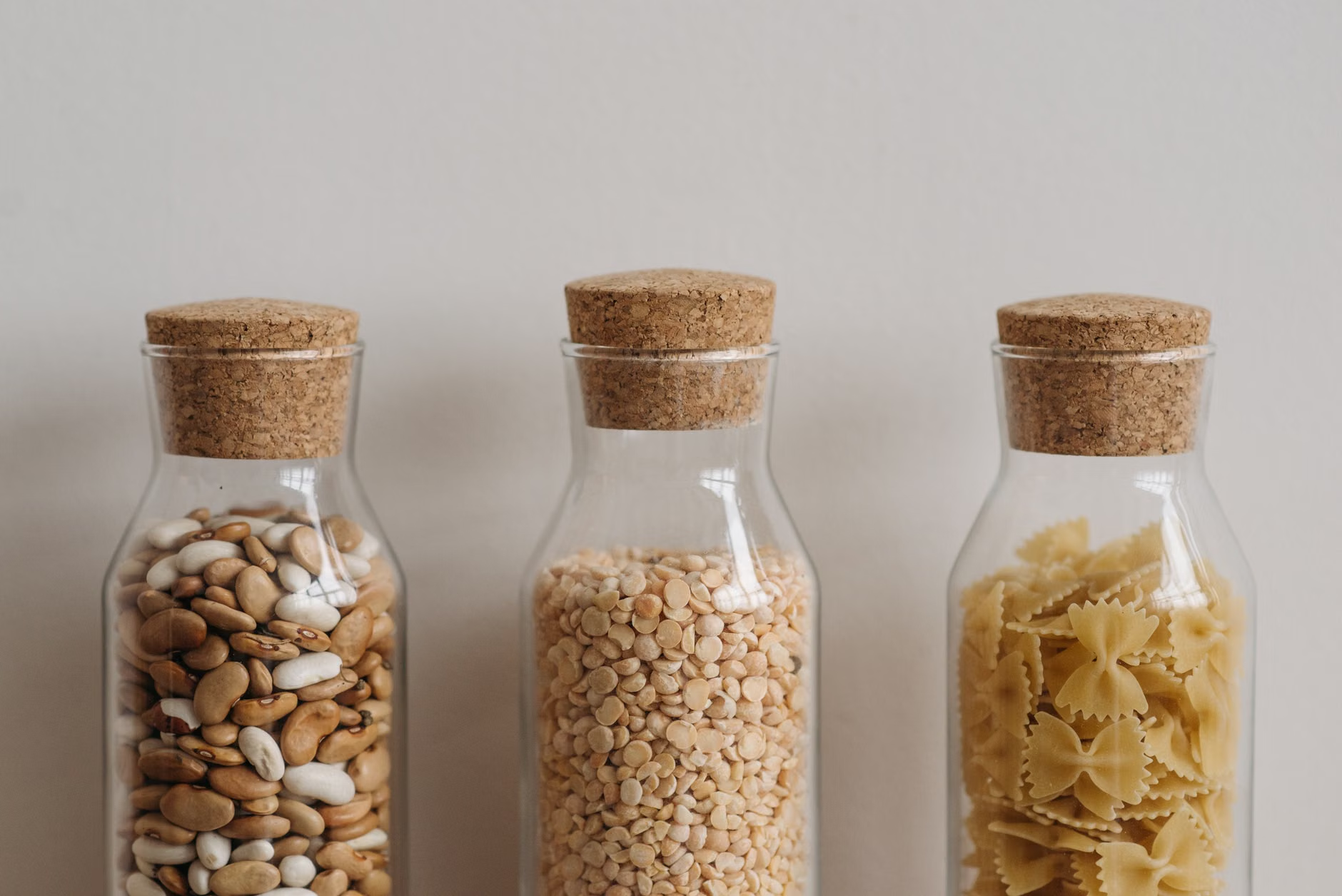
Legumes—including chickpeas, lentils, and kidney beans—are not only high in manganese but also provide fiber and plant-based protein. Similarly, a handful of almonds or walnuts acts as a nutrient-dense snack that contributes to your manganese pool.
3. Dark Leafy Greens
Vegetables like spinach and kale are nutritional powerhouses. While you would need to eat larger quantities to reach your manganese target through greens alone, they provide essential synergy with other vitamins and minerals that support bone health.
Practical Meal Integration Strategy
To ensure you are getting enough, try the “one-per-meal” approach:
- Breakfast: Add a half-cup of oats or a sprinkle of flaxseeds to your yogurt.
- Lunch: Include a side of lentils or a bean-based salad.
- Dinner: Use brown rice or quinoa as your base grain instead of pasta or white rice.
The Risks of Over-Supplementation
In the world of nutrition, more is not always better. This is especially true for manganese. While toxicity from food is virtually unheard of, toxicity from high-dose supplements is a genuine concern, particularly for seniors.
Excessive manganese intake—usually through unregulated or high-dose supplements—can lead to neurological issues. Because the liver is responsible for excreting excess manganese, individuals with compromised liver function are at higher risk. Furthermore, high levels of manganese can interfere with the body’s absorption of iron.
Recommendation: Unless a doctor has identified a specific deficiency through blood testing and prescribed a supplement, avoid taking standalone manganese pills. Relying on whole foods ensures you get the mineral in a form your body can regulate effectively, accompanied by other beneficial compounds like fiber and antioxidants.
If you are concerned about your bone density or metabolic health, your first step should be to consult with your primary care physician or a registered dietitian. Do not self-diagnose or start high-dose mineral therapy based on internet research.
Preparing for Your Visit
When discussing your nutrition, bring the following to your appointment:
- A 3-day food diary: Write down everything you eat and drink to give your doctor an accurate picture of your intake.
- Current medication list: Some medications can interact with mineral absorption.
- Specific questions: Ask, “Based on my current bone density scans, is my nutritional intake supporting my bone health?” or “Do my current blood sugar levels suggest I need to change my dietary approach?”
Common Misconceptions
A common misconception is that “superfoods” are required to get enough manganese. The reality is that everyday, affordable staples like beans, brown rice, and oats are the most effective sources. There is no need to purchase expensive, exotic supplements or powders to maintain adequate manganese levels.
Another misconception is that manganese directly “cures” osteoporosis. It does not. It is merely a helper mineral. Bone health relies on a complex interplay of weight-bearing exercise, adequate protein, calcium, vitamin D, and hormonal health. Manganese is a supporting player, not a solo act.
Long-term Lifestyle Habits
Beyond diet, your lifestyle habits dictate how well your body utilizes the nutrients you consume. For metabolic health, consistent, moderate physical activity—such as daily walking—helps your body process glucose more efficiently, regardless of your manganese intake. For bone health, weight-bearing exercises are essential to signal to the body that it needs to maintain bone density.
Think of manganese as the fuel for the engine. Your activity level is the driver. Both are necessary to keep the vehicle of your body running smoothly through your 60s, 70s, and beyond.
Conclusion
Manganese is a quiet but essential participant in your long-term health. By focusing on a diet rich in whole grains, legumes, and nuts, you can easily meet your body’s needs without the risks associated with supplementation. Prioritize natural food sources, maintain regular check-ups with your healthcare provider, and focus on balanced daily habits to support your metabolic and skeletal well-being.
Frequently Asked Questions (FAQ)
1. Can I get too much manganese from eating too many nuts and grains?
It is extremely unlikely to reach toxic levels of manganese through a normal, varied diet. The body has efficient mechanisms to regulate the absorption and excretion of manganese obtained from whole foods. Toxicity is almost exclusively associated with high-dose, isolated supplements or extreme industrial exposure.
2. Does cooking affect the manganese content of food?
Manganese is a mineral, meaning it is heat-stable. While some water-soluble vitamins may be lost when boiling vegetables, the manganese content remains largely intact. Steaming or roasting your vegetables and grains is an excellent way to retain both the mineral content and other nutrients.
3. Should I take a multivitamin that includes manganese?
Many standard multivitamins contain a small amount of manganese, typically well within safe limits. If you choose to take a multivitamin, check the label to ensure it does not exceed the daily value significantly. However, if your diet is already rich in whole foods, a multivitamin may not be necessary. Always review your supplement list with your doctor to ensure there are no interactions with your current medications.
Official guidance on nutrient intake can be found at the National Institutes of Health Office of Dietary Supplements.