- Prioritize Non-Slip Safety: The most critical item for any spa trip is specialized footwear with superior grip to prevent falls on wet, slick surfaces.
- Thermal Regulation is Key: Seniors should pack in layers and prioritize hydration to manage body temperature changes between hot pools and cool air.
- Accessibility Planning: Always verify the facility’s specific accessibility features—such as pool hoists, sloped entries, and grab bars—before booking your visit.
Preparing for a thermal spa day requires more than just a swimsuit and a towel. For adults aged 60 to 80, the experience must be balanced between the physical benefits of hydrotherapy and the practical realities of mobility, thermal regulation, and stamina. A well-packed bag is your first line of defense against fatigue and safety hazards.
1. The Foundation of Safety: Essential Footwear and Gear
The transition from a dry locker room to a wet, tiled pool area is the most frequent site of slips and falls in spa environments. While many facilities provide basic mats, these are often insufficient for those with balance concerns.
Selecting the Right Footwear
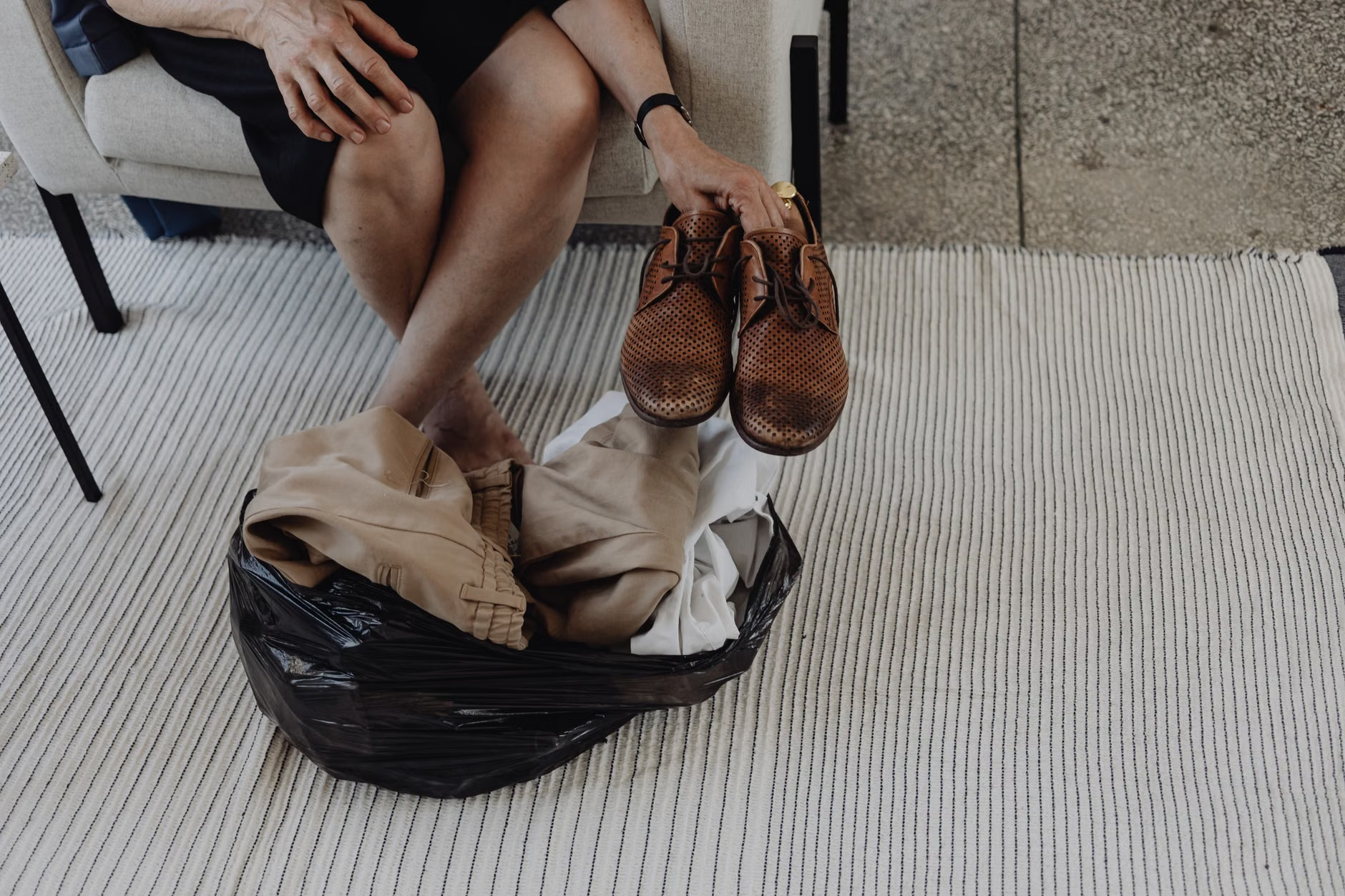
Do not rely on standard flip-flops, which often provide poor arch support and slide easily on wet surfaces. Instead, look for water shoes with non-slip rubber outsoles and a secure heel strap. These provide stability when walking on slick tiles and protect your feet from rough surfaces or hot pool edges.
The “Two-Towel” Rule
Most people pack one towel, but for a senior, two are essential. Use the first for drying off immediately upon exiting the water to prevent rapid heat loss. The second should be a clean, dry towel kept in your locker to use after your final shower. This prevents the discomfort of putting on clothes while slightly damp, which can lead to shivering and unnecessary strain on your muscles.
2. Managing Thermal Regulation and Hydration
Hydrotherapy can be physically demanding. The heat of the water causes vasodilation, which lowers blood pressure. When you exit the pool, your body must work quickly to regulate its temperature, which can lead to dizziness or lightheadedness.
Hydration Strategy
Dehydration is a subtle but significant risk in thermal spas. Because you are submerged in warm water, you may not realize how much fluid you are losing through perspiration. Carry an insulated, easy-to-grip water bottle. Electrolyte-enhanced water is often better than plain water for maintaining mineral balance after prolonged heat exposure.
Temperature Management
Pack a lightweight, absorbent bathrobe. It serves as a critical buffer between the hot water and the ambient temperature of the facility. If you are prone to feeling cold, a robe made of microfiber is lightweight enough to carry but provides excellent insulation. Always have a pair of warm socks ready for the moment you finish your session; keeping your extremities warm helps your core temperature stabilize more effectively.
Not all “accessible” spas are created equal. A facility might be wheelchair accessible at the front desk but lack the necessary equipment to enter the water safely. Before you pack, perform a “pre-visit audit” by calling the facility or checking their official website for these specific details:
| Feature | Why it Matters | What to Look For |
|---|---|---|
| Entry Method | Reduces strain on joints | Look for sloped beach entries or pool hoists. |
| Grab Bars | Provides stability | Ensure bars exist at all entry/exit points and in showers. |
| Locker Proximity | Conserves energy | Ask if there are “accessible” lockers near the pool deck. |
| Seating | Prevents overexertion | Look for underwater benches or poolside chairs. |
If you have specific mobility needs, request a locker as close to the pool entrance as possible to minimize walking distances. If the facility is large, ask if they provide a wheelchair-accessible path that avoids stairs or steep ramps.
4. Managing Medication and Personal Care
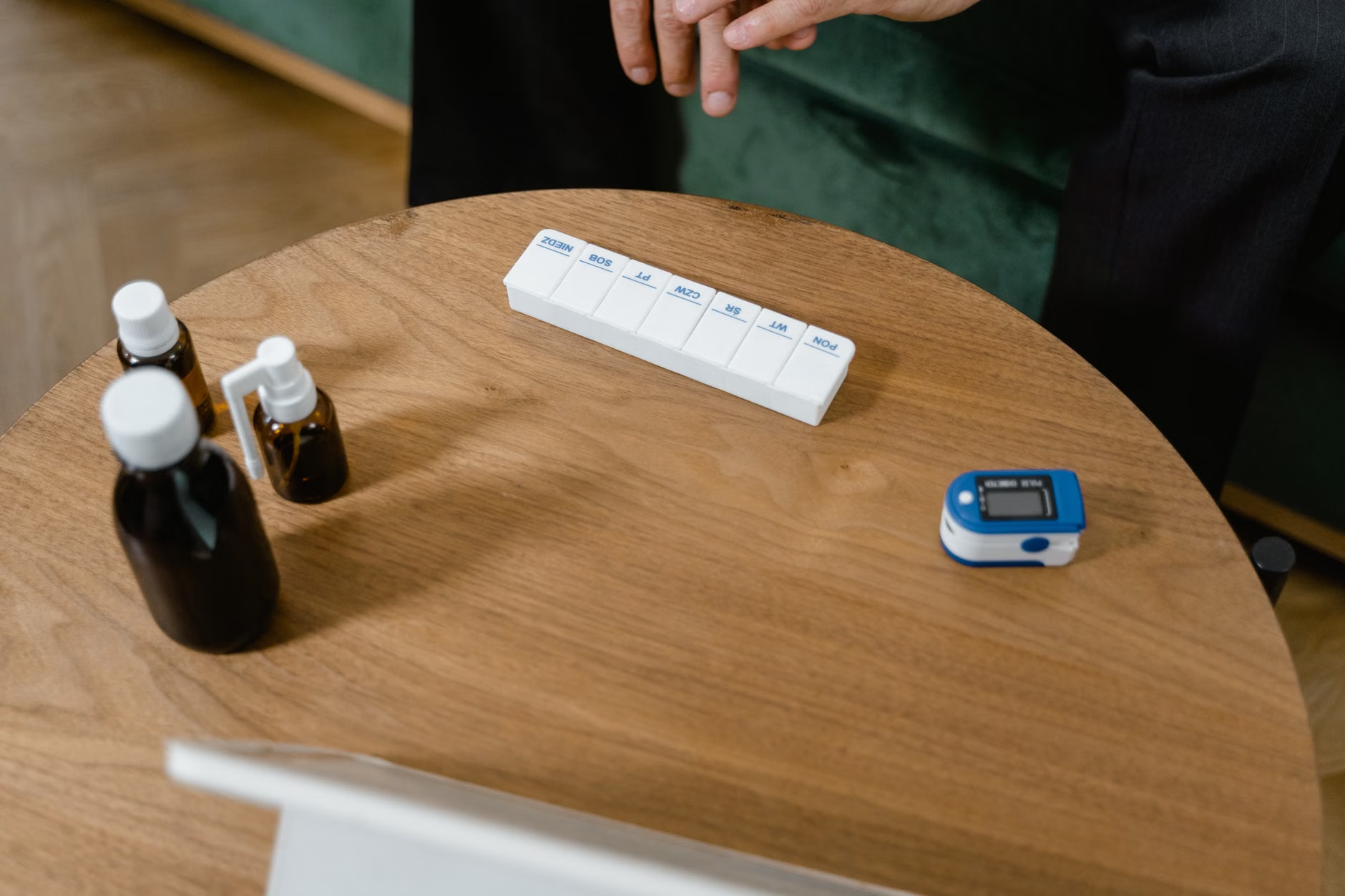
For those on daily medications, a spa trip can disrupt your routine. Pack your medications in a small, waterproof, and clearly labeled container. Keep this in your personal locker, not in the car, so you have access to them at the correct time.
The “Stamina Budget”
Treat your spa day like a physical workout. Plan for “recovery windows.” If you spend 20 minutes in a hot pool, spend at least 15 minutes resting on a lounge chair before moving to the next activity. Common mistakes include trying to visit every pool in a large complex. Instead, pick two pools and spend the rest of your time in the relaxation lounge. This approach ensures you leave the facility feeling refreshed rather than exhausted.
5. Creating Your Packing Checklist
To ensure nothing is forgotten, use this structured checklist. Keep this list on your phone or printed in your bag.
- Safety Items: Non-slip water shoes, a robe, and a small bag for wet items.
- Hydration/Health: Electrolyte drink, water bottle, medication organizer, and a small snack (like nuts or fruit) to maintain blood sugar.
- Comfort: A second dry towel, clean change of clothes, and a plastic bag for damp swimwear.
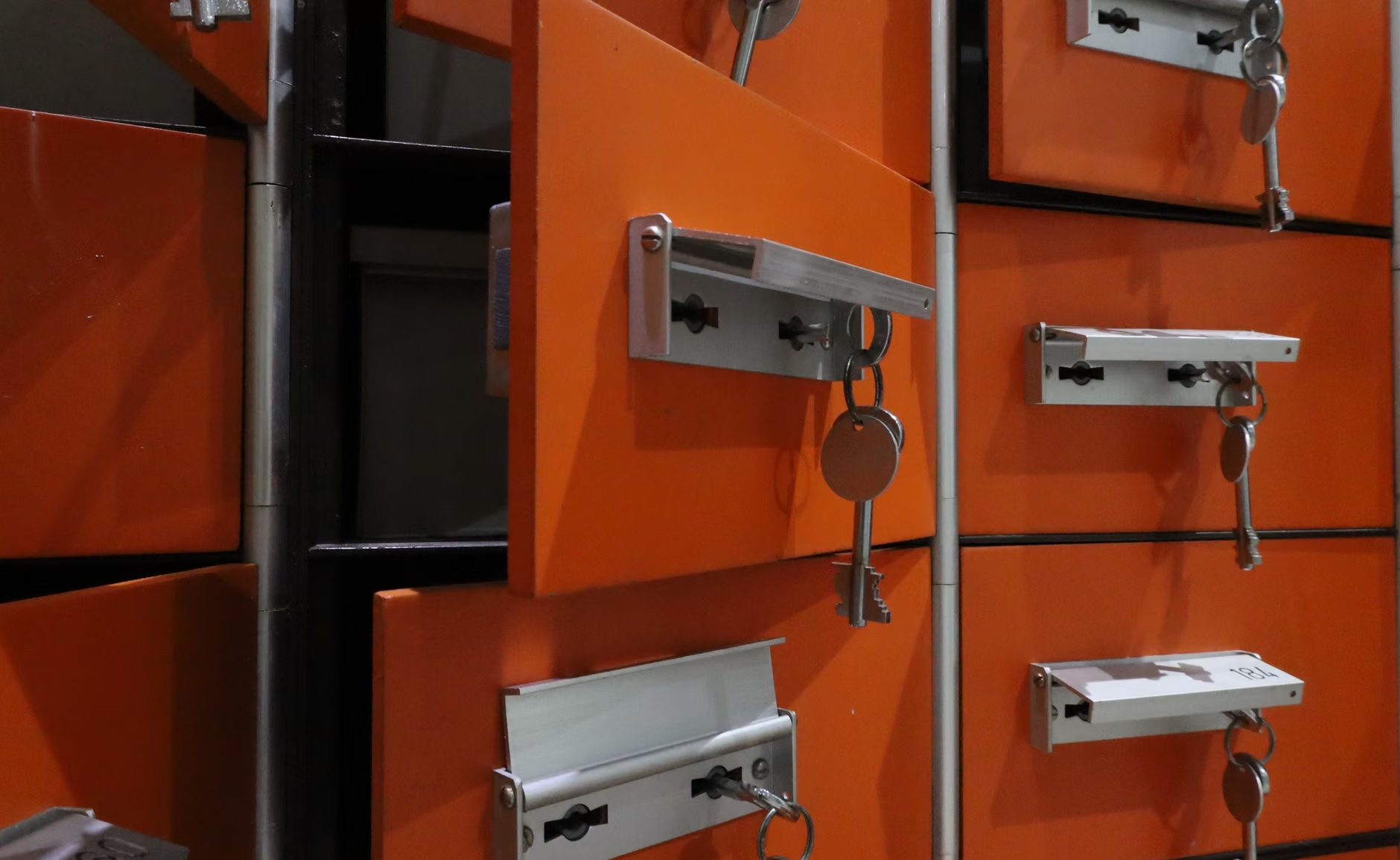
- Digital/Logistics: A waterproof pouch for your phone or locker key, and a printed copy of your booking confirmation.
6. Insights for a Smooth Experience
One often overlooked variable is the “humidity factor.” Spa areas are inherently humid, which can make it difficult for some individuals to breathe comfortably if they have respiratory sensitivities. If this is a concern, seek out facilities with high ceilings and good air circulation systems rather than enclosed, steam-heavy environments.
Additionally, consider the timing of your visit. Mid-week, mid-morning sessions are generally less crowded. This allows you to move at your own pace without feeling pressured by younger, faster-moving crowds, and it often results in cleaner water and more available seating in the relaxation areas.
Finally, always prioritize your own comfort over the “spa itinerary.” If a pool looks too crowded or the water temperature feels too intense, do not feel obligated to enter. The benefit of the trip is the relaxation and the healing properties of the minerals, not the completion of a checklist.
Conclusion: The Value of Preparation
A successful spa trip for an older adult is defined by the absence of unnecessary friction. By focusing on non-slip safety, managing your thermal regulation, and confirming accessibility features in advance, you transform a potentially stressful outing into a rejuvenating experience. Remember that your stamina is your most valuable resource; pace yourself, hydrate frequently, and prioritize the facilities that offer the most support for your specific mobility needs.
For further information on senior travel safety, you can consult resources such as the CDC’s travel health guidance for older adults, which provides broader advice on staying healthy while away from home.
Frequently Asked Questions
1. Is it safe to use a sauna or steam room as a senior?
While many seniors enjoy saunas, they can significantly increase your heart rate and lower blood pressure. It is essential to start with very short sessions (5 minutes or less) and exit immediately if you feel dizzy or lightheaded. Always check with your primary care physician if you have any history of cardiovascular issues before subjecting your body to high heat.
2. How can I find out if a spa has a pool lift?
Most modern, accessible spas list their accessibility features on their “About” or “Facilities” page. If the information is not clear, do not hesitate to call the reception desk directly. Ask specifically: “Do you have a mechanical lift for pool entry, and is it currently in working order?” Facilities that cater to seniors or those with physical disabilities will be happy to provide this information.
3. What should I do if I feel dizzy while in the water?
If you feel dizzy, exit the water immediately. Do not try to walk to your locker; find the nearest bench, sit down, and drink some water. Allow your body temperature to return to normal before attempting to walk to the shower or changing area. If the dizziness persists, signal a lifeguard or staff member immediately for assistance.
Note: This article is for informational purposes and does not replace professional medical advice. Always consult with your healthcare provider regarding your individual health status before starting any new physical activity or visiting a thermal spa.