Seated ankle dorsiflexion is one of the most effective, low-impact movements you can perform to support healthy blood flow in your lower legs, particularly during long periods of sitting.
- Dorsiflexion acts as a “second heart” for your lower legs, helping to pump venous blood back toward the heart against gravity.
- Consistency is more important than intensity; performing this movement for 1–2 minutes every hour of sitting is more effective than a single long session.
- If you experience persistent swelling, sharp pain, or skin discoloration, these are signals to consult a healthcare professional rather than relying solely on movement.
Understanding the Role of the Calf Muscle Pump
To understand why ankle dorsiflexion matters, we must look at how blood travels through the body. Arterial blood is pumped by the heart to your extremities. However, venous blood—the deoxygenated blood returning to your heart—must travel upward from your feet against the force of gravity. In the lower limbs, this process relies heavily on the “calf muscle pump.”
Every time you flex your ankle (dorsiflexion), the calf muscle contracts and compresses the deep veins in your leg. This compression acts like a squeeze on a tube of toothpaste, pushing the blood upward. Because veins contain one-way valves, the blood is prevented from flowing back down when the muscle relaxes. When we sit for extended periods, this natural pump is inactive, which can lead to blood pooling, feelings of heaviness, or minor swelling in the ankles.
For adults aged 60 to 80, maintaining this circulation is essential not just for comfort, but for long-term vascular health. Sedentary behavior, whether while watching television, traveling by plane, or sitting at a desk, reduces this activity. By consciously performing dorsiflexion, you are manually activating that pump, ensuring that your circulatory system continues to function efficiently even when you are not walking.
The Mechanics of Proper Dorsiflexion
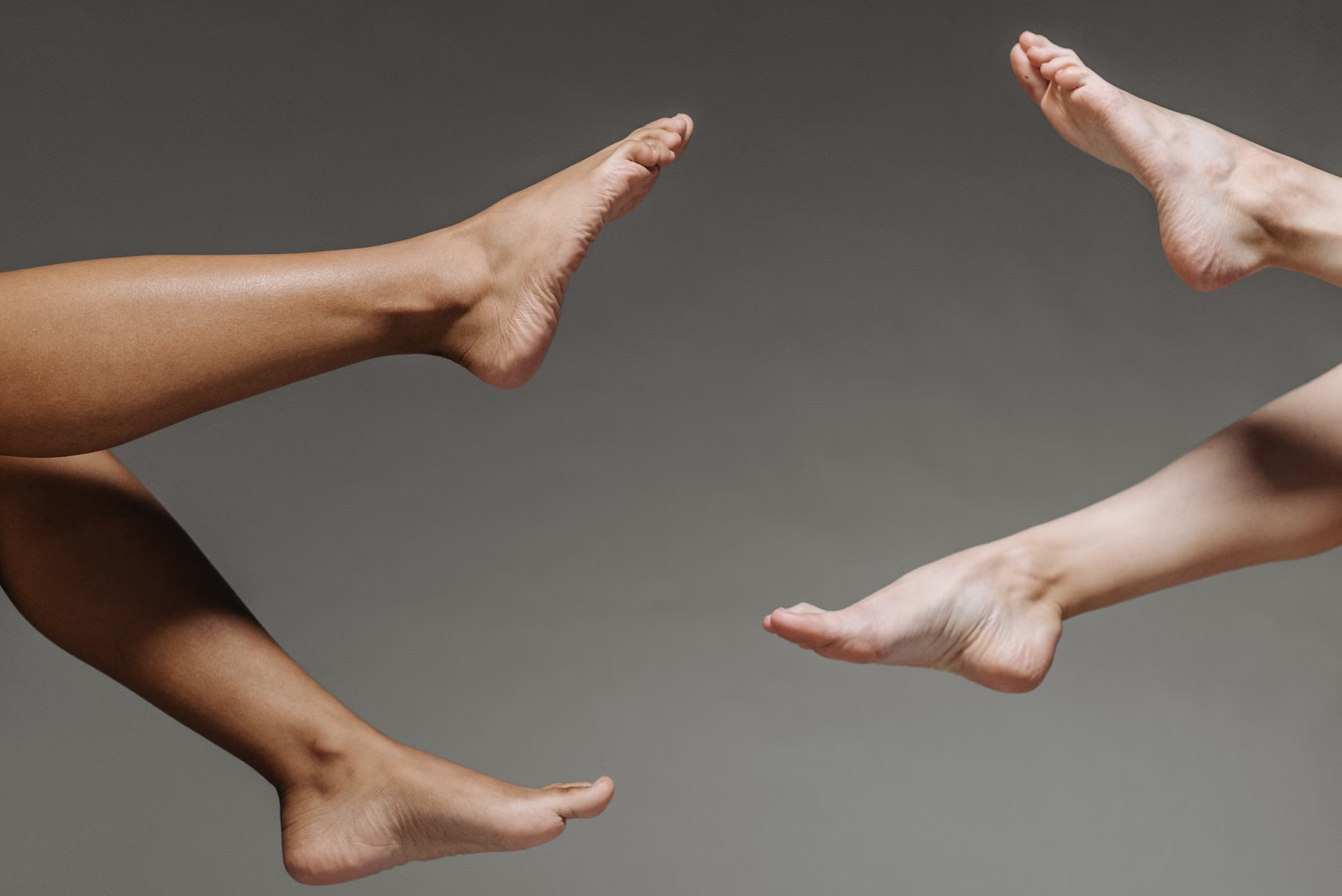
Dorsiflexion is the movement of pulling your toes and the top of your foot toward your shin. It is a simple movement, but performing it with intention makes a significant difference in muscle activation.
Step-by-Step Execution
- Positioning: Sit in a stable chair with your feet flat on the floor. Ensure your back is supported and your knees are bent at a comfortable 90-degree angle.
- The Lift: Keeping your heels firmly planted on the ground, lift your toes and the ball of your foot as high as they will comfortably go toward your shin.
- The Pause: Hold the position for one second at the top of the movement. You should feel a slight tension in the front of your lower leg (the tibialis anterior muscle).
- The Release: Slowly lower your foot back to the floor.
- The Full Cycle: Repeat this 15 to 20 times for each foot. You can alternate feet or perform them simultaneously.
Common Mistake: Many people perform this exercise too quickly, using momentum rather than muscle control. The benefit comes from the sustained contraction. If you find yourself rushing, slow your count to a “three-second lift, one-second hold, two-second release” rhythm.
Integrating Movement into Daily Routines
The greatest barrier to better circulation is not the difficulty of the exercise, but the tendency to forget to do it. You do not need a special gym outfit or a dedicated “exercise time.” Instead, integrate this movement into activities you already perform daily.
| Activity | Strategy |
|---|---|
| Watching Television | Perform 20 repetitions during every commercial break or every 30 minutes of a program. |
| Long-Distance Travel | Perform 10 repetitions every hour while sitting on a plane, train, or bus. |
| Reading or Hobbies | Place a sticky note on your book or desk as a visual cue to perform one set every time you turn a page or finish a task. |
Distinguishing Between Circulation Support and Medical Symptoms
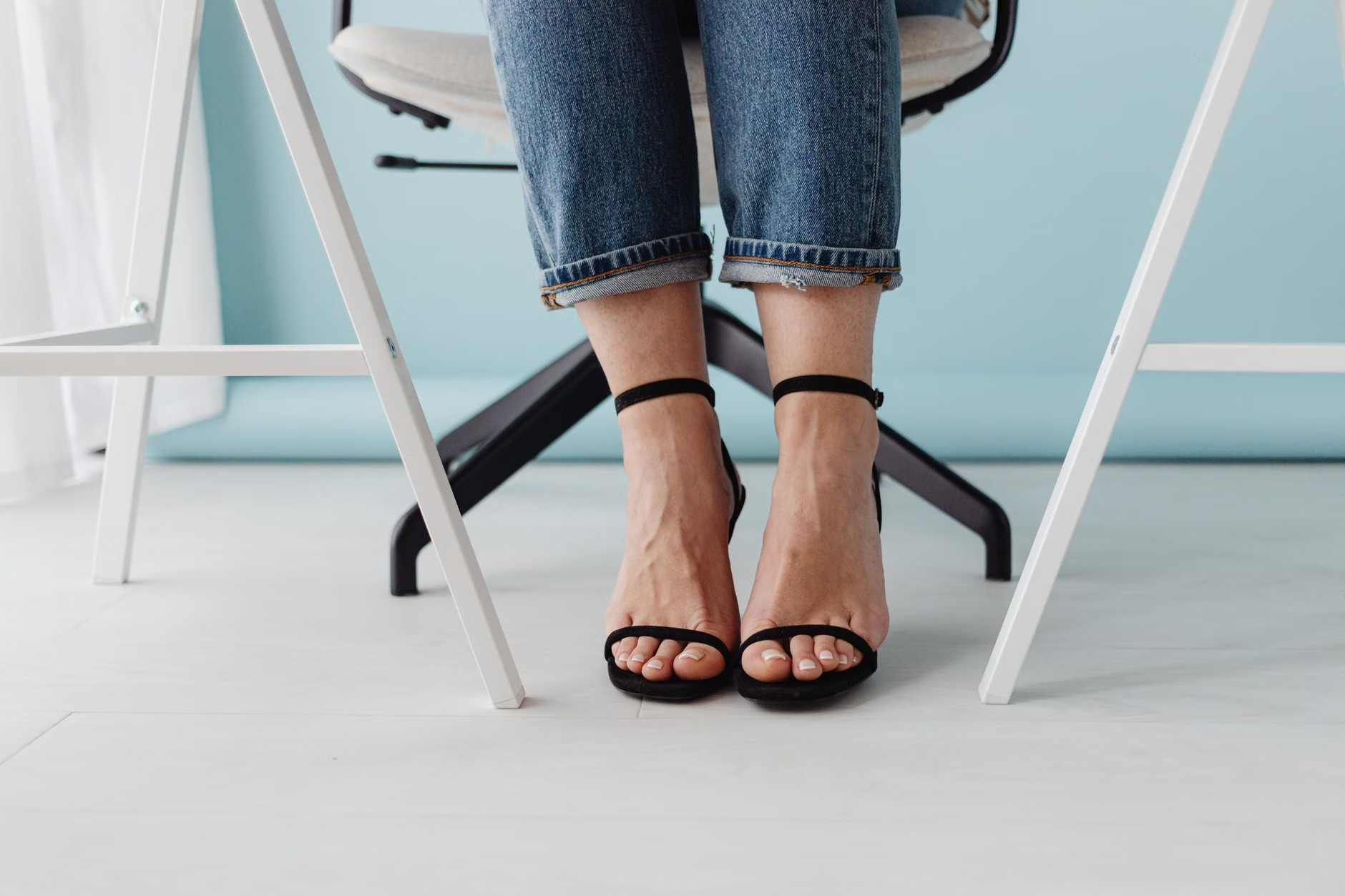
It is vital to distinguish between normal physiological responses to inactivity and symptoms that require professional medical evaluation. While seated dorsiflexion is a safe and effective way to manage minor discomfort, it is not a cure-all for underlying vascular conditions.
When to see a doctor:
- Asymmetry: If you notice significant swelling in one leg but not the other, this is a red flag that requires immediate attention, as it may indicate a blood clot (Deep Vein Thrombosis).
- Persistent Discoloration: If your skin appears reddish, brownish, or pale and does not return to its normal color after moving, consult a healthcare provider.
- Pain upon movement: If the exercise itself causes sharp, stabbing pain rather than a mild stretching sensation, stop immediately and seek advice.
For those with pre-existing conditions like peripheral artery disease or chronic venous insufficiency, movement is often part of a broader treatment plan. However, you should confirm with your vascular specialist that your specific range of motion is safe for your condition.
Advanced Variations for Improved Mobility
Once you are comfortable with basic seated dorsiflexion, you can introduce variations to engage different muscle groups and improve overall ankle mobility. These variations are particularly helpful for maintaining balance, as ankle flexibility is a primary factor in preventing trips and falls.
1. Ankle Circles
After finishing a set of dorsiflexion, keep your foot slightly off the ground and rotate your ankle in a slow, circular motion. Do 10 circles clockwise, followed by 10 circles counter-clockwise. This engages the lateral muscles and improves ankle stability.
2. Toe Spreading
While in the dorsiflexed position (toes pointed up), try to spread your toes as wide as you can. This engages the intrinsic muscles of the foot, which are often neglected in standard footwear. Strengthening these muscles can improve your base of support when standing.
The Role of Footwear and Environment
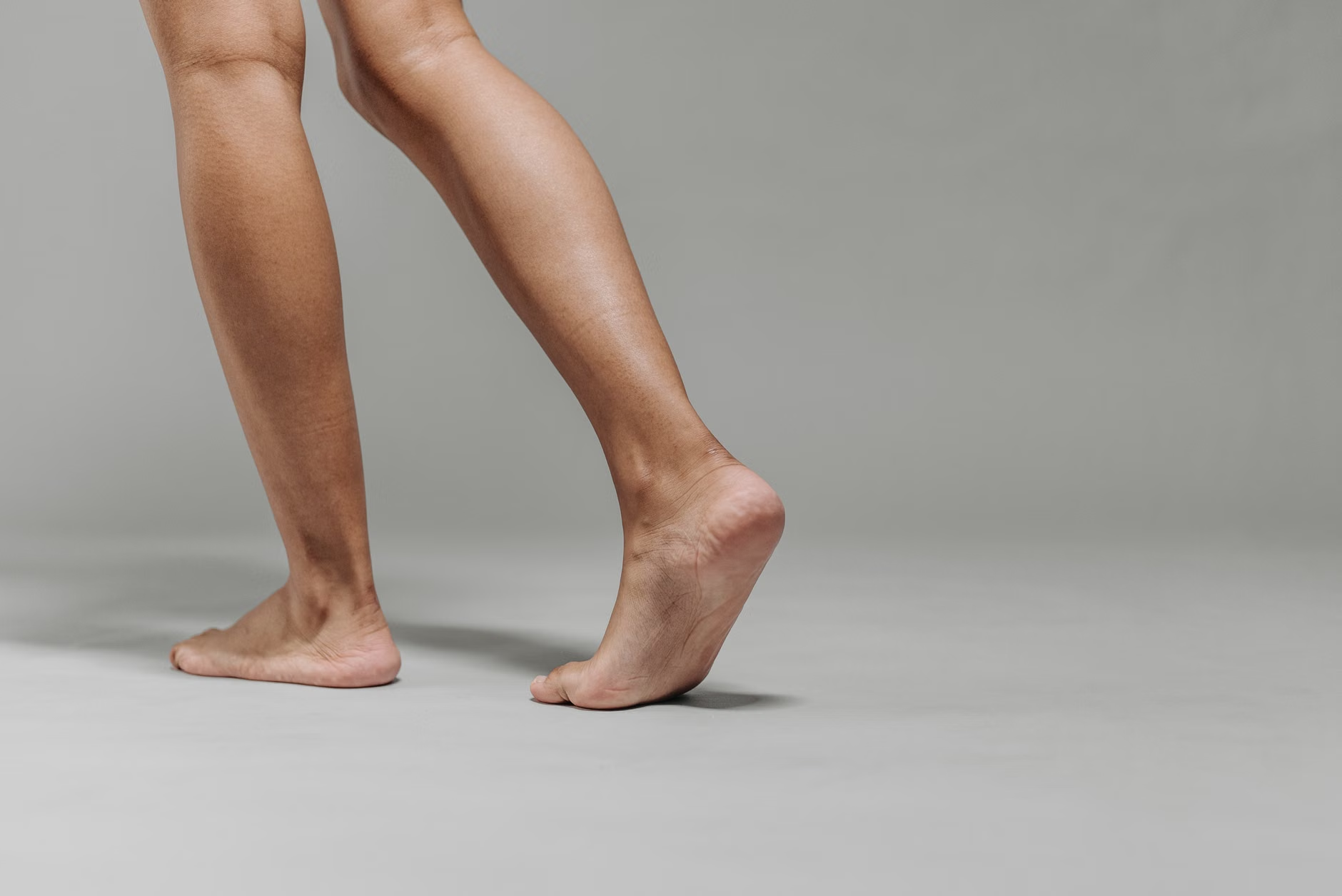
Even when sitting, your environment plays a role in how well your circulation responds to movement. If you are wearing restrictive footwear—such as tight dress shoes or boots—the effectiveness of your ankle pump is physically limited. The compression of the shoe can inhibit the natural expansion of the muscle during the exercise.
Practical Tip: If you are on a long flight or a long car journey, consider slipping off your shoes or loosening the laces significantly. This allows your feet and ankles to move through their full range of motion without restriction. If you are in a public space where removing shoes is not appropriate, ensure you are wearing footwear with a flexible sole that does not pinch the top of your foot during dorsiflexion.
Understanding the Science: Why “Movement is Medicine”
The concept of “movement is medicine” is well-supported in geriatric health literature. For the 60–80 age bracket, the goal is to maintain the functional independence of the musculoskeletal system. Research in vascular physiology consistently shows that even low-intensity, repetitive movements trigger the release of nitric oxide in the blood vessel walls. Nitric oxide helps the vessels dilate (widen), which improves blood flow and reduces the workload on the heart.
When you perform seated dorsiflexion, you are not just “moving your feet.” You are stimulating a systemic response that lowers blood pressure slightly and improves the delivery of oxygenated blood to your tissues. This is especially important for individuals who may have reduced arterial elasticity due to aging.
If you find that your lower limb discomfort persists despite regular movement, your next visit to a primary care physician or a podiatrist should be well-prepared. Being organized helps your doctor make an accurate assessment quickly.
Preparation Checklist for Your Appointment:
- Symptom Log: Keep a 3-day diary. Note when the swelling or discomfort starts, what you were doing at the time, and what (if anything) made it better.
- Medication List: Bring a list of all current medications, including over-the-counter supplements, as some medications can contribute to fluid retention.
- Specific Questions: Ask your doctor: “Is my ankle mobility sufficient for my age group?” and “Are there specific diagnostic tests, such as an ultrasound, that would help us understand my venous health better?”
The Connection Between Hydration and Circulation
An often-overlooked factor in circulation is hydration. Blood volume is heavily dependent on water intake. If you are dehydrated, your blood becomes slightly more viscous (thicker), which makes it harder for the calf muscle pump to move it efficiently. While this is not a substitute for movement, ensuring you are adequately hydrated provides the necessary fluid volume for your circulatory system to operate at its best.
For many older adults, the sensation of thirst decreases with age. Do not wait until you are thirsty to drink. Instead, keep a reusable water bottle nearby throughout the day. If you struggle with frequent bathroom trips, try to front-load your water intake in the morning and early afternoon, rather than drinking large amounts right before bed.
Summary of Daily Maintenance
To summarize, the key to better lower limb circulation is a combination of movement and awareness. Your daily habit should look like this:
- Morning: Perform 20 ankle circles and 20 dorsiflexions while sitting on the edge of your bed.
- Throughout the Day: Use the “every 30 minutes” rule to perform 15–20 dorsiflexions.
- Evening: If you have been active, elevate your legs above heart level for 10 minutes to allow gravity to assist the return of any pooled fluid.
By treating these movements as essential daily tasks—much like brushing your teeth—you are taking a proactive step in maintaining your vascular health and overall mobility. Consistency will yield the best results, transforming a simple exercise into a cornerstone of your physical wellbeing.
Frequently Asked Questions
1. How long does it take to see the benefits of seated dorsiflexion?
You may notice an immediate reduction in the feeling of “heaviness” in your legs after just one session. However, improvements in overall vascular health and muscle tone are cumulative and typically become noticeable after two to four weeks of consistent daily practice.
2. Can I do this exercise if I have arthritis in my ankles?
Yes, but you should prioritize pain-free movement. If you have arthritis, focus on the quality of the movement rather than the range of motion. Even a small, gentle lift is beneficial. If the movement causes sharp pain, reduce the range and consult a physical therapist who can provide modifications tailored to your specific joint condition.
3. Are there any risks to overdoing this exercise?
Seated dorsiflexion is a low-risk, low-impact exercise. It is very difficult to “overdo” it in a way that causes injury. However, if you perform it for hours on end without rest, you may experience muscle fatigue in the front of your shin. If you feel muscle cramping, stop, gently massage the area, and allow the muscle to recover before starting again.
Official guidance on physical activity for older adults can be found through resources such as the World Health Organization Guidelines on Physical Activity and Sedentary Behaviour.