- Cognitive Engagement: Genealogy functions as a complex puzzle that enhances executive function, memory, and analytical reasoning through pattern recognition and information synthesis.
- Social Connectivity: Investigating family history acts as a bridge for intergenerational communication, providing a shared narrative that strengthens family bonds.
- Digital Literacy: Mastering genealogy platforms builds practical technical skills, including database navigation, document management, and secure online research.
Introduction: The Intersection of History and Mental Fitness
Engaging in digital genealogy is far more than an exercise in nostalgia; it is a rigorous cognitive workout that challenges the brain in ways similar to learning a new language or mastering a complex instrument. For adults aged 60 to 80, the process of researching, verifying, and organizing family history requires a synthesis of analytical thinking, historical context, and technical navigation. By transitioning from passive reminiscence to active historical inquiry, you transform your personal heritage into a structured, digital project that sharpens the mind and provides a deep sense of purpose.
This article explores the cognitive benefits of digital genealogy, the practical steps to begin your journey, and how to navigate the technical landscape of modern archival research. Whether you are a novice or someone who has previously dabbled in paper records, digital genealogy offers a unique path to maintaining mental acuity while creating a lasting legacy for future generations.

The Cognitive Mechanics of Genealogy
At its core, genealogy is a multi-layered puzzle. When you sit down to research a family line, you are performing a series of high-level cognitive tasks that engage several parts of the brain simultaneously. Unlike a crossword puzzle, which has a fixed solution, genealogy is an open-ended research project that requires hypothesis testing, error checking, and logical deduction.
Executive Function and Information Synthesis
Executive function—the mental processes that enable us to plan, focus attention, remember instructions, and juggle multiple tasks—is heavily utilized in genealogy. When you encounter a discrepancy between two census records, you are forced to weigh the evidence. You ask yourself: Does this birth year align with the baptismal record? Is it possible that two people share the same name in this region? This process of cross-referencing disparate data points forces the brain to organize complex information, which is a key component in maintaining cognitive flexibility.
Improving Working Memory
Working memory is the capacity to hold and manipulate information over short periods. In genealogy, you are constantly juggling names, dates, locations, and relationships. As you follow a branch of your family tree, you must remember the context of the person you are currently researching while simultaneously keeping in mind the larger goal of the project. This “mental juggling” strengthens your ability to retain and process information, a skill that is essential for daily independent living.
Building Your Digital Foundation
To begin, you do not need expensive software or advanced computer skills. However, choosing the right platform is the first decision that will dictate the success and ease of your research. Most major genealogy platforms operate on a “freemium” model, but the core tools for building a tree are often accessible to beginners.
Selecting a Platform: A Comparison
When choosing where to host your research, consider your primary goal. Are you looking for ease of use, or are you interested in DNA-backed research? The following table compares common approaches.
| Platform Type | Best For | Technical Difficulty |
|---|---|---|
| Cloud-based Sites (e.g., Ancestry) | Broad research, access to massive record databases. | Low/Moderate |
| Dedicated Software (e.g., RootsMagic) | Privacy, full control over data, offline access. | Moderate/High |
| Collaborative Wikis (e.g., WikiTree) | Connecting with others and shared tree building. | Moderate |
Note: If you are concerned about data privacy, offline software is the preferred choice. These programs allow you to store your family tree on your own computer, ensuring that your data is not shared with third parties unless you choose to export it.

Practical Steps to Begin Your Research
Starting with too much information can be overwhelming. The most effective strategy is to work backward, starting with yourself and moving one generation at a time. This prevents the “missing link” syndrome where you lose track of the subject you are researching.
The “Five-Generation” Protocol
- Document Yourself: Start with your own birth, marriage, and residence records.
- Interview Living Relatives: Before turning to the internet, talk to the oldest members of your family. Their oral histories provide context that records often lack.
- Verify with Primary Sources: Do not rely on other people’s online trees. A primary source is a document created at the time of the event (e.g., a birth certificate or a contemporary newspaper announcement).
- Organize Digitally: Use a folder structure on your computer that mirrors your family branches (e.g., “Surname_Father_Branch” and “Surname_Mother_Branch”).
One common mistake is accepting “hints” from genealogy websites without verification. A “hint” is an algorithm’s guess. Always treat a hint as a clue rather than a fact. Verifying these clues is exactly what keeps your brain sharp and helps you avoid the common pitfalls of inaccurate family history.
The Social and Emotional Benefits
Genealogy is often viewed as a solitary hobby, but its greatest power lies in its ability to connect generations. When you share your findings with family members, you are not just reciting names and dates; you are sharing a narrative that helps younger generations understand their roots.
Bridging the Intergenerational Gap
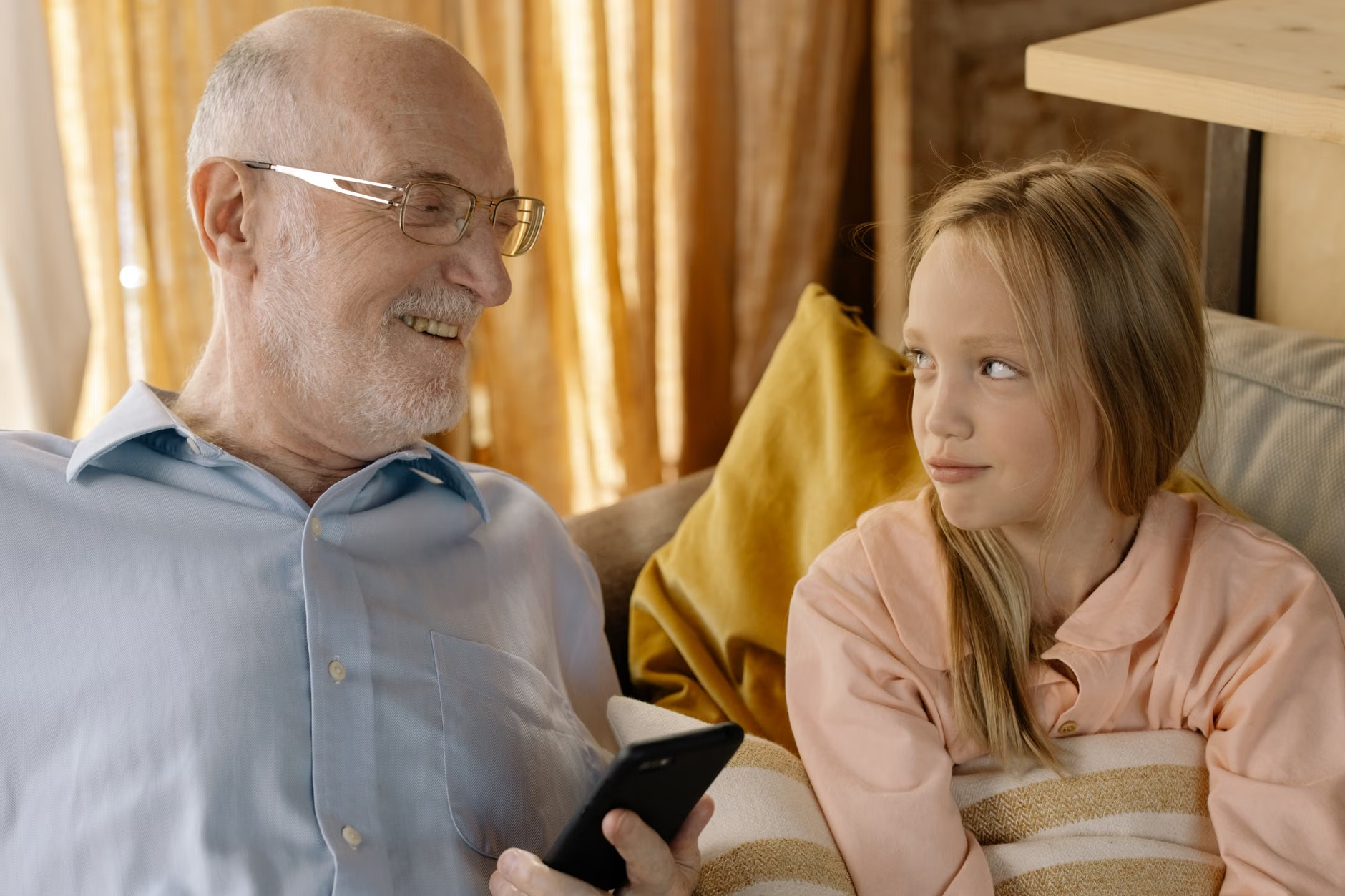
For many seniors, engaging in genealogy provides a meaningful topic of conversation with grandchildren. It moves the conversation away from daily health concerns or routine questions and toward stories of resilience, travel, and historical change. This social interaction is a vital component of emotional wellbeing. Furthermore, teaching a younger relative how to navigate a digital archive can be a rewarding way to pass on skills and foster a closer relationship.
Managing Digital Challenges and Security
For those who feel less confident with technology, the digital aspect of genealogy can seem daunting. However, the interfaces of modern genealogy websites are designed for accessibility. If you find text sizes too small, use the “Zoom” function in your browser (usually Ctrl + or Cmd + on a keyboard) to make the page content more readable without distorting the layout.
Security Best Practices
- Password Management: Use a password manager to store your login credentials. Never use the same password for your genealogy account that you use for your banking or email.
- Backup Your Data: Always keep a “local” copy of your tree. If you use a cloud-based service, ensure you export your data (usually in a standard format called GEDCOM) to your own computer once every few months.
- Privacy Settings: Most platforms allow you to keep your tree private. If you are researching living people, always set your tree to “private” to protect the privacy of your relatives.
The Role of DNA Testing: A Word of Caution
Many genealogy platforms now offer DNA testing to help find relatives. While this can be a powerful tool for breaking through “brick walls” in your research, it is important to approach it with realistic expectations. DNA testing can reveal unexpected family information that may be emotionally complex. Before purchasing a kit, consider your reasons for wanting the information and ensure you are prepared for whatever results may emerge. DNA is a biological tool, not a replacement for traditional paper-trail research.
Synthesizing Your Legacy
The final stage of the genealogical process is the synthesis of your research. This is where you move from being a collector of data to a storyteller. Compiling your findings into a digital book, a private blog, or even a simple PDF document is a highly creative act. It requires you to synthesize the facts you have gathered and present them in a coherent narrative. This creative synthesis is another layer of cognitive exercise that reinforces your memory and provides a sense of accomplishment.
When you reach this point, you are no longer just “doing genealogy.” You are curating a history that will outlast you. This shift in perspective—from individual researcher to family historian—is one of the most profound benefits of the hobby.
Conclusion: The Path Forward
The cognitive benefits of digital genealogy are clear: it provides a structured, challenging, and socially rewarding way to keep your mind engaged. By focusing on the process—the verification, the organization, and the storytelling—you ensure that your mental activity remains purposeful and productive. Start small, verify your sources, and remember that the goal is not to complete the tree, but to enjoy the process of discovery.
For further reading and to start your search, consult the following resources:
- FamilySearch.org (A free, non-profit resource for international records).
- National Archives (USA) (For guidance on federal record searching).
- The British Library (For historical resources and research guides).
Frequently Asked Questions
1. Do I need to be tech-savvy to start digital genealogy?
No. Most genealogy websites are designed for users of all skill levels. If you can browse the internet and send an email, you have the necessary skills to begin. Start by creating a free account on a major platform and follow their guided tutorials.
2. How much does it cost to build a family tree?
You can build a comprehensive tree for free using sites like FamilySearch. Costs only arise if you choose to subscribe to premium databases that provide access to exclusive digitized records, such as birth, marriage, and death certificates from specific regions.
3. What if I reach a “brick wall” where I cannot find more information?
Brick walls are common in genealogy. When you reach one, the best strategy is to take a break from that specific line and research a different branch, or revisit your existing data to see if you have missed a detail. Often, new records are added to digital archives every month, so a search that failed today may succeed in six months.