Learning how digital music evolved from the first computer-generated beeps of the 1950s to the high-fidelity streaming services of today provides a powerful cognitive workout that strengthens memory, improves technical literacy, and fosters deep intergenerational connections.
- Cognitive Resilience: Engaging with the complex history of music technology stimulates “neuroplasticity,” helping the brain build new neural pathways by connecting familiar musical memories with new technical concepts.
- Technical Confidence: Understanding the “why” behind digital formats like MP3s and streaming services reduces the frustration often associated with using modern gadgets and apps.
- Practical Engagement: Beginners can start this journey without expensive equipment by using free archival resources, documentaries, and simple software that visualizes sound.
The Science of Cognitive Joy: Why History and Music Matter for the Aging Brain
The term “cognitive joy” refers to the dopamine release and mental satisfaction we experience when we successfully synthesize new information with existing knowledge. For adults aged 60 to 80, digital music history is a uniquely effective subject for this exercise because it bridges the gap between the physical world of the past (vinyl records, cassette tapes) and the invisible digital world of the present.
When you learn about the transition from analog to digital, you are not just memorizing dates. You are engaging in associative learning. For example, when you learn that the digital “sampling” process is essentially taking thousands of tiny snapshots of a physical sound wave, your brain works to reconcile the tactile memory of a needle on a record with the abstract concept of binary code. This mental reconciliation is exactly what helps maintain cognitive flexibility.
Research into “Music-evoked Autobiographical Memories” (MEAMs) suggests that music is one of the strongest triggers for memory recall. By studying the history of how that music was made, you add a layer of intellectual curiosity to an emotional experience. This dual stimulation—emotional and intellectual—is a potent defense against cognitive decline. It moves the brain from passive consumption to active analysis.
The Great Shift: What It Means to Turn Sound into Numbers
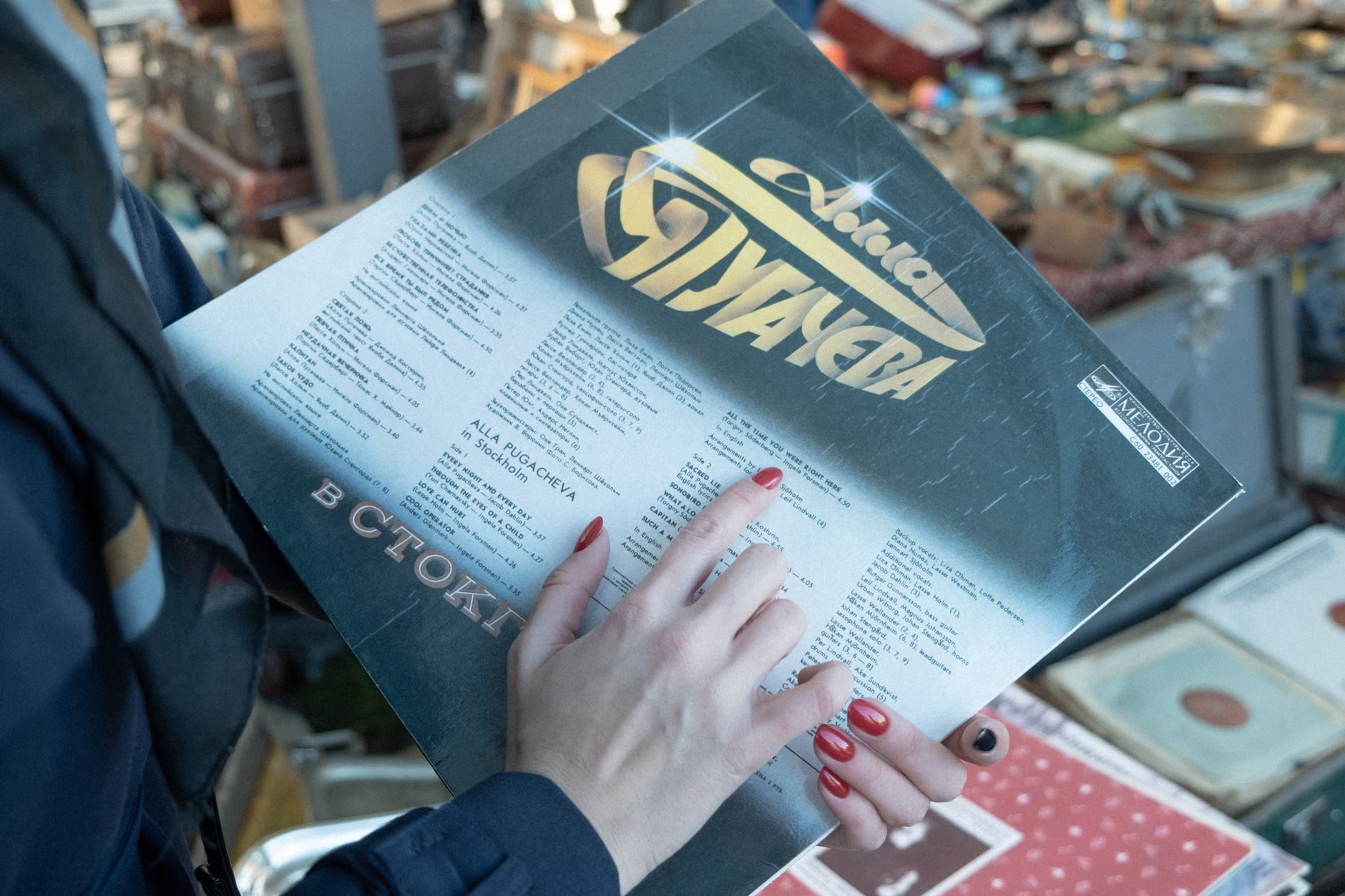
To appreciate digital music history, one must first understand what “digital” actually means in the context of sound. In the analog era, sound was recorded as a continuous physical signal. On a vinyl record, the grooves are a literal, physical representation of the sound wave. If the wave goes up, the groove moves; if the wave goes down, the groove follows.
What it is: Digital audio is the process of “sampling” that continuous wave and converting it into a series of numbers (1s and 0s). Imagine a filmstrip: a movie isn’t continuous motion; it is a series of still photos played so fast that your eye perceives motion. Digital music is the same—it is a series of “sound snapshots” played so fast that your ear perceives a continuous melody.
Why it matters: This shift changed everything about how music is stored, shared, and preserved. For a senior learner, understanding this explains why a CD sounds “cleaner” than a tape, but also why some people still prefer the “warmth” of vinyl. It isn’t just nostalgia; it is a fundamental difference in how the data reaches your ears.
| Feature | Analog (Vinyl/Tape) | Digital (CD/MP3/Streaming) |
|---|---|---|
| Storage Method | Physical grooves or magnetic particles. | Numerical data (binary code). |
| Durability | Degrades with every play; sensitive to heat/dust. | Does not degrade; can be copied perfectly. |
| Fidelity | “Warm” sound; includes natural background hiss. | “Crisp” sound; zero background noise. |
| Portability | Bulky; requires physical handling. | Highly portable; can store thousands of songs on a chip. |
Which is better for you? If you value the tactile ritual and the specific “organic” sound of your youth, analog remains a wonderful hobby. However, if you value accessibility, cost-efficiency, and ease of use, understanding the digital side allows you to enjoy a near-infinite library of music without the physical burden of heavy collections.
Key Milestones: From Mainframes to the Palm of Your Hand
The history of digital music is not a straight line; it is a series of “eureka” moments. Learning these milestones provides a chronological framework that makes modern technology feel less “magical” and more logical.
1957: The First Beep (Max Mathews)
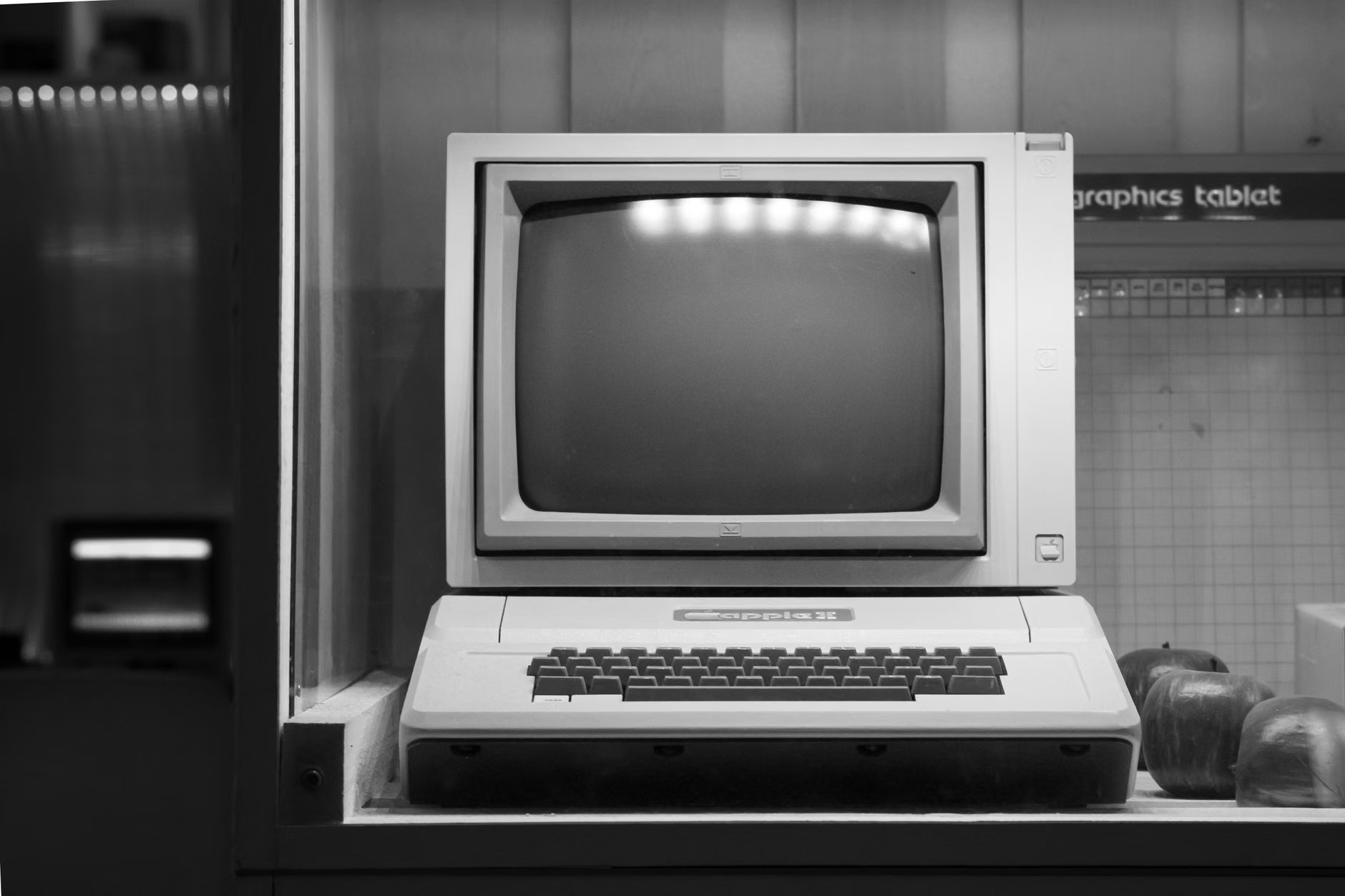
In 1957, an engineer named Max Mathews at Bell Labs wrote a program called “MUSIC.” It was the first time a computer was used to generate sound. The computer was a massive mainframe that filled a room. It took hours to process just a few seconds of sound. What the reader can do: Look up “Silver Scale” by Max Mathews on YouTube to hear what the very first computer music sounded like. It is a haunting, simple melody that marks the birth of the digital age.
1983: The MIDI Revolution
One of the most important terms in digital music is MIDI (Musical Instrument Digital Interface). In 1983, competing companies like Roland and Yamaha agreed on a universal “language” that allowed different electronic instruments to talk to each other. Real-life scenario: Think of MIDI like a digital player-piano roll. It doesn’t contain the sound; it contains the instructions (which key was pressed, how hard, and for how long). This is why a single keyboard can sound like a piano one second and a flute the next. It is simply changing the “sound engine” that reads the MIDI instructions.
The 1990s: The MP3 and the Science of “Invisible” Sound
The MP3 changed the world because it made music files small enough to send over the early internet. This was achieved through “psychoacoustics.” Scientists at the Fraunhofer Institute discovered that the human ear cannot hear certain frequencies when louder sounds are playing nearby. By stripping away these “invisible” sounds, they could shrink a music file to 10% of its original size without most people noticing. Practical decision rule: When you see “Bitrate” (like 128kbps vs 320kbps), remember that a higher number means less sound was stripped away. For the best listening experience on home speakers, aim for 320kbps or “Lossless” formats.
The Cognitive Benefits: How This Hobby Sharpens the Mind
Why choose music history over, say, learning a new language or doing crosswords? The answer lies in the multisensory nature of music technology. When you study digital music history, you are engaging several distinct brain regions:
- Temporal Lobe: Processes the actual sounds and rhythms.
- Frontal Lobe: Handles the logical planning and technical understanding of how software works.
- Parietal Lobe: Helps you visualize sound waves and spatial arrangements in a digital “mix.”
- Hippocampus: Links the new information to your long-term musical memories.
What this looks like in real life: Imagine you are learning about the “Loudness War” of the early 2000s—a period where digital mastering made music much louder but less dynamic. As you listen to a song from 1970 and compare it to a remastered version from 2005, your brain is performing a complex auditory analysis. You are training your ears to hear nuances and training your mind to categorize those differences. This is “active listening,” which has been shown to improve speech-in-noise perception—a common challenge for older adults in crowded rooms.
A Practical Guide to Starting Your Journey
You do not need a degree in computer science to enjoy this hobby. Here is a step-by-step action plan to begin exploring digital music history today.
Step 1: Visualize the Sound
The easiest way to understand digital music is to see it. Download a free “Oscilloscope” app on your smartphone or use a free website like Chrome Music Lab. When you speak or sing into the microphone, you will see the digital representation of your voice. This makes the concept of “waveforms” immediately clear and tangible.
Step 2: Curate a Historical Playlist
Use a streaming service (like Spotify, Apple Music, or YouTube) to create a “History of Sound” playlist. Include the following to hear the evolution:
- 1950s: “Music for Magnetic Tape” by Louis and Bebe Barron (The first electronic film score).
- 1960s: “Switched-On Bach” by Wendy Carlos (The first time a synthesizer became a mainstream hit).
- 1970s: Kraftwerk’s “Autobahn” (The birth of pure electronic pop).
- 1980s: Any song by Herbie Hancock from the “Future Shock” album (Early use of MIDI and digital sampling).
Step 3: Explore the Archives
Many world-class institutions offer free digital archives. The Smithsonian Institution and the British Library have extensive online exhibits on the history of recorded sound. These sites provide high-quality images of early equipment and deep-dive articles that are written for the general public, avoiding overly technical jargon.
Overcoming Common Technical Hurdles and Jargon
One of the biggest barriers for seniors is the specialized language used in digital music. Let’s demystify the most common terms you will encounter during your research.
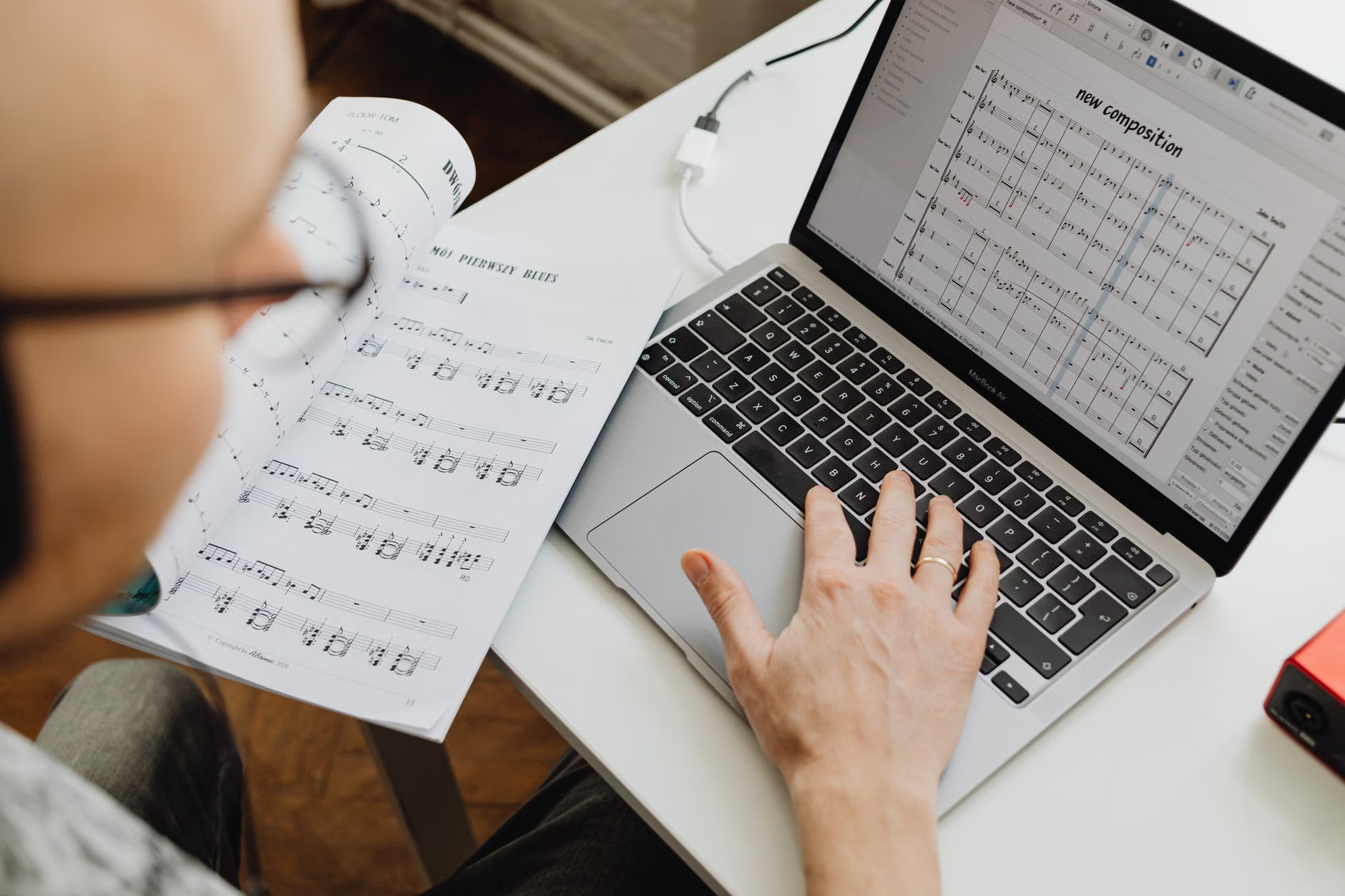
- DAW (Digital Audio Workstation): This is simply the software used to record and edit music. Think of it as “Microsoft Word for Sound.” Examples include GarageBand (free on Apple) or Audacity (free for Windows).
- Sampling Rate: This is how many “snapshots” the computer takes per second. The standard for a CD is 44,100 times per second (44.1 kHz). The takeaway: You don’t need to worry about the number, just know that anything above 44.1 kHz is generally considered “High Definition.”
- The Cloud: In music history, this refers to moving away from physical files (MP3s) to streaming. You aren’t “owning” the bits anymore; you are “renting” access to them.
The Social Benefit: Connecting Through History
Learning digital music history provides a unique “bridge” to younger generations. While a grandchild might know how to use a music app instinctively, they likely have no idea how it works or the history behind it. What you can do: Share a story about your first record player, then show them a video of the 1950s Bell Labs computers. This creates a two-way street of learning: you provide the historical context, and they can help you with the modern interface. This shared interest reduces social isolation and positions you as a “tech-savvy historian” rather than just a passive user of technology.
Decision Criteria: Which Path Should You Take?
Depending on your mobility, interest level, and technical confidence, there are different ways to pursue this hobby.
| Learning Style | Best For… | Recommended Resource |
|---|---|---|
| Visual/Passive | Low stamina; prefers relaxation. | Documentaries (e.g., “Sisters with Transistors” or “The Art of Noise”). |
| Academic/Structured | High cognitive energy; likes goals. | Free online courses (MOOCs) from sites like Coursera or EdX. |
| Hands-on/Creative | Good fine motor skills; likes “doing.” | Downloading “Audacity” and trying to record/edit a family story. |
| Social/Travel | Good mobility; likes community. | Visiting music museums (MoPOP in Seattle, Musical Museum in London). |
Insight: If you are concerned about technical frustration, start with the Visual/Passive path. Documentaries provide the “story” without requiring you to push any buttons. Once your curiosity is piqued, the technical terms will feel less intimidating when you see them in a software interface later.
Your Realistic Next Action
The joy of learning is found in the first small step, not the final mastery. Your priority for this week is to choose one song you loved in your youth and search for its “Mastering History” on YouTube or Google. For example, search for “How the Beatles’ Abbey Road was recorded.” You will discover the incredible transition from 4-track tape recorders to the digital remasters we hear today.
By understanding the journey that sound has taken, you are not just looking backward. You are actively training your brain to navigate the digital present with confidence, curiosity, and a renewed sense of wonder. The “beeps and boops” of the past were the foundation of the world we live in now—and there is immense cognitive joy in finally understanding how they all fit together.
Frequently Asked Questions
1. Do I need to buy expensive software to learn digital music history?
No. Most historical research can be done via free websites, public library resources, and YouTube. If you want to try making music, free programs like Audacity or GarageBand are more than sufficient for a beginner.
2. Is my hearing loss a barrier to enjoying this hobby?
Not necessarily. Digital music history is as much about the engineering and social impact as it is about the sound. Furthermore, many modern digital tools allow you to “see” sound through visualizers, which can be a fascinating way to engage with music even if your hearing is not as sharp as it once was.
3. Why is it called “Digital” music if I’m still hearing it with my ears?
Sound is always “analog” when it reaches your ears (it’s a physical wave of air). It is called “digital” only during the storage and processing phase. The computer converts the numbers back into physical vibrations through your speakers or headphones before you hear them.
Official Sources for Further Exploration:
– The British Library Sound Archive: https://www.bl.uk/subjects/sound
– Smithsonian Institution – Music & Musical Instruments: https://www.si.edu/explore/music
– Computer History Museum – Music and Computing: https://computerhistory.org/