- Bird-identification circles provide a structured, low-impact way to maintain cognitive sharpness through active observation and pattern recognition.
- Participating in local birding groups combats social isolation by creating shared goals and consistent, low-pressure social interaction.
- Safety and accessibility are paramount; successful participation relies on selecting terrain that matches individual mobility levels and using the right optical equipment.
Introduction: The Intersection of Nature and Community
For many adults aged 60 to 80, the search for meaningful hobbies often centers on activities that provide a balance between physical activity, mental stimulation, and social connection. Community bird-identification circles—small, local groups dedicated to observing and identifying bird species—have emerged as a premier hobby that satisfies these requirements. Unlike solitary birdwatching, which focuses on the individual’s connection to nature, the “circle” approach emphasizes collective knowledge, peer-to-peer learning, and the social fabric of the neighborhood.
This article explores why birding circles are uniquely suited for the 60+ demographic, how they impact cognitive and physical health, and how to navigate the practicalities of starting or joining one. We will move beyond the romanticized view of birdwatching to examine the concrete logistics of mobility, equipment, and group dynamics.
The Cognitive and Social Architecture of Birding Circles
Bird identification is essentially a complex pattern-recognition task. It requires the observer to synthesize multiple data points: color, size, flight patterns, beak shape, and, crucially, auditory cues. For the aging brain, this process serves as a form of “active neuroplasticity.”
Why It Matters: The Cognitive Challenge
When you participate in a birding circle, you are not just looking at a bird; you are engaging in a process of elimination. You must compare what you see against your internal database of species, often while cross-referencing with a field guide or a digital app. This active engagement helps maintain executive function and working memory. Unlike passive entertainment, birding requires sustained focus, which has been shown to support long-term cognitive health.
The social benefit of these circles is distinct from other social clubs. Because the focus is on a third party—the bird—the interaction is inherently lower pressure than direct conversation. There is a shared goal, which facilitates easier communication for those who might otherwise find small talk exhausting. In a group of four to six people, the collective effort of identifying a specific warbler or raptor fosters a sense of camaraderie that is difficult to replicate in more competitive or high-energy social settings.
Practical Logistics: Mobility and Safety
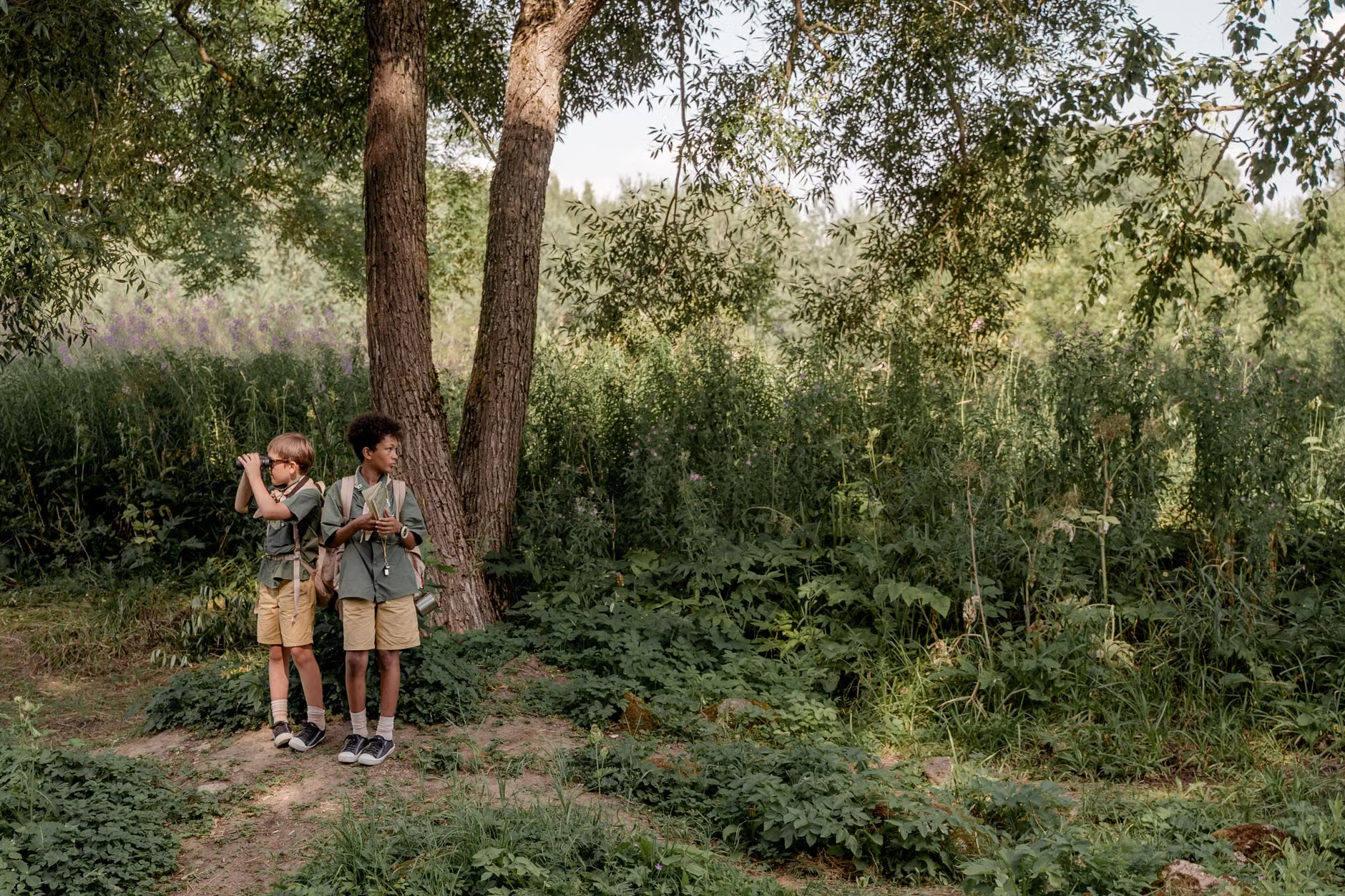
A common misconception is that birding requires trekking through dense wilderness. In reality, the most effective birding circles often occur in accessible, urban, or semi-urban green spaces. For adults aged 60-80, the choice of location is the most important factor for long-term participation.
Selecting the Right Terrain
Before committing to a group, assess the physical requirements of the proposed location. Look for:
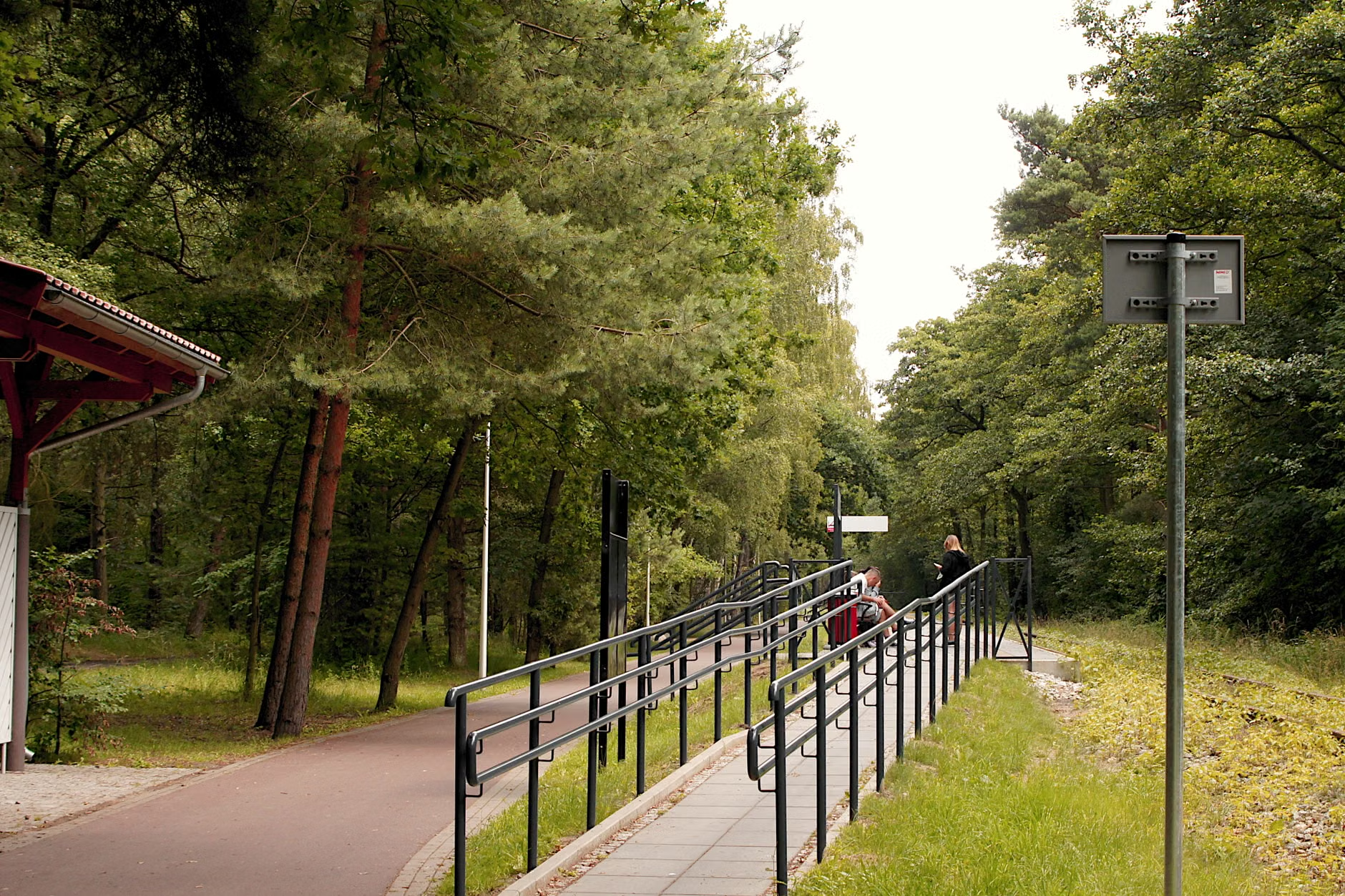
- Surface Stability: Paved paths or well-maintained gravel trails are preferable to uneven forest floors.
- Proximity to Rest: Are there benches available at regular intervals?
- Facilities: Ensure the location has accessible restrooms and is within reach of public transport or parking that does not require long walks.
Managing Stamina
Birding is often a “stop-and-start” activity. This is an advantage for those with fluctuating energy levels. If you are joining a group, clarify the expected duration. A high-quality birding circle for seniors should last no longer than 90 to 120 minutes, with frequent pauses. If you are experiencing fatigue, do not hesitate to suggest a seated observation period. Monitoring your own exertion—such as keeping your heart rate within a comfortable range and ensuring you are not over-straining to look through binoculars—is essential for injury prevention.
Equipment and Technology: Making It Accessible
The barrier to entry for birding is often perceived as high due to the cost of equipment. However, for most, a mid-range pair of binoculars is sufficient. The technical challenge is not the cost, but the usability.
Choosing Your Optics
When selecting binoculars, focus on two numbers: magnification and objective lens diameter (e.g., 8×42). For older adults, 8x magnification is generally superior to 10x because it provides a wider field of view and is easier to hold steady. A heavier pair of binoculars may cause neck strain; consider a chest harness rather than a neck strap to distribute the weight across your shoulders.
Leveraging Digital Tools
Modern technology has revolutionized birding. Apps like Merlin Bird ID (provided by the Cornell Lab of Ornithology) allow users to identify birds by their song or by uploading a photo. These tools act as a “digital mentor” for the group, reducing the pressure to memorize thousands of species. They also provide a sense of accomplishment by allowing members to track their sightings over time.

Comparison: Joining a Formal Society vs. Informal Circles
Depending on your region, you may have the choice between joining a large, formal Audubon Society chapter or forming an informal, smaller circle with friends or neighbors. Use the following table to decide which fits your needs.
| Feature | Formal Society Chapter | Informal Neighborhood Circle |
|---|---|---|
| Expertise | High (Professional guides) | Peer-led (Collective learning) |
| Pace | Structured, often faster | Flexible, self-determined |
| Social Pressure | Moderate | Low |
| Accessibility | Varies by group | Fully customizable |
For those who prefer a structured environment with educational lectures, a formal society is an excellent starting point. However, if your primary goal is social connection and you prefer a slower, more conversational pace, an informal circle is often more sustainable.
Safety and Health: A Proactive Approach
While birding is a low-impact hobby, it is not without risks. Preparation is key to ensuring that an outing remains a source of joy rather than stress.
Preparation Checklist
- Hydration and Nutrition: Always carry water and a light, high-energy snack. Dehydration can exacerbate fatigue.
- Sun and Climate Protection: Wear a wide-brimmed hat and use sunscreen. If the temperature is extreme, prioritize early morning or late afternoon sessions.
- Medication Management: If you take medications that require timing or have side effects related to heat or exertion, ensure your group is aware and that you have your medication easily accessible.
- Communication: Always inform a family member or caregiver of your intended route and the expected time of your return.
When to Consult a Professional
If you have concerns about balance or mobility, speak with a physical therapist before starting a regular outdoor hobby. They can provide specific exercises to strengthen your core and legs, making it easier to maneuver on uneven terrain. Do not view this as a limitation; view it as “training for the field.”
Deep Dive: The Hidden Nuance of “Birding Blindness”
One of the most overlooked aspects of birding is the phenomenon of “birding blindness”—the inability to see a bird that is clearly visible to others. This is not a vision issue, but a cognitive one. Your brain filters out “background noise” to focus on what it deems important. When you are new to birding, your brain does not yet know what a bird looks like in the context of a tree. It sees “leaves.”
This is why the social aspect of the circle is so critical. By having a friend point out, “Look at the branch at two o’clock, just above the knot in the wood,” they are helping you recalibrate your brain’s filter. This process of teaching and learning is a powerful form of social bonding. It reinforces the idea that we are better when we work together, a sentiment that is essential for maintaining a vibrant, active lifestyle in our 70s and 80s.
Common Misconceptions
Many people believe that to be a “real” birder, they must travel to exotic locations or possess expensive cameras. This is incorrect. The value of a birding circle lies in the familiarity of the local patch. Observing how the same birds behave across the four seasons in your local park provides a much deeper sense of place and connection than a one-time trip to a distant nature reserve. Focus on the birds that live in your zip code. Their habits, migrations, and nesting patterns are just as complex and rewarding to study as those of rare, elusive species.
Implementation: How to Start Your Own Circle
If you find that existing groups in your area are too large or move too quickly, consider starting your own. You do not need to be an expert. In fact, starting as a group of beginners is often more fun because the learning curve is shared.
- Identify 2-3 interested friends: Keep the group small to ensure everyone can hear each other.
- Select a “Home” Location: Choose a local park with a loop of no more than 1 kilometer.
- Set a Routine: Meet on the same day and time (e.g., every Tuesday morning at 9:00 AM). Consistency helps build the habit.
- Establish a “No Expert” Rule: Agree that the goal is the experience, not the accuracy of the identification. Use apps to settle debates, not experts.
Conclusion: The Lasting Impact of Connection
Bird-identification circles offer a rare combination of benefits: they keep our minds active, our bodies moving at a safe pace, and our social circles vibrant. By focusing on the shared, low-pressure discovery of the natural world, these groups provide a framework for a fulfilling and engaged life. Whether you are a seasoned naturalist or have never looked through a pair of binoculars, the path to a better hobby begins with a single step into the local park. Remember, the goal is not to count every bird in the sky, but to appreciate the ones that share your corner of the world.
Frequently Asked Questions (FAQ)
1. Do I need to be physically fit to join a birding circle?
Not necessarily. Many birding circles are designed to be low-impact. The key is to communicate your mobility needs to the group organizer and choose locations with flat, paved, or well-maintained paths. If you have any health concerns, consult your primary care physician to discuss your activity level.
2. What is the most important piece of equipment for a beginner?
A pair of 8×42 binoculars is the gold standard for beginners. The ‘8x’ magnification provides a steady, wide view, and the ’42’ lens diameter allows for good light intake, making it easier to spot birds in shaded areas. You do not need top-of-the-line equipment to have a meaningful experience.
3. How can I stay safe when birding alone or in small groups?
Always choose well-trafficked, public areas for your outings. Carry a fully charged mobile phone, let a family member know your location and expected return time, and stay mindful of your physical limits. If you feel tired or unsteady, prioritize a seated observation point over active walking.
For further information on birding and local species, you can visit the Cornell Lab of Ornithology for resources on bird identification and conservation.