- Cognitive Stimulation: Learning the complex history of digital music acts as a high-level brain exercise, improving memory, pattern recognition, and technical adaptability.
- Practical Engagement: You don’t need to be a musician to appreciate the history; using accessible software (DAWs) allows you to experience these historical shifts firsthand.
- Structured Learning: By focusing on the evolution of sound—from analog oscillators to modern cloud-based production—you create a logical framework that makes complex technology easier to master.
Engaging with the history of digital music is more than an exercise in nostalgia; it is a profound cognitive workout that bridges the gap between mechanical engineering, mathematics, and creative expression. For adults aged 60 to 80, this field offers a unique opportunity to explore how the world transitioned from the physical vibration of strings and air to the precise manipulation of binary code.
Learning this history requires understanding the “why” and “how” behind the shift from analog to digital. This process challenges your brain to categorize new information, understand complex systems, and appreciate the rapid pace of modern innovation. Whether you are a fan of classical symphonies or 1980s pop, the digital revolution changed how every note you hear is crafted.
The Foundation: Understanding the Shift from Analog to Digital
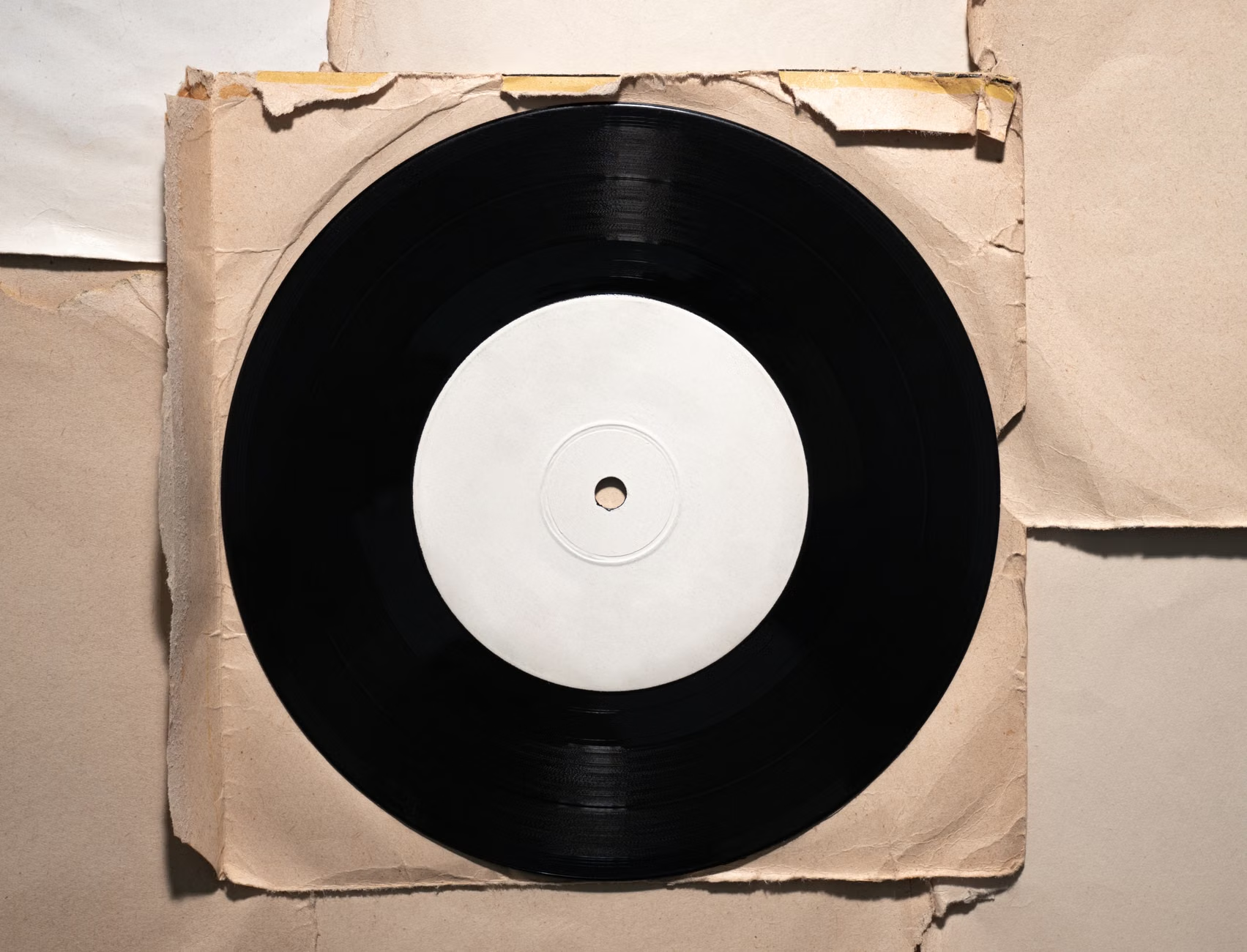
Before diving into the history, it is essential to define the core technical distinction. Analog music is a continuous signal—like a vinyl record groove that physically mirrors the sound wave. Digital music is a series of numbers (binary code) that describe the sound wave.
For the lifelong learner, the “joy” comes from realizing that we are currently living through the most significant change in musical history since the invention of the printing press. To understand this, one must look at the transition points:
- The Analog Era (Pre-1970s): Music was captured via physical media. Editing involved cutting magnetic tape with a razor blade.
- The Early Digital Era (1970s–1980s): The invention of the MIDI (Musical Instrument Digital Interface) protocol allowed instruments to “talk” to computers.
- The Modern Era (2000s–Present): Music is now produced, distributed, and consumed entirely within virtual environments.
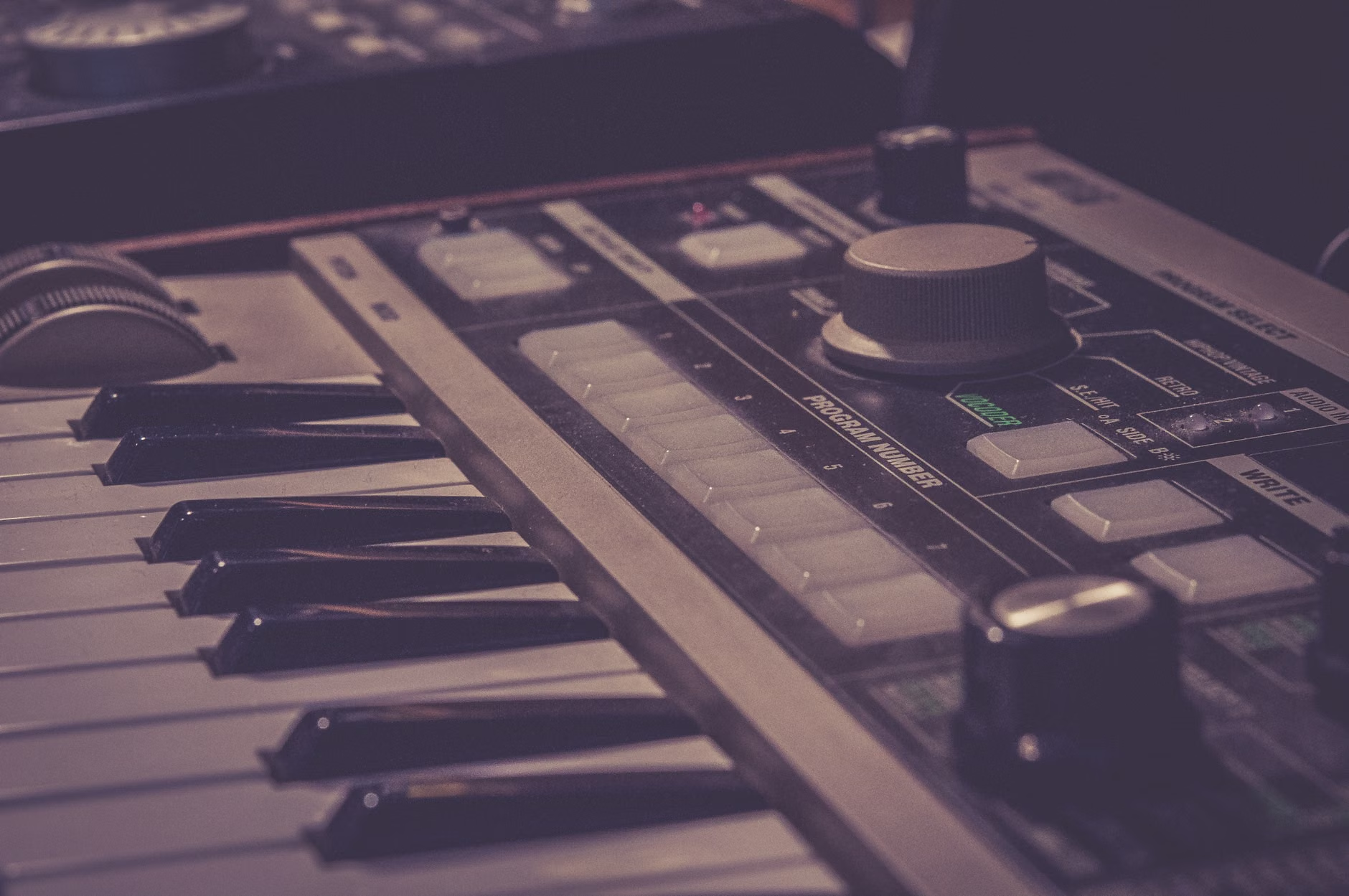
Why does this matter for cognitive health? By tracing the evolution of these tools, you are performing “systems thinking.” You are learning how a synthesizer from 1975 (like the Moog) functions differently from a software plugin in 2024. This requires spatial reasoning and the ability to correlate historical context with technical functionality.
A Comparison of Music Production Environments
| Feature | Analog Production | Digital Production (DAW) |
|---|---|---|
| Medium | Magnetic Tape / Vinyl | Hard Drive / Cloud Storage |
| Editing | Physical Cutting / Splicing | Non-destructive Clicking |
| Cost | High (Expensive Hardware) | Variable (Software-based) |
| Cognitive Task | Mechanical Precision | Logical/Algorithmic Planning |
The takeaway: Analog production requires manual dexterity and physical maintenance, whereas digital production (using a Digital Audio Workstation, or DAW) requires technical literacy and structural planning. Transitioning between these two modes of thinking is a fantastic way to maintain neuroplasticity.
The Cognitive Benefits of Learning Technical History
Research suggests that lifelong learning is a primary driver of cognitive resilience. When you study the history of digital music, you aren’t just memorizing dates; you are learning the architecture of the modern soundscape. This involves:
- Pattern Recognition: Identifying how digital waveforms represent physical sounds.
- Technical Adaptability: Learning to navigate software interfaces, which builds confidence in using other modern digital services.
- Historical Contextualization: Connecting cultural shifts (like the rise of hip-hop or electronic dance music) to the technology that made those genres possible.
Consider the “what it is, why it matters” framework. A Digital Audio Workstation (DAW) is essentially a virtual recording studio. It matters because it democratized music creation. In the past, you needed a million-dollar studio; today, you need a laptop. Understanding this shift helps you interpret the current state of the global music industry, from streaming services to independent artist platforms.

Practical Steps: How to Start Your Journey
You do not need to be a professional musician to enjoy this hobby. The goal is to build a “mental map” of digital music history. Here is a step-by-step approach to getting started:
- Start with the “Big Shifts”: Read about the development of the MIDI protocol in 1983. It is the language that allowed computers to understand music. Understanding MIDI is like learning a new language—it’s a great mental exercise.
- Explore Accessible Software: Download a free, user-friendly DAW like GarageBand (if you use Apple devices) or Audacity (for PC). You don’t need to record a symphony; simply opening the software and dragging a digital file into the interface helps you understand the “digital” nature of sound.
- Curate Your History: Create a playlist of music that showcases technological leaps. Start with a 1960s acoustic track, move to a 1980s synthesizer-heavy track, and finish with a modern track produced entirely on a laptop.
A Common Mistake to Avoid: Do not try to learn everything at once. The history of digital music is vast. Focus on one decade or one specific technology (e.g., “The history of the drum machine”) at a time. This prevents cognitive overload and makes the learning process more enjoyable.
When you decide to engage with digital music tools, accessibility is key. Many modern interfaces are designed with small text and complex menus. Here are some practical adjustments to ensure your experience remains comfortable:
- Display Settings: Increase your screen resolution or use “Magnifier” tools on your computer to avoid eye strain.
- Ergonomics: Ensure your desk setup supports your posture. If you are spending time at a computer, follow the 20-20-20 rule: every 20 minutes, look at something 20 feet away for 20 seconds.
- Volume Control: Always monitor your listening volume. Prolonged exposure to high-decibel audio, even when learning, can lead to ear fatigue. Use a decibel meter app on your phone to ensure you stay within a safe range (usually below 70-80 dB).
Deep Dive: The Evolution of Sound Synthesis
To truly grasp the “cognitive joy” of this subject, we must look at sound synthesis. In the 1960s, Robert Moog invented the modular synthesizer. It was a massive wall of wires and knobs. Today, that same technology exists as a “virtual instrument” inside your phone.
The cognitive shift here is moving from physical manipulation (patching cables) to visual manipulation (using a mouse to move a virtual knob). This is a perfect example of how our brains must adapt to abstract digital environments. When you study this, you aren’t just learning music; you are learning the history of human-computer interaction.
Insight: Many people assume that digital music is “fake” or “canned.” However, when you study the history, you realize that digital music is actually a higher level of precision. It allows for the correction of timing errors (quantization) and the layering of sounds that would be physically impossible in an analog environment. Understanding this trade-off—the loss of “physicality” vs. the gain of “infinite possibility”—is where the real intellectual satisfaction lies.
The Future: Digital Music in the Age of Artificial Intelligence
We are currently entering a new chapter: the AI-assisted era. Just as the synthesizer changed music in the 70s, AI is changing it now. For the older learner, this is a perfect time to observe the conversation. Is AI a tool or a replacement? By understanding the history of how MIDI and DAWs were initially feared by traditional musicians, you gain perspective on the current debate surrounding AI.
This historical context is a powerful tool. It allows you to engage in current affairs with a sense of perspective. You are no longer just an observer; you are a student of technological evolution.
Conclusion: Your Next Steps
The study of digital music history is a journey that never truly ends. It combines the technical rigor of computer science with the emotional depth of music. By starting with the basics—understanding the move from physical to digital—you can build a rewarding, lifelong hobby that keeps your mind sharp, your curiosity piqued, and your connection to the modern world strong.
Recommended Action: This week, identify one piece of digital music technology you use daily (such as a streaming app) and research its origins. Understanding the “Why” behind the “How” is the first step toward true cognitive mastery of the digital age.
Frequently Asked Questions
- 1. Do I need to know how to play an instrument to learn digital music history?
- Not at all. While playing an instrument helps, the history of digital music is primarily a history of engineering, mathematics, and cultural change. You can appreciate the evolution of sound as a purely intellectual and historical pursuit.
- 2. Is it expensive to start learning about digital music production?
- It is surprisingly affordable. Most modern computers come with free, high-quality software like GarageBand. There are also thousands of free, high-quality educational videos and articles online that provide a deep dive into the history of synthesizers and digital recording.
- 3. How does this help with cognitive health?
- Learning a new, complex subject—especially one that involves new technology—requires the brain to form new neural pathways. By analyzing the history of digital music, you are exercising your memory, critical thinking, and technical problem-solving skills, all of which are essential for long-term cognitive wellbeing.
Official resources for further exploration:
- The NAMM Oral History Program (An excellent source for the history of musical instruments and technology).
- The MIDI Association (For understanding the technical backbone of modern music).