- Prioritize Infrastructure: Before booking, verify the “surface quality” (flat vs. cobbles) and the frequency of “rest points” (benches every 100 meters).
- Assess Mobility Requirements: Use the “20-minute rule”—if a tour involves more than 20 minutes of continuous walking without a seating option, prioritize tours that offer electric shuttle or boat alternatives.
- Check Support Facilities: A truly accessible tour must have real-time information on the location of clean, accessible public toilets and barrier-free transport pick-up points.
Introduction: The Allure of Riverfront Promenades
For many mature travelers, the ideal excursion is not about rushing to check off a list of monuments, but about enjoying a scenic, leisurely pace. Riverfront promenades offer a unique combination of fresh air, historical context, and gentle terrain. However, the definition of “accessible” can vary wildly between cities. What one tourism board labels as “senior-friendly” may still involve steep inclines or uneven surfaces that present fatigue or safety risks.
This guide provides a systematic framework for evaluating riverfront tours. We will focus on how to vet destinations for mobility, safety, and logistical ease, ensuring your next outing is defined by relaxation rather than physical strain.

Understanding the Variables of Accessibility
Accessibility is not a binary state; it exists on a spectrum. When researching a riverfront tour, it is useful to categorize your needs into three primary buckets: physical terrain, environmental comfort, and logistical support.
1. Physical Terrain: The Surface Quality
The most common oversight in planning is assuming that “flat” means “easy.” A promenade paved with historic cobblestones is technically flat, but it can be exhausting for those with balance issues or those using walking aids. Look for:
- Surface Material: Poured concrete, smooth asphalt, or tightly fitted stone pavers are ideal. Avoid loose gravel or uneven, deep-grooved stone.
- Incline Profiles: Even a minor 5% grade can become taxing over a two-kilometer walk. Check city planning websites for “elevation maps” of the promenade.
- Edge Protection: Ensure the path has a clear barrier or railing between the path and the water, particularly in areas with high foot traffic.
2. Environmental Comfort and Stamina
Stamina is not just about physical fitness; it is about managing energy expenditure. A well-designed promenade tour should facilitate “micro-rests.”
- The 100-Meter Rule: In urban planning, a high-quality promenade should feature a seating area at least every 100 to 150 meters. If the tour description mentions “long stretches of scenic path,” verify the distance between benches.
- Shade and Shelter: Exposure to direct sun or high winds can accelerate fatigue. Look for promenades with tree canopies or frequent kiosks/cafes that allow for indoor cooling or warming.
Evaluating Tour Logistics: A Decision Framework
When selecting a guided tour, you are essentially outsourcing your navigation. However, you remain responsible for your own safety and comfort. Use the following table to compare tour types:
| Tour Type | Best For | Potential Inconvenience | Accessibility Rating |
|---|---|---|---|
| Guided Walking Tour | Those with high stamina and interest in deep history. | Fixed pace, often no seating. | Moderate |
| Electric Shuttle/Tram | Those who want sights without the walk. | Requires boarding/alighting agility. | High |
| River Cruise/Boat | Those with limited mobility or joint pain. | Restricted to the water view. | High |
Decision Criterion: If you use a walking aid or tire easily after 30 minutes, prioritize tours that integrate boat segments. This allows you to experience the riverfront from a seated position while still seeing the landmarks.
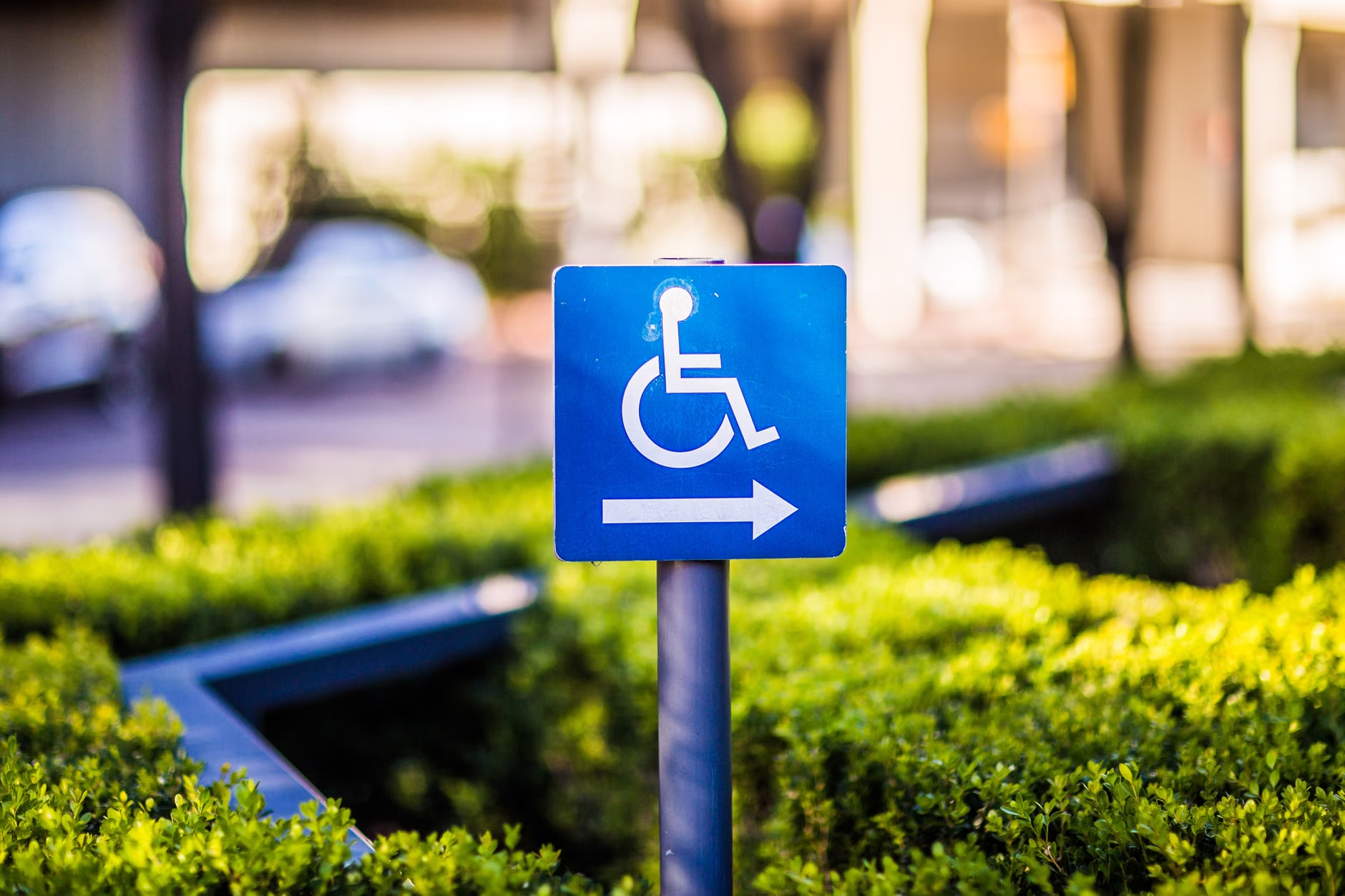
Practical Steps for Pre-Trip Assessment
Before committing to a tour, take these three practical steps to ensure the experience aligns with your mobility requirements.
Step 1: The Virtual Walkthrough
Use modern mapping tools that offer “street view” capabilities. Drop the yellow map icon onto various points along the riverfront. Observe the width of the path, the presence of curbs, and the density of the crowd. If the street view shows narrow, crowded walkways, it may not be suitable for a relaxed pace.
Step 2: Contacting the Tour Operator
Do not rely solely on marketing brochures. Send a specific email to the operator. A sample inquiry might look like this:
“I am interested in your promenade tour. Could you please confirm the average walking speed, the number of planned rest stops, and whether the route is entirely wheelchair/walker accessible? Are there any sections with cobblestones or stairs?”
If the operator cannot answer these, they likely have not considered accessibility as a core component of their service.
Step 3: Planning for “Exit Points”
Always have a “Plan B.” Before starting any riverfront walk, identify where the nearest public transport, taxi stands, or cafes are located every 500 meters. If you feel tired, knowing exactly where you can exit the promenade and find a seat or a ride home significantly reduces stress.
Managing Health and Energy: A Proactive Approach
Maintaining energy during a tour is about preparation. Avoid the “all-day excursion” trap. Instead, aim for “split-sessions.”
Morning vs. Afternoon: If you are visiting a city with a hot climate, prioritize riverfront tours in the early morning (before 10:00 AM) or late afternoon (after 4:00 PM). Midday sun is not only exhausting but can increase the risk of dehydration.
Hydration and Nutrition: Do not rely on finding open shops. Carry a lightweight backpack with water and a small, non-perishable snack. Even if the tour claims to include “refreshment stops,” these can be crowded or closed unexpectedly.
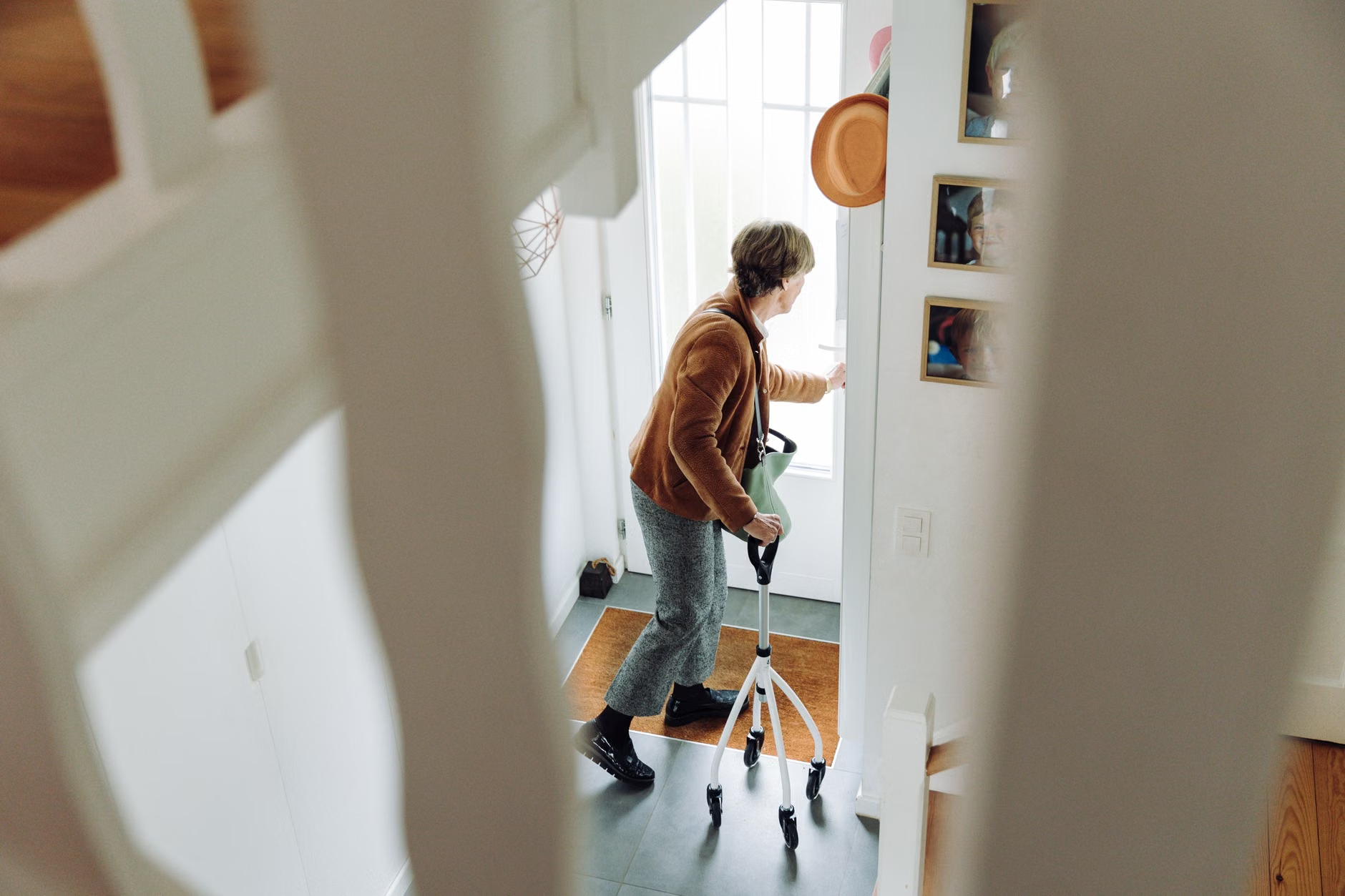
Footwear and Support: Even if you are not walking the entire time, you will be on your feet more than usual. Wear shoes with adequate arch support and shock-absorbing soles. If you have any history of foot or knee pain, consider using a lightweight, foldable trekking pole, which provides stability even on flat surfaces.
Common Mistakes to Avoid
Even seasoned travelers fall into common traps when booking river tours. Avoiding these will save you significant frustration.
- Ignoring the “Last Mile”: The promenade might be accessible, but is the path from the nearest bus stop or parking garage to the start of the promenade accessible? Check the “last mile” of your journey.
- Overestimating “Accessible” Labels: In many international cities, the term “accessible” is used broadly. It may mean “accessible by a fit person” rather than “barrier-free.” Always ask for specific details about stairs or steep ramps.
- Ignoring Toilet Locations: A beautiful walk becomes a source of anxiety if you do not know where the toilets are. Use apps like “Flush” or city-specific municipal maps to locate public facilities before you head out.
The Value of Local Knowledge
While global platforms are excellent for booking, local tourism offices are the gold standard for accessibility information. Most major cities have a “Disability Access” or “Universal Design” department. Their websites often provide downloadable PDFs that map out exactly which routes have elevators, ramps, and accessible toilets. These resources are often more accurate than private booking platforms.
Conclusion: The Art of the Paced Excursion
Selecting an accessible riverfront promenade tour is ultimately about curating your own experience. By prioritizing surface quality, verifying rest points, and having a clear exit strategy, you transform a potentially stressful outing into a rejuvenating experience. Remember that the goal of travel is enrichment, not physical testing. Choose the pace that allows you to enjoy the water, the architecture, and the atmosphere without the burden of unnecessary physical strain.
Frequently Asked Questions (FAQ)
1. How do I know if a riverfront tour is truly wheelchair or walker-friendly?
Do not trust the term “accessible” alone. Ask the tour provider for photos of the specific path, or look up the location on Google Maps Street View to check for stairs, narrow passages, or difficult surfaces like cobblestones. If in doubt, contact the local municipal tourism office, as they often maintain official accessibility maps for public spaces.
2. What should I include in my “emergency kit” for a riverfront walk?
Include a small bottle of water, a high-protein snack, any necessary daily medications, a fully charged mobile phone, and a printed card with your hotel address and emergency contact information. If you use a walking aid, ensure it is in good working order and that you have a backup plan for transport if you need to end the walk early.
3. How do I handle unexpected fatigue during a tour?
Pre-planning is your best defense. Before starting, identify “bail-out” points—locations where you can easily access a taxi, bus, or a place to sit for an extended period. If you feel tired, do not feel pressured to finish the tour; it is perfectly acceptable to stop at a cafe, enjoy the view, and take public transport back to your accommodation.
For further information on accessible travel standards, you may refer to the UN World Tourism Organization’s guidelines on accessible tourism.