Key Takeaways for Accessible Historic Travel
- Verify Physical Accessibility: Never assume a “UNESCO World Heritage” site is wheelchair or walker-friendly; always request specific data on stairs, incline percentages, and lift availability before booking.
- Prioritize “Slow Travel” Pacing: Limit your itinerary to one primary historic monument per day to account for fatigue, transit time, and the necessity of frequent rest periods.
- Utilize Specialized Tour Operators: Choose operators that explicitly state “accessible” or “mobility-inclusive” in their service agreements, as they are legally or contractually obligated to provide verified infrastructure.
Historic monuments provide a profound connection to our past, but they were often built centuries before modern concepts of universal design. For travelers between the ages of 60 and 80, the challenge lies in balancing the desire to explore these architectural wonders with the realities of stamina, mobility, and the practicalities of navigating uneven terrain. Successful travel to these sites requires moving beyond generic “tourist-friendly” labels and performing a rigorous, individualized assessment of accessibility.
1. Defining True Accessibility in Historic Contexts
In the context of historic monuments, “accessibility” is not a binary state. A site may be accessible for someone with limited endurance but impossible for someone using a mobility aid like a walker or wheelchair. Understanding the difference between barrier-free and assisted-access is the first step in planning.
Barrier-free refers to sites that have been renovated with ramps, lifts, and flat surfaces that allow independent navigation. Assisted-access refers to sites where the historic integrity prevents major modifications, but staff provide support, such as manual lifting, specialized golf cart transport, or alternate entry points. For the independent traveler, barrier-free is the gold standard. For those comfortable with a bit of help, assisted-access can unlock sites that would otherwise be off-limits.
When researching a site, look for these three specific indicators:
- Surface Composition: Is the path cobblestone, gravel, or smooth stone? Cobblestones are notoriously difficult for walkers and canes; gravel can cause stability issues.
- Incline Data: Many historic sites are built on hills. An incline of more than 5% is generally considered a ramp, and anything over 8% is difficult for those with limited cardiovascular stamina.
- Restroom Proximity: In historic districts, public toilets are often located outside the site walls or down several flights of stairs. Verify the location of the nearest accessible restroom relative to the main viewing area.
2. Selecting the Right Tour Operator: A Decision Framework
Not all tour operators understand the nuance of senior travel. A generic tour might promise a “leisurely pace,” but in industry terms, this often still involves three miles of walking over four hours. You need a operator that treats accessibility as a technical requirement, not a marketing buzzword.
Use the following checklist when vetting a potential tour provider:
| Feature | What to Demand | Why It Matters |
|---|---|---|
| Itinerary Flexibility | Option to skip specific segments. | Prevents “forced march” scenarios where you must keep up with a group. |
| Transit Type | Low-floor vehicles with ramps. | Reduces high-step climbing which is a common cause of knee strain. |
| Group Size | Maximum 10-12 people. | Smaller groups move slower and allow for better communication with the guide. |
| Verification | Direct contact with the site manager. | Ensures the tour operator has verified current lift/ramp status. |
The Insight: Beware of “VIP” tours that offer “early access.” While early access is excellent for avoiding crowds, it often means the site’s auxiliary support staff (like extra elevator operators or electric cart drivers) may not be on duty yet. Always confirm that support services operate during the specific time slot you have booked.
3. Managing Stamina and Physical Safety on Tour
Even the most accessible site requires more physical exertion than a typical day at home. The “hidden” cost of travel is the cumulative fatigue caused by climate, travel stress, and the psychological effort of navigating new environments. To maintain your stamina, you must treat your energy like a finite currency.
The “Energy Budget” Strategy
Most travelers overestimate their capacity by 30%. If you feel you can comfortably walk 2,000 steps at home, plan for 1,400 on tour. This buffer allows for the unexpected: a detour due to construction, a crowded path that requires standing, or an extra loop to find seating.
Practical Steps for Energy Preservation:
- The Portable Seat: Invest in a high-quality, lightweight folding cane-seat or a portable stool. Do not rely on the availability of benches at historic sites; they are often occupied or non-existent.
- The “Split-Shift” Approach: If a monument is large, visit in two segments. Spend one hour in the morning, return to your accommodation for a mid-day rest, and return in the late afternoon. Many historic sites allow same-day re-entry if you inform the ticket office.
- Hydration and Nutrition: Dehydration is a primary cause of dizziness and fatigue in older adults. Carry a collapsible water bottle and avoid caffeine until after your main viewing session, as it can act as a mild diuretic.
4. Technical Logistics: Transport, Infrastructure, and Digital Aids
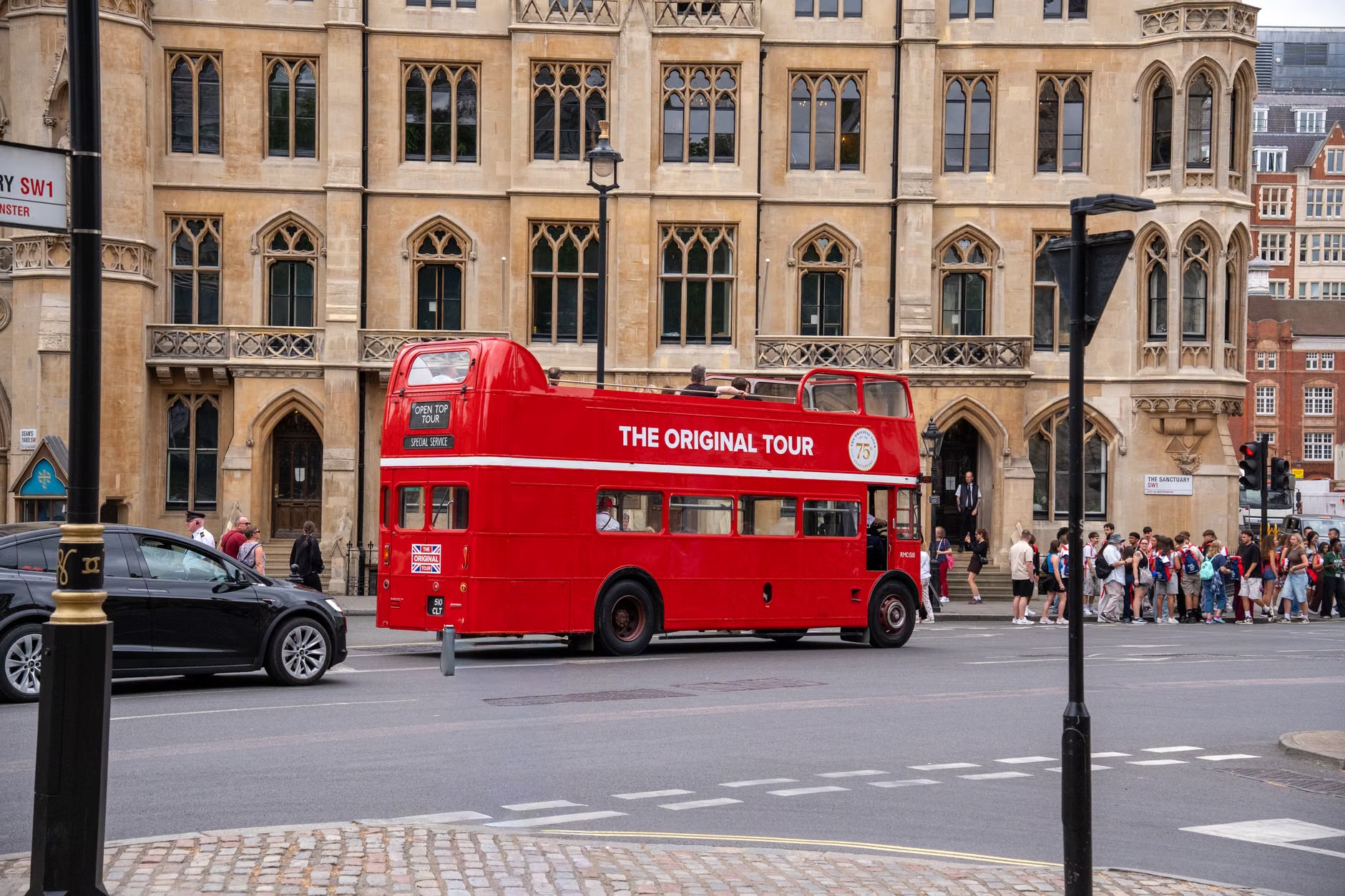
Navigating the transition from your hotel to the monument is often the most stressful part of the day. Public transport in many historic cities is not yet fully accessible. In cities like Rome or Athens, for example, many metro stations lack working elevators. Relying solely on public transport can lead to being stranded at a station exit with a flight of stairs.
Strategic Transport Planning:
- Private Transfer Pre-booking: For the final leg of your journey (from the transit hub to the monument entrance), book a private, accessible taxi service. Ensure you specify your need for a vehicle that can accommodate a walker or wheelchair.
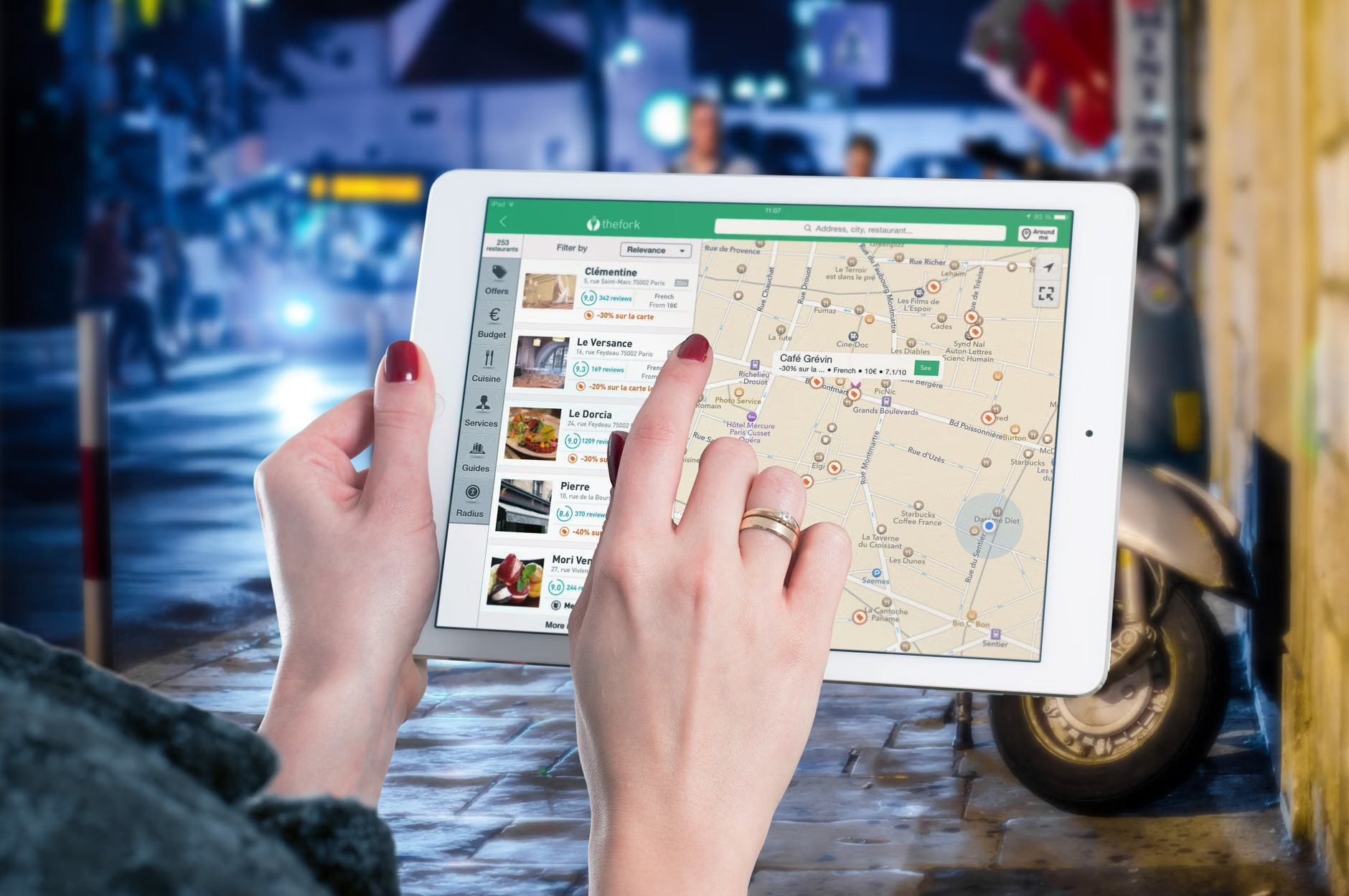
- Digital Accessibility Tools: Utilize apps like Wheelmap or local government accessibility portals. These crowd-sourced platforms provide real-time updates on whether specific elevators are functioning.
- Paper Backups: Always carry a printed itinerary with the address of your monument and your hotel written in the local language. Technology can fail due to battery drain or signal loss, particularly in thick-walled historic structures.
What to do if infrastructure fails: If you arrive at a site and find an elevator is broken, do not attempt to “push through.” Ask the staff for the “back-of-house” access route. Many monuments have freight elevators or staff-only ramps that can be opened for guests with mobility needs upon request. Having this conversation with the site manager before you arrive is the best way to ensure this access is granted.
5. Managing Expectations and Unexpected Trade-offs
The most common mistake is the “checklist mentality”—trying to see everything on a list of “top 10” sites. This leads to burnout and a degraded experience. Instead, adopt a “depth-over-breadth” approach. Choosing one site and spending three hours exploring it thoroughly is often more rewarding than rushing through three sites in a single day.
The “Hidden Inconvenience” of Preservation: Many historic sites use “preservation flooring,” which may be uneven or slippery when damp. If you are traveling during rainy seasons, your choice of footwear is as important as your choice of tour. Avoid generic sneakers with poor grip; look for walking shoes with high-friction, non-slip rubber outsoles and firm ankle support.
Decision Criteria for Choosing a Site:
- Is the site largely outdoors? If yes, weather is your biggest risk factor. Plan for high-heat or high-humidity days by booking the earliest possible time slot.
- Is the site a museum? Museums are generally more accessible than outdoor ruins, as they are managed with climate and visitor flow in mind.
- Is the site a religious monument? These often have specific dress codes and may have restrictive entry protocols that can cause delays.
Conclusion
Accessible historic travel is about preparation and the ability to adapt. By prioritizing sites with verified infrastructure, limiting your daily itinerary to account for energy levels, and utilizing specialized services, you can enjoy the world’s greatest monuments without compromising your safety or comfort. Remember that your goal is to experience history, not to conquer it. If a site proves too difficult, have the confidence to pivot to an alternative plan. Your enjoyment of the travel experience is the ultimate measure of success.
Frequently Asked Questions
1. How can I confirm if a historic site is truly wheelchair accessible before I travel?
Do not rely on travel blogs or general tourism websites. Contact the site’s official administration office directly via email. Ask three specific questions: “Is there a step-free entrance?”, “Are there elevators or lifts that reach all levels of the exhibit?”, and “Can you provide a map of the accessible route?” If they cannot provide these, assume the site has significant barriers.
2. Is it better to book a private tour or a group tour as a senior?
Private tours are generally superior for seniors with specific mobility needs. They allow you to set the pace, take breaks whenever you need, and avoid the social pressure of keeping up with a larger group. While more expensive, the cost is often offset by the reduction in stress and the ability to customize the experience to your physical capacity.
3. What should I do if I have a medical emergency while visiting a remote historic monument?
Before leaving your accommodation, locate the nearest hospital or urgent care facility on a map. Carry a copy of your medical history, a list of current medications, and any relevant insurance information in both English and the local language. If you are on a tour, ensure your guide is aware of any specific medical conditions you have and where your emergency medication (such as an inhaler or nitroglycerin) is kept.
Sources and further reading: