- Iron is essential for oxygen transport: Fatigue in older adults is often incorrectly attributed solely to aging, when it may be linked to sub-optimal iron status.
- Absorption is key: Pairing non-heme iron (plant-based) with Vitamin C significantly increases the amount of iron your body actually absorbs.
- Medical oversight is non-negotiable: Never start iron supplementation without a blood test, as excess iron can be harmful to heart and liver health in older individuals.
Understanding the Role of Iron in Your Daily Stamina
Maintaining energy and stamina as you reach your 60s, 70s, and beyond is not just about willpower or exercise; it is heavily dependent on the efficiency of your body’s internal transport system. Iron is a critical mineral that serves as the backbone of hemoglobin, the protein in red blood cells that carries oxygen from your lungs to your muscles and brain. When iron levels are low, your body must work significantly harder to perform routine daily tasks, leading to persistent feelings of fatigue, reduced endurance during physical activity, and even cognitive “fog.”
It is a common misconception that iron deficiency is only a concern for younger populations or those with specific chronic conditions. In reality, as we age, several factors can affect how we obtain and utilize iron. Changes in appetite, the use of certain medications, and decreased stomach acidity can all influence how much iron you derive from your diet. This guide focuses on how to proactively manage your iron intake through nutrition and smart lifestyle habits to support your vitality.

The Two Types of Dietary Iron: Heme vs. Non-Heme
To optimize your iron intake, it is important to understand that not all iron is created equal. Dietary iron comes in two distinct forms: heme and non-heme. Understanding the difference is the first step toward building an effective, sustainable eating plan.
Heme Iron: The High-Absorption Source
Heme iron is found exclusively in animal products, including red meat, poultry, and fish. The primary advantage of heme iron is its high bioavailability—the body absorbs it much more efficiently than plant-based iron. For an older adult, this means that smaller quantities of heme-rich foods can provide a substantial boost to iron stores.
Non-Heme Iron: The Plant-Based Foundation
Non-heme iron is found in plant foods such as lentils, beans, spinach, fortified cereals, and nuts. While the body does not absorb non-heme iron as easily as heme iron, these foods are often rich in fiber, antioxidants, and other essential nutrients that support overall longevity. A healthy, balanced diet should ideally incorporate a mix of both to ensure adequate intake while managing the cholesterol and saturated fat often associated with high red-meat consumption.
| Source Type | Examples | Absorption Rate | Best For |
|---|---|---|---|
| Heme Iron | Lean beef, chicken, fish, oysters | High (15-35%) | Quickly addressing low intake under medical guidance. |
| Non-Heme Iron | Lentils, spinach, tofu, chickpeas | Lower (2-20%) | Daily long-term maintenance and fiber intake. |
Maximizing Absorption: The “Enhancer” Strategy
One of the most common mistakes in dietary planning is assuming that the iron content listed on a food label is exactly what your body will receive. In reality, your body’s absorption rate fluctuates based on what else is on your plate. You can significantly improve your iron intake by pairing non-heme iron sources with “absorption enhancers.”
The Power of Vitamin C
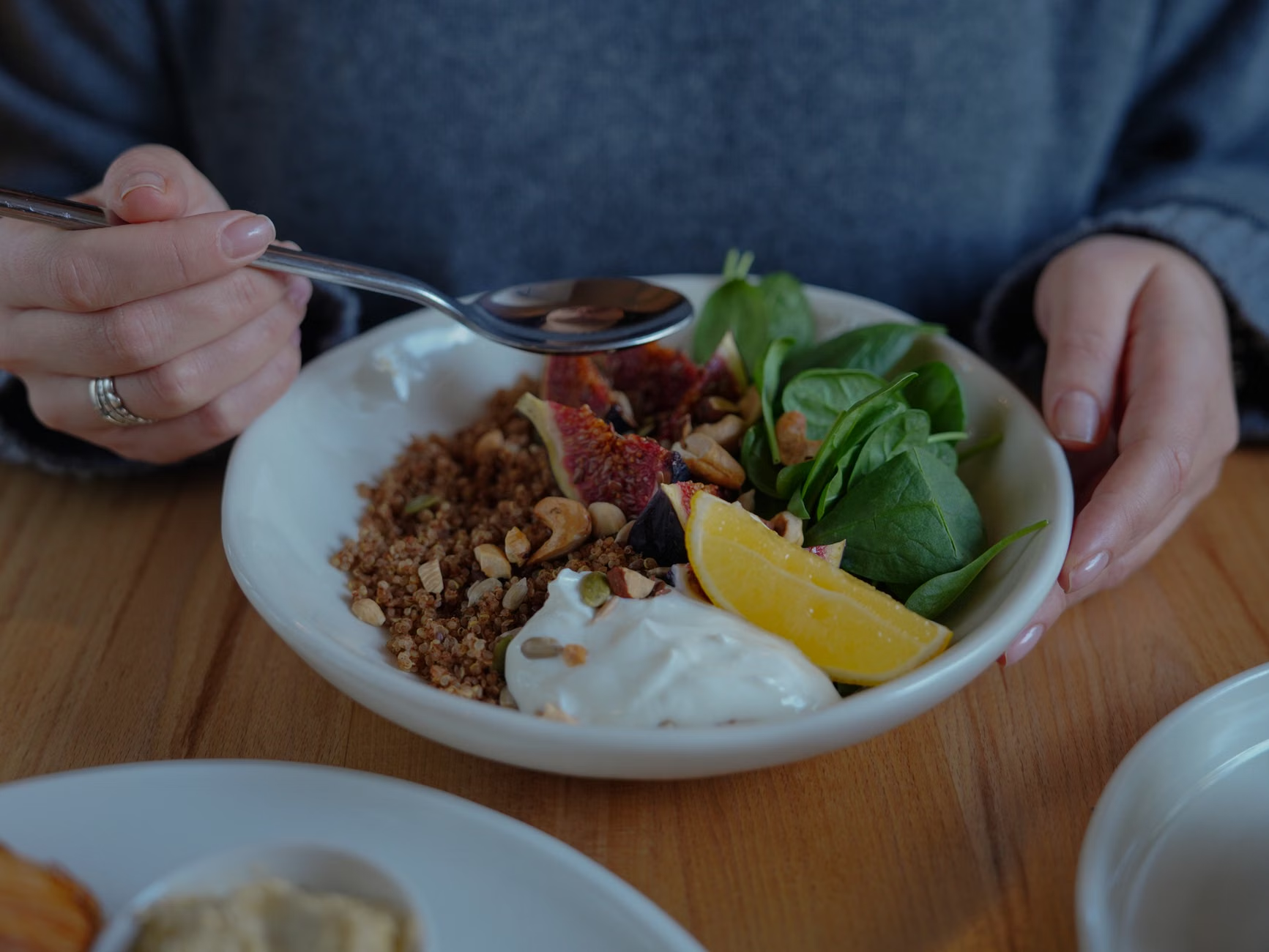
Vitamin C is the most effective tool for increasing the absorption of non-heme (plant) iron. When you consume a meal containing iron-rich plants, such as a lentil stew, adding a source of Vitamin C—like a squeeze of lemon juice, a side of bell peppers, or a piece of orange—can nearly double the amount of iron your body absorbs. This is a simple, cost-effective, and natural habit that requires no complex planning.
Inhibitors to Manage
Conversely, certain substances can hinder iron absorption if consumed at the same time as iron-rich meals. Calcium, for example, can compete with iron for absorption. If you take a calcium supplement, it is generally recommended to space it out from your primary iron-rich meal. Similarly, tannins found in tea and coffee can inhibit iron absorption. If you enjoy a morning cup of tea, try waiting an hour or two after your iron-rich breakfast before having it.
Real-Life Implementation: Building Your Iron-Rich Routine
For many adults, the challenge is not knowing the theory, but integrating it into a busy or established lifestyle. Here are practical steps to incorporate iron into your daily rhythm without the stress of rigid calorie counting.
1. The “Fortified Morning” Strategy
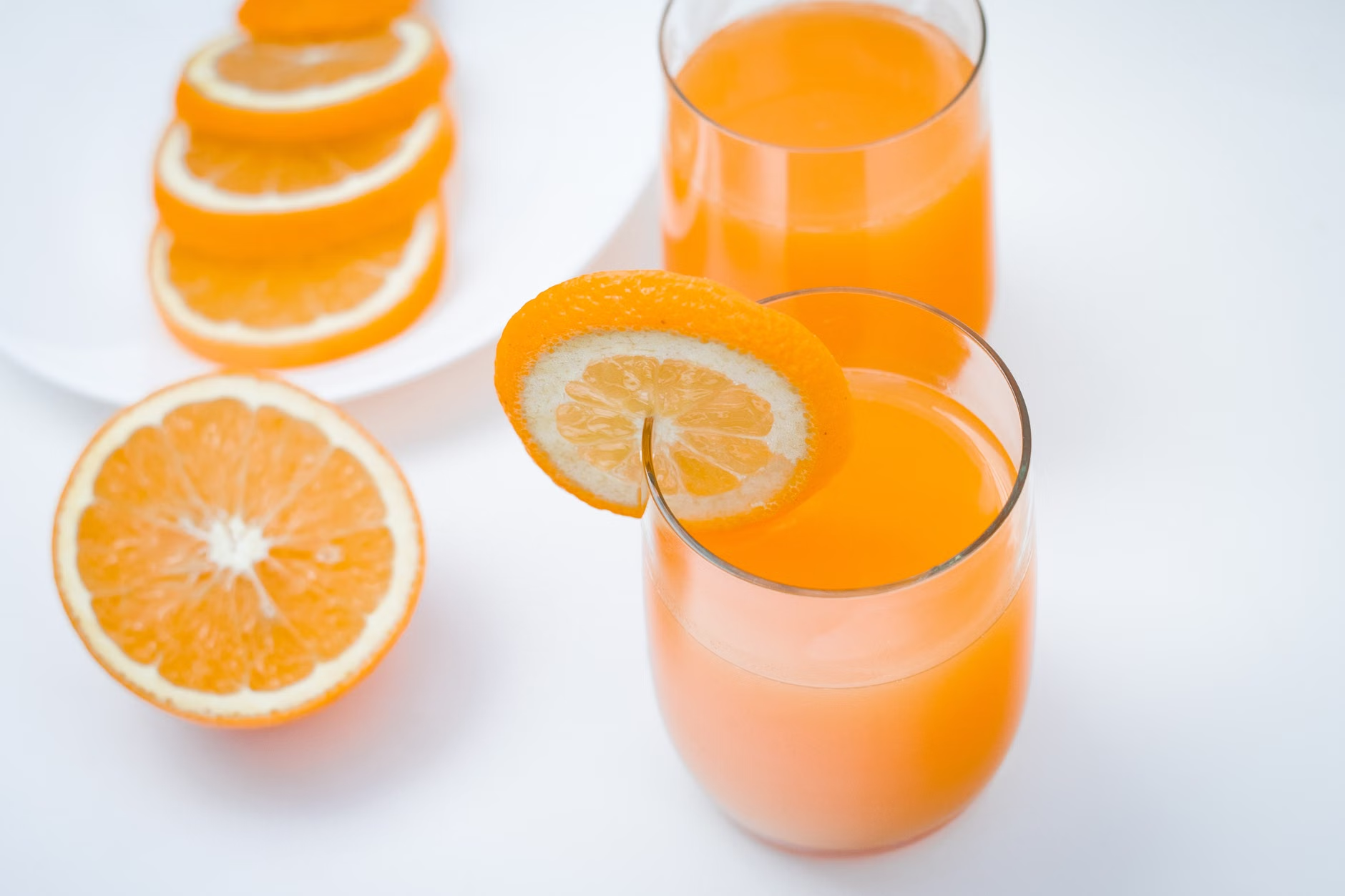
If you prefer a light breakfast, choose iron-fortified cereals. Many breakfast cereals are enriched with iron. Pair this with a small glass of orange juice or a handful of strawberries to ensure that the iron is readily absorbed. This simple start provides a solid baseline for your daily needs.
2. The “Lunchtime Boost”
Lunch is an ideal time to incorporate legumes. A Mediterranean-style chickpea salad with chopped tomatoes (a source of Vitamin C) and a drizzle of olive oil is an excellent, low-cost, and heart-healthy way to maintain iron levels. If you are dining out, look for bean-based soups or salads that offer high vegetable density.
3. Managing Red Meat Intake
While red meat is an excellent source of heme iron, health guidelines for those over 60 often suggest limiting red meat intake for heart health. Focus on smaller portions of lean cuts (such as sirloin or flank) and prioritize these for 1-2 meals per week rather than daily. Fill the gap with poultry, fish, and plant-based proteins.
When to Consult a Professional: Recognizing the Red Flags
It is vital to distinguish between a temporary dip in energy and a clinical deficiency. If you are experiencing symptoms such as chronic fatigue, unexplained shortness of breath, pale skin, or heart palpitations, it is time to consult your healthcare provider. Never self-diagnose iron deficiency anemia.
Your doctor will likely order a complete blood count (CBC) and a serum ferritin test. Ferritin is a protein that stores iron in your body; measuring it provides a much clearer picture of your iron reserves than looking at hemoglobin alone.
Preparing for Your Medical Appointment
- Keep a 3-day food log: Write down everything you eat and drink to help your doctor assess your typical iron intake.
- List all current medications: Some drugs, such as proton pump inhibitors (for acid reflux) or certain antacids, can reduce stomach acidity and interfere with iron absorption.
- Document symptoms: Note when you feel most tired and whether you have noticed any changes in physical endurance.
If your doctor determines that you require an iron supplement, follow their dosage instructions precisely. Taking iron supplements without a deficiency can lead to iron overload, which can cause toxicity and damage to the liver and heart. Supplements should be treated as a medical intervention, not a daily vitamin.
Common Misconceptions and Nuances
There are several myths regarding iron that can lead to confusion. Addressing these helps you make more informed decisions.
“Cooking in Cast Iron Pans”
You may have heard that cooking in cast iron skillets increases your dietary iron. While it is true that small amounts of iron can leach into your food, especially when cooking acidic foods like tomato sauce, it is not a reliable way to treat a deficiency. View this as a minor bonus rather than a primary strategy for health management.
“Iron Supplements are for Everyone”
Many seniors believe that taking an iron supplement will provide a “boost” for energy. However, if your iron levels are already normal, taking extra iron provides no benefit and can cause digestive side effects such as constipation, nausea, and abdominal pain. Always test before you supplement.
The Impact of Chronic Conditions
If you have conditions like inflammatory bowel disease (IBD) or celiac disease, your body’s ability to absorb iron is compromised regardless of how much iron you eat. In these cases, dietary changes alone are rarely sufficient, and you must work closely with a gastroenterologist or a specialized dietitian to manage your iron status.
Conclusion: A Sustainable Approach to Vitality
Prioritizing dietary iron is a powerful act of preventive health. By focusing on a diverse intake of heme and non-heme sources, pairing your meals strategically with Vitamin C, and maintaining regular communication with your healthcare provider, you can support your body’s oxygen-carrying capacity and maintain your stamina for the activities you enjoy. Remember that consistency is more important than perfection. Small, sustainable changes to your daily plate are far more effective than temporary, restrictive diets. Focus on the quality of your ingredients, listen to your body, and ensure that your health strategy is backed by objective blood work rather than guesswork.
Frequently Asked Questions (FAQ)
1. Can I get enough iron from a vegetarian diet after age 60?
Yes, it is entirely possible to meet your iron needs on a vegetarian diet, but it requires more attention. You must focus on high-iron plant sources like lentils, fortified grains, and nuts, and you must consistently pair these with Vitamin C to ensure adequate absorption. If you are strictly vegetarian, discuss your iron levels with your doctor during annual check-ups, as you may need to monitor your stores more closely.
2. Why does my doctor care about my stomach acid when talking about iron?
Stomach acid is necessary to break down food and release iron into a form the body can absorb. As we age, it is common for stomach acid production to decrease. If you are on medication for acid reflux or heartburn, these drugs can further lower your stomach acidity, making it harder to absorb iron from food. If you are concerned about this, ask your doctor if your medication might be affecting your nutrient absorption.
3. Are there specific physical activities that increase my iron needs?
Yes. If you engage in regular, high-intensity exercise, your body may require more iron to repair muscle tissue and support increased oxygen demand. Furthermore, some iron is lost through sweat. If you are an active senior who enjoys long-distance walking, cycling, or swimming, ensure your diet reflects this increased activity. If you feel that your stamina is dropping despite regular training, it is a good indicator that you should have your iron levels checked.
Official guidance on iron requirements and nutrition can be found through your national health ministry or the World Health Organization (WHO) guidelines on micronutrient deficiencies: WHO Anaemia Fact Sheet.