- Verify Accessibility First: Many historic clock towers lack elevators; always confirm the presence of lifts or ground-level viewing options before booking.
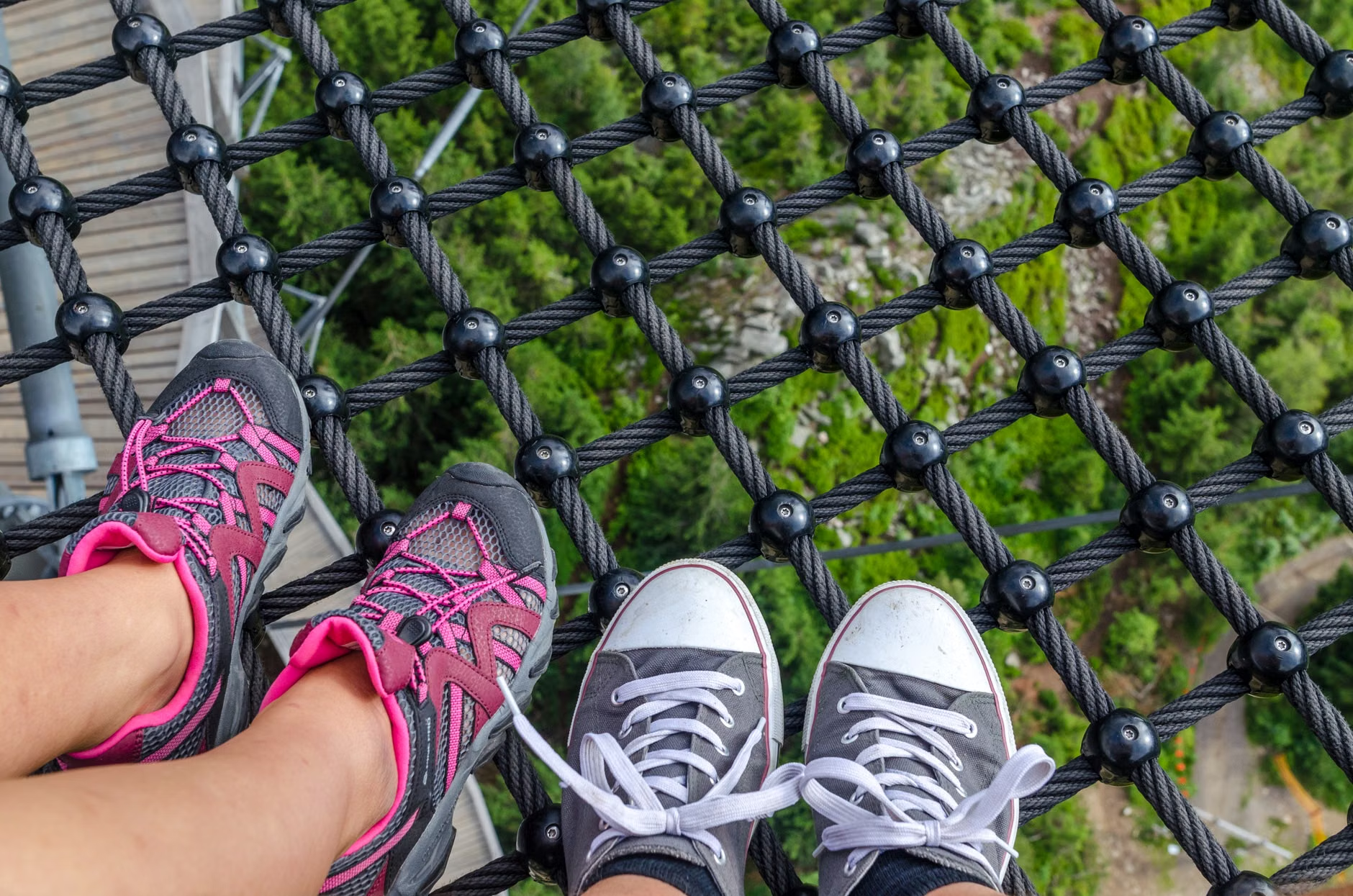
- Prioritize Footwear and Stability: Heritage sites often feature uneven cobblestones; non-slip, supportive footwear is the most critical packing item for safety.
- Pace Your Experience: Plan for no more than one major architectural tour per day to manage stamina and ensure recovery time for joint health.
Introduction: The Allure and Challenge of Heritage Clock Towers
For many travelers, the iconic silhouette of a historic clock tower represents the heart of a city. Whether it is the Elizabeth Tower in London or a medieval belfry in Belgium, these structures offer a unique vantage point into history. However, for adults aged 60 to 80, the practical reality of visiting these sites involves specific considerations regarding mobility, stamina, and environmental conditions. This guide provides a comprehensive framework for preparing, packing, and pacing your visit to ensure a rewarding experience.
Visiting a clock tower is rarely a simple “walk in the park.” These buildings were constructed centuries ago, long before modern accessibility standards were established. Understanding the difference between a fully accessible monument and one that requires significant physical effort is the first step toward a successful trip.
Evaluating Accessibility: Before You Leave Home
Before you even begin packing, you must assess the physical demands of the site. Not all “accessible” labels are created equal. A site might be wheelchair accessible on the ground floor but entirely inaccessible once you reach the interior stairs.
The Three Tiers of Heritage Accessibility
To make an informed decision, categorize your planned tours into the following tiers:
| Tier | Accessibility Level | Recommendation |
|---|---|---|
| Tier 1 | Lift access to the top or main observation level. | Ideal for all mobility levels. |
| Tier 2 | Ground floor viewing only; stairs for higher levels. | Suitable if you are comfortable skipping the climb. |
| Tier 3 | Spiral stairs, uneven surfaces, no lifts. | Best avoided if you have balance or joint issues. |
Actionable Step: Visit the official website of the heritage site. Look for a section titled “Accessibility” or “Visitor Information.” If the site does not explicitly mention “lifts” or “elevators,” assume the structure involves stairs. Do not hesitate to call the visitor center directly and ask: “How many steps are involved to reach the main viewing area?”
Essential Packing: Gear for Stability and Stamina
Packing for a heritage tour is about maximizing comfort while minimizing weight. Your goal is to reduce the physical load on your joints and back.
1. Footwear: Your Most Important Tool
Historic city centers are notorious for cobblestones and narrow, uneven paths. A common mistake is wearing new, untested shoes. Pack shoes that you have worn for at least two weeks prior to your trip. Look for:
- Arch Support: Essential for preventing foot fatigue during long days of standing.
- Non-Slip Outsoles: Essential for safety on potentially wet, uneven, or polished stone surfaces.
- Secure Fastening: Avoid slip-ons; laces or Velcro straps ensure the shoe moves with your foot, reducing the risk of tripping.
2. The “Lightweight Mobility” Kit
If you occasionally require assistance, consider these items:
- Folding Trekking Poles: Unlike heavy canes, modern carbon-fiber trekking poles are lightweight and provide two points of contact, significantly improving balance on uneven terrain.
- Portable Lightweight Stool: Many heritage sites have limited seating. A collapsible, lightweight stool can provide a necessary rest break while waiting in queues.
- Compression Socks: Travel and long days of walking can lead to lower-leg swelling. Compression socks help maintain circulation during transit and long sightseeing days.

Managing Stamina: The Art of Pacing
A common mistake for travelers is over-scheduling. When visiting historic towers, the physical exertion is often higher than expected due to the nature of old architecture—thick walls, narrow passages, and high humidity levels inside stone structures.
The “One-Major-Activity” Rule
Limit yourself to one major attraction per day that requires significant walking or climbing. In the afternoon, prioritize stationary activities such as a museum visit, a scenic boat tour, or simply sitting in a park with a view of the tower you visited in the morning.
Hydration and Nutrition
Clock towers are often located in high-density tourist areas where food prices are inflated and quality can be inconsistent. Carry a small, insulated water bottle and a high-protein snack. Dehydration can lead to dizziness, which is particularly dangerous when navigating stairs or uneven floors. By carrying your own supplies, you avoid the stress of searching for a shop when you are already fatigued.

When you arrive, the environment may present specific hurdles. Here is how to handle them:
Managing Narrow Passages
Many clock towers feature narrow, spiral staircases. If you feel claustrophobic or physically strained, do not feel pressured to continue to the top. Many of the most interesting aspects of clock mechanisms are often displayed in lower, more accessible rooms. Ask the staff if there is a “digital tour” or a video display for those who cannot climb.
Handling Queues
Queuing is often the most tiring part of the experience. If you have mobility concerns, look for “Priority Access” or “Accessibility” lines. Many heritage sites offer these to visitors with disabilities or reduced mobility. Always ask a staff member upon arrival, “Is there an priority entrance for those who have difficulty standing for long periods?”
Safety and Emergency Preparedness
Safety is not just about avoiding falls; it is about knowing what to do if you feel unwell.
- Medication Management: Keep your essential medications in your day bag, not in your checked luggage or back at the hotel. Carry a copy of your current medication list in your wallet.
- Emergency Contacts: Ensure your phone has an “Emergency Medical ID” set up (available on both iOS and Android). This allows first responders to access your medical information even if your phone is locked.
- Local Emergency Number: Know the emergency number for the country you are visiting (e.g., 911 in the US, 112 in the EU).
The Overlooked Variable: Weather and Humidity
Historic clock towers are often made of stone, which acts as a heat sink. In summer, the interior can be significantly cooler than the outside, or conversely, if the tower is in a sunny, unventilated space, it can become stiflingly hot. Layering is essential. Wear a breathable base layer, a light sweater, and a windbreaker. This allows you to adjust to the temperature fluctuations inside vs. outside the tower.
Summary of Practical Steps for Your Trip
To ensure your tour of a heritage clock tower is safe and enjoyable, follow this checklist:
- Research: Check the site’s official website for lift availability and step counts.
- Test Gear: Ensure your walking shoes are broken in and your mobility aids are in good working order.
- Plan Pacing: Schedule only one high-intensity activity per day.
- Communicate: Do not hesitate to ask site staff for priority assistance or to skip the climb if you feel fatigued.
- Prepare: Keep a digital or physical copy of your medical information handy.
Conclusion
Visiting a heritage clock tower is a wonderful way to connect with the history of a destination. By prioritizing your physical comfort, choosing your footwear wisely, and pacing your schedule, you can turn a potentially stressful climb into a manageable and memorable experience. Remember that the goal of travel is enrichment, not physical endurance. If a tower is not accessible, there is no shame in admiring it from a comfortable cafe across the square. Your safety and enjoyment are the true measures of a successful journey.
Frequently Asked Questions
- Should I bring a wheelchair or a walker to a heritage clock tower?
Most historic towers have very narrow, non-accessible staircases. Unless the site explicitly states it is “fully wheelchair accessible,” assume that a wheelchair or walker will not be usable inside the tower. Call ahead to confirm if they have a storage area for your mobility aid while you visit. - What if I feel dizzy or overwhelmed while climbing?
Stop immediately. Do not try to push through to the next level. Signal a staff member if one is nearby. Most towers have designated rest areas or staff who are trained to assist visitors who need to descend safely. - How do I find out if a site is truly senior-friendly?
Look for specific details on the official website. Terms like “step-free access,” “lift access,” and “accessible toilets” are key. If these terms are absent, the site likely does not meet modern accessibility standards.
For further information on accessible travel, visit official tourism resources such as VisitBritain or VisitEurope, which often provide accessibility guides for major cultural sites.