- Digital cooking groups provide more than recipes; they offer a vital social network that combats isolation and fosters cognitive engagement.
- Success in these groups depends on choosing platforms that match your technical comfort level and privacy preferences.
- Active participation, such as sharing photos or asking questions, transforms passive observation into meaningful community contribution.
The Intersection of Technology, Cuisine, and Community
For many adults between the ages of 60 and 80, the kitchen has long been a place of creativity, tradition, and sustenance. However, the way we share culinary knowledge is evolving. Digital cooking-exchange groups—ranging from private Facebook groups to dedicated forums and WhatsApp neighborhood circles—have become powerful hubs for social connection. These communities do not merely exchange recipes; they serve as platforms for sharing life experiences, adapting traditional dishes to modern dietary needs, and maintaining a sense of purpose through mutual contribution.
The social value of these groups lies in their ability to bridge geographical gaps. Whether you are living in a bustling city or a quiet rural area, a digital community allows you to interact with people who share your passion for cooking. This article explores how you can leverage these groups to enhance your daily wellbeing, sharpen your culinary skills, and build lasting friendships in a safe, digital environment.

Why Digital Cooking Communities Matter for Active Aging
Engagement in social hobbies is a cornerstone of healthy aging. Research consistently shows that maintaining social connections can reduce the risk of cognitive decline and improve emotional resilience. When these connections are built around a shared, productive activity like cooking, the benefits are amplified.
Cooking is a complex cognitive task involving planning, sequencing, and sensory evaluation. When you learn a new technique or adapt a recipe from a community member, you are engaging in “lifelong learning.” This keeps the brain active and adaptable. For instance, translating a recipe from a younger generation’s shorthand or learning how to use a new kitchen gadget discussed in a forum requires focus and problem-solving, both of which are excellent for mental health.
Combating Social Isolation
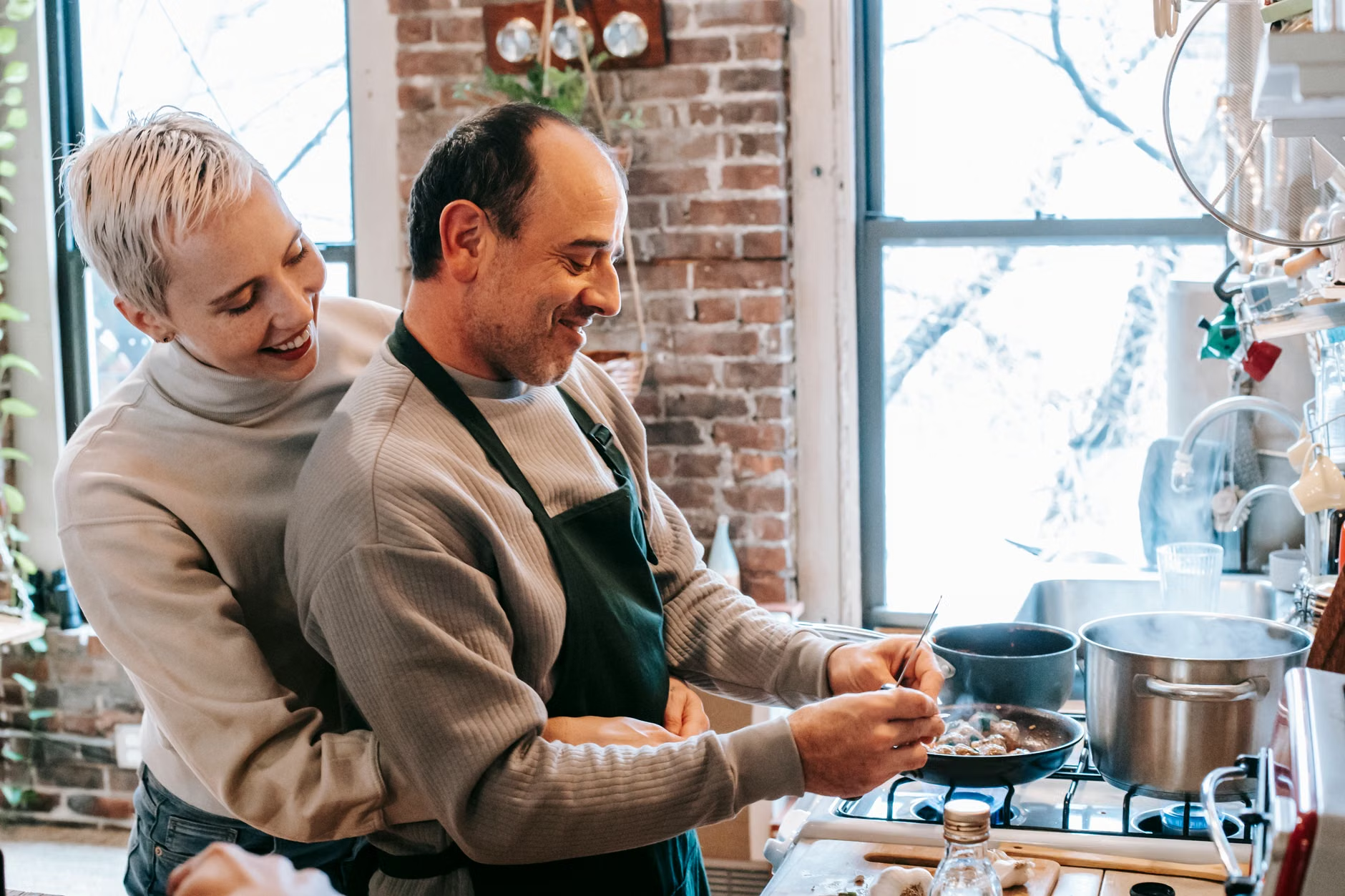
Isolation can be a silent challenge for older adults. Digital cooking groups offer a low-pressure environment for interaction. You do not need to commit to a physical meeting time; you can participate at your own pace. This flexibility is essential for those who may have limited mobility or erratic schedules. By sharing a photo of a meal you prepared, you invite positive feedback and conversation, which can foster a sense of belonging.
Preservation of Culinary Heritage
Many of these groups act as archives of family history. Members often share stories behind specific recipes—a cake recipe from a grandmother or a traditional soup that represents a specific cultural holiday. By documenting these recipes digitally, you contribute to the preservation of culture. This creates a sense of legacy, allowing you to pass down knowledge not just to family, but to a wider community of interested peers.
Selecting the Right Digital Platform for Your Needs
Not all digital spaces are created equal. Your choice of platform should align with your technical comfort level, privacy concerns, and social goals. Below is a comparison of common platforms used for cooking-exchange groups.
| Platform Type | Best For | Technical Requirement |
|---|---|---|
| WhatsApp/Telegram Groups | Small, intimate circles of friends or local neighbors. | Low; requires basic messaging skills. |
| Facebook Groups | Large, interest-specific communities (e.g., “Baking for Seniors”). | Moderate; requires navigating posts and comments. |
| Dedicated Cooking Forums | Deep dives into specific cuisines or professional-grade techniques. | Moderate to High; requires account management. |
For those who prefer a quieter experience, a small WhatsApp group with a few friends is often the most rewarding. It removes the stress of public posting while keeping the conversation personal. If you are looking for broader inspiration and are comfortable with more public interactions, Facebook groups offer a vast array of content, though they require more active moderation of your own privacy settings.
Practical Steps to Get Started and Stay Safe
Stepping into a digital community can feel daunting, but it is a manageable process when broken down into clear steps. Follow this guide to ensure a positive and safe experience.
1. Define Your Boundaries and Interests
Before joining a group, identify what you want to get out of it. Are you looking for healthy heart-conscious recipes, or perhaps simple meals for one or two? Searching for groups with these specific keywords (e.g., “Healthy Cooking for One,” “Easy Senior Recipes”) will help you find a community that aligns with your lifestyle.
2. Prioritize Digital Privacy
Regardless of the platform, always be mindful of the information you share. Never post your home address, phone number, or financial details. In a cooking group, your focus should remain on the food and the shared experience, not on personal logistics. Use a clear profile photo, but avoid using images that reveal too much about your home environment if you are uncomfortable with it.
3. Start by Observing
You do not need to post immediately. Spend a few days reading how members interact. Are they supportive? Do they provide constructive feedback? Observing the “culture” of the group will help you decide if it is a space where you feel comfortable contributing.
4. Contribute Meaningfully
When you are ready to post, start small. Share a picture of a successful dish and a brief sentence about why you enjoyed making it. Ask a specific question if you are struggling with a technique. You will find that most members are eager to share their expertise, which further strengthens the community bond.
Managing Dietary Needs and Health Considerations
Many digital cooking groups are excellent resources for those navigating specific dietary requirements, such as low-sodium, diabetic-friendly, or heart-healthy diets. However, it is essential to remember that advice in these groups is peer-to-peer, not clinical.
Always cross-reference health-related cooking advice with your own medical professional. If a group member suggests a specific ingredient substitution for a health condition, treat it as a suggestion, not a medical prescription. Keep a “Kitchen Journal” where you note down the modifications you make to recipes to suit your health needs, and discuss these with your doctor or a registered dietitian during your next visit.
When preparing new recipes, consider your physical stamina. Choose recipes that allow for “prep-ahead” stages. If a recipe requires significant standing or chopping, break the task into smaller sessions. Many digital communities are full of “hacks” for easier prep, such as using pre-cut vegetables or specialized tools that reduce strain on the hands and wrists.
Deepening Your Engagement: Beyond the Recipe
Once you are settled in a group, you may find that the social value extends far beyond the kitchen. Many members eventually form “virtual potlucks,” where everyone prepares a dish based on a common theme (like “comfort food” or “summer salads”) and shares their results on the same day. This creates a shared activity that feels like a real-life event.
Furthermore, these groups can be a source of consumer advice. Members often discuss which kitchen appliances are worth the investment and which are difficult to use due to small buttons or heavy weights. This peer-to-peer review process is often more reliable than marketing materials, as it comes from people who share your specific mobility and usability needs.
Common Pitfalls to Avoid
- Comparing Yourself to Professionals: Do not be intimidated by high-quality photos posted by others. Many are enthusiasts, not chefs. Focus on your own growth and enjoyment.
- Over-committing: You do not need to read every single post. Treat the group as a leisure activity, not an obligation.
- Ignoring Netiquette: Be respectful of others’ traditions and tastes. What is a staple in one culture might be an exotic treat in another. Keep an open mind.
The Role of Family and Caregivers
If you are a family member or caregiver, you can play a significant role in helping your older relative navigate these digital spaces. You might help them set up a tablet with a larger screen, adjust the font size for readability, or show them how to save their favorite recipes into a digital folder. This is not about doing it for them, but about providing the tools that empower them to participate independently.
Encourage them to share their culinary successes with you as well. By showing interest in what they have learned or cooked through their group, you validate their efforts and strengthen your own connection with them. It becomes a shared topic of conversation that moves beyond the typical “How are you?” to “What did you learn in your group this week?”
Building a Sustainable Hobby
To ensure this hobby remains enjoyable, view it as a part of your overall wellness strategy. Cooking is a way to nourish the body, while the community provides the nourishment for the mind. When you find a group that resonates with you, you are doing more than just finding a place to swap recipes; you are building a support system that can adapt to your evolving needs as you age.
The key to long-term success is authenticity. Share your failures as well as your successes. Did a soufflé collapse? Share it! You will likely find that others have had the same experience and are happy to offer advice or share a laugh. It is this shared vulnerability that turns a group of strangers into a true community.
As you move forward, keep an eye out for new platforms or local digital initiatives that might emerge. The digital landscape is always changing, and there will always be new ways to connect. By staying curious and engaged, you ensure that your culinary journey remains a vibrant, social, and deeply satisfying part of your life.
Frequently Asked Questions
Yes, it is generally safe to share cooking tips, recipes, and photos of your food. Ensure you do not share sensitive personal information like your home address, phone number, or login credentials. Focus on the culinary content to keep the interaction safe and productive.
2. How do I handle disagreements about recipes in a community group?
Disagreements are natural in creative hobbies. If a debate arises, remain polite and focus on the fact that cooking is subjective. If a discussion becomes heated or disrespectful, use the group’s “report” or “block” function to protect your peace of mind. You are there to enjoy yourself, not to win arguments.
3. What if I am not very tech-savvy?
Start with the platform you already use, such as WhatsApp or Facebook. Ask a family member or a friend to show you the basic “post” and “comment” functions. Most platforms are designed to be intuitive, and you will likely find that after a few attempts, the process becomes second nature.
For more information on digital safety and staying connected, you can visit official resources such as AARP’s Technology Guide or your local government’s digital literacy initiatives.