Antique market shopping is a rewarding hobby that combines physical activity, historical exploration, and the thrill of discovery. However, for older adults, the experience requires careful planning to ensure it remains enjoyable rather than physically taxing. This guide provides a comprehensive strategy for navigating markets comfortably, safely, and effectively.
- Prioritize Surface and Space: Always research the venue’s terrain—paved paths are essential for stability, and wide aisles are critical for mobility aids.
- Strategic Pacing: Treat your market visit like a planned excursion; schedule rest breaks every 45 minutes and use portable seating to maintain stamina.
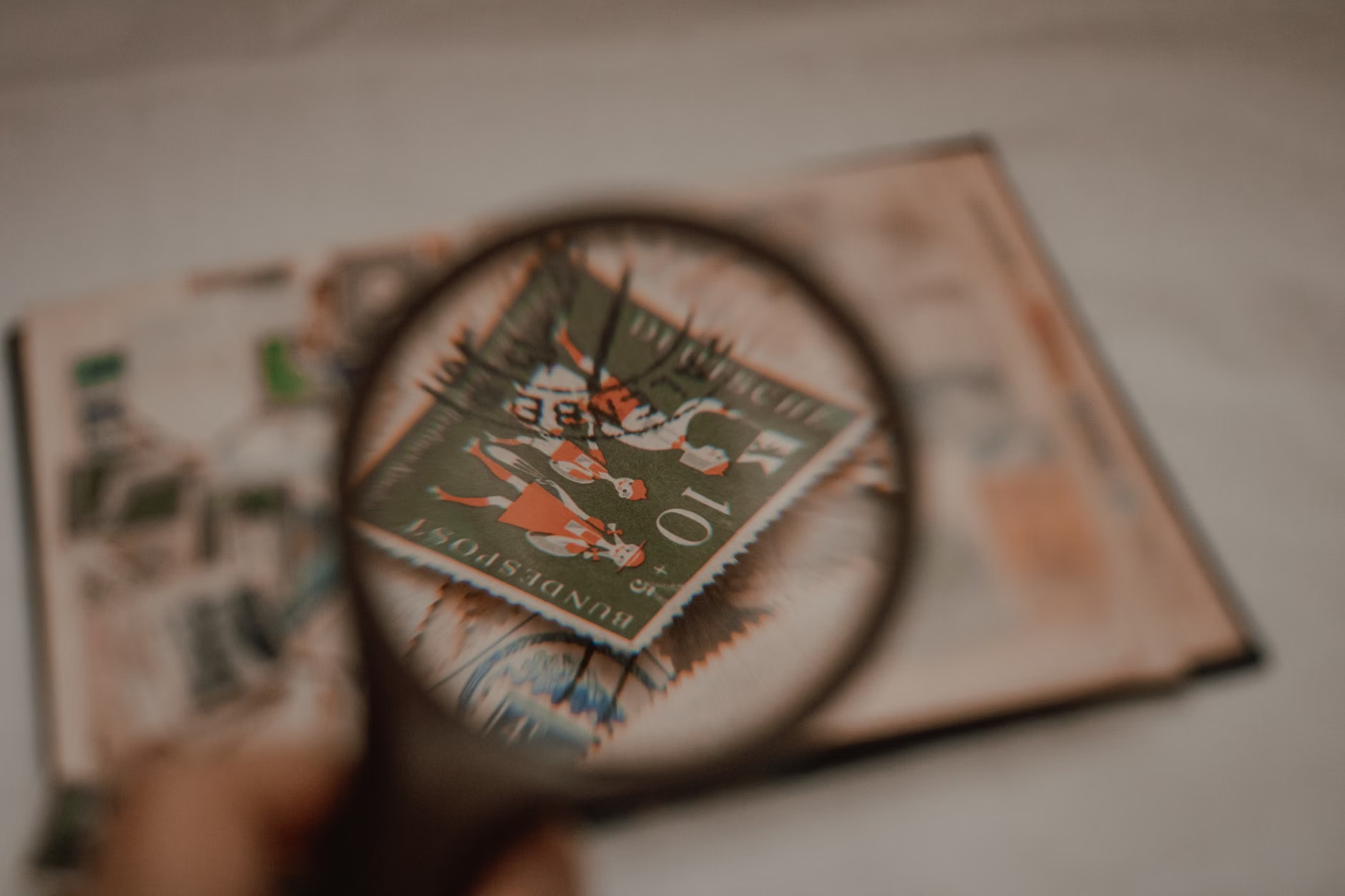
- Logistical Preparation: Carry a small, lightweight “kit” including a magnifying glass, a measuring tape, and a list of specific item dimensions to minimize physical strain and guesswork.
Understanding the Physical Demands of Antique Markets
Antique markets are often held in unconventional spaces: repurposed warehouses, uneven grass fields, historic town squares, or industrial parking lots. Unlike a climate-controlled shopping mall, these environments present unique challenges to stability, stamina, and comfort.
The primary concern for any visitor is the surface quality. Many outdoor antique fairs are held on gravel, uneven cobblestones, or soft grass, all of which pose a significant risk for those with balance issues or those using walking aids. Before deciding to visit a market, check the venue’s official website or contact the organizers directly to ask: “Is the market held on paved ground, and are there accessible restrooms near the main entrance?”

Mapping Your Energy: The 45-Minute Rule
One of the most common mistakes is attempting to cover an entire massive venue in a single session. This leads to “excursion fatigue,” where your focus shifts from the enjoyment of the items to merely finding a way home. Implement the 45-Minute Rule: plan to browse for 45 minutes, then take a dedicated 15-minute rest. This helps prevent muscle fatigue and preserves your mental clarity, which is essential for evaluating the quality and value of antiques.
Essential Gear for a Comfortable Experience
Preparation is the difference between an exhausting trip and a memorable day out. Your “market kit” should be lightweight but functional. Carrying too much is a burden, but lacking the right tools can force you to bend, reach, or strain unnecessarily.
| Item | Purpose | Benefit for Older Adults |
|---|---|---|
| Portable Folding Stool | Instant seating | Allows for rest whenever needed, regardless of crowd size. |
| Magnifying Glass | Detailed inspection | Prevents the need to hunch over or lean into tight spaces. |
| Retractable Tape Measure | Sizing checks | Avoids the need to lift heavy items to estimate their size. |
| Small Backpack/Crossbody | Hands-free carrying | Keeps your center of gravity stable and hands free for balance. |
The portable folding stool is perhaps the most important tool. Look for lightweight aluminum models that weigh less than 1kg. Being able to sit down in the middle of an aisle to inspect a lower shelf or wait for a companion to finish a transaction provides a sense of independence and control over your environment.
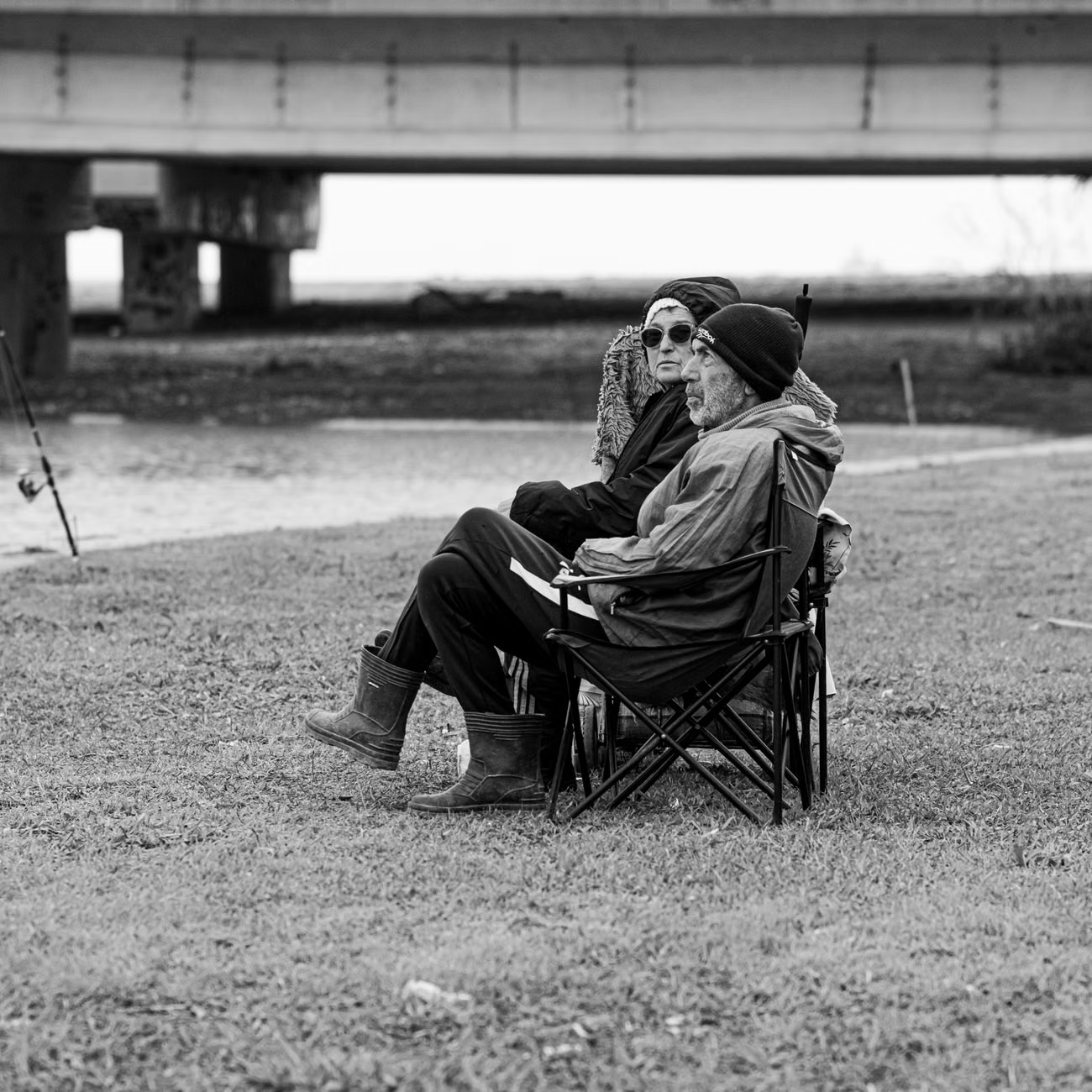
Accessibility in antique markets is rarely standardized. Some markets in historic European cities may be located in areas with steep inclines, while large American antique malls might be housed in single-story, ADA-compliant (Americans with Disabilities Act) buildings.
Evaluating Venue Accessibility
When researching a destination, look for the following indicators of an accessible event:
- Venue Type: Convention centers and purpose-built exhibition halls are almost always the most accessible options due to wide, level corridors and elevators.
- Parking Proximity: Does the venue offer designated accessible parking near the entrance? A long walk from the car to the gate can consume a significant portion of your daily energy budget before you even see the first stall.
- Restroom Availability: Are there permanent, accessible toilets, or are they relying on temporary portable units? Portable units are often narrow and have high steps, which can be a significant barrier.
If you find that a market is held in a challenging environment (like a hilly park), consider visiting during the “off-peak” hours—usually the first or last two hours of the event. Fewer crowds mean you can move at your own pace without feeling rushed or obstructed by other shoppers.
Strategic Shopping: How to Buy Without Overexertion
The act of buying antiques often involves heavy lifting or moving items. Never feel pressured to move an item yourself. If you are interested in a piece that is too heavy or awkwardly placed, politely ask the vendor: “Could you please show me the condition of the base?” or “Would you mind moving this for a closer look?”
Vendors are almost always happy to assist, as it is in their interest to make a sale. Furthermore, if you decide to purchase a large or heavy item, do not carry it yourself. Most professional antique dealers have a system for holding items until you are ready to leave, or they can coordinate a “load-out” where they bring the item to your car at the end of the day. Utilize these services to protect your back and maintain your physical stamina.
Digital Tools to Enhance Your Experience
Modern technology can also make your trip easier. Use your smartphone to take photos of items you are considering. Comparing photos of two different items side-by-side on your screen is much easier than walking back and forth between two stalls. Additionally, use an app to keep track of the vendors’ locations or stall numbers so you don’t have to wander aimlessly if you decide to return to a stall later.
Health Considerations and Daily Wellbeing
Shopping for hours can be a form of moderate aerobic exercise. If you have concerns about your stamina, treat the day like an athletic event. Hydration is key; carry a reusable water bottle. Dehydration can lead to dizziness, which is particularly dangerous when navigating crowded or uneven spaces.
If you take regular medication, ensure your schedule is flexible. If you normally take a dose at noon, plan your lunch break at a nearby cafe at that time. Do not skip or delay medication to “fit in more shopping.” Staying on your routine ensures you maintain the energy and focus needed to enjoy the hobby safely.
Lastly, pay attention to environmental factors. Antique markets are often drafty or overly warm depending on the season. Dress in layers—a light, breathable base layer with a warm cardigan or jacket allows you to adjust to the temperature of different stalls without carrying bulky outerwear.
Conclusion: The Joy of the Hunt
Antique market shopping is about the story behind the item and the pleasure of the hunt. By prioritizing your physical needs, using the right tools, and planning your visit with care, you can ensure that your hobby remains a source of joy rather than a source of stress. Start small, visit local markets first to test your stamina, and always remember that the best find is the one you can enjoy without compromising your health or comfort.
Frequently Asked Questions
Q1: What should I do if the antique market I want to visit is on gravel?
A: Gravel is notoriously difficult for canes and wheeled walkers. If you must attend, look for a mobility aid with wider, all-terrain wheels. If this is not possible, consider bringing a companion who can assist you, or choose to visit only the paved sections of the market if it is a hybrid venue.
Q2: How can I avoid the physical strain of carrying heavy items while shopping?
A: Always ask the dealer for a “hold” or “tagging” service. Most established vendors will write your name on a tag and keep the item behind their counter until you are ready to depart. Always confirm the pickup process before finalizing your purchase.
Q3: Are there specific times of day that are better for older shoppers?
A: Yes. Arriving at the opening time allows you to navigate the aisles before the mid-day rush. Conversely, arriving two hours before closing can also be quieter, though some vendors may start packing up early. Check the market’s specific closing policies before banking on those final hours.
Official resources for planning accessible travel and events:
ADA National Network (USA)
Inclusive Transport Strategy (UK)