- Consistency over Intensity: Gentle, daily movement is more effective for managing arthritic stiffness than occasional, high-intensity stretching.
- Pain as a Compass: Discomfort is expected, but sharp, shooting pain is a signal to stop immediately and adjust your range of motion.
- Preparation is Essential: Warming up your joints with a warm compress or gentle massage before stretching significantly reduces the risk of tissue strain.
Maintaining hand dexterity is essential for preserving independence in daily tasks, such as opening jars, buttoning shirts, or managing digital devices. For those living with arthritis, the hands often become stiff and painful, particularly in the morning or after periods of inactivity. This article provides a structured approach to seated hand stretches, focusing on safety, consistency, and practical techniques to help you maintain mobility without overexerting your joints.
Understanding Why Hand Mobility Matters
Arthritis, particularly osteoarthritis and rheumatoid arthritis, affects the synovial lining and cartilage of the joints in the fingers and wrists. When these joints are not moved through their full, comfortable range of motion, the surrounding tendons and ligaments can tighten, leading to increased stiffness and a diminished ability to perform fine motor tasks.
The goal of these exercises is not to “cure” arthritis but to improve the lubrication of the joint capsule and maintain the elasticity of the surrounding soft tissues. Think of your joints like the hinges of a door; if they remain closed for too long, they may stick. Gentle, regular movement acts as the oil that keeps the hinge moving smoothly.

Preparation: Setting the Stage for Safe Stretching
Before beginning any routine, it is crucial to prepare your joints to prevent injury. Jumping straight into stretches with “cold”, stiff joints can cause minor tears or unnecessary inflammation.
1. Warmth Therapy
Applying gentle heat for 10–15 minutes before exercises can increase blood flow to the area and make the connective tissues more pliable. You might use a microwavable bean bag, a warm water soak, or a specialized paraffin wax bath. Ensure the heat is soothing, not scalding.
2. The Importance of Posture
Since these exercises are performed seated, your posture matters. Sit in a chair with firm back support, keep your feet flat on the floor, and ensure your forearms are supported by a table. This reduces the strain on your neck and shoulders, allowing you to focus entirely on the hand movements.
3. The “Pain-Free” Rule
Establish a baseline. If you feel a “stretch” or mild discomfort, this is often normal. If you feel a sharp, stabbing sensation, or if the pain lingers for more than an hour after the session, you have pushed too far. Always aim for the “edge” of your current ability, not the limit of your endurance.
A Step-by-Step Seated Stretching Routine
Perform these exercises slowly. If you have a flare-up of inflammation, reduce the number of repetitions or skip the day entirely until the acute pain subsides.
The Finger Fan (Finger Spreads)
This exercise helps maintain the space between your fingers and improves the strength of the intrinsic hand muscles.
- Place your hand flat on a table, palm down.
- Slowly spread your fingers as wide as you can comfortably manage.
- Hold for 5 seconds.
- Relax your fingers and bring them back together.
- Repeat 5–10 times for each hand.
The “C” and “O” Grip
This targets the flexibility of the thumb and the range of motion of the finger joints.
- Hold your hand up with fingers straight.
- Curve your fingers to form a “C” shape, focusing on the knuckles.
- Straighten your fingers again.
- Bring your thumb and fingers together to form an “O” shape (the “OK” sign).
- Repeat this transition 5 times.
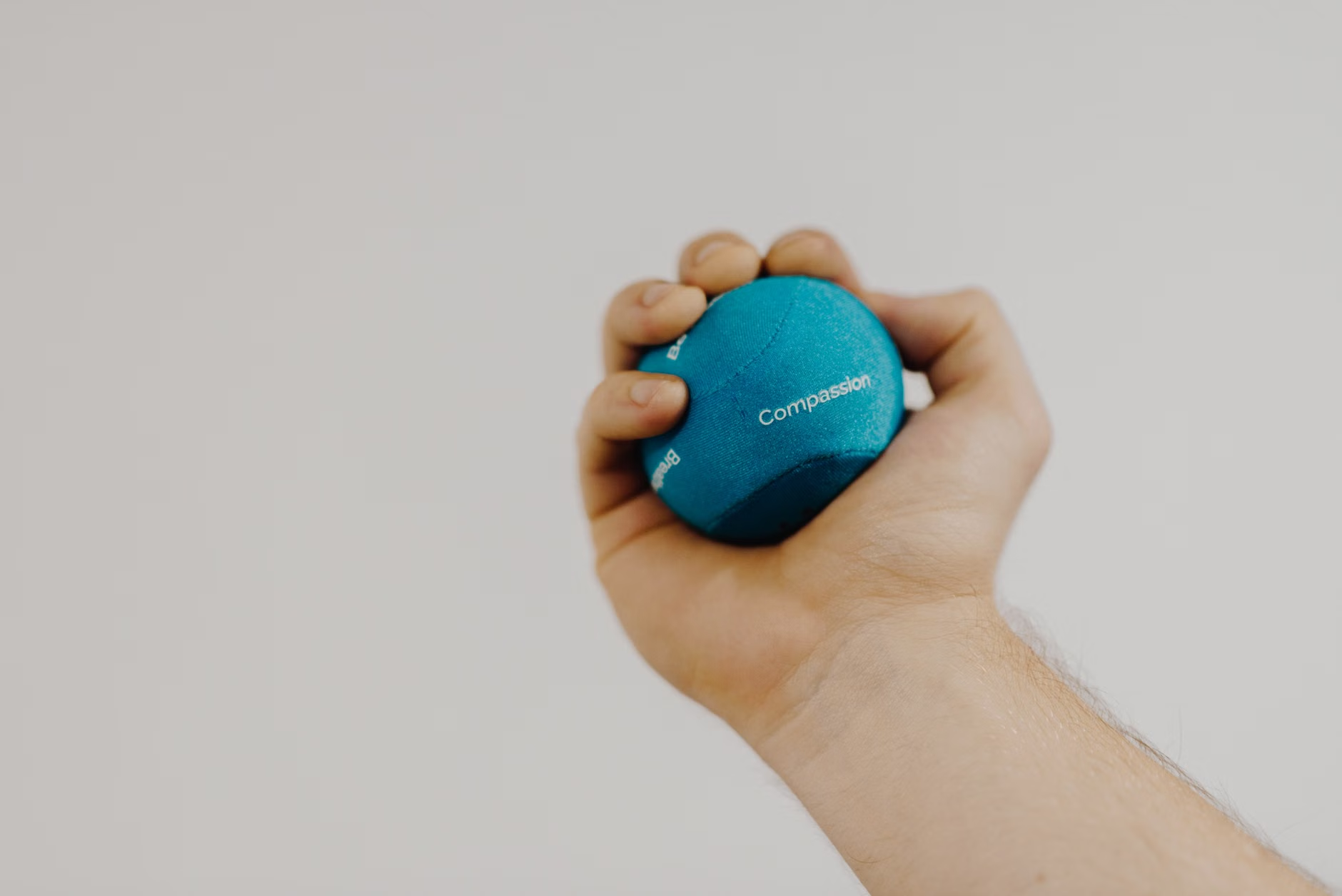
Integrating Tools: Beyond Simple Stretches
Sometimes, simple body-weight stretches need a little help. Using tools can provide resistance or support depending on your specific needs.
| Tool | Primary Benefit | Best For |
|---|---|---|
| Soft Foam Stress Ball | Builds grip strength | Those with mild stiffness looking to maintain muscle tone. |
| Therapy Putty | Resistance training | Individuals who need to work on specific finger isolation. |
| Finger Weights | Increased challenge | Advanced users; requires professional guidance to avoid strain. |
If you choose to use a stress ball, select one that is soft enough to compress without significant effort. The goal is to squeeze with a steady, controlled motion, not to crush the object. Hold the squeeze for 3 seconds, then release slowly. Do not rush the release, as the eccentric (lengthening) phase of the muscle contraction is just as important as the squeeze.
When to Consult a Professional
While these exercises are generally safe, there are specific scenarios where you should stop and consult a physical therapist or your primary healthcare provider:
- Persistent Swelling: If your joints remain hot or swollen for more than 24 hours, you may be dealing with an active inflammatory flare that requires medical management.
- Locking or Catching: If your finger gets “stuck” in a bent position (often called trigger finger), do not force it straight. This requires professional assessment.
- Numbness or Tingling: These are often signs of nerve compression (such as Carpal Tunnel Syndrome) rather than arthritis, and they require a different treatment approach.
Practical Insights for Daily Life
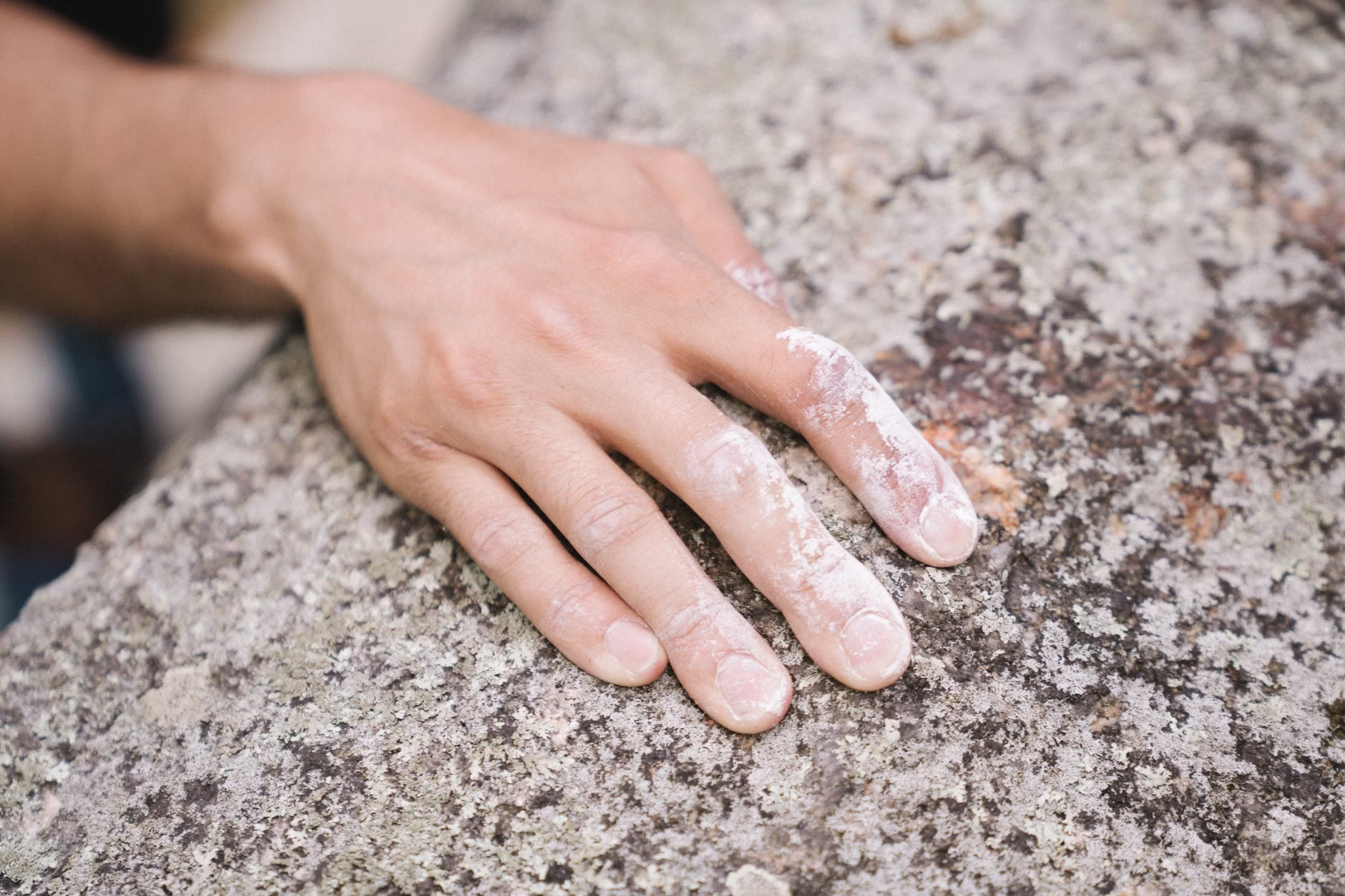
Beyond formal exercise, how you use your hands throughout the day can either exacerbate or alleviate symptoms. Consider these “ergonomic” adjustments:
- Use Larger Grips: Modify your kitchen tools, pens, and toothbrushes with foam tubing or thicker handles. This reduces the pressure on your smaller finger joints.
- Avoid Pincers: Whenever possible, use your whole hand to carry objects rather than pinching them between your thumb and index finger.
- Frequent Breaks: If you are knitting, typing, or gardening, set a timer for 20 minutes. When the timer goes off, stop and perform two or three of the “Finger Fan” stretches mentioned above.
Managing Expectations and Longevity
It is important to understand that the progress you make with hand mobility is often slow and cumulative. You might not notice a change in a day or even a week, but over several months, the cumulative effect of daily, gentle movement is significant.
Avoid the temptation to “catch up” if you miss a day. If you haven’t performed your stretches for three days, do not perform three days’ worth of exercises at once. Simply resume your normal routine. Overloading the joints in an attempt to compensate for lost time is a common mistake that leads to increased pain and potential setbacks.
Finally, remember that arthritis management is a holistic endeavor. While these stretches are a powerful tool, they work best when combined with a balanced diet, adequate hydration, and overall physical activity. If you are ever unsure about a specific movement, reach out to a certified occupational therapist, who specializes in the function of the hands and can provide a personalized plan tailored to your specific joint anatomy.
Frequently Asked Questions
1. How many times a day should I perform these stretches?
For most individuals, performing these stretches once or twice a day—ideally in the morning when stiffness is at its peak and once in the evening—is sufficient. The key is consistency, not frequency. Doing five minutes every day is far more beneficial than doing thirty minutes once a week.
2. Can I use cold packs instead of heat?
Cold therapy is excellent for reducing acute inflammation or swelling, especially if you have had a particularly active day. However, heat is generally preferred before exercising because it improves tissue elasticity. Use heat to prepare for movement and cold to soothe the joints after you have finished your routine.
3. Are there any specific signs that I am overdoing it?
Yes. If you notice increased redness, lingering pain that lasts more than an hour after the session, or a decrease in your normal range of motion the following day, you have likely exceeded your current tolerance. Reduce the intensity or the number of repetitions and allow your joints a full day of rest before trying again at a lower intensity.
Note: This content is for informational purposes only and does not constitute medical advice. Always consult with a healthcare professional before starting a new exercise regimen, especially if you have pre-existing conditions or are experiencing severe pain.
For more information on arthritis management, you may visit the Arthritis Foundation for resources on daily living and joint health.