- Verify the “Vertical Reality”: Historic towers often lack lifts; confirm the exact number of steps and the availability of intermediate rest landings before booking.
- Prioritize Digital Accessibility Checks: Use Google Street View and virtual 360-degree tours to assess entry thresholds and narrow passages before arriving on-site.
- Plan for “Pacing Recovery”: Allocate at least 60 minutes of rest time before and after a tower climb to manage stamina and ensure a comfortable experience.
The allure of a historic clock tower—the intricate gears, the panoramic view of a centuries-old cityscape, and the resonance of the bells—is a highlight for many travelers. However, for those aged 60 to 80, the physical demands of these structures can turn a dream excursion into a logistical challenge. Many historic towers were built before modern accessibility standards, characterized by steep, narrow spiral staircases and uneven masonry.
Selecting an accessible clock tower tour requires more than just checking a “wheelchair accessible” box online. It involves a strategic evaluation of your own mobility, the specific infrastructure of the site, and the support services provided by the tour operator. This guide provides a framework for evaluating these iconic landmarks to ensure your visit is enjoyable, safe, and stress-free.
The Anatomy of Tower Accessibility: Why “Historic” Means “Challenging”
Understanding why clock towers present specific barriers is the first step in planning. Most of these structures were designed for utility and defense, not for public visitation. The primary physical hurdles include:
- Spiral Staircases: Often constructed with “winders” (pie-shaped steps) that are narrow at the inner radius and lack consistent height.
- Lack of Handrails: In many heritage sites, installation of modern safety railings is restricted to protect the historical integrity of the building.
- Uneven Flooring: Centuries of foot traffic have often worn down stone steps, creating trip hazards that require high situational awareness.
When you research a location, do not rely on generic labels like “accessible.” Instead, look for concrete data. Does the tower feature a modern lift? If not, is there a virtual reality (VR) experience at the base? Understanding the difference between full physical access and “representative access” allows you to set realistic expectations.
Evaluating Your Personal Mobility Threshold
Before booking, conduct a self-assessment based on your current physical comfort level. Ask yourself the following questions:
| Factor | Consideration | Actionable Step |
|---|---|---|
| Stamina | Can I climb 50 steps without significant breathlessness? | Check if the tour has “resting landings” every 20-30 steps. |
| Balance | Do I feel secure on uneven, narrow surfaces? | Inquire if the tower has continuous handrails on both sides. |
| Vertigo | Am I comfortable with heights or open-grate flooring? | Search for photos of the observation deck floor to ensure it is solid. |
Strategies for Vetting Tour Operators and Sites
Not all tours are created equal. Some operators prioritize speed, while others focus on the needs of mature travelers. When contacting a venue, use a direct inquiry template to get the information you need.
The “Three-Point Inquiry” Method:
- The Entry Point: “Is the entrance threshold flush with the ground, or are there steps to navigate before reaching the lift or stairs?”
- The Vertical Transition: “If there is no elevator, what is the maximum number of consecutive steps, and are there benches or rest points midway?”
- The Observation Deck: “Is the viewing area enclosed with glass or an open railing? Is there permanent seating available for those who need a moment to recover?”
If an operator cannot answer these questions, it is a strong signal that the site may not be prepared for visitors with specific accessibility needs. High-quality tourist authorities, such as the VisitBritain accessibility guides or the VisitScotland information pages, often provide detailed accessibility audits for major landmarks. Use these official resources as a baseline for your research.
Managing Stamina: The “Double-Rest” Rule
Even for those in excellent health, the cumulative impact of travel—jet lag, walking on cobblestones, and changing climates—can reduce your stamina. Applying the “Double-Rest Rule” is a simple but effective strategy.
What it is: For every hour of physically demanding activity (like climbing a clock tower), you must schedule two hours of “low-impact recovery” afterward. This isn’t just about sitting; it’s about choosing a venue that allows for seated, passive observation.
Why it matters: Older adults often experience a slower recovery rate for muscle fatigue compared to younger travelers. Pushing through exhaustion increases the risk of falls and diminishes the enjoyment of the experience. By scheduling a seated lunch or a quiet museum visit immediately following your tower tour, you allow your body to recalibrate.
Real-Life Scenario: The Clock Tower Itinerary
Imagine visiting a historic tower in a city like Florence or Prague. Instead of planning a full day of walking, your itinerary should look like this:
- 09:00 AM: Arrival at the tower (less crowded, cooler temperatures).
- 09:30 AM: The Tour (45 minutes of climbing and viewing).
- 10:15 AM: Immediate recovery (15 minutes of seated observation at the top, if available).
- 10:45 AM: Transition to a nearby café (seated, low-effort activity).
- 11:30 AM: Mid-day rest back at your accommodation.
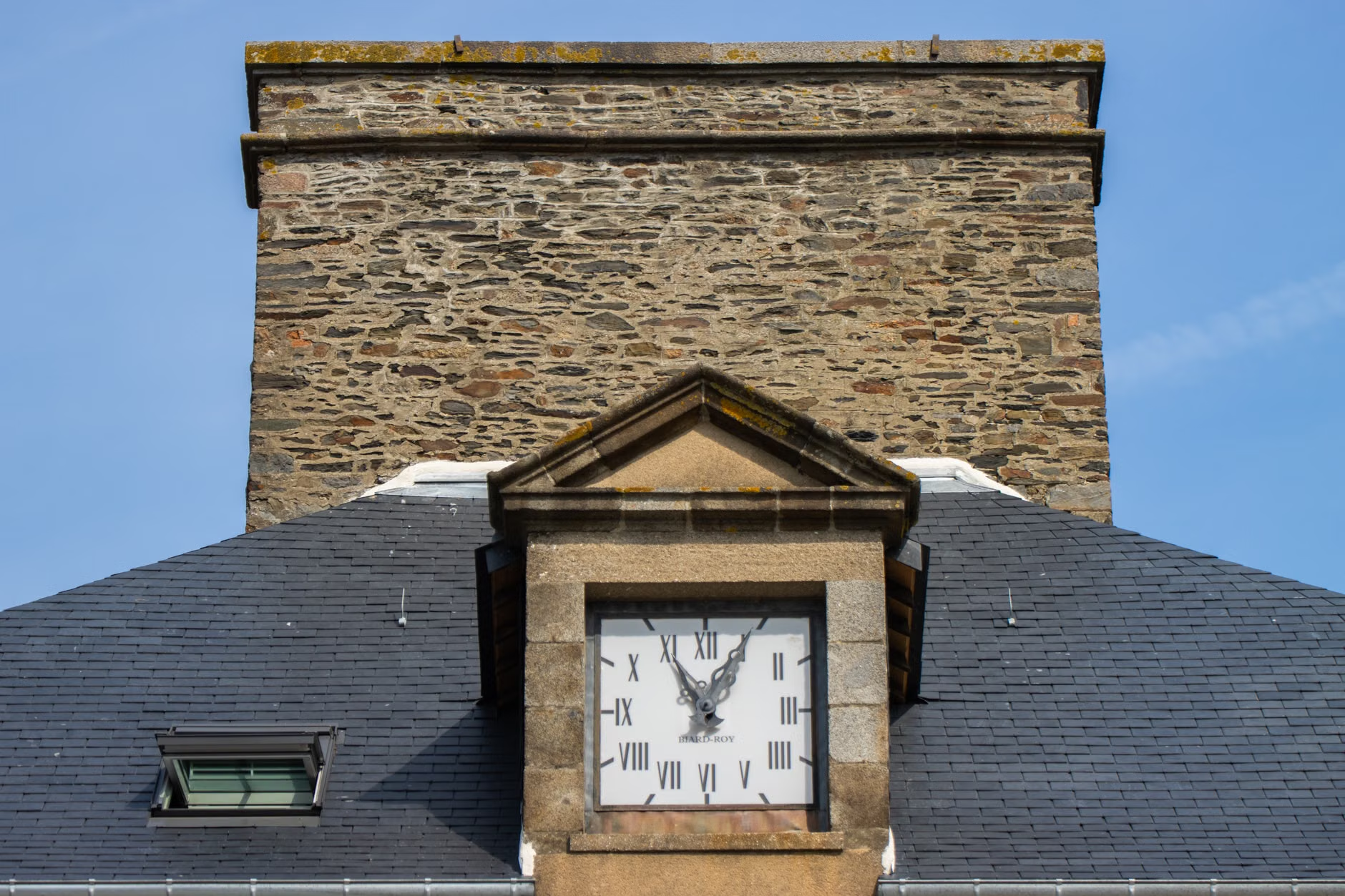
Technological Aids for Virtual Access
If a physical climb is not feasible, do not assume you have to miss out on the experience. Many historic sites have invested in high-definition virtual tours. These are often located in the visitor center at the base of the tower.
Modern VR headsets or even large-screen projections can provide an immersive experience of the view from the top, the mechanism of the clock, and the history of the building without the physical strain. When researching, ask the venue if they offer an “accessible digital alternative.” This is increasingly common in UNESCO World Heritage sites that struggle to balance preservation with modern accessibility requirements.
Checking Accessibility via Digital Tools
You can perform a “pre-visit” using digital tools from your home:
- Google Street View: “Walk” up to the entrance of the tower to see if there are steps, ramps, or heavy doors that might be difficult to open.
- YouTube Search: Search for “[Tower Name] tour video.” Watching a video of someone walking through the space gives you a clear visual of the staircase width and lighting conditions.
- TripAdvisor/Google Reviews: Filter reviews by “Accessibility” or search for keywords like “stairs,” “steps,” or “elevator” to see recent traveler reports.
Safety Protocols and Emergency Preparedness
When visiting older structures, safety is paramount. Always inform a staff member if you are traveling with a mobility aid or if you have concerns about your stamina. They are often trained to provide assistance or offer alternative routes that aren’t advertised to the general public.
Essential Safety Checklist:
- Medication: Keep your essential medications in your day bag, not in your checked luggage or hotel room, in case of unexpected delays.
- Communication: Ensure your phone is fully charged and that you have the local emergency number saved. In Europe, this is 112; in the US, 911.
- Identification: Carry a small card with your name, emergency contact, and any critical medical information in the local language of the country you are visiting.
If you find yourself in a situation where you feel unsafe or overly fatigued, it is perfectly acceptable to terminate the tour early. Most reputable tour companies have a procedure for assisting guests back to the ground level via a service elevator or by simply retracing their steps with a guide.
Conclusion: Prioritizing Your Experience
The joy of travel in your 60s, 70s, and beyond comes from the freedom to curate your own experiences. Selecting an accessible clock tower tour is about finding the balance between the thrill of discovery and the necessity of comfort. By vetting sites thoroughly, managing your stamina with the Double-Rest Rule, and leveraging digital alternatives, you can enjoy these historic marvels on your own terms.
Remember, the goal of any landmark visit is to create a lasting memory, not to test your physical endurance. If a tower is not accessible, there is no shame in choosing a different, equally magnificent experience that aligns with your comfort. Your time and energy are the most valuable assets in your travel portfolio; spend them wisely.
Frequently Asked Questions
Q: Are all “accessible” tours suitable for those who use a cane?
A: Not necessarily. “Accessible” can mean different things depending on the site. A tower might be wheelchair accessible but still require navigating a short flight of stairs or uneven surfaces that could be difficult with a cane. Always ask for specific details regarding the number of steps and the nature of the terrain.
Q: Can I bring a folding stool for extra rest?
A: Most venues allow lightweight, portable folding stools, but it is best to check the site’s “Prohibited Items” list on their website before your visit. Some historic sites restrict these due to space constraints or the risk of damage to delicate stone floors.
Q: What should I do if I get halfway up and realize I cannot continue?
A: Alert your guide or the nearest staff member immediately. Do not attempt to continue if you feel lightheaded or excessively fatigued. Most towers have staff trained in emergency evacuation or can guide you to a lower-level exit or a secondary lift that is reserved for staff, ensuring you get down safely.
For more information on planning accessible travel, visit the European Network for Accessible Tourism (ENAT) or the SAGE Traveling resources for global insights on accessibility standards.