- The Three-Layer Rule: Utilize a base layer for moisture management, an insulating middle layer for warmth, and a shell layer for wind and rain protection to adapt to rapidly changing mountain temperatures.
- Prioritize Footwear and Stability: Choose shoes with high-traction outsoles and ankle support; always pack lightweight, foldable trekking poles to reduce joint impact and increase balance on uneven terrain.
- Medication and Health Management: Carry a hard copy of your medication list, a small first-aid kit with blister care, and ensure your itinerary allows for 20% more rest time than you would require at sea level.
Mountain travel offers unparalleled beauty, but it presents a unique challenge: the weather is rarely static. For travelers aged 60 to 80, the primary goal of packing is to maintain comfort and safety while navigating shifts in temperature, humidity, and atmospheric pressure. This guide focuses on tactical preparation, ensuring your physical comfort and mobility remain the priority throughout your journey.
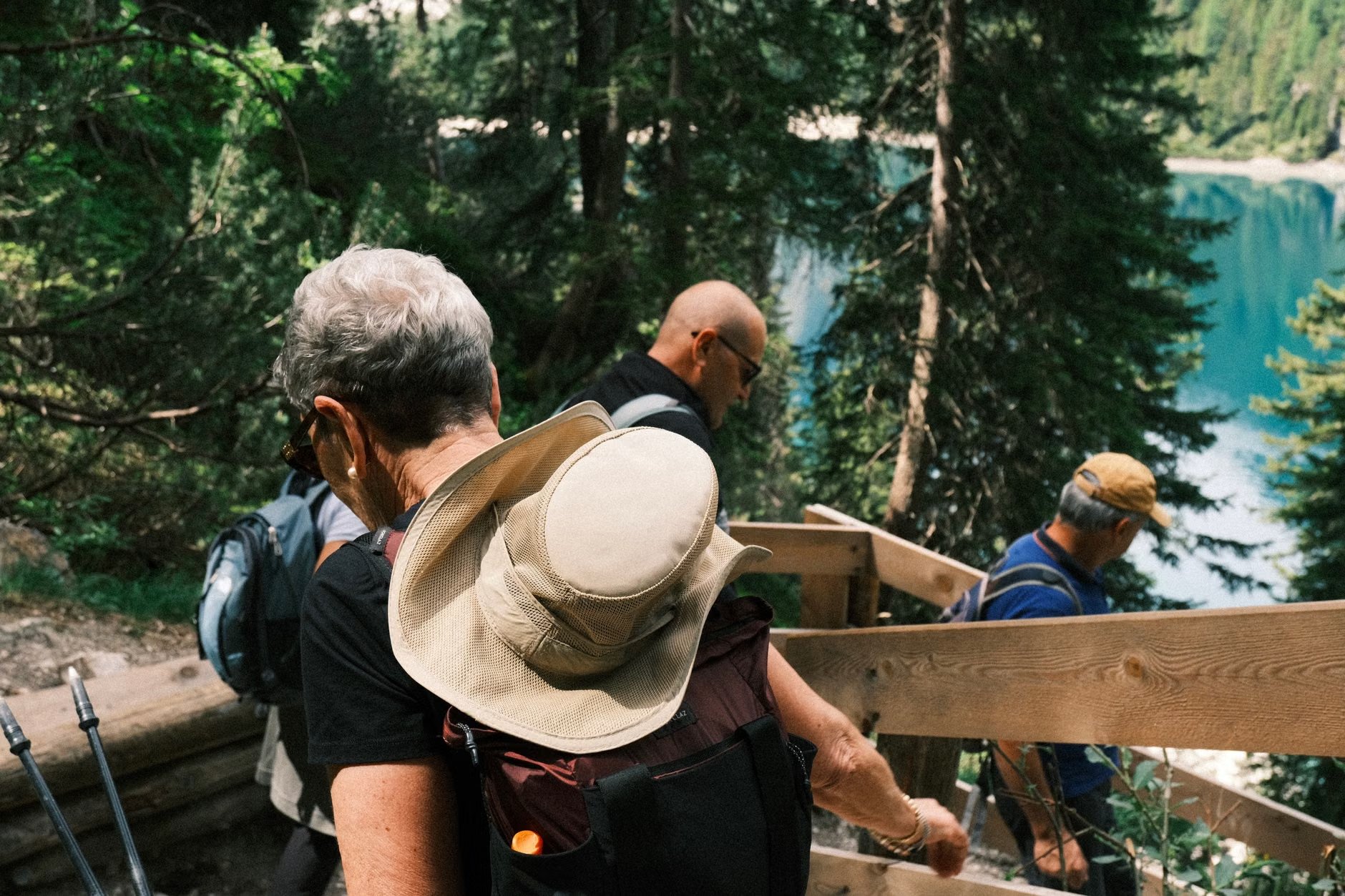
Understanding the Mountain Microclimate
Mountain weather is governed by altitude and topography. A clear, sunny morning at a village base can transform into a chilly, windy afternoon at a mountain pass within hours. For the senior traveler, this variability is not just a nuisance—it is a physiological factor that affects stamina and circulation.
Why layering is superior to heavy coats: When you wear one heavy garment, you are forced to choose between being too hot or too cold. By using the “three-layer system,” you can adjust your body temperature in real-time as you move from shaded trails to sun-drenched viewpoints.
| Layer | Function | Recommended Material |
|---|---|---|
| Base Layer | Moisture-wicking | Merino wool or synthetic blends (avoid cotton) |
| Middle Layer | Heat retention | Fleece or lightweight down/synthetic puffer |
| Outer Shell | Wind and rain protection | Breathable, waterproof technical fabric |
The Cotton Trap: Many travelers mistakenly pack cotton shirts for mountain trips. Cotton absorbs moisture and stays wet, which can lead to rapid heat loss if the temperature drops. Always prioritize wool or synthetic fibers that dry quickly to keep your body temperature stable.
Footwear and Mobility on Uneven Terrain
Your feet are your primary mode of transport. In mountain regions, the ground is often uneven, featuring gravel, loose rock, or steep inclines. The risk of falls or twisted ankles is statistically higher in these environments, making the selection of footwear a critical safety decision.
Selecting the Right Tread
When shopping for footwear, look for “lugged” outsoles—the deep, rubber grooves on the bottom of the shoe. These provide the traction necessary to prevent slipping on damp grass or loose gravel. Avoid standard walking sneakers with smooth soles, as they do not offer sufficient grip for mountain paths.
The Role of Trekking Poles
Trekking poles are not just for professional hikers. For older adults, they serve as a mobile extension of your stability. They distribute weight away from your knees and hips, effectively reducing the impact on your joints by up to 25% during descents. Always opt for telescopic, collapsible poles that can be packed into a suitcase or checked bag.
Managing Stamina and Altitude
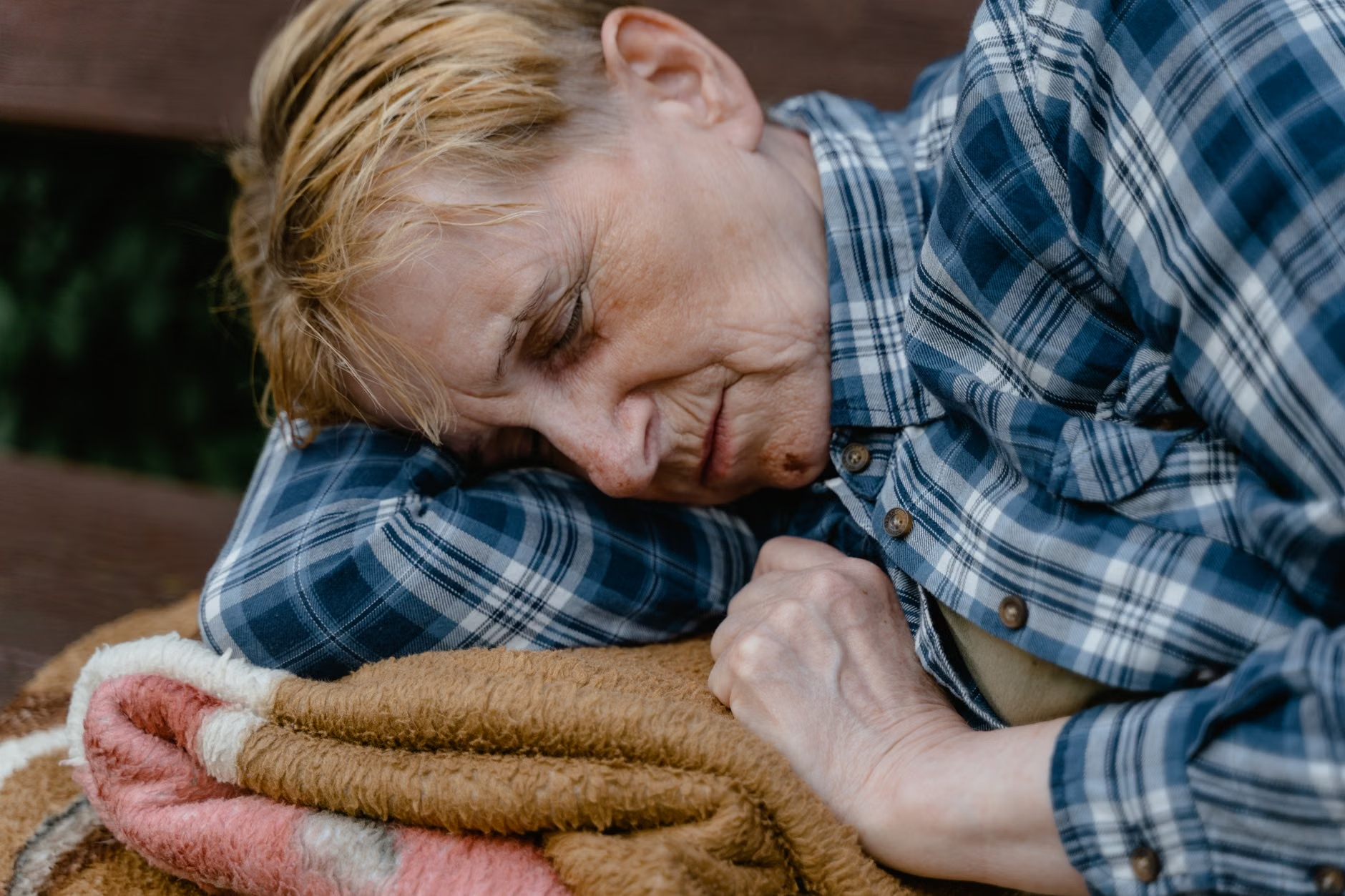
Altitude affects everyone differently, regardless of fitness level. At higher elevations, the air is thinner, which may cause you to breathe faster and feel fatigued more quickly. Planning your itinerary with a “recovery-first” mindset is the most effective way to enjoy the trip without exhaustion.
The 20% Rule
If you would normally plan to walk for two hours in your hometown, cap your mountain activity at 90 minutes. This 20% reduction accounts for the extra energy your body spends adjusting to altitude and navigating uneven terrain. Always include a “buffer” day in your itinerary where no major activities are scheduled, allowing your body to acclimate.
Hydration and Nutrition
Mountain air is often significantly drier than the air at lower elevations. This dryness, combined with increased physical activity, can lead to dehydration before you feel thirsty. Carry a reusable water bottle that is easy to grip and open. Aim to drink small amounts of water every 30 minutes, rather than large amounts at once, to maintain fluid balance.
Practical Packing Checklist for Health and Safety
Packing for a mountain trip requires a focus on self-sufficiency. Because mountain regions can be remote, quick access to pharmacies or medical services may be limited. Your packing list should reflect this reality.
- Medication Management: Keep all prescription medications in their original containers. Bring a copy of your doctor’s letter detailing your conditions and the medications you take.
- Blister Care: Even the most comfortable shoes can cause friction. Pack moleskin or high-quality gel blister pads. Applying these at the first sign of a “hot spot” on your foot can prevent a minor irritation from becoming a mobility-limiting injury.
- Sun Protection: UV radiation is significantly stronger at higher altitudes. Pack a wide-brimmed hat, polarized sunglasses, and broad-spectrum sunscreen. Even on cloudy days, the reflective power of mountain terrain can cause sunburn.
- Lighting: If you are staying in a cabin or a remote lodge, the paths to restrooms or common areas may not be well-lit at night. A small, lightweight LED headlamp is safer than a handheld flashlight, as it leaves your hands free to use handrails.
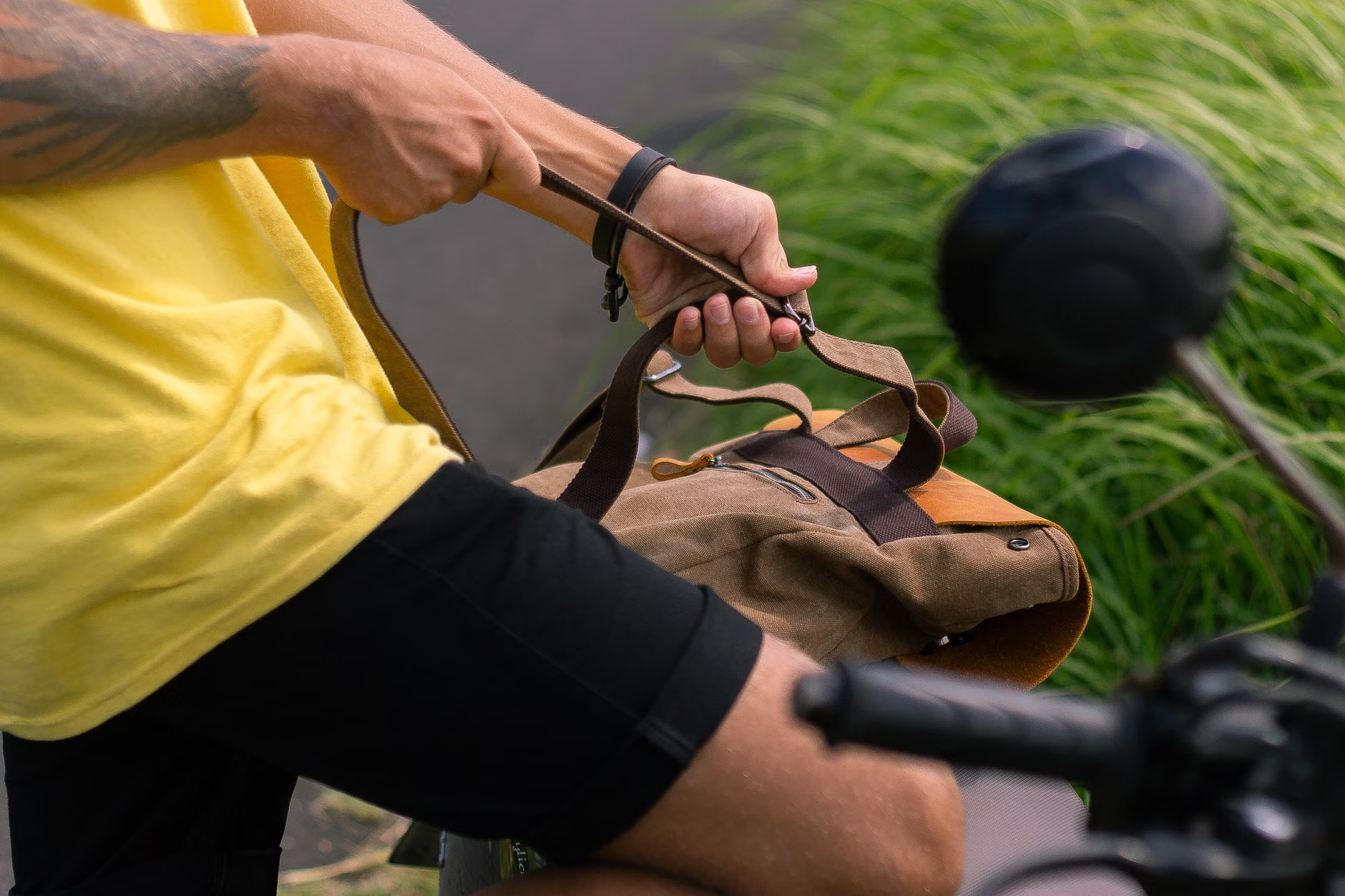
Mountain travel often involves smaller, winding roads and limited public transport. Before booking, verify the accessibility of your transfers. If you are using a mountain railway or cable car, check if there are stairs at the entry points or if there is level-access boarding.
A Note on Rental Cars: If you plan to drive, be aware that mountain roads often have tight switchbacks and steep grades. If you are not accustomed to these conditions, consider hiring a local driver for day trips to mountain passes. This allows you to focus on the scenery rather than the stress of navigating challenging roads.
Ensuring Peace of Mind
Before you depart, conduct a brief review of your travel insurance policy. Ensure it covers “mountain rescue” or “emergency medical evacuation.” While these services are rarely needed, having the policy information saved on your phone and printed in your wallet provides essential peace of mind.
Finally, communicate your daily plans to someone at home or your hotel reception. If you are going out for a walk, let someone know which trail you are taking and your expected return time. This is a standard safety protocol for all mountain travelers, regardless of age.
Conclusion: The Value of Measured Preparation
Mountain travel for seniors is entirely achievable and immensely rewarding when approached with intentionality. By focusing on layered clothing, stable footwear, and a pace that respects your body’s needs, you can mitigate the challenges of variable weather and terrain. Remember that the goal of a mountain trip is the experience of the environment, not the completion of a checklist. Take your time, prioritize your comfort, and enjoy the unique perspective that only high-altitude travel can provide.
Frequently Asked Questions (FAQ)
1. How do I know if the altitude will affect my specific health condition?
Before booking any travel to high-altitude regions (typically above 2,500 meters or 8,000 feet), consult with your primary care physician. They can provide guidance based on your medical history, particularly regarding heart or lung conditions. Always ask for a list of specific symptoms to watch for, such as persistent headaches or unusual shortness of breath, which may indicate that you need to descend to a lower altitude.
2. Are trekking poles allowed on airplanes?
Policies vary by airline and country. Most airlines require trekking poles to be packed in your checked luggage rather than your carry-on. Always check the specific luggage policy of your airline before heading to the airport to avoid having your gear confiscated at security. If you are traveling with only carry-on luggage, consider renting poles at your destination.
3. What should I do if I get caught in a sudden mountain storm?
The most important rule is to avoid panic. If you are on a trail, head toward the nearest shelter or return to the trailhead immediately. Do not attempt to “wait out” a storm in an exposed area. If you are in a vehicle, pull over to a safe, level spot away from trees or steep embankments and wait for the weather to clear. Mountain weather systems often move quickly, and waiting for an hour can often make the difference between a difficult journey and a safe one.
For further information on mountain safety and preparing for outdoor activities, you may refer to official resources such as the National Park Service Hiking Safety Guide, which provides comprehensive advice on equipment and weather preparedness applicable to many mountain regions globally.