- Prioritize Proximity: Always check if the lounge is located on the same level as your boarding platform to avoid unnecessary navigation through stairs or complex elevator systems.
- Verify Essential Features: Look for “step-free access,” “accessible restrooms,” and “dedicated assistance points” before booking lounge entry.
- Plan for Stamina: Use lounge access to minimize time spent in crowded, noisy, or standing-room-only terminal areas, especially during long transit windows.
Senior-Friendly Travel: Selecting Accessible Train Station Lounge Amenities
For the active older traveler, the train station lounge is more than just a luxury—it is a vital tool for maintaining energy, comfort, and peace of mind during a journey. Whether you are navigating a high-speed rail network in Europe or a regional line in North America, the right lounge provides a sanctuary away from the chaos of crowded platforms. This guide outlines how to evaluate and select the best lounge amenities to ensure your travel remains safe, accessible, and enjoyable.
Understanding the Role of Station Lounges in Senior Travel
When traveling, stamina management is the primary factor in ensuring a positive experience. Unlike the main concourse of a train station, which is often characterized by high-volume foot traffic, bright lights, and unpredictable noise, a lounge offers a controlled environment. For a traveler aged 60 to 80, the benefits of utilizing these spaces include reduced physical exertion and a calmer environment for checking schedules.
Many travelers assume that lounge access is strictly for business travelers or those with first-class tickets. However, many modern rail operators now offer “Day Passes” or pay-per-use options that are highly beneficial for older travelers. By paying a modest fee, you secure a seat, access to private restrooms, and professional assistance, which can significantly reduce the cognitive load of navigating a complex station.
Evaluating Accessibility: What to Look For
Not all lounges are created equal. When researching your transit route, you must look beyond the “luxury” marketing and focus on functional accessibility. Use the following criteria to determine if a lounge is suitable for your specific mobility needs.
1. Path of Travel and Level Access
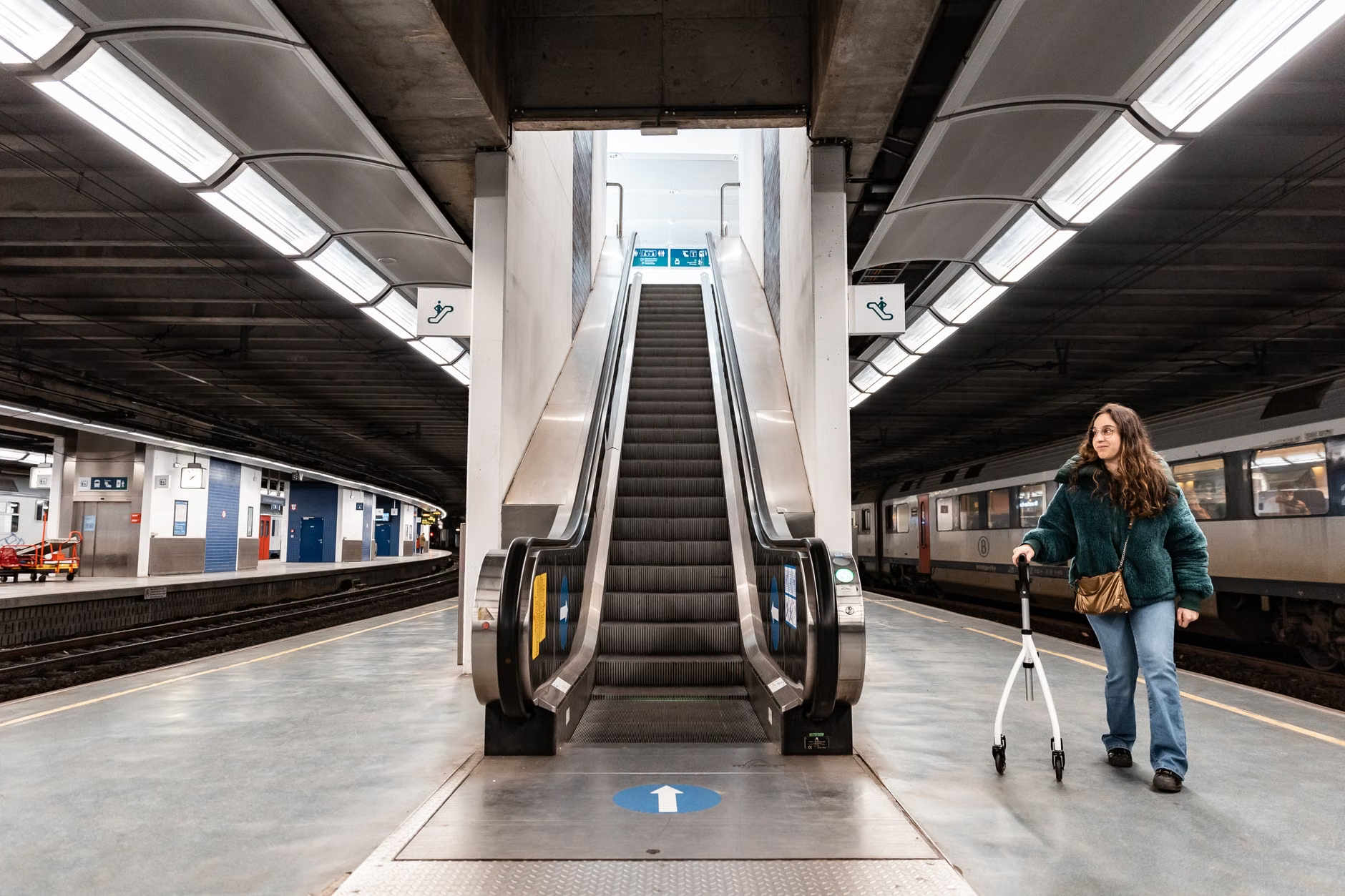
The most important factor is how you get to the lounge. A lounge located on the second floor of a station may be beautiful, but if the elevators are out of service or difficult to locate, it becomes a liability. Look for lounges that offer step-free access from the main entrance. If a lounge requires a long walk through a crowded terminal, consider requesting a station wheelchair service—a standard offering at most major international rail hubs—to assist you from the entrance to the lounge door.
2. Seating Ergonomics
Standard airport or station seating is often designed for efficiency rather than long-term comfort. Look for lounges that provide a variety of seating options. For older adults, chairs with firm cushions, armrests, and a seat height that allows for easy rising are essential. Avoid lounges that feature only low-slung sofas or high-top bar stools, as these can be physically taxing to transition into and out of.
3. Proximity to Accessible Toilets
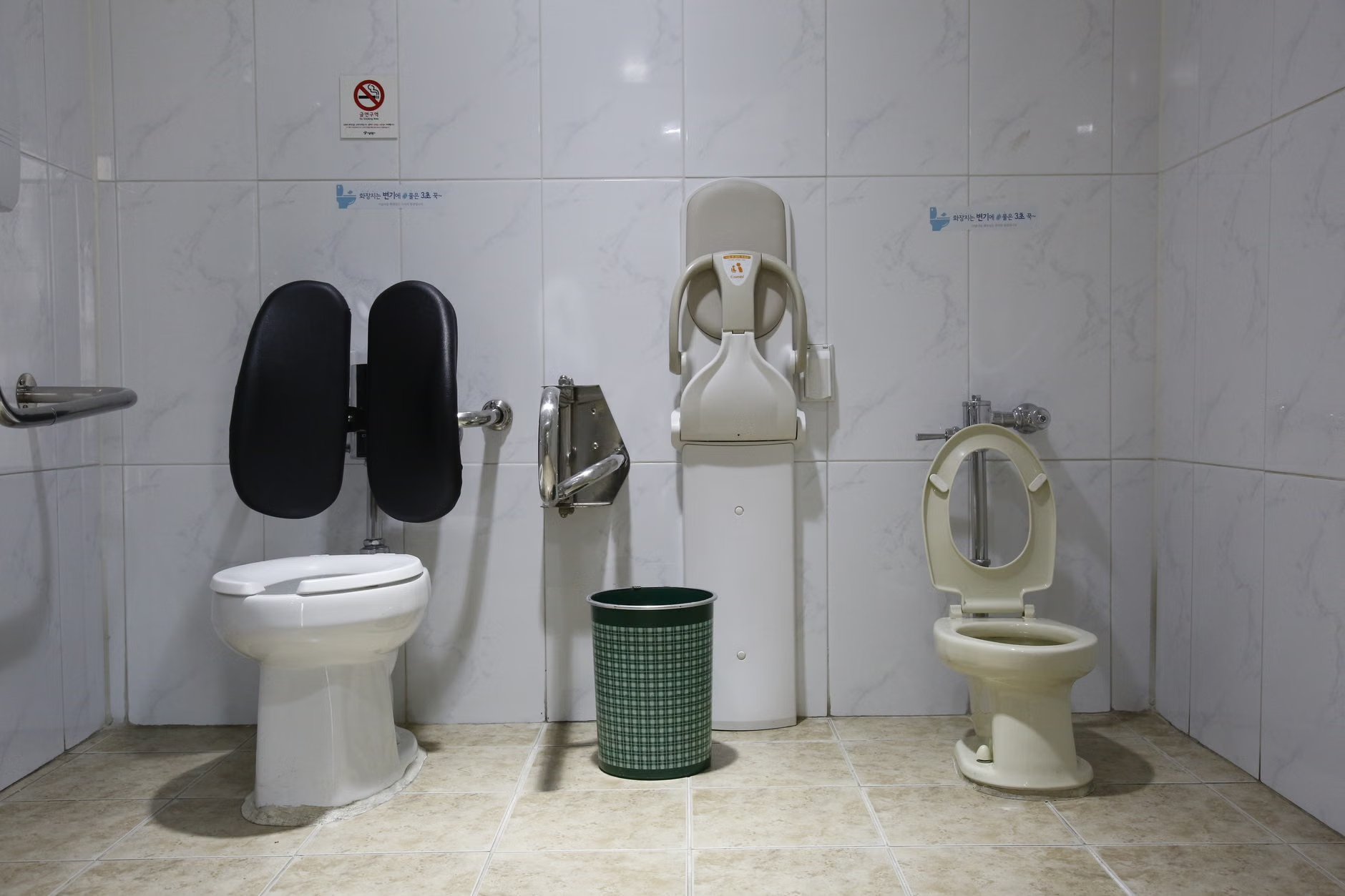
A frequent travel concern is the availability and condition of sanitary facilities. The best lounges include private, accessible restrooms within the lounge footprint. This eliminates the need to walk back into the crowded terminal or navigate public restrooms that may have long lines or poor accessibility features. Ensure the lounge explicitly states “in-lounge restrooms” in their amenity description.
Comparing Station Lounge Amenities
The following table outlines the essential vs. “nice-to-have” features that senior travelers should prioritize when selecting a lounge.
| Amenity | Why It Matters for Seniors | Priority Level |
|---|---|---|
| Step-free/Elevator Access | Prevents falls and reduces physical strain. | Essential |
| In-lounge Restrooms | Ensures privacy, cleanliness, and ease of access. | Essential |
| Clear Information Boards | High-contrast, large-font displays reduce eye strain. | Essential |
| Assistance Staff | Help with boarding, luggage, and navigation. | High |
| Complimentary Food/Drink | Maintains blood sugar and hydration levels. | Medium |
| Quiet Zones | Reduces sensory overload and fatigue. | Medium |
When reviewing this table, remember that “Essential” items are non-negotiable for maintaining your safety and comfort. If a lounge lacks step-free access, it should be disqualified immediately, regardless of how comfortable the seating may be. The “High” priority items—specifically assistance staff—can be the difference between a stressful boarding process and a seamless one.
One of the most common stressors in train travel is the fear of missing an announcement. Modern lounges often provide digital signage, but the quality of these displays varies. Look for lounges that offer high-contrast, large-font digital boards that are positioned at eye level. If you have any degree of hearing loss, check if the lounge provides visual notifications for gate changes or boarding calls. Many modern systems now link to mobile apps; ask the lounge staff if they can provide a personalized alert if your train experiences a delay.
Practical Steps for a Seamless Experience
Preparation is the key to minimizing anxiety. Follow these steps to ensure you get the most out of your lounge experience:
- Pre-Book Access: Many operators allow you to purchase lounge access online at the time of your ticket booking. This is often cheaper and ensures your spot is secured.
- Verify Assistance Services: If you require assistance with luggage or moving to the platform, contact the station’s “Passenger Assistance” department at least 48 hours in advance. Most major operators, such as Amtrak in the U.S. or National Rail in the U.K., have dedicated teams for this purpose.
- The “Lounge-to-Platform” Strategy: When you arrive at the lounge, immediately ask the staff about the best route to your boarding platform. They can often provide a “fast track” or a more direct route that avoids stairs, even if it is not the route indicated for the general public.
- Keep Medication Accessible: Never pack essential medication in checked luggage. Keep your daily doses in your carry-on bag, and ensure you have a copy of your current medication list in an easily accessible folder.
Hidden Nuances: The Overlooked Variables
Beyond the obvious amenities, there are a few variables that seasoned travelers often overlook. First is the temperature control. Large, open-plan lounges can be drafty or overly air-conditioned. Always pack a light, easily removable layer, such as a cardigan or pashmina, to ensure you can adjust your comfort level independently of the facility’s climate settings.
Second is the “Power” factor. As we rely more on digital devices for tickets, communication, and health tracking, the ability to charge your devices is crucial. Look for lounges that provide power outlets integrated into the seating or side tables. Avoid lounges where you have to crawl under a desk or move furniture to reach a plug, as this poses a unnecessary risk of injury.
Third, consider the noise profile. Some lounges are designed for networking and have background music or television sets playing constantly. If you are sensitive to noise, look for “Quiet Zones.” If you cannot find one, a pair of noise-canceling headphones is a small investment that can provide a “personal quiet zone” regardless of the surrounding environment.
Addressing Potential Challenges
What happens if the lounge is full or the elevator is broken? It is important to have a backup plan. Always identify a “secondary rest area”—usually a quiet corner of a café or a seating area near a staffed information desk—within the station. If you encounter a situation where the promised accessibility features are not functioning, do not hesitate to ask for a refund or request immediate assistance from the station manager. You are a customer with specific rights, and accessibility is a service standard, not an optional extra.
Furthermore, be aware that some stations are currently undergoing renovations. A lounge that was perfectly accessible last year might have temporary construction barriers today. Always check the official website of the rail station (e.g., Network Rail for U.K. stations or Amtrak for U.S. stations) for “service alerts” or “accessibility updates” 24 hours before your departure.
Conclusion: Empowering Your Journey
Choosing the right lounge is an act of self-care that transforms a stressful transit day into a manageable and even pleasant experience. By prioritizing step-free access, internal facilities, and professional staff support, you regain control over your travel pace. Remember that you do not need to “tough it out” to be a traveler; utilizing these amenities is a smart, tactical decision that preserves your energy for the destination, not just the journey.
As you plan your next trip, treat the lounge not as a luxury, but as a fundamental part of your itinerary. Research your options, verify your requirements, and enjoy the comfort you deserve.
Frequently Asked Questions (FAQ)
1. Do I need a first-class ticket to access station lounges?
Not always. While some lounges are reserved for premium ticket holders, many stations offer “Day Passes” or “Lounge Memberships” that can be purchased separately. Check the official website of your train operator to see if these options are available for your station.
2. Can station staff help me get from the lounge to my train?
Yes, most major rail operators provide “Passenger Assistance” services. It is highly recommended to book this service at least 48 hours in advance through the operator’s website or customer service line. They can coordinate with lounge staff to ensure you are escorted to your carriage safely.
3. What should I do if the lounge is not accessible upon arrival?
If you arrive and find the lounge inaccessible due to broken equipment or construction, speak immediately to a station manager or the lounge receptionist. They are often empowered to offer alternative solutions, such as priority boarding or access to another quiet, accessible area within the station.
Disclaimer: This article provides general travel advice for informational purposes only. Always check with the specific train operator or local authorities for the most up-to-date accessibility policies and service information relevant to your destination.