- Cervical rotation is essential for daily safety, such as checking blind spots while driving or navigating uneven terrain.
- Stability is the foundation of effective neck exercise; always perform these movements from a seated position to prevent dizziness or imbalance.
- Pain is a signal to stop; prioritize smooth, controlled motion over reaching your maximum range to avoid strain or injury.
Maintaining cervical range of motion is one of the most practical investments you can make in your long-term independence. The neck, or cervical spine, is a complex structure that supports the head and facilitates the essential movements required for daily tasks—from scanning the environment for traffic to simply turning to speak with a companion. As we age, natural changes in the spinal discs and surrounding musculature can lead to stiffness. This guide outlines how to safely implement seated neck rotations into your daily routine to preserve function and prevent avoidable discomfort.
Understanding the Role of the Cervical Spine in Daily Life
The neck is not merely a support column for the head; it is a highly mobile, sensory-rich hub that coordinates balance and vision. For adults aged 60 to 80, the ability to rotate the head comfortably is vital for safety. Consider the act of crossing a busy street: you must scan left and right repeatedly to assess the speed and distance of oncoming vehicles. If cervical mobility is restricted, you may be forced to turn your entire torso, which can disrupt your center of gravity and increase the risk of a fall.
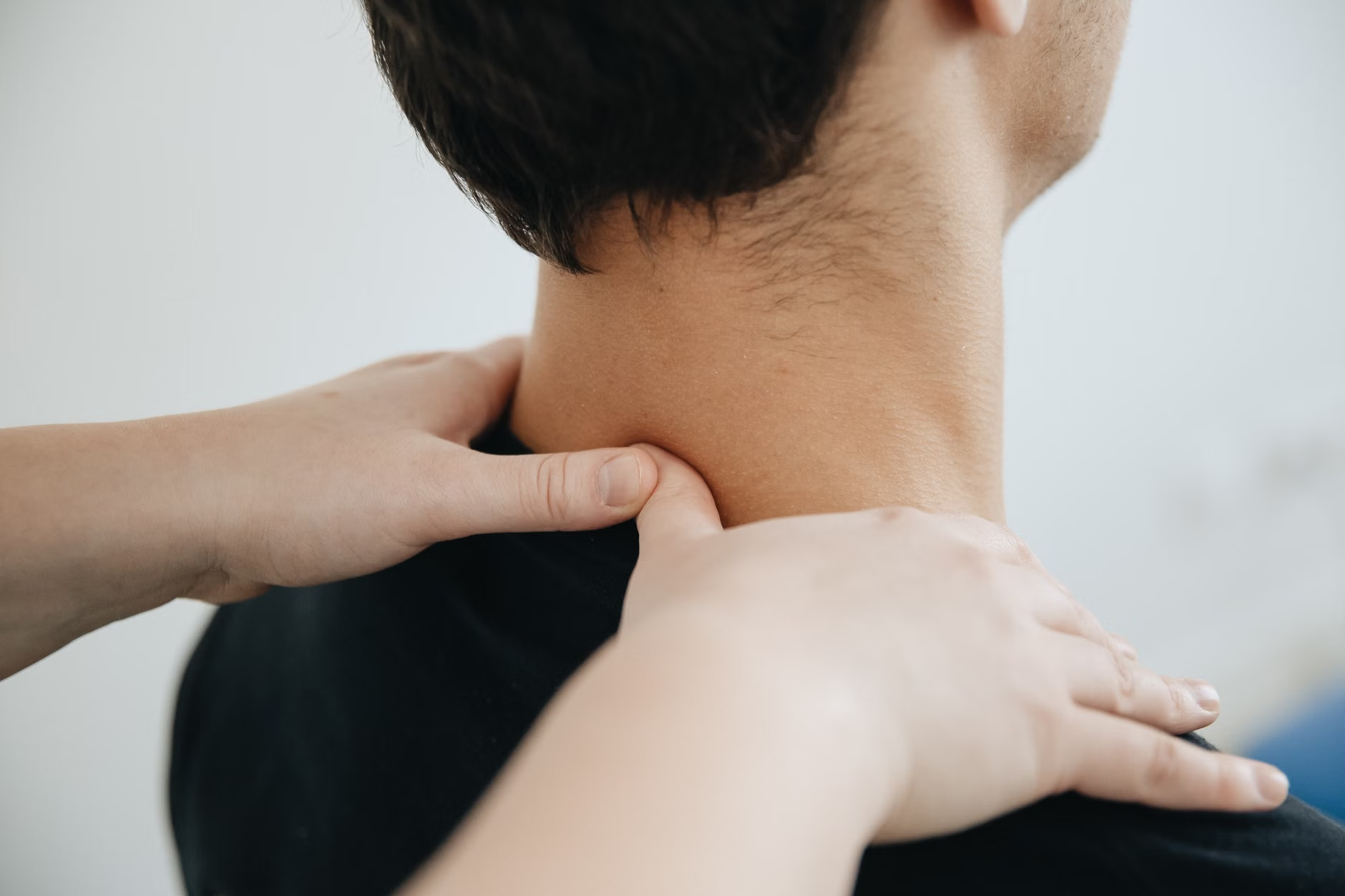
Age-related changes, such as the dehydration of intervertebral discs or the gradual thinning of cartilage, often lead to a reduction in flexibility. This is a common physiological progression, not an inevitable state of immobility. By engaging in gentle, controlled rotation, you signal to your muscles and joints that this range is necessary for your daily life. This process, often referred to as “use it or lose it,” is supported by the principle of regular, low-intensity movement.
Why Seated Positioning is Mandatory
Many individuals attempt neck stretches while standing. For those over 60, however, standing can introduce unnecessary variables. The inner ear—which regulates balance—is closely connected to the neck muscles. Rapid or intense head movements while standing can sometimes trigger brief episodes of vertigo or lightheadedness. Performing rotations while seated in a sturdy, armless chair provides a stable base, allowing you to focus entirely on the movement of the cervical spine without concerns about maintaining your balance.
Preparing for Your Neck Rotation Routine
Before you begin any movement, your environment and your physical state must be prepared. Do not rush into these exercises as a “warm-up” for other activities; treat them as a dedicated period of mindfulness for your body.
- Choose the right chair: Use a chair with a firm seat and no armrests. A dining chair or a sturdy wooden chair is ideal. Avoid sofas or plush armchairs, as they lack the necessary structural support for your spine.
- Establish the baseline: Sit with your feet flat on the floor, hip-width apart. Your knees should be at a 90-degree angle. This alignment creates a stable foundation for your pelvis, which in turn allows your spine to lengthen naturally.
- Neutral spine: Imagine a string pulling the crown of your head toward the ceiling. Your shoulders should be relaxed and down, not hunched toward your ears.
| Factor | Recommendation | Why? |
|---|---|---|
| Chair Type | Firm, armless | Ensures stability and prevents slouching. |
| Foot Placement | Flat on ground | Provides a solid anchor for the entire body. |
| Environment | Quiet, distraction-free | Allows for focus on subtle muscle sensations. |
If you have any history of spinal surgery, cervical disc herniation, or chronic neurological conditions, consult with your primary care provider or a physical therapist before starting this routine. They can provide specific modifications based on your medical history.
Step-by-Step Execution: The Controlled Rotation
The goal of this movement is not to reach the furthest possible point, but to maintain smooth, fluid control throughout the arc of motion. Follow these steps carefully:
1. The Starting Position
Sit tall. Engage your core gently—think of drawing your belly button toward your spine—to support your lower back. Place your hands on your thighs to prevent them from moving.
2. The Controlled Sweep
Slowly begin to turn your head to the right. Keep your chin level with the floor; do not tilt your head up or down. Move only as far as you can while maintaining a sense of comfort. If you feel resistance, stop there. Hold for two seconds, then slowly return to the center. Repeat this on the left side.
3. Frequency and Pacing
Do not perform rapid, jerky motions. The movement should be slow, taking approximately 3 to 5 seconds to reach the end range and another 3 to 5 seconds to return to the center. Perform 5 repetitions on each side. If you feel any sharp pain, tingling, or radiating sensations down your arms, stop immediately.
Common Mistakes and How to Correct Them
Even with simple movements, common habits can diminish the effectiveness of the exercise or lead to unintended strain. Recognizing these errors is the first step toward better mobility.
Mistake 1: Leading with the Chin. Many people try to “reach” for the shoulder by jutting their chin out. This creates unnecessary compression in the cervical spine. Correction: Focus on turning your nose toward the shoulder, keeping the chin tucked slightly back toward the throat.
Mistake 2: Holding the Breath. When concentrating, it is common to hold your breath. This increases internal pressure and tension. Correction: Inhale as you return to the center, and exhale as you rotate to the side. Rhythmic breathing keeps the nervous system calm.
Mistake 3: Over-stretching. You are not trying to look behind you. You are trying to maintain the range of motion you currently possess. Pushing past a “tight” feeling into a “painful” feeling is counterproductive. Correction: Aim for a mild, comfortable stretch, not a maximum-effort pull.
Insights on Long-Term Cervical Maintenance
Beyond the exercise itself, consider the “hidden” variables that affect neck health. For example, the placement of your computer monitor or the way you look at your smartphone significantly impacts cervical strain. If you spend significant time reading or using digital devices, ensure the screen is at eye level. Looking down for extended periods (often called “tech neck”) places significant load on the cervical spine.

Furthermore, hydration plays an underestimated role in joint health. The discs between your vertebrae are largely composed of water. Maintaining adequate hydration throughout the day supports the resiliency of these tissues. While not a cure for structural issues, consistent hydration combined with movement creates the best environment for your cervical spine to function optimally.
When to Seek Professional Guidance
While gentle movement is a cornerstone of preventive care, there are specific scenarios where professional intervention is necessary. If you experience persistent stiffness that does not improve after a few weeks of consistent, gentle movement, it may indicate an underlying issue that requires a clinical assessment. Warning signs include:
- Numbness or tingling in the fingers or hands.
- Weakness in the grip or sudden difficulty holding objects.
- Persistent headaches that originate at the base of the skull.
- Sudden loss of balance or coordination.
When you visit a professional, be prepared. Bring a list of any medications you are taking, as some can affect muscle tone or balance. Keep a simple log of when you feel the most stiffness—is it in the morning, or after sitting for a long time? This information is invaluable for a physical therapist or doctor to provide a tailored plan.
Building a Sustainable Habit
Consistency is more important than intensity. Performing these rotations for 5 minutes every day is far more effective than an hour-long session once a week. Integrate this into your existing schedule. For instance, perform your rotations while waiting for your morning tea or coffee to brew. By anchoring the habit to an existing routine, you remove the “mental barrier” of having to remember to do it.
Remember, the goal is to maintain the mobility you have and gently encourage improvement. There is no “goal” to turn your head 180 degrees. The goal is to move through your available range with control, confidence, and comfort. As you build this practice, you may find that the simple act of turning your head becomes easier, safer, and more fluid, directly contributing to your quality of life.
Frequently Asked Questions
1. How many times a day should I perform these rotations?
Start with one session per day, consisting of 5 repetitions per side. If you feel comfortable and have no adverse reactions, you can gradually increase this to two sessions—perhaps once in the morning and once in the evening. Always listen to your body; if your neck feels fatigued, reduce the frequency.
2. Can I do these exercises if I have arthritis in my neck?
Many individuals with cervical arthritis find that gentle, controlled movement helps reduce stiffness. However, because arthritis can vary in severity, it is essential to discuss your specific condition with a doctor or physical therapist. They can provide clearance and suggest any necessary modifications to keep the movement safe for your specific joint health.
3. What should I do if I feel dizzy while rotating my head?
Stop the movement immediately. Dizziness during neck rotation can be caused by various factors, including inner ear issues or blood pressure changes. Sit quietly until the sensation passes. If this happens consistently, refrain from the exercise and consult your healthcare provider to rule out underlying issues like cervical vertigo or blood pressure management concerns.
Disclaimer: This article provides general information and does not constitute medical advice, diagnosis, or treatment. Always seek the advice of your physician or other qualified health provider with any questions you may have regarding a medical condition.
Sources for further reading on senior mobility and spinal health:
National Institute on Aging: Exercise and Physical Activity
World Health Organization: Physical Activity Guidelines