- Choline is an essential nutrient for synthesizing acetylcholine, a neurotransmitter critical for memory, mood, and muscle control.
- For adults aged 60-80, achieving the daily intake target (typically 425mg for women and 550mg for men) is best accomplished through whole foods like eggs, lean meats, and cruciferous vegetables.
- Because choline supports the structural integrity of cell membranes, consistent intake is a foundational habit for long-term cellular health and metabolic function.
For adults navigating the journey of aging, the focus on “preventive health” often centers on cardiovascular fitness or bone density. However, the role of dietary choline—a lesser-known but essential nutrient—is increasingly recognized as a cornerstone for maintaining cognitive function and cellular integrity. Choline is not a vitamin or a mineral; it is a water-soluble nutrient that the body requires for various metabolic processes. As we move into our 60s, 70s, and 80s, the efficiency with which our bodies process and utilize nutrients can change, making it vital to understand how choline fits into a daily wellness strategy.
What is Choline and Why Does it Matter After 60?
Choline acts as a precursor for several vital compounds in the human body. Its most famous role is in the production of acetylcholine. Acetylcholine is a neurotransmitter—a chemical messenger that allows nerve cells to communicate with one another. In the context of brain health, it is fundamentally linked to memory, focus, and the regulation of mood. As we age, the maintenance of these neural pathways becomes a priority for sustaining daily cognitive independence.
Beyond the brain, choline is essential for the structural health of every cell in your body. It is a key component of phosphatidylcholine, a phospholipid that forms the backbone of cell membranes. Think of cell membranes as the “gatekeepers” of your cells; they regulate what enters and leaves, ensuring that nutrients can get in and waste products can be expelled. Without sufficient choline, the structural integrity of these membranes can be compromised, potentially affecting how cells function and communicate.
Furthermore, choline plays a crucial role in lipid metabolism—specifically in the transport of fats out of the liver. A deficiency in choline can lead to the accumulation of fat in the liver, which can impact metabolic health. For the demographic aged 60-80, maintaining liver health is an often-overlooked aspect of overall longevity and energy levels.
Establishing Your Daily Requirements
The National Institutes of Health (NIH) provides clear guidelines for daily choline intake. While individual needs can vary based on genetics, activity levels, and overall health status, the current Adequate Intake (AI) levels are generally considered the standard for healthy adults.
| Gender | Daily Adequate Intake (AI) |
|---|---|
| Men (19+ years) | 550 mg |
| Women (19+ years) | 425 mg |
It is important to note that these figures are not maximums but rather target amounts to ensure the body has sufficient resources for its daily tasks. Most adults in Western countries fall short of these targets. By simply being aware of these numbers, you can begin to assess whether your current diet is providing the foundational support your brain and cells require.
Practical Food Sources: Making Choline Part of Your Daily Routine
The most effective way to obtain choline is through a varied diet. Unlike some nutrients that require complex supplementation, choline is abundant in common, accessible, and affordable foods. Relying on whole foods is generally superior to supplementation because these foods provide a matrix of other micronutrients, fiber, and protein that work synergistically with choline.
Top Choline-Rich Foods
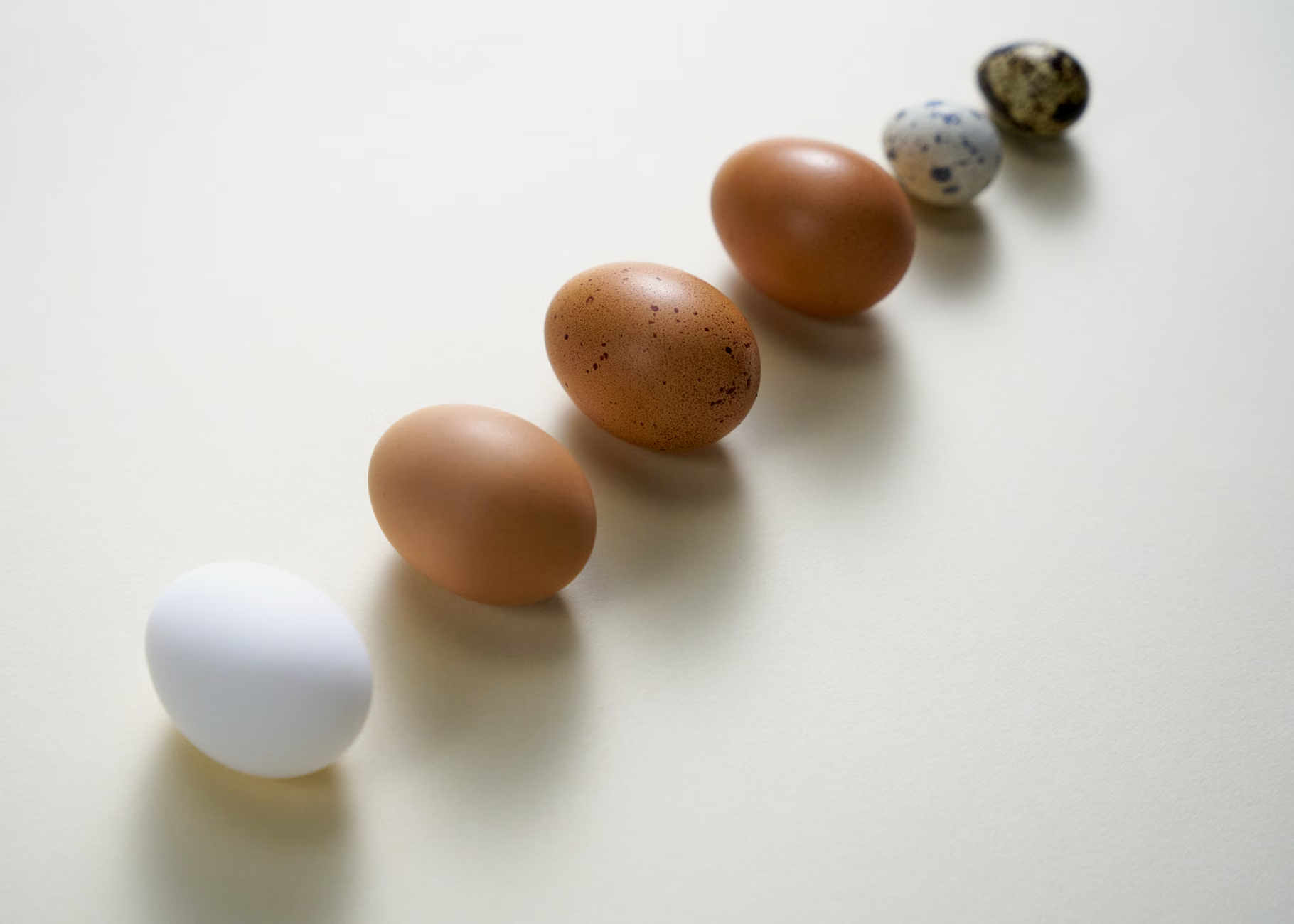
- Eggs: The egg yolk is one of the most concentrated sources of choline available. A single large egg provides approximately 147 mg of choline.
- Lean Meats and Poultry: Chicken breast, turkey, and lean cuts of beef are excellent sources. A 3-ounce serving of beef liver is exceptionally high in choline, though it should be consumed in moderation due to its high vitamin A content.
- Fish: Salmon and cod are not only rich in omega-3 fatty acids but also provide significant amounts of choline.
- Cruciferous Vegetables: Broccoli, cauliflower, and Brussels sprouts are the best plant-based sources. While they contain less per gram than animal products, they are essential for a balanced intake.
- Legumes and Soy: Chickpeas, kidney beans, and soybeans (edamame) are versatile options for those looking to diversify their intake.

Scenario: A Day of Choline-Conscious Eating
To visualize how to reach the 425mg–550mg target, consider a hypothetical daily meal plan:
- Breakfast: Two eggs (approx. 294 mg).
- Lunch: A salad with 1/2 cup of chickpeas (approx. 35 mg) and a side of steamed broccoli (approx. 30 mg).
- Dinner: 3 ounces of cooked salmon (approx. 60 mg) with a serving of roasted cauliflower (approx. 30 mg).
- Total: Approximately 449 mg.
This simple, realistic day of eating demonstrates that meeting the target is highly achievable without relying on processed “fortified” foods or expensive supplements.
The Connection Between Choline and Cellular Longevity
Why should a 70-year-old worry about cell membranes? The answer lies in the concept of cellular senescence and membrane fluidity. As we age, the lipid composition of our cell membranes can change, often becoming less fluid. This decrease in fluidity can impair the function of membrane-bound proteins, which are responsible for everything from insulin signaling to neurotransmitter release.
Phosphatidylcholine, which we synthesize using dietary choline, is the most abundant phospholipid in mammalian membranes. By ensuring an adequate supply of choline, you are essentially providing the building blocks for the repair and maintenance of these vital structures. This is a form of “preventive maintenance” for the body. Much like changing the oil in a car to prevent engine wear, providing steady nutritional support helps maintain the efficiency of your biological systems at a microscopic level.

While food is the gold standard, there are instances where individuals might consider supplementation. However, it is crucial to approach this with a clear understanding of the risks and benefits. Unlike some water-soluble vitamins, excessive choline intake can have side effects, including a fishy body odor, sweating, and potential gastrointestinal distress. Furthermore, some studies have suggested that extremely high levels of choline might be linked to increased levels of trimethylamine N-oxide (TMAO), a compound associated with cardiovascular risk in certain populations.
Before considering a supplement, ask yourself these questions:
- Is my diet truly deficient? Track your intake for three days using a food diary or an app. You may be surprised to find you are closer to the target than you thought.
- Do I have a medical condition that limits absorption? Conditions affecting the gut, such as Crohn’s disease or celiac disease, might necessitate a conversation with a healthcare provider about nutrient absorption.
- Am I relying on supplements to mask a poor diet? A supplement cannot replace the fiber, antioxidants, and secondary phytonutrients found in the whole foods listed above.
Always consult with your primary care physician or a registered dietitian before starting a choline supplement. They can help you determine if your blood markers or health history warrant supplementation, or if dietary adjustments are a safer and more effective route.
Common Misconceptions and Practical Insights
One common mistake is believing that “choline-fortified” energy drinks or snacks are healthy sources. These products are often highly processed and contain added sugars, sodium, or artificial ingredients that counteract the potential benefits of the choline itself. Always prioritize whole-food sources.
Another insight involves the interaction between choline and other B-vitamins, specifically folate (Vitamin B9) and Vitamin B12. These nutrients work in a complex cycle known as the one-carbon metabolism. They are all involved in DNA methylation and the regulation of homocysteine, an amino acid that, when elevated, is considered a marker for cardiovascular and cognitive health risks. A deficiency in one of these nutrients can create a bottleneck in the cycle. Therefore, a balanced diet that includes a variety of leafy greens (folate), lean proteins (B12), and choline-rich foods is far more effective than focusing on a single “superfood.”
Preparing for Professional Consultations
If you are concerned about your cognitive health or metabolic markers, you may choose to discuss your nutrition with a healthcare provider. To make the most of your appointment, consider the following preparation steps:
- Record your intake: Bring a 3-day food log that shows what you eat on a typical day.
- List your current medications: Some medications can interact with nutrient absorption or metabolism.
- Be specific about your goals: Instead of saying “I want to be healthier,” say “I am interested in ensuring my diet supports cognitive function as I age, and I want to know if my current choline intake is sufficient.”
- Ask about blood work: While there isn’t a routine “choline test” for the general public, your doctor can assess your overall metabolic health through standard panels (like a comprehensive metabolic panel or lipid profile) which provide context for your nutritional needs.
Conclusion: A Sustainable Approach to Wellness
Preventive health for the 60-80 age bracket is not about chasing the latest trend or relying on expensive pills. It is about the consistent, daily application of sound nutritional principles. Choline is a vital piece of this puzzle, supporting the very cells that keep your body functioning and the neurotransmitters that keep your mind sharp.
By prioritizing eggs, lean proteins, and cruciferous vegetables, you are making a practical, cost-effective, and highly impactful investment in your long-term well-being. Start by integrating one or two of these high-choline foods into your daily meals this week. Over time, these small, consistent choices build the foundation for a vibrant and active life.
Official Source References:
- National Institutes of Health (NIH) Office of Dietary Supplements: Choline Fact Sheet for Health Professionals
- Institute of Medicine (US) Standing Committee on the Scientific Evaluation of Dietary Reference Intakes: Dietary Reference Intakes for Thiamin, Riboflavin, Niacin, Vitamin B6, Folate, Vitamin B12, Pantothenic Acid, Biotin, and Choline
Frequently Asked Questions (FAQ)
1. Can I get too much choline from eating too many eggs?
For most healthy adults, the cholesterol in eggs is not a major concern, and the choline content is beneficial. However, if you have specific medical conditions like familial hypercholesterolemia or have been advised by your doctor to limit dietary cholesterol, it is best to discuss your egg consumption with your healthcare provider. You can still obtain choline from other sources like lean poultry, fish, and broccoli.
2. Does cooking destroy the choline in food?
Choline is relatively stable when cooked. While some minor loss can occur during high-heat or long-duration cooking, the majority of the choline remains available. Steaming or roasting vegetables and poaching or scrambling eggs are excellent ways to retain the nutrient profile of your meals.
3. Are there specific signs that I am deficient in choline?
Choline deficiency is relatively rare in the general population because the body can synthesize small amounts of it, and it is found in many common foods. However, symptoms of severe deficiency can include liver dysfunction or muscle damage. If you are concerned about your nutritional status, it is best to speak with a doctor about your diet and overall health rather than attempting to self-diagnose based on symptoms.
Expanding on the metabolic complexity of choline, it is essential to understand the “methyl donor” function. In the body, choline is oxidized to betaine. Betaine serves as a methyl donor in the conversion of homocysteine to methionine. This process is crucial because elevated homocysteine levels are a recognized risk factor for cognitive decline and cardiovascular disease. By providing your body with sufficient choline, you are directly supporting the conversion process that helps keep your homocysteine levels in a healthy range. This is why a simple dietary shift toward choline-rich foods can have systemic benefits that extend far beyond just brain health.
Furthermore, consider the accessibility of these foods. For many seniors, the challenge is not just what to eat, but how to prepare it efficiently. If mobility or stamina is a concern in the kitchen, consider “batch cooking” techniques. Roasting a whole tray of cauliflower and broccoli at the start of the week provides a quick, nutrient-dense side dish that can be added to any meal. Similarly, hard-boiling a dozen eggs at once provides a portable, high-protein snack or breakfast addition that requires zero preparation time during the busy parts of your day. These small logistical adaptations are what make a healthy diet sustainable for the long term.
It is also worth noting that as we age, our caloric needs generally decrease. This makes nutrient density more important than ever. You have a smaller “budget” of calories to work with, so every item on your plate must work harder for you. Choline-rich foods, particularly lean proteins and vegetables, offer high nutrient density, meaning you get more health-promoting compounds per calorie. This is the hallmark of a successful preventive health strategy: maximizing the return on every bite you take.
Finally, avoid the trap of “analysis paralysis.” You do not need to calculate your milligram intake of choline for every single meal. The goal is to establish a habit of including these specific food groups regularly. By ensuring that your weekly grocery list includes eggs, a variety of lean meats, and a rotation of cruciferous vegetables, you are naturally moving your intake toward the recommended levels without the stress of constant tracking. This approach is not just about nutrition; it is about creating a lifestyle that supports your independence and vitality for years to come.