- Synovial Fluid Activation: Ankle-rolls promote the circulation of synovial fluid, which acts as a natural lubricant for the talocrural joint, reducing the friction that leads to stiffness.
- Preventive Consistency: Performing controlled ankle-rolls for just three minutes twice daily can significantly enhance proprioception and stability, reducing the risk of accidental trips or falls.
- Structural Support: While ankle-rolls are excellent for lubrication, they work best when combined with mindful posture and, where appropriate, gentle resistance to maintain the strength of the supporting peroneal muscles.
Understanding the Role of Ankle Lubrication in Daily Mobility
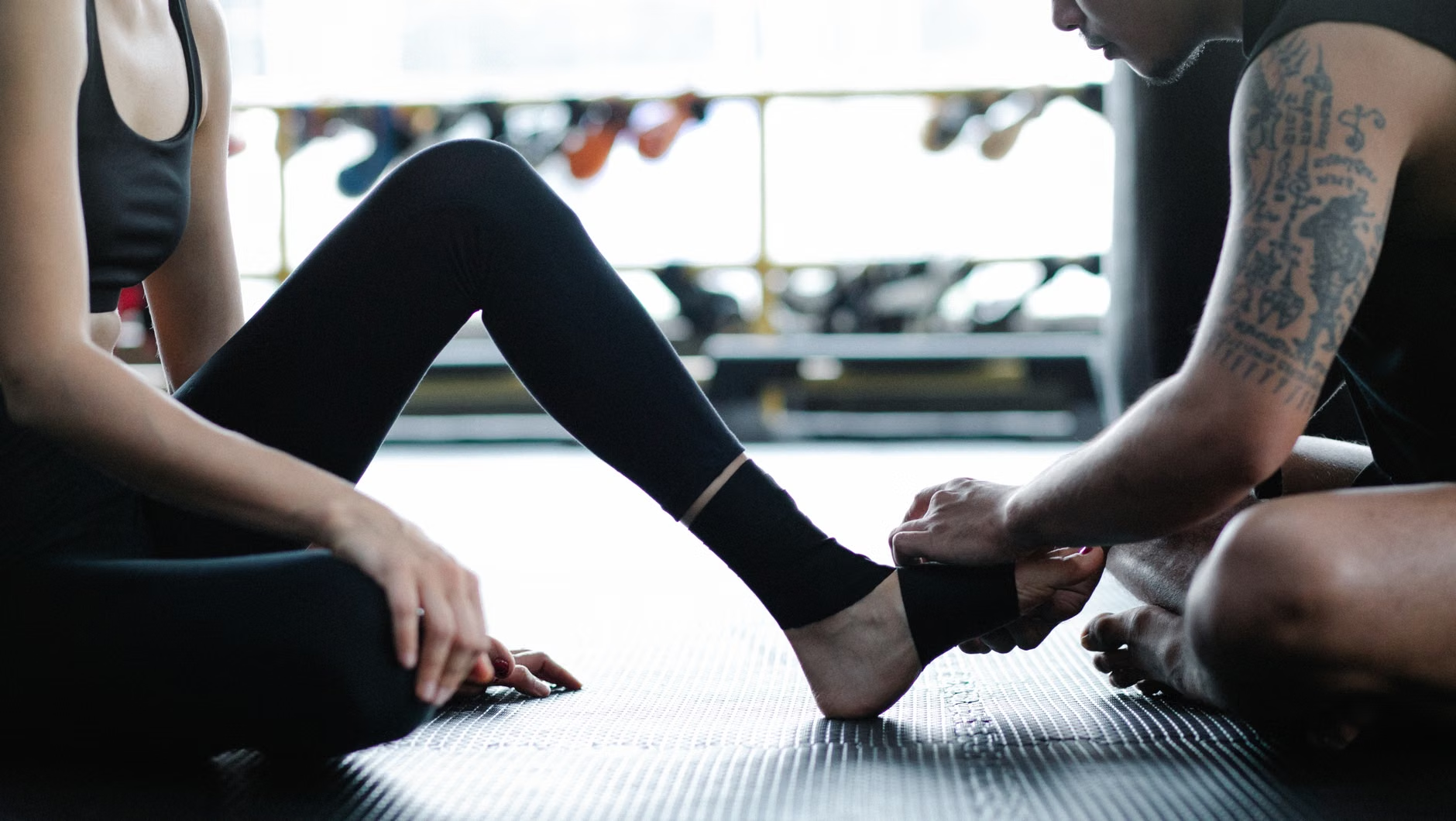
For adults aged 60 to 80, the health of the ankle joint—scientifically known as the talocrural joint—is a cornerstone of independent living. This joint carries the weight of the entire body and acts as the primary pivot point for balance, walking, and navigating uneven surfaces. As we age, the production of synovial fluid, the viscous substance that lubricates joints and nourishes cartilage, can naturally decrease. This reduction often manifests as a “creaky” feeling or morning stiffness in the ankles.
The ankle-roll is not merely a warm-up exercise; it is a vital mechanism for maintaining the mechanical integrity of the joint. By moving the ankle through its full range of motion in a controlled, seated position, you manually stimulate the secretion of synovial fluid. This process ensures that the articular cartilage remains hydrated and smooth, preventing the “stick-slip” phenomenon that causes discomfort when rising from a chair or beginning a morning walk.
The Science of Movement: Why Seated Exercises Are Effective
Many individuals mistakenly believe that high-impact exercise is the only way to maintain joint health. However, for the ankle, low-impact, non-weight-bearing movement is often more effective for lubrication because it allows for full rotation without the compressive force of gravity. When you are seated, your muscles do not have to work against your body weight to stabilize your frame, allowing you to focus entirely on the joint capsule.
When you perform a seated ankle-roll, you are engaging the tibialis anterior, the peroneal muscles, and the gastrocnemius in a coordinated sequence. This sequence encourages the joint capsule to expand and contract, effectively “pumping” lubricant throughout the interior of the joint. This is particularly important for adults who spend significant time sitting, as prolonged immobility can cause the synovial fluid to thicken, leading to the stiffness often experienced after a long flight, a movie, or an extended period of desk work.
Comparing Movement Modalities for Ankle Health
| Exercise Type | Primary Benefit | Best For |
|---|---|---|
| Seated Ankle-Rolls | Lubrication & Range of Motion | Daily maintenance, stiffness relief, post-sedentary periods. |
| Standing Calf Raises | Strength & Power | Improving walking gait and stair climbing stamina. |
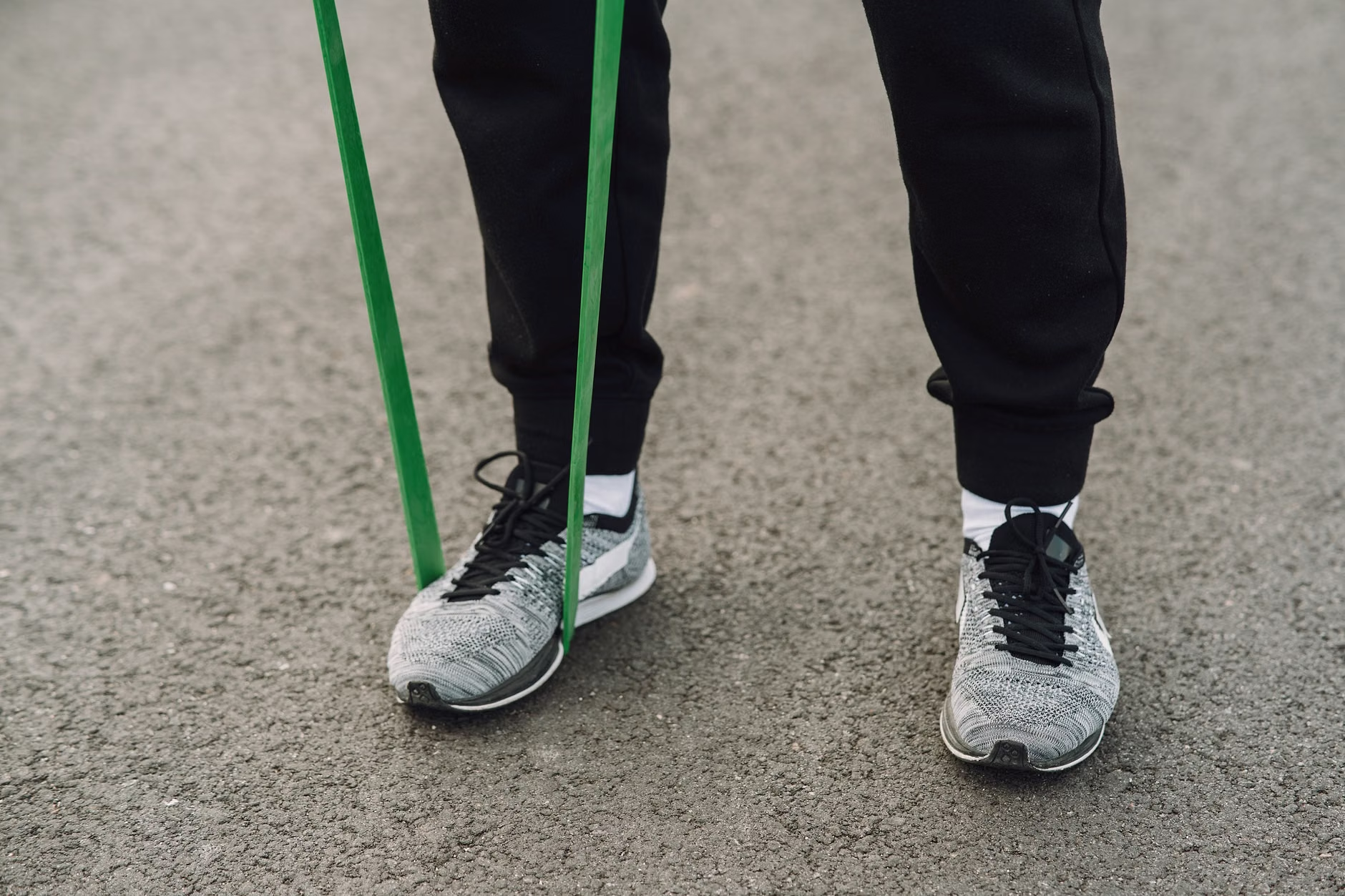
| Resistance Band Eversion | Lateral Stability | Preventing ankle sprains and improving balance on uneven ground. |
Note: The table above highlights that while rolls provide lubrication, they should be part of a broader mobility routine. If you suffer from chronic ankle instability, prioritize the resistance band exercises under the guidance of a physical therapist.
Step-by-Step Execution: Mastering the Ankle-Roll
To maximize the benefits of ankle-rolls, technique is paramount. The goal is not to perform the movement quickly, but to trace the largest possible circle with your big toe. Follow these steps to ensure safety and efficacy:
- Stabilize Your Posture: Sit in a sturdy, non-swivel chair with your feet flat on the floor. Ensure your back is supported and your spine is neutral.
- The Lift: Extend one leg straight out in front of you. You may rest your heel on the floor for support, or lift the leg slightly if your core strength permits.
- The Rotation: Imagine your big toe is a pen drawing a large circle on a piece of paper. Rotate your ankle slowly, focusing on the outer edge of the circle.
- The Return: Complete the circle by pulling your toes back toward your shin (dorsiflexion) and then pointing them forward (plantarflexion).
- Frequency: Perform 10 circles in a clockwise direction, followed by 10 circles in a counter-clockwise direction. Repeat with the other foot.
Common Mistake: Many people use their entire leg to create the movement, swinging their knee back and forth. This bypasses the ankle joint entirely. Ensure that your knee remains relatively still, with all the rotation occurring at the ankle joint itself.
Integrating Mobility into Daily Routines
The most significant hurdle to preventive health is not the difficulty of the exercise, but the consistency of application. To integrate ankle-rolls into your life without it feeling like a “chore,” link the activity to existing habits. For example, perform your ankle-rolls while waiting for the kettle to boil, while watching the evening news, or during the first few minutes of a long car journey.
If you are traveling, the seated ankle-roll is your best defense against the stiffness associated with long-haul flights or train rides. During a four-hour flight, aim to perform these rotations every 60 minutes. This not only keeps the joint lubricated but also promotes healthy circulation in the lower extremities, which is vital for preventing the pooling of blood in the calves.
When to Seek Professional Guidance
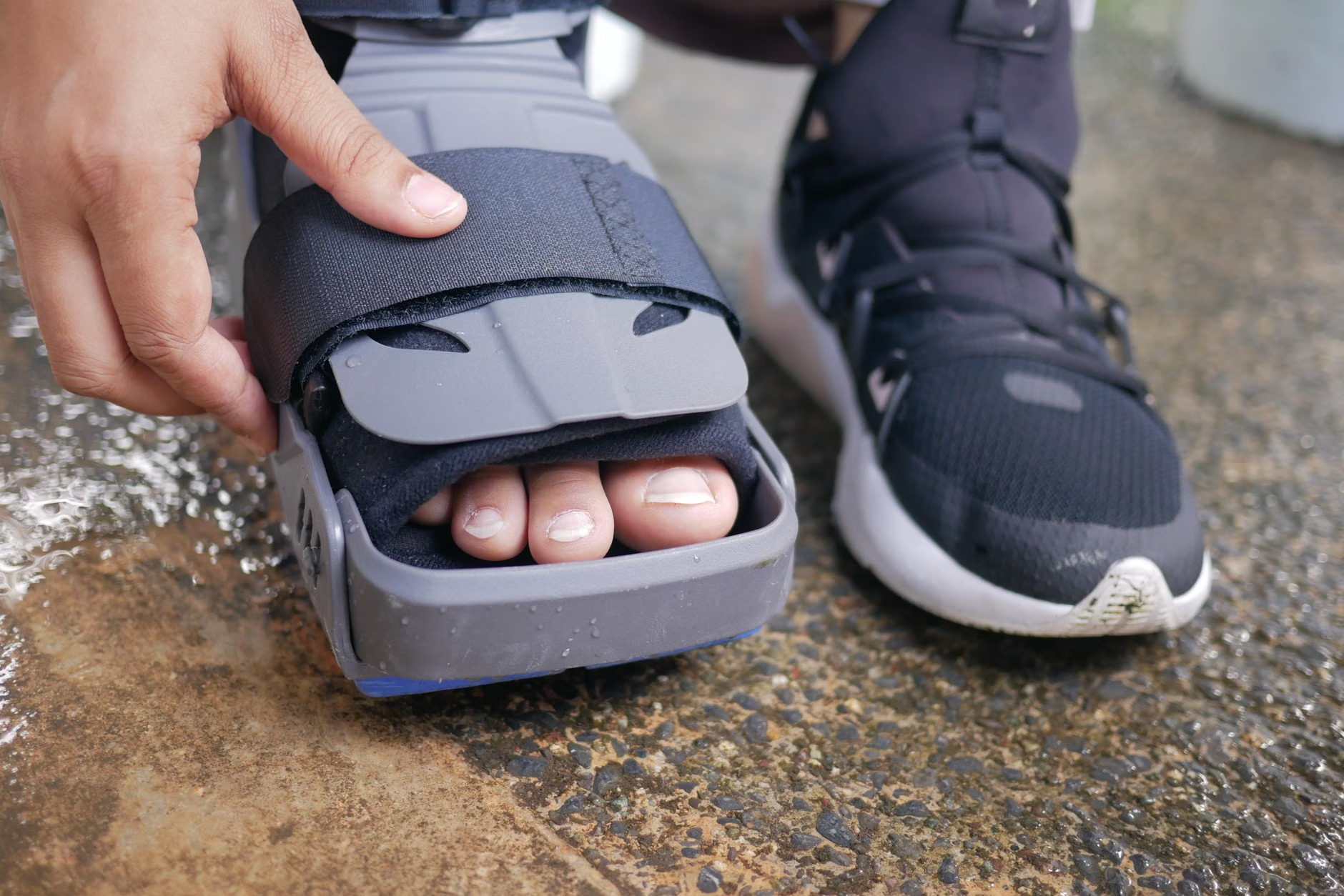
While ankle-rolls are safe for the vast majority of older adults, there are conditions where you should pause and consult a healthcare professional. If you experience sharp, localized pain (not a dull stretch) during the rotation, or if you notice significant swelling that does not subside with rest, these may be indicators of underlying issues such as osteoarthritis or tendinopathy.
Preparation for your medical appointment: If you find that ankle stiffness is impacting your ability to walk comfortably, document the following before visiting your physician or physical therapist:
- Time of Day: Is the stiffness worse in the morning, or after prolonged movement?
- Sensation: Is it a feeling of “tightness” in the skin/muscle, or a “grinding” sensation inside the joint?
- History: Have you had any past injuries, such as sprains or fractures, that might affect the current alignment?
Sharing this specific information allows your healthcare provider to distinguish between simple age-related synovial reduction and more complex mechanical issues that might require targeted intervention, such as orthotics or specialized physiotherapy.
The Role of Hydration and Nutrition in Joint Health
Lubrication is an internal process. Synovial fluid is largely composed of water, hyaluronic acid, and proteins. Chronic dehydration can lead to a decrease in the volume and viscosity of your joint fluid, making your joints feel stiffer regardless of how many ankle-rolls you perform. Ensure you are maintaining adequate daily water intake. Furthermore, nutrients such as Omega-3 fatty acids, found in fatty fish, walnuts, and flaxseeds, have been shown in various studies to support overall joint health and reduce systemic inflammation. While not a “cure” for joint wear, maintaining a diet rich in these anti-inflammatory agents provides the building blocks your body needs to maintain healthy cartilage.
Long-Term Mobility: The Cumulative Effect
The beauty of preventive health is that small, incremental gains compound over time. By dedicating a few minutes a day to ankle-rolls, you are essentially “greasing the gears” of your body. This preventative maintenance allows for better balance, which is the most critical factor in fall prevention. When your ankles are mobile and responsive, your brain receives better feedback from the ground, allowing for micro-adjustments in your gait. This is the difference between stumbling on an uneven pavement and navigating it with confidence.
Remember that your ankles are the foundation of your mobility. Treat them with the same attention you would give to the tires on your car—regular checks, proper movement, and immediate attention to any signs of wear or imbalance. By prioritizing these daily habits, you are not just maintaining a joint; you are protecting your autonomy and your ability to explore the world on your own terms.
Frequently Asked Questions
1. How long does it take to notice a difference in ankle stiffness?
Most individuals notice a reduction in morning stiffness within 7 to 10 days of consistent, twice-daily practice. However, the cumulative benefits for balance and stability often become more apparent after 4 to 6 weeks of regular activity.
2. Can I do these exercises if I have already been diagnosed with arthritis?
Generally, yes, and in many cases, it is encouraged by rheumatologists to keep the joint mobile. However, if you have severe arthritis, you must avoid “pushing through” pain. Always perform these movements within a comfortable range of motion. If you have any doubt, ask your doctor for a clearance specifically for ankle mobility exercises.
3. Is there a specific time of day that is best for ankle-rolls?
The morning is often the most effective time because the synovial fluid has been stationary throughout the night, leading to increased viscosity and stiffness. Performing a set upon waking helps “start the engine” for the day. A secondary set in the evening can also help alleviate the accumulation of stiffness from the day’s activities.
For further reading on maintaining mobility, please visit the National Institute on Aging’s guide to physical activity, which provides comprehensive information on exercises that support independence in later life.