Key Takeaways:
- Cognitive Engagement: Calligraphy requires a unique synthesis of visual planning, spatial awareness, and fine motor control, which helps stimulate neural pathways associated with focus and memory.
- Accessibility and Pacing: Unlike many high-intensity hobbies, calligraphy is low-impact and highly adaptable, allowing for short, meditative sessions that fit easily into a daily routine regardless of mobility level.
- Physical Benefits: Regular practice improves hand-eye coordination and finger dexterity, helping to maintain fine motor function through repetitive, controlled movements.
The Cognitive Mechanics of Calligraphy
Calligraphy is far more than the simple act of writing; it is a complex cognitive exercise that bridges the gap between artistic expression and neurological stimulation. For adults aged 60 to 80, the practice offers a structured environment for “neuroplasticity”—the brain’s ability to form new connections. Unlike passive hobbies, calligraphy demands active, real-time feedback loops between the eye, the brain, and the hand.
When you prepare to make a stroke, your brain engages in a process known as “motor planning.” You must visualize the shape, calculate the pressure required for the pen tip, and anticipate the flow of the ink. This sequence activates the prefrontal cortex, the area of the brain responsible for complex planning, decision-making, and focus. As you execute the stroke, the cerebellum coordinates the precise motor movements required to maintain consistency. This multi-layered engagement is an effective way to keep the brain sharp, disciplined, and agile.
Choosing Your Path: Modern vs. Traditional Calligraphy
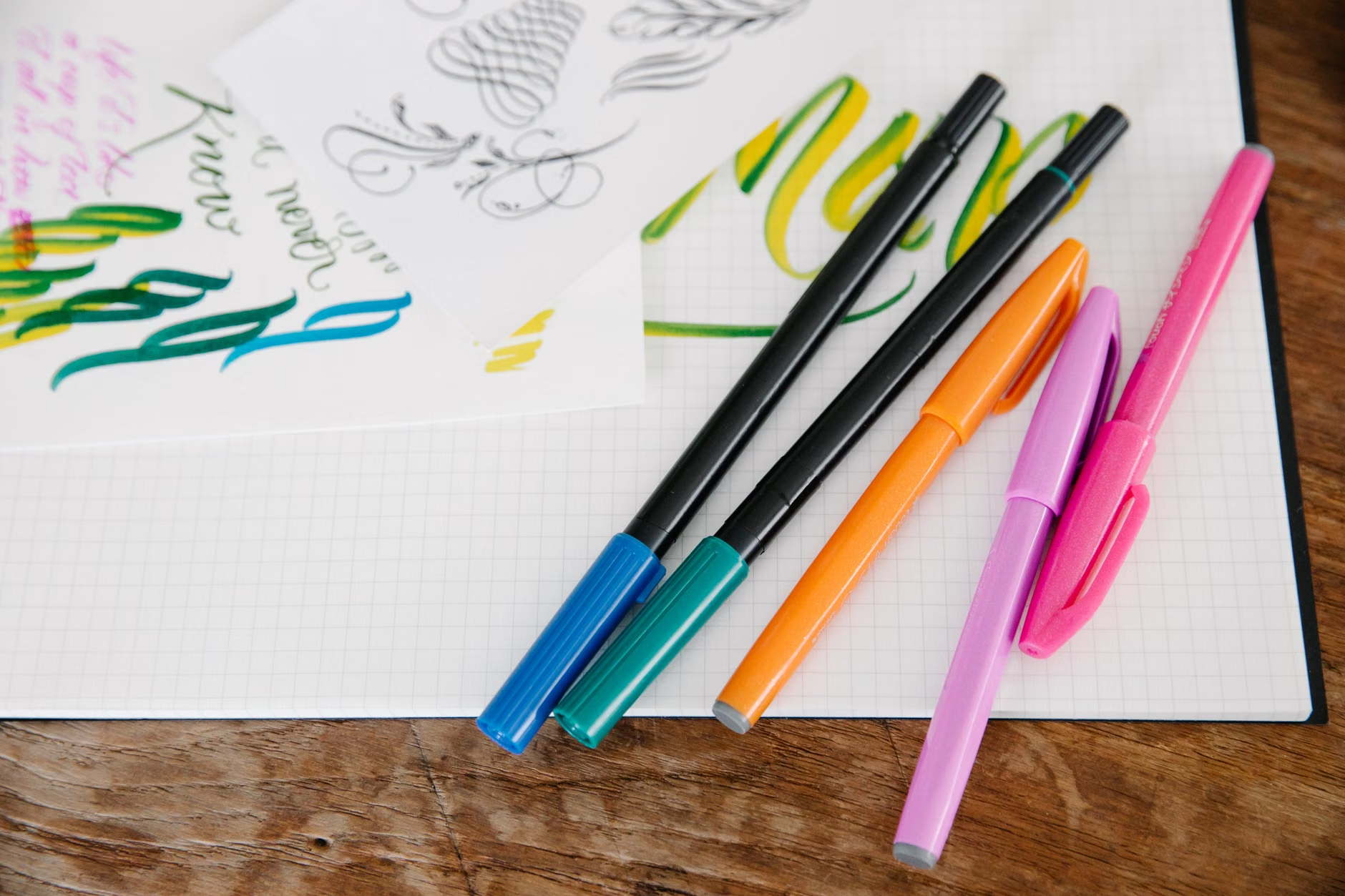
Before beginning, it is essential to distinguish between the various styles of calligraphy, as the physical requirements and tool costs differ significantly. Choosing the right style depends on your goals, hand stability, and budget.
| Style | Physical Requirement | Cost of Entry | Learning Curve |
|---|---|---|---|
| Brush Lettering | Medium (requires wrist flexibility) | Low | Moderate |
| Fountain Pen (Italic) | Low (steady grip) | Moderate | |
| Traditional Dip Pen | High (requires grip strength) | High | Steep |
For those just starting, fountain pens with italic nibs are often the most accessible. They do not require the constant dipping into ink wells, which reduces the chance of spills and minimizes the physical reach required. If you experience minor tremors, a brush pen with a soft, synthetic tip can be more forgiving, as it does not require the rigid, precise angle that metal nibs demand.
Setting Up an Ergonomic Practice Space
To enjoy calligraphy as a long-term hobby, your environment must support your posture and stamina. Many beginners overlook the importance of ergonomics, leading to unnecessary neck strain or hand fatigue. A professional, or “serious hobbyist,” setup should prioritize the following:
- Surface Height: Your elbows should rest at a 90-degree angle to the table. If the table is too low, you will lean forward, causing back pain. If it is too high, you will tense your shoulders.
- Lighting: Use a desk lamp with an adjustable arm. Position the light on the side opposite your writing hand (if you are right-handed, place the lamp on the left) to avoid casting shadows over your work.
- Support: Keep your non-writing hand flat on the paper to stabilize the page. Ensure your feet are flat on the floor to maintain core stability.
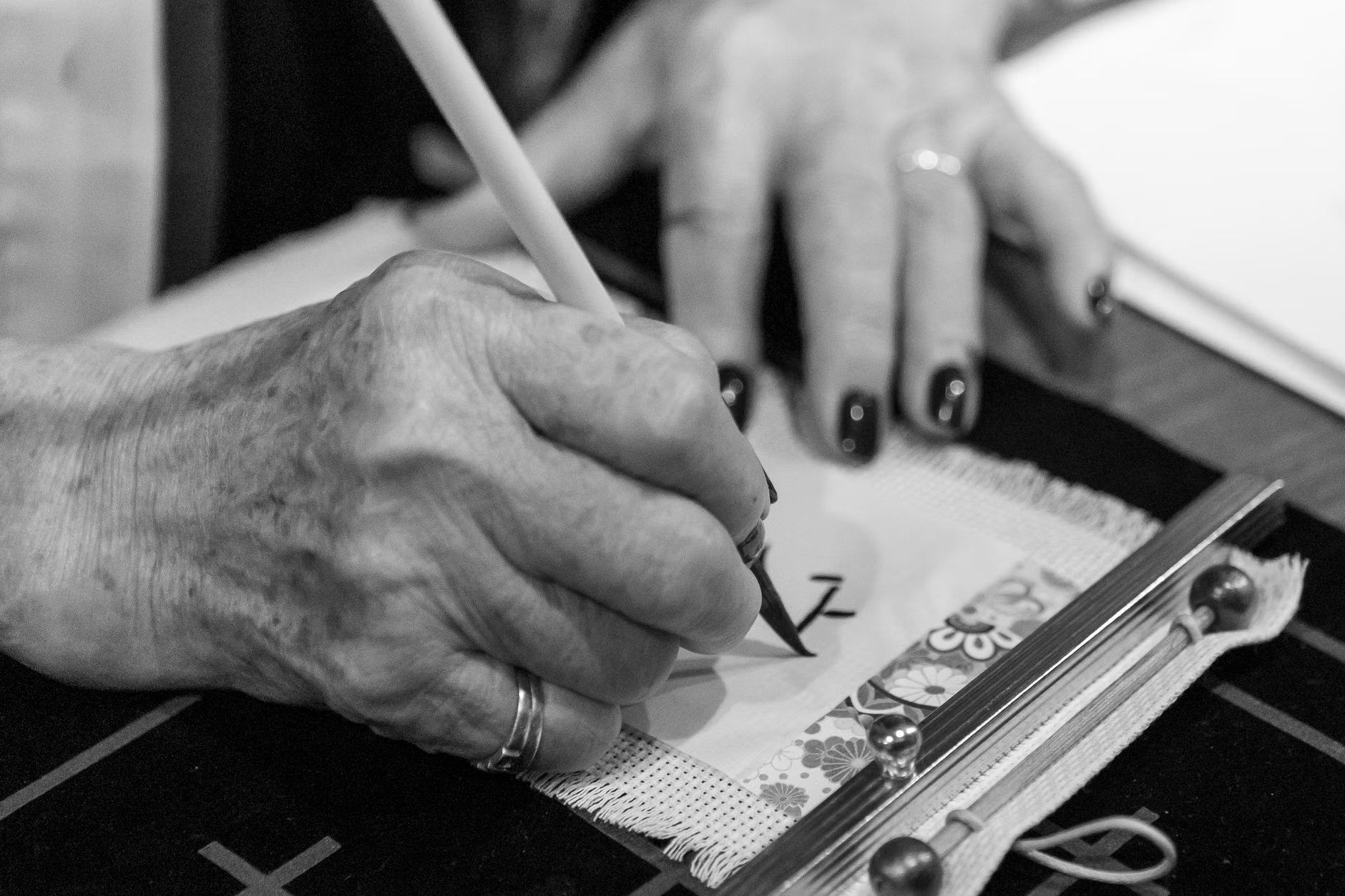
If you find that sitting for long periods is uncomfortable, consider using a slanted writing board. A slant board brings the paper toward your eyes, reducing the need to hunch over and allowing you to maintain a neutral spine position while working. This simple adjustment can double the amount of time you can practice comfortably without fatigue.
Step-by-Step: The First Week of Practice
Consistency is more important than duration. Practicing for 15 minutes a day is far more beneficial for cognitive retention than a three-hour marathon once a week. Here is a recommended routine for your first seven days:
- Days 1-2: Understanding Pressure. Do not attempt letters yet. Draw simple lines, loops, and zigzags. Focus on maintaining a consistent line thickness. This teaches your hand how much pressure to apply to the pen.
- Days 3-4: Basic Shapes. Most letters are composed of simple shapes (ovals, under-turns, and over-turns). Practice these shapes until they become muscle memory.
- Days 5-7: Combining Shapes into Letters. Begin with the letter ‘i’ or ‘l’, as these are the most straightforward. Move on to ‘o’ and ‘c’ once you feel confident with your stroke control.
Common Mistake: Many beginners attempt to copy complex, ornate scripts found online. This is the fastest way to become discouraged. Start with “Foundation” or “Italic” scripts, which are based on vertical, clear, and logical strokes.
The Hidden Benefits: Mental Clarity and Mindfulness
Beyond the physical act, calligraphy serves as a form of “active meditation.” When you are concentrating on the flow of ink, your mind is momentarily cleared of external worries or stressors. This state of flow is associated with lower cortisol levels and improved mood regulation.
Furthermore, calligraphy provides a tangible record of progress. Unlike digital activities where work is easily deleted or forgotten, a notebook of your practice sheets serves as a physical timeline of your development. Seeing your improvement over weeks and months provides a sense of accomplishment and self-efficacy—a crucial component of wellbeing for adults in their 60s, 70s, and beyond.

Addressing Physical Limitations
If you have arthritis or reduced grip strength, do not assume calligraphy is off-limits. Several modifications can make the practice accessible:
- Grip Aids: Use foam pen grips or specialized ergonomic pen holders that increase the diameter of the pen, reducing the force required to hold it securely.
- Weight Distribution: Heavier pens can sometimes be easier to control for those with essential tremors, as the added weight provides stability against involuntary movement.
- Pacing: If your hand tires, stop immediately. Stretch your fingers by gently pulling them back and forth. Never push through joint pain, as this can lead to inflammation.
If you have concerns about existing hand conditions, consult with an occupational therapist. They can provide specific exercises to strengthen the intrinsic muscles of the hand, which will directly translate to better control when holding a pen.
Resources and Further Learning
To ensure you are learning correct techniques, look for resources from established calligraphy guilds. These organizations often provide standardized guides on stroke order and letter anatomy.
- IAMPETH (International Association of Master Penmen, Engrossers and Teachers of Handwriting): A gold standard for historical and technical calligraphy resources.
- The Calligraphy & Lettering Arts Society: Offers tutorials and community support for learners at all levels.
Conclusion: Your Journey Begins with One Stroke
Learning calligraphy is a gentle, rewarding pursuit that respects your time and your cognitive health. By focusing on steady, incremental progress rather than perfection, you can turn your desk into a sanctuary of focus and creativity. Start small, invest in basic, ergonomic tools, and allow yourself the grace to learn at your own pace. The goal is not to become a master calligrapher overnight, but to enjoy the cognitive joy of the process itself.
Frequently Asked Questions (FAQ)
1. Is it too late for me to improve my handwriting?
It is never too late. The brain remains plastic throughout adulthood. While it may take more time to build new motor habits than it would for a child, the cognitive benefits of learning a new skill are significant regardless of your age.
2. What is the minimum investment required to start?
You can start for less than $30. A good quality fountain pen, a bottle of ink, and a pad of high-quality, bleed-proof paper (like Rhodia or Clairefontaine) are all you need. Avoid cheap printer paper, as the ink will “feather” and ruin your practice.
3. How often should I practice to see results?
Aim for 15 to 20 minutes daily. Consistency is key to building the muscle memory required for calligraphy. If you practice too intensely for long periods, you risk hand fatigue, which can actually hinder your progress.
Note: This article is for informational purposes and does not replace professional advice. If you experience chronic hand pain or neurological issues affecting your fine motor skills, please consult your primary healthcare provider or an occupational therapist to ensure your practice remains safe and beneficial.