Lower limb circulation is a vital component of overall health for adults aged 60 to 80, as it directly influences mobility, skin integrity, and the prevention of venous insufficiency. One of the most effective, low-impact ways to support blood flow in the legs is through seated calf stretches and ankle exercises.
- The calf muscles act as a “second heart,” pumping blood back to the heart; keeping them flexible is essential for efficient circulation.
- Seated stretches provide a safe, stable environment for those with balance concerns or limited stamina to maintain lower leg health.
- Consistency, rather than intensity, is the primary factor in achieving long-term improvements in limb comfort and mobility.
Understanding the “Second Heart”: Why Calf Health Matters
In human physiology, the calf muscle is often referred to as the “peripheral heart” or the “second heart.” When you walk or move your feet, the calf muscles contract and squeeze the deep veins in your legs, pushing blood upward against gravity toward the heart. This is known as the muscle pump mechanism.
As we age, several factors can reduce the efficiency of this pump:
- Reduced Activity: Spending more time sitting, whether reading, watching television, or traveling, reduces the frequency of the calf pump.
- Muscle Atrophy: A natural reduction in muscle mass (sarcopenia) can weaken the force of the contraction.
- Stiffness: Reduced range of motion in the ankle joint can limit the effectiveness of the calf muscle’s movement.
When this pump is less effective, blood can pool in the lower extremities. This may lead to symptoms like heaviness, swelling (edema), or even the development of spider or varicose veins. By performing simple seated stretches, you are actively facilitating this venous return, even when you aren’t walking.
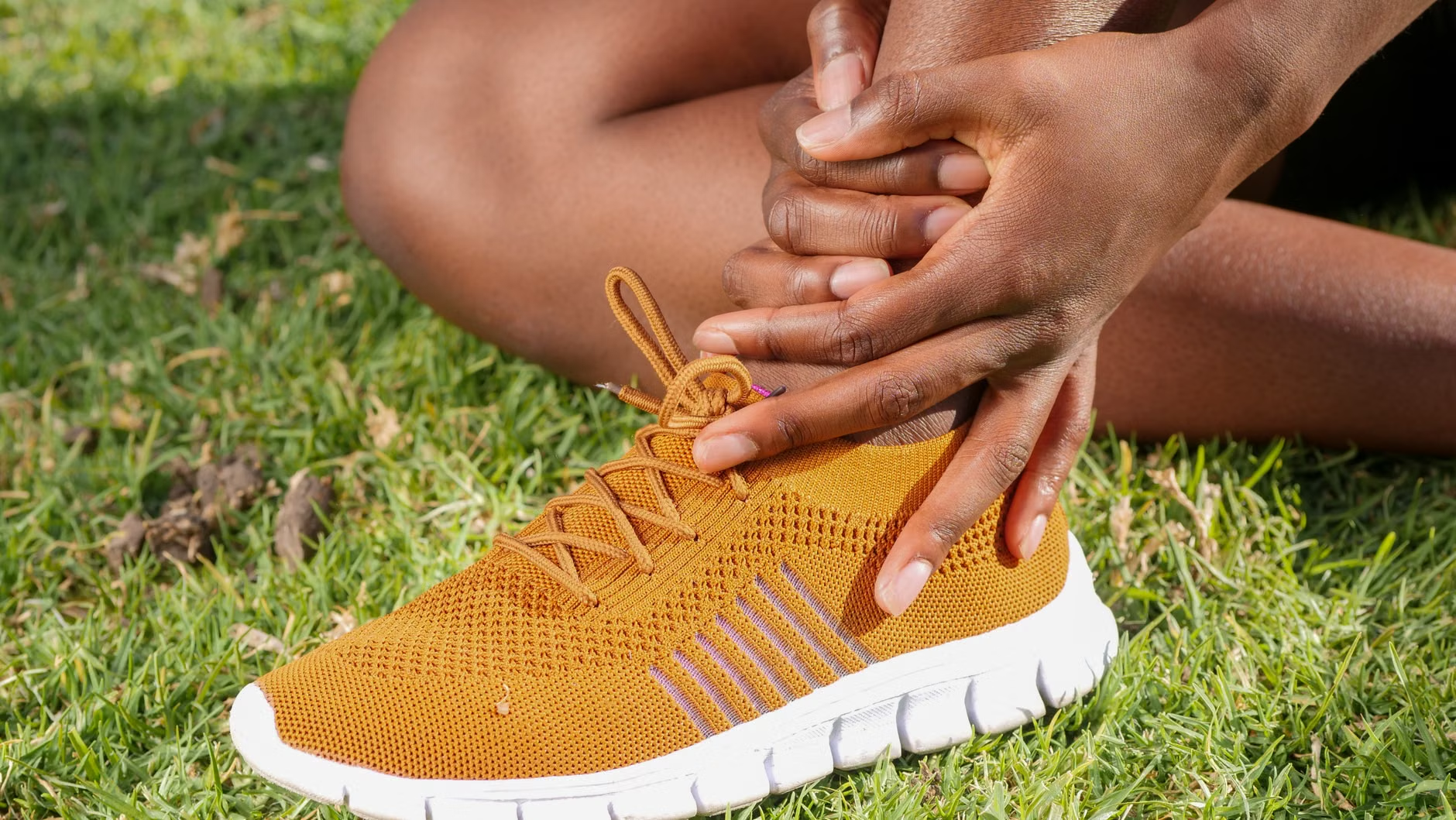
The Physiology of Seated Stretches
Stretching is not just about flexibility; it is about maintaining the structural integrity of the fascia and muscle tissues. When calf muscles become chronically tight, they limit the range of motion of the ankle. This limitation creates a “vicious cycle”: because the ankle cannot move through its full range, the person walks with a shorter, less efficient gait, which in turn causes the calf muscle to remain inactive and tighten further.
Seated exercises break this cycle by allowing for repetitive movement without the weight-bearing stress that might be painful for those with knee or hip arthritis. By isolating the calf and ankle, you ensure that the blood vessels are being compressed and released rhythmically, which is the exact motion required to prevent stasis (sluggish blood flow).
Essential Seated Exercises for Lower Limb Circulation
Before beginning any exercise routine, ensure you are sitting on a stable, non-rolling chair. Avoid chairs with wheels or those that are too soft, as these lack the necessary support for your pelvis.
1. Ankle Pumps
This is the most basic yet effective movement for immediate circulation improvement.
- How to do it: Sit tall with your feet flat on the floor. Lift your toes as high as possible, then press your heels down. Next, lift your heels as high as possible while keeping your toes on the floor.
- Frequency: Perform 20 repetitions on each foot, three times a day.
- Why it works: It engages both the tibialis anterior (front of the shin) and the gastrocnemius/soleus (calf) muscles, creating a full-range pumping action.
2. The Seated Towel Stretch
This provides a deeper, passive stretch for the calf muscles without requiring you to stand.
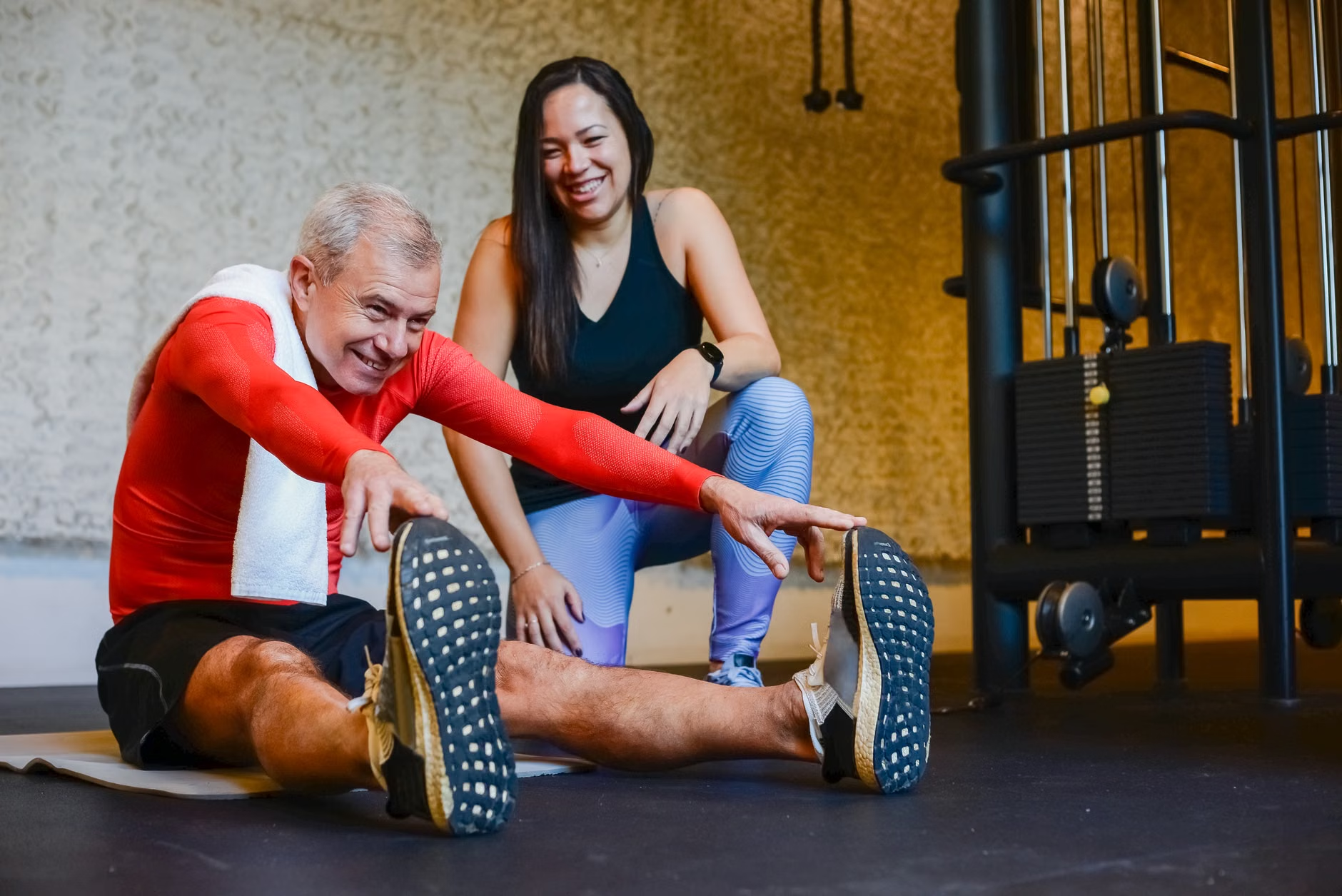
- How to do it: Sit on the edge of your chair. Extend one leg straight out, resting the heel on the floor. Wrap a sturdy towel or strap around the ball of your foot. Gently pull the ends of the towel toward you while keeping your knee straight. Hold for 30 seconds.
- Safety Note: If you feel sharp pain behind the knee, ease the tension on the towel. The stretch should be felt in the belly of the calf muscle, not the joint itself.
3. Ankle Circles
While pumps target the vertical plane, circles target the lateral mobility of the ankle.
- How to do it: Lift one foot slightly off the floor. Slowly rotate your ankle in a wide circle. Do 10 circles clockwise, then 10 counter-clockwise.
- Why it works: This helps mobilize the ankle joint and engages the muscles that support the arch of the foot, further assisting in blood flow.
Comparative Analysis of Circulation Support Strategies
It is helpful to understand how these exercises compare to other common recommendations for circulation.
| Method | Primary Benefit | Requirement | Best For |
|---|---|---|---|
| Seated Stretches | Muscle pump activation | Chair, 5-10 mins | Home/Office/Travel |
| Compression Socks | External pressure | Correct sizing | Chronic swelling/Edema |
| Walking | Full limb activation | Mobility/Safety | General fitness |
The table above highlights that while compression socks provide passive support, they do not strengthen the muscle pump. Conversely, walking is excellent but requires more energy and balance. Seated stretches offer a perfect “middle ground” for maintaining function during sedentary periods.
Practical Considerations for Safety and Consistency
For many adults, the greatest barrier to exercise is not lack of desire, but lack of a routine. To make these exercises a natural part of your day, anchor them to existing habits.
- The “Television” Rule: Perform 20 ankle pumps during every commercial break or between episodes of a show.
- The “Mealtime” Anchor: Do a set of towel stretches while waiting for your morning coffee to brew or while sitting at the breakfast table.
- Travel Safety: If you are on a long flight or train journey, perform ankle pumps every 30 minutes to mitigate the risk of deep vein thrombosis (DVT), which is a serious condition characterized by blood clots in deep veins, often triggered by prolonged immobility.
Warning Signs: If you experience persistent swelling that does not subside with elevation, skin discoloration (brownish staining near the ankles), or skin that feels hot to the touch, consult your healthcare provider. These can be indicators of chronic venous insufficiency or other vascular conditions that require professional medical management rather than just exercise.
Integrating Movement into Daily Life: A Strategic Approach
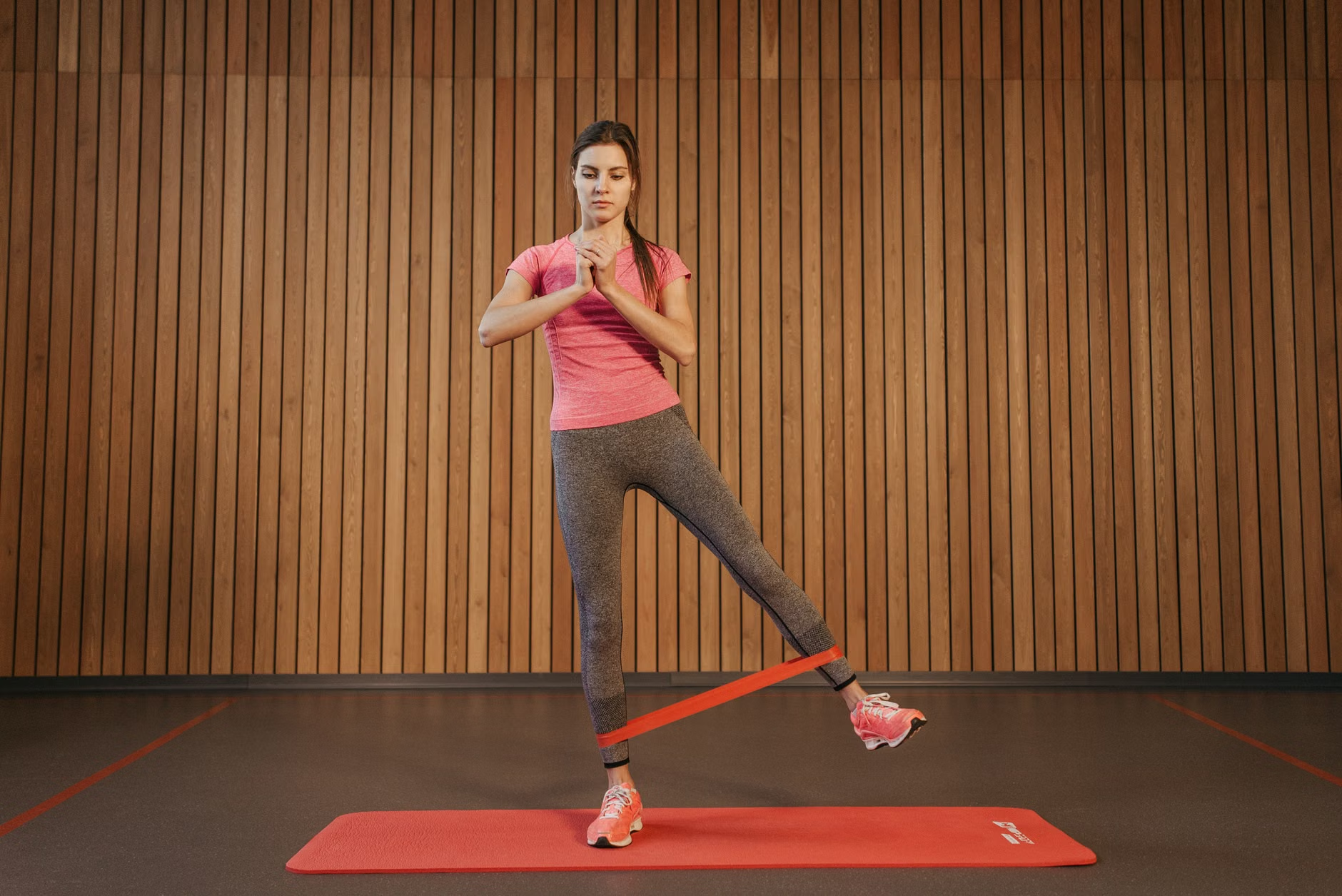
The goal is to maintain movement capacity. When you are 60 or 80, your body’s ability to recover from strain is different from when you were 30. Therefore, the approach to stretching should be “slow and steady.”
One common mistake is “over-stretching.” Many people believe that if a little stretch is good, a lot of force must be better. This is incorrect. Over-stretching can lead to micro-tears in the muscle fibers, resulting in soreness that discourages you from doing the exercise the next day. A successful stretch should feel like a mild, comfortable tension. You should be able to breathe normally throughout the movement; if you are holding your breath, you are likely pushing too hard.
Hydration and Nutrition
Circulation is not just mechanical; it is also fluid-based. Adequate hydration is essential for maintaining blood volume and viscosity. If you are dehydrated, your blood is naturally thicker, making it harder for the calf muscle pump to move it efficiently. Speak with your doctor about your fluid intake, especially if you have heart or kidney conditions that require fluid restriction.
Footwear Matters
Performing these exercises while wearing stiff, heavy boots or high-heeled shoes can limit the range of motion. If you are doing a dedicated 10-minute session, take off your shoes or wear flexible slippers. This allows your ankle to move freely, maximizing the benefit of the stretch.
Refining Your Routine: Insights and Nuances
A frequently overlooked variable in lower limb health is the position of the feet. Many people sit with their legs crossed. While this is a comfortable habit, crossing your legs—especially at the knee—can compress the popliteal vein behind the knee, directly impeding blood flow. If you find yourself crossing your legs, make a conscious effort to keep both feet flat on the floor or use a footrest to elevate your legs slightly.
Another nuance is the importance of the “toe-off” phase. When you do your ankle pumps, focus as much on the upward pull of the toes as the downward press of the heel. The muscles on the front of the shin are often neglected, yet they are vital for balance and preventing trips and falls.
Conclusion: Building a Sustainable Habit
Improving your circulation through seated calf stretches is a practical, low-cost investment in your future mobility. By understanding that your calf muscles are a powerful pump, you can take control of your lower limb health through simple, consistent movements. Start by performing the ankle pumps today, and gradually incorporate the towel stretch as your flexibility improves.
Remember, the goal is not to achieve a “perfect” stretch, but to keep your muscles engaged and your blood moving. If you maintain this routine, you are doing one of the best things possible for your long-term comfort and independence.
Frequently Asked Questions
1. How long does it take to see improvements in circulation?
Most individuals notice a reduction in mild swelling and a feeling of “lighter” legs within two to three weeks of consistent daily practice. However, individual results vary based on overall health and activity levels.
2. Can I do these stretches if I have arthritis in my ankles?
Yes, but you should move within a pain-free range. If you feel grinding or sharp pain, reduce the range of motion. Consult your physical therapist for modifications that are specific to your level of joint health.
3. Are there any times of day that are better for these exercises?
Performing these exercises in the evening is particularly beneficial if you have been sedentary throughout the day, as it helps clear out the fluid that may have accumulated in your lower legs. However, doing them whenever you are seated for more than 30 minutes is the most effective strategy.
Sources and further reading: