- Consistent, gentle cervical movement helps prevent the gradual loss of neck mobility often associated with aging.
- Proper technique—specifically keeping shoulders relaxed and the spine neutral—is essential to avoid straining the trapezius muscles.
- If you experience sharp, shooting pain, numbness, or dizziness during movement, stop immediately and consult a healthcare professional.
Understanding Cervical Flexibility in Later Life
Cervical flexibility—the ability of your neck to move through its full range of motion—is a critical component of daily physical independence. As we reach our 60s, 70s, and 80s, the tissues surrounding the cervical spine (the neck) naturally undergo physiological changes. Cartilage may thin, and ligaments can become less elastic, leading to the sensation of “stiffness” or a reduced ability to turn the head fully to check a blind spot while driving or look behind you while walking.
Preventive maintenance is the most effective strategy to manage these changes. By incorporating controlled, seated neck-tilts into your daily routine, you can maintain the current range of motion and prevent the tightening that leads to discomfort. This article provides a structured approach to performing these movements safely and effectively.
Why Seated Exercises Are Optimal for Seniors
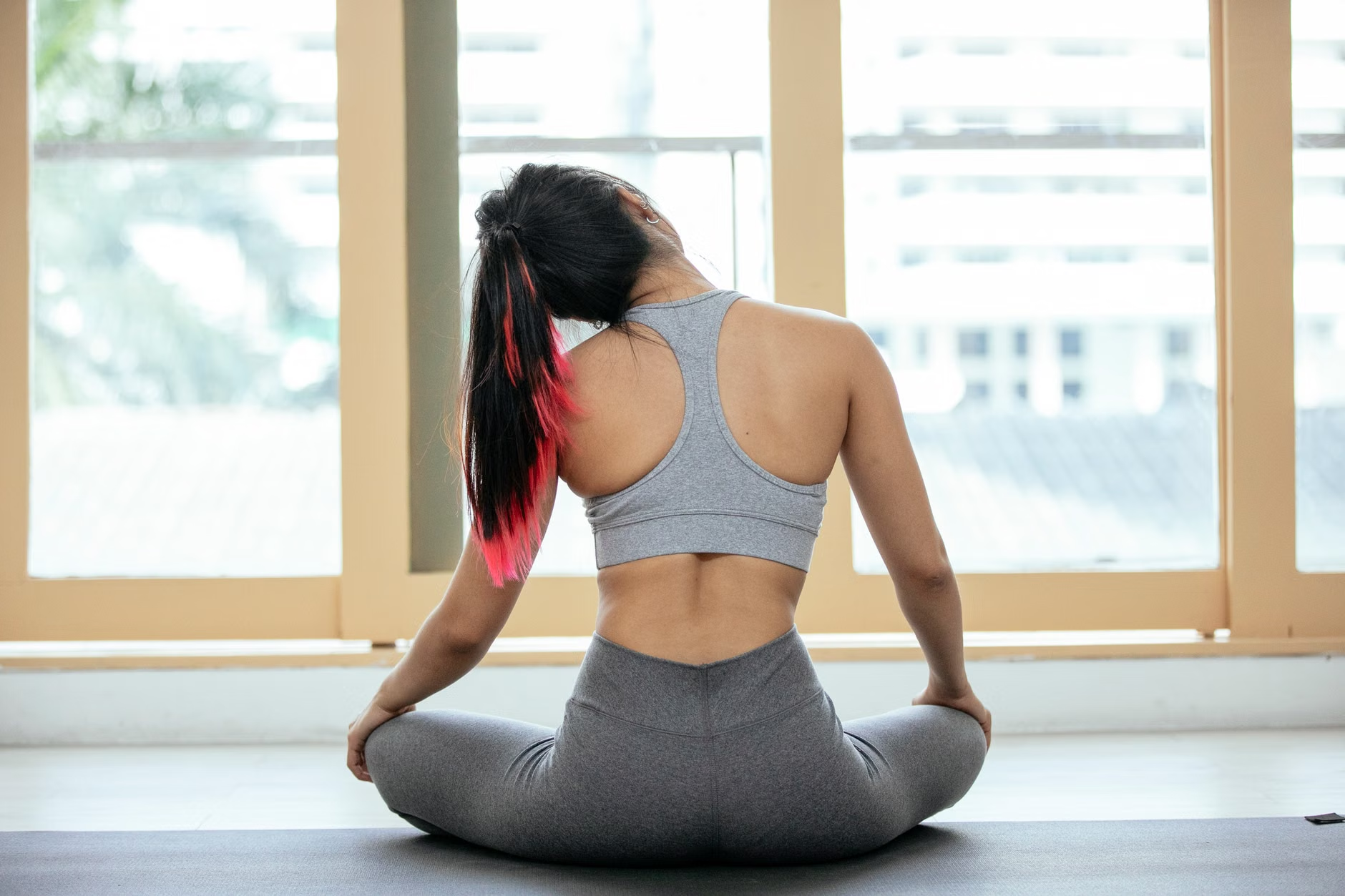
Performing neck exercises while seated offers a significant stability advantage. When you are standing, your body must expend energy on balance and core engagement to keep you upright. When seated, your focus can be entirely on the isolated movement of the cervical spine. This reduces the risk of compensatory movements, such as swaying the torso or shrugging the shoulders, which often negate the benefits of the exercise.
The Biomechanics of the Neck-Tilt
A neck-tilt, or lateral neck flexion, specifically targets the muscles on the side of the neck, primarily the sternocleidomastoid and the upper trapezius. These muscles often become tight due to prolonged periods of looking down at books, tablets, or phones. By performing a controlled tilt, you are gently lengthening these tissues, which helps in relieving tension headaches and reducing the feeling of “heaviness” in the upper back.
Step-by-Step: Performing the Seated Neck-Tilt
Before beginning, ensure you are using a chair with a solid, flat seat and no wheels. A dining chair is typically ideal. Avoid soft sofas, as they do not provide the necessary pelvic support to maintain a neutral spine.
| Step | Action | Critical Focus |
|---|---|---|
| 1. Posture | Sit upright with feet flat on the floor, hip-width apart. | Ensure your lower back is supported and your chest is open. |
| 2. Neutrality | Look straight ahead; keep your chin level with the floor. | Do not tuck your chin or tilt your head upward before starting. |
| 3. The Tilt | Slowly lower your right ear toward your right shoulder. | Keep your left shoulder down; do not let it “hike” up toward your ear. |
| 4. Hold | Hold the position for 10–15 seconds while breathing deeply. | Feel a gentle stretch; stop if you feel sharp pain. |
| 5. Return | Slowly return to the center position before switching sides. | The return movement should be as controlled as the tilt. |
Common Mistakes and How to Avoid Them
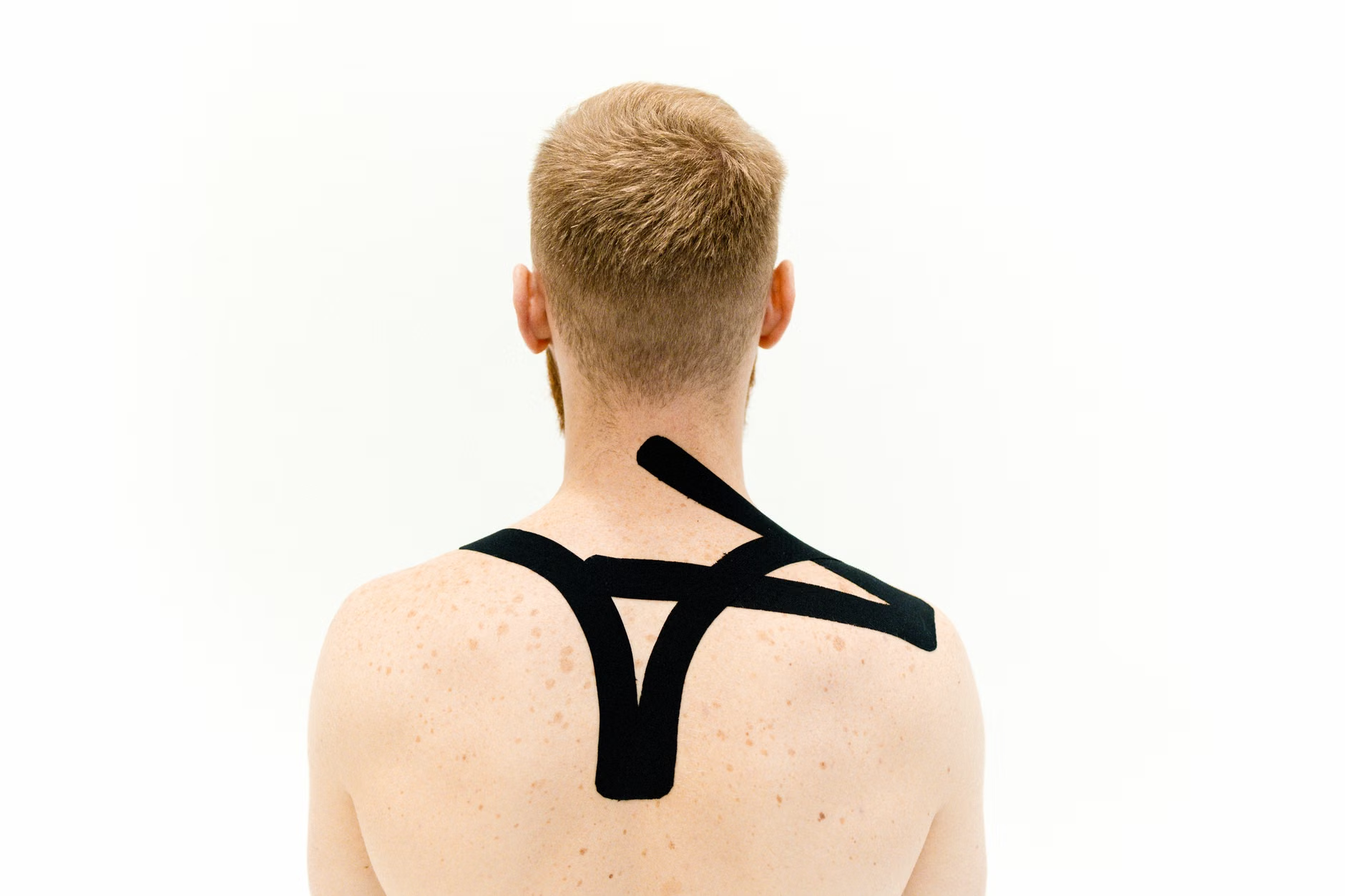
One of the most common errors is “shrugging.” As you tilt your head to the right, your left shoulder instinctively rises to “meet” the head. This defeats the purpose of the stretch. To counteract this, place your left hand under your left thigh (palm down) while performing the right-side tilt. This acts as an anchor, physically preventing the shoulder from rising.
Integrating Flexibility into Your Daily Routine
Consistency is more important than intensity. You do not need to perform these exercises for long durations. Two sets of five repetitions per side, twice a day, is sufficient for most individuals to maintain healthy mobility. The best times to perform these are during natural breaks in your day, such as after breakfast or while waiting for a kettle to boil.
The “Check-In” Method
Instead of viewing this as a “workout,” treat it as a “body check-in.” If you notice that you have been reading or using a computer for more than 30 minutes, your neck muscles are likely fatigued. Performing one or two gentle tilts can reset your posture and prevent the accumulation of tension throughout the day.
When to Consult a Professional
While gentle movement is generally safe, the cervical spine is a complex area involving nerves and blood vessels. You must be aware of warning signs that indicate a need for professional evaluation by a physical therapist or physician.
Warning Signs
- Radiating Pain: If you feel tingling, numbness, or a “pins and needles” sensation traveling down your arm or into your fingers.
- Vertigo or Dizziness: If moving your head causes immediate lightheadedness, this may indicate an issue with the vestibular system or blood flow and requires immediate medical attention.
- Sudden Restricted Range: If you wake up with a sudden, severe inability to move your head (often referred to as “stiff neck”), do not force the movement. This usually indicates an acute muscular spasm or inflammation that requires rest and professional guidance, not active stretching.
When preparing for an appointment with a professional, keep a simple log for one week. Note when the stiffness is worst (e.g., in the morning vs. after sitting for long periods), what activities seem to trigger it, and exactly where the sensation of tightness is located. This information is invaluable for a clinician to determine whether your discomfort is muscular, joint-related, or nerve-related.
Advanced Considerations: Beyond the Tilt
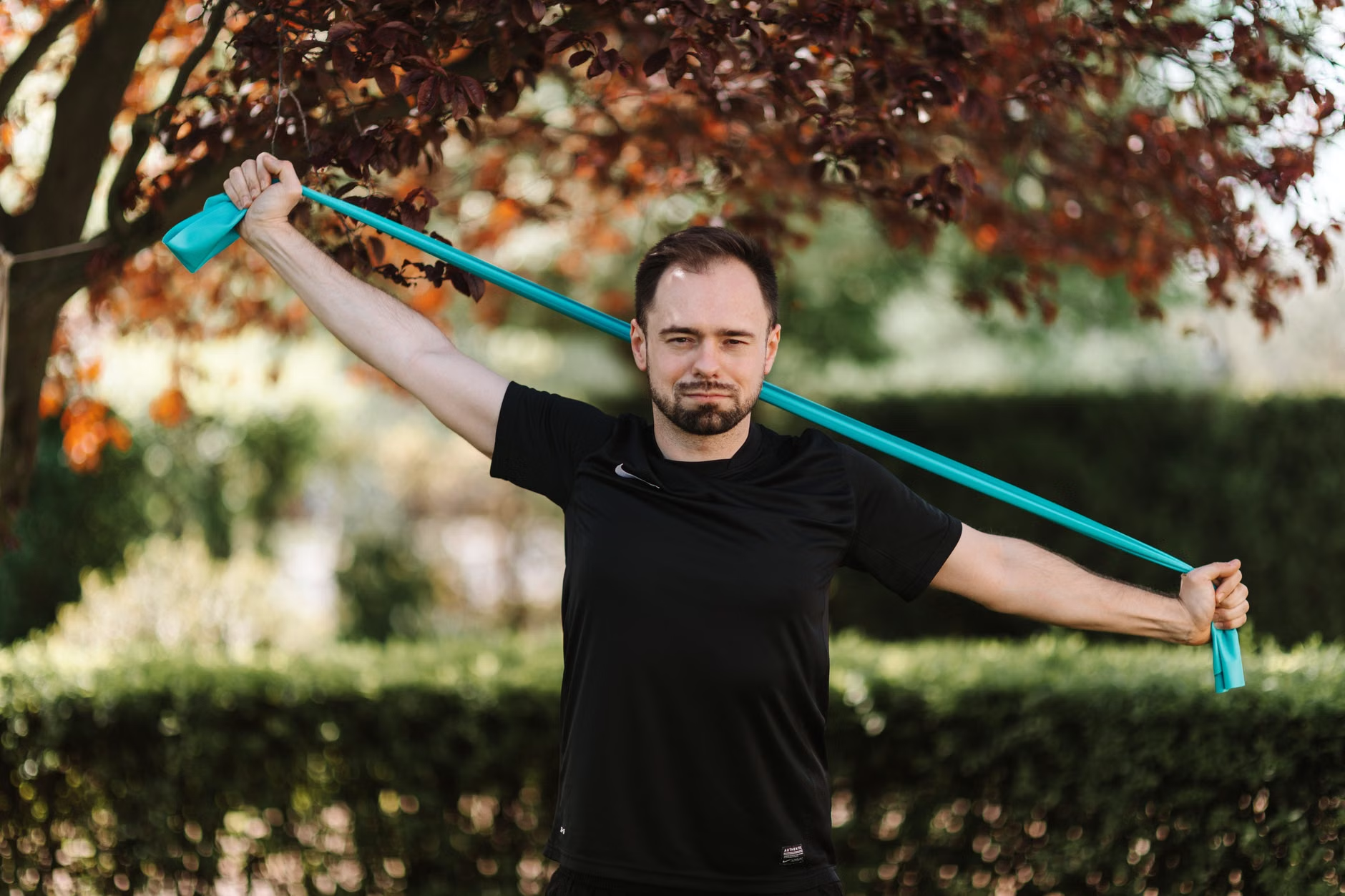
As you become more comfortable with basic neck-tilts, you may wonder about other movements like rotations (looking left and right) or chin tucks. These are excellent additions but require a higher level of awareness. A chin tuck involves pulling your head straight back as if making a “double chin,” which helps align the ears over the shoulders. This is particularly useful for those who tend to develop a “forward head” posture, which is often a result of modern screen use.
Always prioritize slow, rhythmic movements over fast, jerky ones. The cervical spine responds best to sustained, low-load tension. If you feel any clicking or popping in the neck, this is often just the release of gas bubbles in the joint fluid (cavitation), which is usually harmless. However, if that sound is accompanied by pain, stop the movement immediately.
Lifestyle Factors That Influence Neck Health
Neck flexibility is not just about exercises; it is about how you interact with your environment. Consider the height of your computer monitor or television. If you have to look down or up constantly, you are placing unnecessary strain on your cervical spine. Ideally, the top third of your screen should be at eye level.
Furthermore, sleeping habits play a significant role. A pillow that is too high or too flat can keep the neck in an unnatural position for six to eight hours a night. A pillow that supports the natural curve of the neck when lying on your side or back is essential for waking up without stiffness. If you travel frequently, consider a travel pillow that provides firm lateral support, as the vibration of planes or trains can cause you to “nod off” and wake up with a strained neck.
Conclusion
Maintaining cervical flexibility is a lifelong practice that requires patience and consistency. By integrating simple, seated neck-tilts into your daily life, you are choosing to prioritize your functional independence. Remember that the goal is not to achieve extreme range of motion, but to maintain a comfortable, pain-free range that allows you to engage with the world around you fully. Start slowly, listen to your body’s signals, and seek professional guidance if you encounter persistent pain or neurological symptoms.
Frequently Asked Questions
- How often should I perform these neck-tilts?
For most adults, performing 5 repetitions on each side, twice a day, is an excellent baseline to maintain flexibility without overtaxing the muscles.
- Can I do these stretches if I have arthritis in my neck?
Generally, yes, but you must move within a pain-free range. If your doctor has diagnosed cervical arthritis, ask them specifically about “range-of-motion” exercises. They may advise you to avoid certain extreme angles.
- What should I do if my neck feels “locked” during the stretch?
Stop immediately. Do not attempt to “force” the stretch to unlock the joint. Apply a warm, moist towel to the area for 10–15 minutes to encourage muscle relaxation, and if the restriction persists for more than 24 hours, contact a physical therapist.
Official guidance on physical activity for older adults can be found through resources such as the World Health Organization’s Guidelines on Physical Activity and Sedentary Behaviour, which emphasizes the importance of balance and flexibility training for maintaining functional capacity.