- Shift to “Active Resilience”: Cooling centers are moving beyond simple air-conditioned rooms to include health monitoring, hydration stations, and social engagement opportunities.
- Integrated Mobility: Many cities now coordinate cooling center access with paratransit services, reducing the physical burden of travel during extreme heat.
- Digital Verification: Use official municipal portals or local government mobile apps to verify real-time capacity and accessibility features before you travel.
As global temperatures continue to fluctuate, urban environments are undergoing a significant transition in how they protect vulnerable populations during heatwaves. By 2026, the concept of a “cooling center” has evolved from a basic air-conditioned room in a community center to a multi-functional hub designed for accessibility, health safety, and social connection. For adults aged 60 to 80, understanding these changes is essential for maintaining independence and safety during extreme weather events.
The Evolution of Cooling Centers: Why 2026 is Different
Historically, cooling centers were often reactive, temporary measures implemented only when temperatures crossed a certain threshold. Today, urban planners recognize that older adults face higher physiological risks from heat—such as reduced ability to sweat, pre-existing health conditions, or medication-related heat sensitivity—that require a more proactive approach.
In 2026, the focus has shifted toward “Integrated Resilience.” This means that cooling centers are no longer just about temperature control; they are increasingly integrated into existing public health infrastructures. This includes the presence of trained staff who can recognize the early signs of heat exhaustion and the availability of resources like medication refrigeration, which is a critical, often overlooked requirement for seniors with specific health needs.
What Modern Cooling Centers Look Like
You might notice that the facilities designated as cooling centers are now prioritized based on their proximity to residential areas with high concentrations of older residents. These centers are now designed with specific accessibility standards, including:
- Universal Design: Non-slip flooring, wide doorways for mobility aids, and clear, high-contrast signage that is easy to read.
- Health-Forward Amenities: Dedicated quiet zones for resting, hydration stations with electrolyte-rich options, and on-site basic health check-ins (e.g., blood pressure monitoring).
- Digital Accessibility: Real-time status updates via local government apps, showing not just the location, but also the current occupancy and available transit options.
Planning Your Heatwave Strategy: A Step-by-Step Guide
Waiting until a heatwave hits to decide on a cooling strategy can be stressful and physically taxing. By preparing a “Heat Safety Plan” in advance, you can avoid unnecessary strain. Below is a framework for ensuring you have reliable access to cooling resources.
| Action Item | Why It Matters | How to Do It |
|---|---|---|
| Map Your Route | Prevents physical overexertion during peak heat hours. | Identify the two closest cooling centers and the transit routes required to reach them. |
| Verify Accessibility | Ensures the facility can accommodate your specific mobility needs. | Check municipal websites for “accessibility ratings” or call the center to ask about lift access and seating. |
| Prepare a “Go-Bag” | Reduces the need to return home if you stay at a center for an extended period. | Pack a list of current medications, a bottle of water, a portable fan, and your identification. |
It is important to understand that not all cooling centers offer the same level of service. Some are simply public spaces like libraries or community centers with extended hours, while others are specialized hubs. Before heading out, always confirm the “service level” of the center, especially if you require refrigerated storage for medication or assistance with mobility.
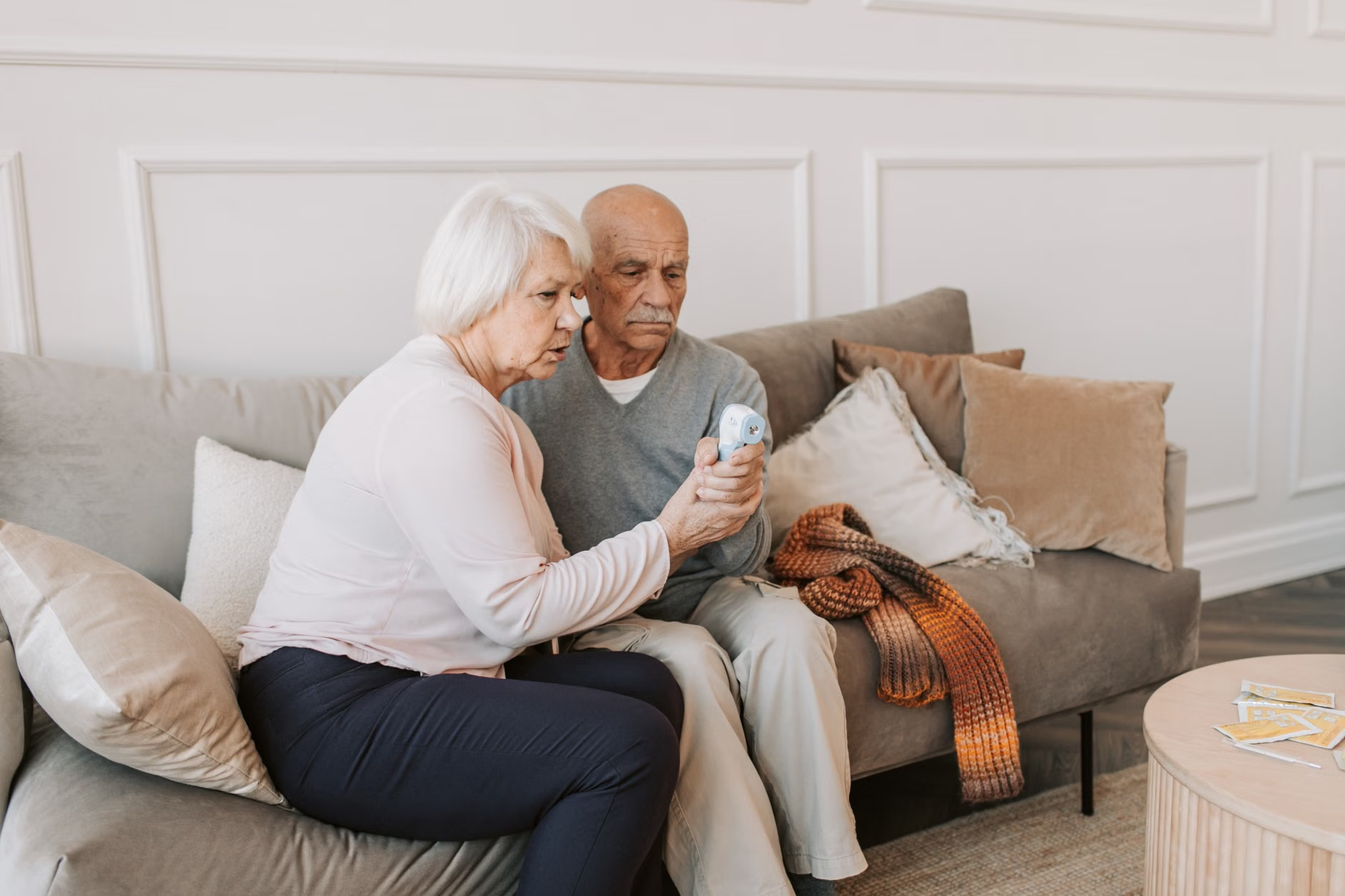
One of the most significant barriers to using cooling centers is the travel itself. Walking to a transit stop or driving during a heatwave can significantly increase your risk of heat-related illness. Many cities in 2026 have addressed this by implementing “Heat-Responsive Transport.”
Using Dedicated Paratransit and Shuttle Services
If you have limited mobility, check if your local transit authority offers a “heatwave waiver” or priority booking for paratransit services during extreme temperature warnings. In some jurisdictions, cities have partnered with ride-sharing platforms to provide subsidized, climate-controlled rides to designated cooling centers for seniors.
A common mistake is assuming that regular bus or train schedules are sufficient during heatwaves. In many cases, delays are more frequent due to track expansion or mechanical issues caused by heat. Always check the transit authority’s official website or social media channels for “heat-related service alerts” at least one hour before you plan to depart.
Health Considerations: Prevention and Monitoring
When you are at a cooling center, the goal is not just to “be out of the sun” but to actively manage your body’s temperature regulation. Older adults often experience a diminished sensation of thirst, which can lead to dehydration before the body sends a clear signal.
What to Do When You Arrive
Upon arriving at a cooling center, prioritize the following:
- Cool Down Gradually: Do not move from intense heat to an extremely cold room instantly. Sit in a transitional area if available.
- Hydrate Intelligently: Drink small, frequent sips of water. If you are on a restricted fluid intake due to a heart or kidney condition, stick to your prescribed limits.
- Monitor for Warning Signs: If you feel lightheaded, experience a rapid heartbeat, or notice a headache, inform a staff member immediately. Most modern cooling centers in 2026 have staff trained in basic heat-related emergency response.
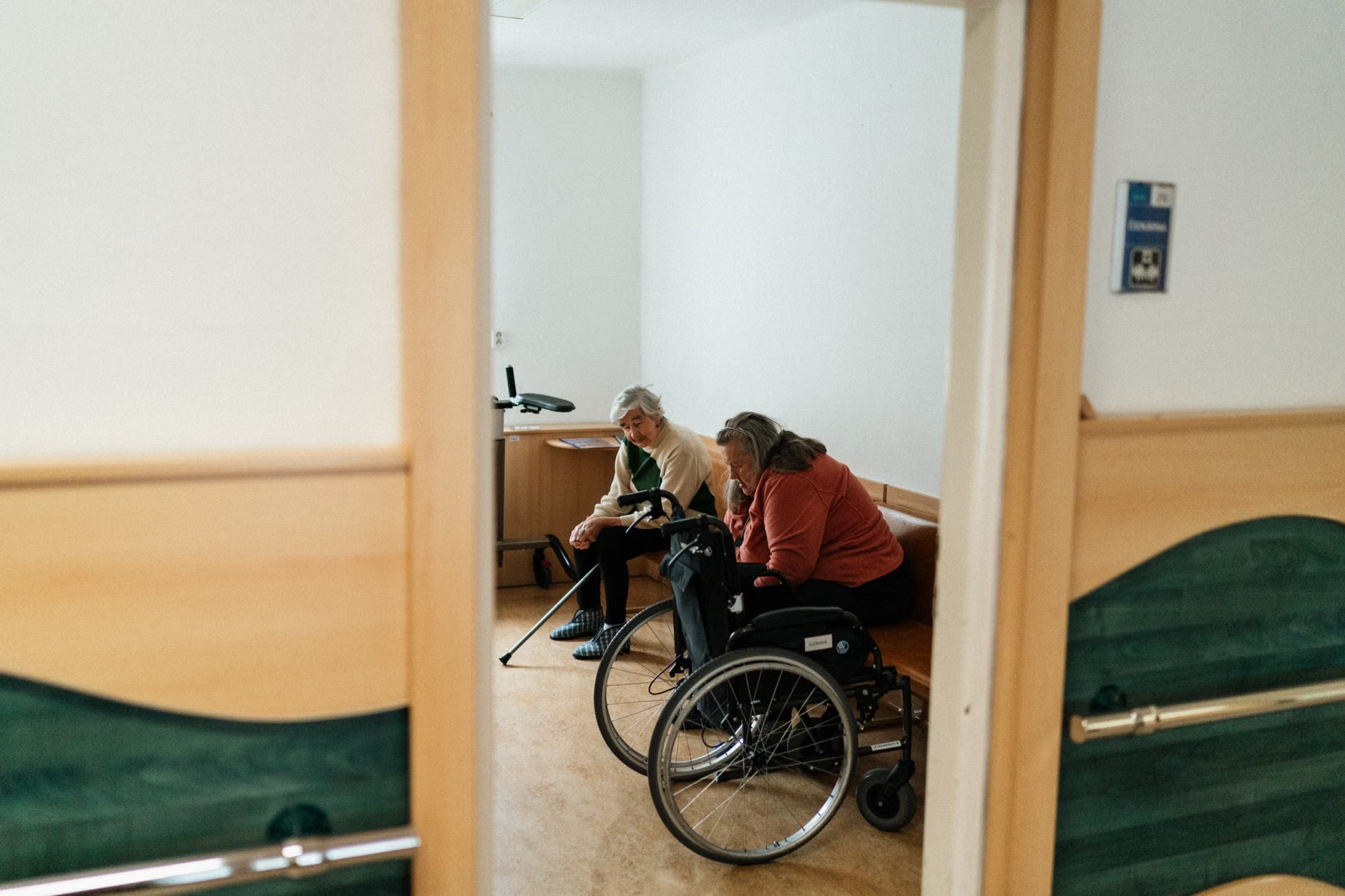
The Role of Family and Caregivers
If you are a family member or caregiver of an older adult, your role in heat safety is one of coordination and observation. In 2026, many cities have implemented “Check-In Programs” where volunteers or social services conduct wellness checks on seniors living alone during heatwaves.
As a caregiver, you should verify if your relative is registered for these local services. Furthermore, help them create a “Communication Chain.” If they decide to go to a cooling center, they should have a simple way to notify you—such as a pre-arranged text message or a phone call—so you are aware of their location and status.
Overlooked Variables in Heatwave Safety
Beyond the obvious need for shade and air conditioning, there are subtle factors that can affect your comfort and safety at a cooling center. One such factor is the “Social Environment.” A cooling center that is overcrowded and noisy may increase anxiety, which can raise your heart rate and body temperature. If you have the choice between two centers, consider visiting the one that is likely to be less crowded or has a designated “quiet zone.”
Another overlooked variable is “Technical Confidence.” If you rely on digital tools to find information, ensure your smartphone or tablet is fully charged before you leave home. Heat can degrade battery life rapidly, and being caught without a way to access maps or transit apps can be a significant inconvenience.
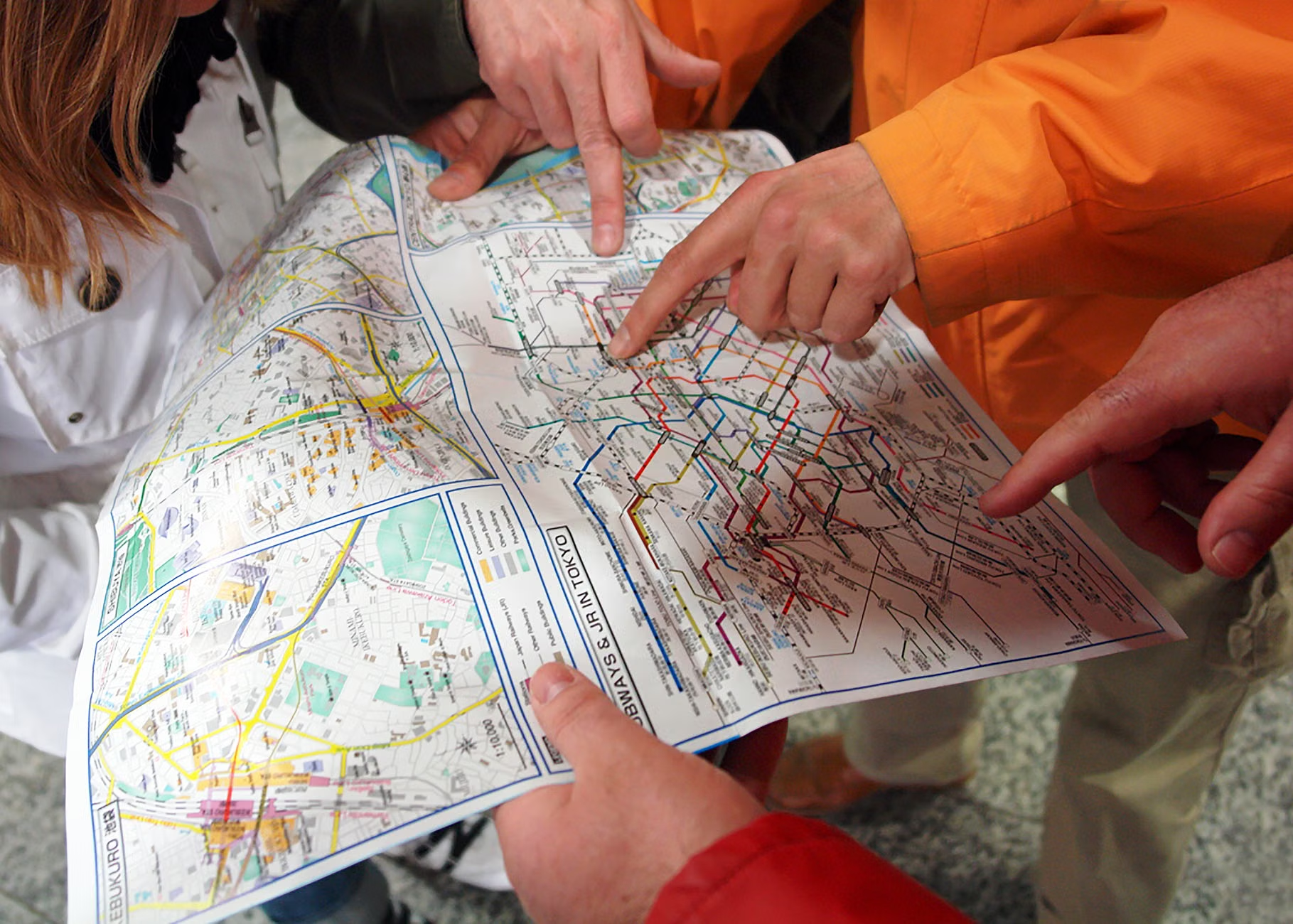
Understanding Official Guidance and Resources
It is vital to rely on information from official municipal channels rather than general social media updates, which may be outdated or inaccurate. In most major cities, the Department of Health or the Office of Emergency Management manages the official list of cooling centers. These sites are updated in real-time to reflect closures, capacity limits, and extended hours.
For example, in many U.S. cities, the 311 service line is the primary way to get verified information about cooling centers. In the UK, the NHS provides heat-health alerts that are often linked to local council cooling initiatives. Always bookmark the specific portal for your city or region.
Summary of Best Practices for 2026
- Preparation: Know your local cooling center locations and their specific accessibility features before a heatwave is forecasted.
- Communication: Keep a designated contact informed of your movements.
- Equipment: Carry your essential medications and enough water for the transit time, not just the time spent at the center.
Frequently Asked Questions
1. How do I know if a cooling center is truly accessible for my mobility aid?
Most official municipal websites now include an “accessibility filter” or specific icons (such as a wheelchair symbol) on their cooling center maps. If you are unsure, look for the contact phone number on the official listing and call to confirm that the entrance, restrooms, and main seating area are fully accessible. Do not rely on third-party map apps, as their accessibility data may not be updated for temporary cooling sites.
2. Can I bring my medication to a cooling center?
Yes, and you should. However, check if the center has a refrigerator available for public use. Many modern centers in 2026 provide secure, refrigerated storage for essential medications like insulin. If you are unsure, call ahead or bring a small, insulated cooler with a cold pack as a backup.
3. What if I feel unwell while at a cooling center?
Do not wait for the symptoms to pass. Alert the staff or volunteers immediately. Most designated cooling centers have a protocol for heat-related emergencies and can assist in contacting medical services if your condition requires professional attention. If you are alone, keep your emergency contact information clearly visible in your bag or on your person.
By staying informed and preparing in advance, you can navigate the challenges of extreme heat with confidence and safety. The shift toward more inclusive, health-focused cooling centers is a positive trend that empowers older adults to maintain their active lifestyles even during the hottest months of the year.
For further information on heatwave safety in your specific region, please consult your local government’s official emergency management website or the public health department’s portal.
Deep Dive: The Science of Heat Stress in Older Adults
Understanding why your body reacts to heat differently as you age is the first step in effective prevention. As we reach our 60s and 70s, the body’s thermoregulation—the process of maintaining a stable internal temperature—becomes less efficient. This is not a sign of illness, but a physiological reality. Research indicates that older adults often have a lower density of sweat glands, and those glands may not produce sweat as quickly as they did in younger years.
Furthermore, the cardiovascular system in an older adult has to work harder to cool the body. When you are exposed to high temperatures, your body attempts to cool itself by pumping blood to the skin’s surface. For someone with a pre-existing heart condition, this puts extra strain on the heart, which is why heatwaves are often associated with an increase in cardiovascular events. This is why the 2026 trend of “active cooling” involves more than just sitting in a cool room; it involves staying hydrated with electrolyte-balanced fluids and avoiding physical exertion during the peak heat of the day.
Comparative Analysis: Different Types of Cooling Facilities
Not all cooling centers are created equal. It is helpful to categorize them based on your needs:
- Civic-Operated Centers: These are typically the most reliable, with official staffing, backup power, and clear accessibility standards. Use these as your primary choice.
- Public-Access Hubs (Libraries, Museums): These are excellent for comfort and social engagement, but they may not have dedicated medical support or designated “quiet zones.” They are best for shorter stays.
- Commercial Cooling Zones: Some cities have partnered with shopping malls or large transit hubs to designate areas as “cool zones.” These are convenient but can be crowded and noisy, which may not be ideal for those seeking rest.
When choosing where to go, consider your stamina. If you are planning a longer stay to avoid a multi-day heatwave, prioritize the civic-operated centers where you are likely to have more space and access to staff.
The Future of Urban Heat Mitigation
Looking beyond 2026, urban planners are exploring “Cool Pavements” and increased “Urban Canopy” coverage as ways to reduce the “Urban Heat Island” effect. While these long-term projects are vital, they do not replace the immediate need for cooling centers. The current trend of integrating these centers into the fabric of daily life—making them places where you might go to read, socialize, or participate in a hobby—is a significant improvement over the older, more isolated model of emergency shelters.
By treating cooling centers as a normal part of your community infrastructure, you reduce the stigma associated with needing them. They are not just for emergencies; they are part of a resilient urban lifestyle. In 2026, we see a move toward “multi-generational” spaces where older adults and younger community members coexist, creating a safer and more inclusive environment for everyone.
As you continue to navigate the summer months, remember that your health is the priority. If you find yourself feeling overwhelmed by the heat, do not hesitate to use these facilities. They are a public service designed for you, and utilizing them is a proactive, smart decision for your long-term health and wellbeing.
This article is for informational purposes and does not constitute medical advice. If you have specific concerns regarding your health, please consult your healthcare provider.