- The thoracic spine (upper-to-mid back) is the primary engine for upright posture; regular extension exercises can counteract the natural tendency to hunch as we age.
- Seated thoracic extension is a low-impact, accessible movement that can be performed anywhere without specialized equipment, making it ideal for daily consistency.
- Success depends on isolating movement to the mid-back while keeping the lower back (lumbar) and neck stable to prevent strain.
Maintaining an upright posture is not merely a matter of aesthetics; it is a fundamental pillar of physical independence for adults aged 60 to 80. As we age, the thoracic spine—the section of the back between the neck and the lower lumbar region—naturally tends to stiffen and curve forward. This phenomenon, often referred to as hyperkyphosis, can restrict breathing capacity, limit shoulder mobility, and increase the risk of falls by shifting the body’s center of gravity.
The seated thoracic extension exercise is a highly effective, low-risk movement designed to counteract this forward-leaning tendency. By focusing on gentle, controlled extension, you can help maintain the flexibility required to stand tall, reach for objects on high shelves, and move through your day with greater ease and confidence.
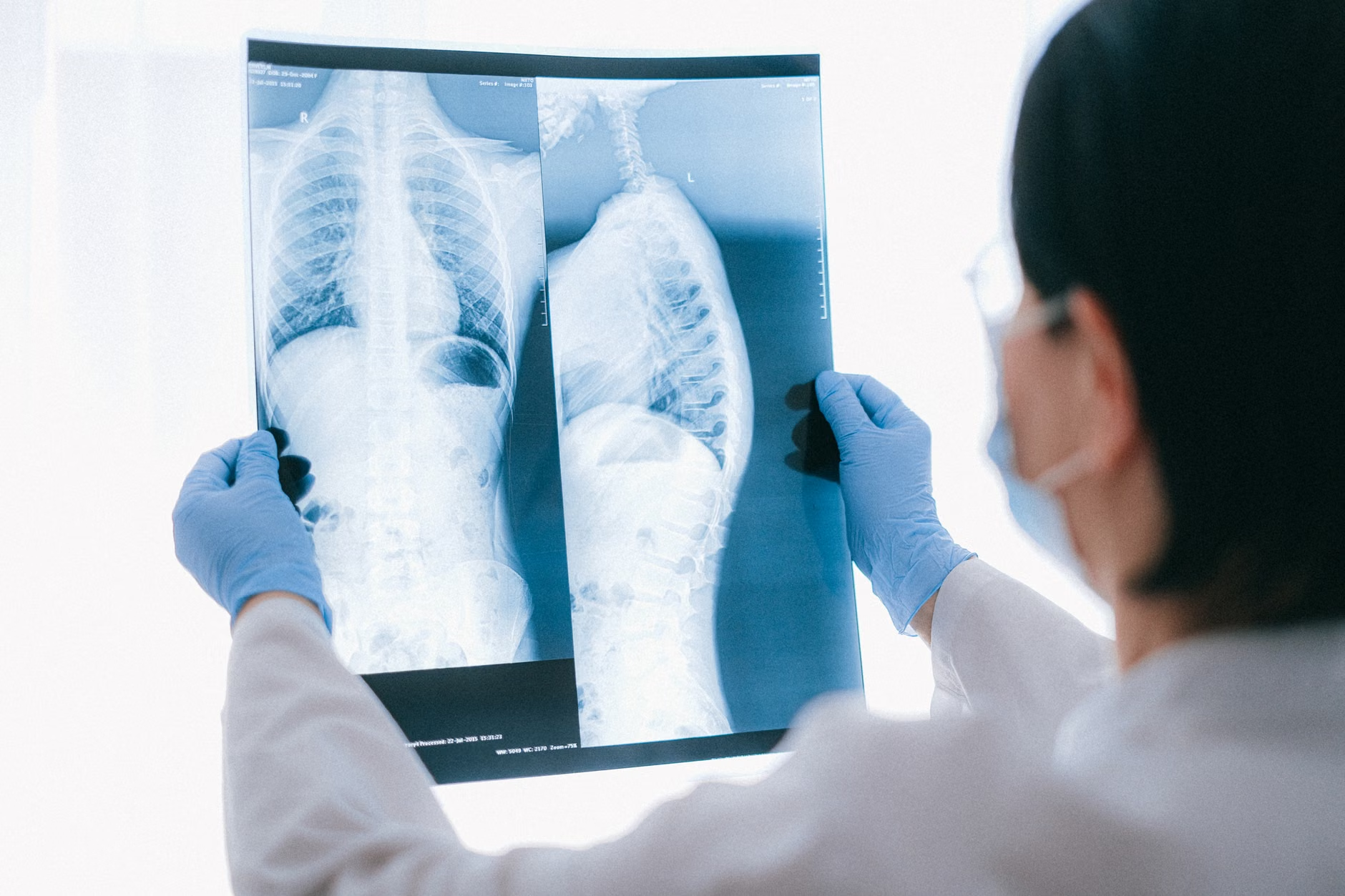
Understanding the Thoracic Spine and Why It Matters
The thoracic spine consists of 12 vertebrae (T1 to T12) that connect to your rib cage. Unlike the lumbar spine, which is designed for stability and weight-bearing, or the cervical spine (neck), which is designed for a high degree of rotation, the thoracic spine is intended to provide a balance of stability and mobility. However, because it is anchored to the rib cage, it is inherently less mobile than the rest of the spine.
The Impact of Age-Related Stiffness
Over time, various factors contribute to thoracic stiffness. These include long periods of sitting (such as reading, using a computer, or watching television), reduced activity levels, and natural changes in bone density and disc hydration. When the thoracic spine loses its ability to extend, the body compensates by over-extending the neck or the lower back. This compensation is often the root cause of the “text-neck” posture or lower back discomfort that many older adults experience.
The Benefits of Targeted Mobility
By regularly practicing thoracic extension, you are not just “fixing your posture.” You are actively working to:
- Improve Respiratory Function: A hunched posture compresses the chest cavity. Opening the thoracic spine allows the diaphragm to move more freely, potentially improving lung capacity.
- Enhance Shoulder Health: The shoulder blades (scapulae) glide over the rib cage. If the thoracic spine is rounded, the shoulder blades cannot move correctly, which can lead to impingement and pain when reaching overhead.
- Reduce Fall Risk: When your head is positioned over your pelvis rather than in front of it, your balance significantly improves.
Preparing for the Seated Thoracic Extension
Before beginning any new physical habit, it is essential to ensure your environment is safe and your expectations are realistic. This exercise is not about forcing your body into a new position, but rather about gently reminding your spine of its natural range of motion.
Safety Checklist
| Requirement | Guidance |
|---|---|
| Equipment | A sturdy, armless chair with a backrest that reaches at least to your mid-back (bottom of your shoulder blades). |
| Clothing | Loose, comfortable clothing that does not restrict your ability to lift your arms or move your shoulders. |
| Environment | A quiet space with enough room to extend your elbows to the side without hitting walls or furniture. |
| Physical State | Do not perform this if you have acute back pain, recent spinal surgery, or severe osteoporosis without consulting your doctor. |
It is important to note that “no pain, no gain” does not apply here. You should feel a gentle stretch or a sensation of opening, but never sharp, shooting, or radiating pain. If you experience such pain, stop immediately.

Step-by-Step Execution: The Seated Extension
Follow these steps to perform the movement correctly. The goal is to isolate the movement to the upper back.
- Sit Tall: Sit on the edge of your chair with your feet flat on the floor, hip-width apart. Imagine a string pulling the crown of your head toward the ceiling.
- Support the Neck: Interlace your fingers and place your hands behind your head, just above the base of your skull. Keep your elbows pointing forward initially.
- The Anchor Point: Ensure your mid-back is pressed firmly against the top edge of the chair backrest. This chair edge acts as a fulcrum.
- The Movement: Take a deep breath in. As you exhale, gently lean your upper back over the top of the chair. Keep your lower back (lumbar) neutral—do not let your stomach push forward.
- The Range: Only go back as far as is comfortable. You are aiming to move from the middle of your back, not your neck.
- The Return: Inhale as you slowly return to the starting, upright position.
Common Mistakes to Avoid
Many people inadvertently turn this into a lumbar extension (arching the lower back). To avoid this, keep your abdominal muscles gently engaged. Think of your rib cage as a container that must stay aligned. If your ribs “flare” or pop forward, you have gone too far or are using the wrong muscles. Another common error is pulling on the neck with the hands; your hands are there for support, not to force the head backward.
Integrating Mobility into Daily Life
Consistency is more important than duration. Practicing this for two minutes every morning is significantly more effective than doing a 30-minute session once a week. Because this exercise is seated, it can be integrated into your routine in ways that are easily sustainable.
The “Commercial Break” Habit
If you enjoy watching television, use the commercial breaks or the time between episodes as a trigger. Keep a sturdy chair nearby. Performing five to ten controlled repetitions during these natural pauses ensures that you are not sitting in a static, hunched position for hours at a time.
The Desk-Worker’s Reset
If you spend time at a computer, set a timer for every 45 minutes. When the timer goes off, stand up, walk to your chair, and perform the seated thoracic extension. This serves two purposes: it forces you to break your sedentary streak and it resets the posture that likely degraded during your work session.

Advanced Nuances and Considerations
As you become more comfortable with the movement, you might wonder if you should push further. It is crucial to understand that the goal of this exercise is maintenance, not extreme flexibility. For older adults, the priority is to maintain the range of motion that allows for daily activities like reaching for a high cupboard, checking blind spots while driving, or simply standing without fatigue.
The Role of Breathing
Many people hold their breath when trying to improve their posture. This creates tension in the neck and shoulders. Focus on exhaling during the extension phase. This serves two purposes: it helps relax the intercostal muscles (the muscles between your ribs), which can further improve the stretch, and it prevents the spike in blood pressure that can occur with breath-holding (the Valsalva maneuver).
When to Seek Professional Guidance
If you find that you cannot move your thoracic spine at all, or if you feel a “locking” sensation, it may be time to consult a physical therapist. A professional can determine if your stiffness is due to muscle tightness, which responds well to these exercises, or if there are structural changes in the vertebrae or discs that require a more specific, modified approach.
Furthermore, if you have a diagnosis of osteoporosis, please exercise caution. You should discuss specific spinal extension exercises with your healthcare provider to ensure that the pressure applied to the vertebrae is safe for your bone density levels. They may recommend a more supported or modified version of this movement.
Conclusion: The Long-Term View on Posture
The seated thoracic extension is a simple, effective tool for preserving your mobility and quality of life. By dedicating a few minutes each day to this movement, you are actively investing in your ability to remain upright, active, and independent. Remember that posture is a dynamic, ongoing process, not a static achievement. Listen to your body, respect your current limits, and focus on steady, incremental progress. Over months and years, these small, consistent movements will serve as a powerful defense against the stiffness that often accompanies the aging process.
For more information on spinal health and mobility, you may consult resources from organizations like the American Academy of Orthopaedic Surgeons (AAOS) or your local national health service’s guidance on healthy aging and physical activity.
Frequently Asked Questions
1. How many times a day should I perform the seated thoracic extension?
A good starting point is once or twice a day, performing 5 to 10 slow, controlled repetitions. The key is consistency; performing it daily is more beneficial than doing a large number of repetitions sporadically.
2. Can I do this exercise if I have lower back pain?
If you have existing lower back pain, you must be careful to keep your core engaged and avoid arching your lower back during the movement. If the exercise causes or increases lower back pain, stop immediately and consult a physical therapist to ensure you are performing the movement with the correct technique for your specific condition.
3. Will this exercise fix a rounded upper back (hunchback) completely?
While this exercise can help improve flexibility and posture, it is not a guaranteed “cure” for structural changes in the spine that may have developed over decades. However, it is an essential part of a management strategy to prevent further progression and to help you move more comfortably in your daily life.