- Cognitive Engagement: Jigsaw puzzles stimulate multiple brain areas simultaneously, including visual-spatial processing, pattern recognition, and working memory.
- Ergonomics Matter: To sustain this hobby comfortably, prioritize proper lighting, adjustable table heights, and specialized mats to prevent neck and back strain.
- Strategic Selection: Choose puzzles based on piece size, image contrast, and theme to match your current visual acuity and dexterity, rather than just piece count.
The Cognitive Mechanics of Puzzle Construction
Engaging in jigsaw puzzles is far more than a way to pass the time; it is a sophisticated cognitive workout. For adults aged 60 to 80, the act of assembling a puzzle involves a complex interplay of neural pathways. When you scan a pile of scattered pieces, your brain is performing high-level visual-spatial processing. You are identifying shapes, colors, and textures, and then mentally rotating those pieces to see if they fit into the larger landscape of the image.
Research into cognitive aging suggests that “cognitive reserve”—the brain’s ability to improvise and find alternate ways of getting a job done—is strengthened through sustained, intellectually stimulating activities. Unlike passive entertainment, such as watching television, puzzles require active participation. You are constantly making decisions: “Does this piece go here?” “Is this color a shadow or a part of the sky?” Each decision involves working memory, which is the ability to hold information in your mind while manipulating it. By consistently challenging these faculties, you maintain the neural efficiency necessary for daily problem-solving.

Selecting the Right Challenge: Beyond Piece Count
A common mistake is focusing exclusively on the number of pieces. While a 1,000-piece puzzle is a standard benchmark, it is not always the most effective choice for cognitive health. The “cognitive value” of a puzzle is maximized when the challenge is high enough to be engaging but not so frustrating that it causes unnecessary stress or physical discomfort. Consider the following criteria when selecting your next project:
| Criterion | What to Look For | Why it Matters |
|---|---|---|
| Image Contrast | High contrast, distinct borders, and clear color separation. | Reduces eye strain and makes pattern recognition more efficient. |
| Piece Size | “Large format” or “easy-grip” pieces for those with arthritis. | Ensures the hobby remains physically comfortable for longer durations. |
| Theme | Interests you personally (e.g., historical maps, nature, art). | Increases intrinsic motivation and dopamine release during completion. |
For those new to the hobby or returning after a long break, starting with a 300-piece puzzle featuring high-contrast imagery is a prudent strategy. This allows you to calibrate your spatial reasoning skills without the fatigue associated with smaller, more intricate pieces. As your confidence grows, you can gradually increase the complexity, not necessarily the piece count, by choosing puzzles with more subtle color gradients or busier patterns.
Optimizing Your Workspace for Comfort and Longevity
To sustain a hobby, one must address the physical barriers that might discourage participation. Many older adults find that after 30 to 60 minutes of puzzling, they experience neck stiffness, eye fatigue, or back pain. These are not signs that you should stop the activity, but rather indicators that your environment needs adjustment.
Lighting and Vision
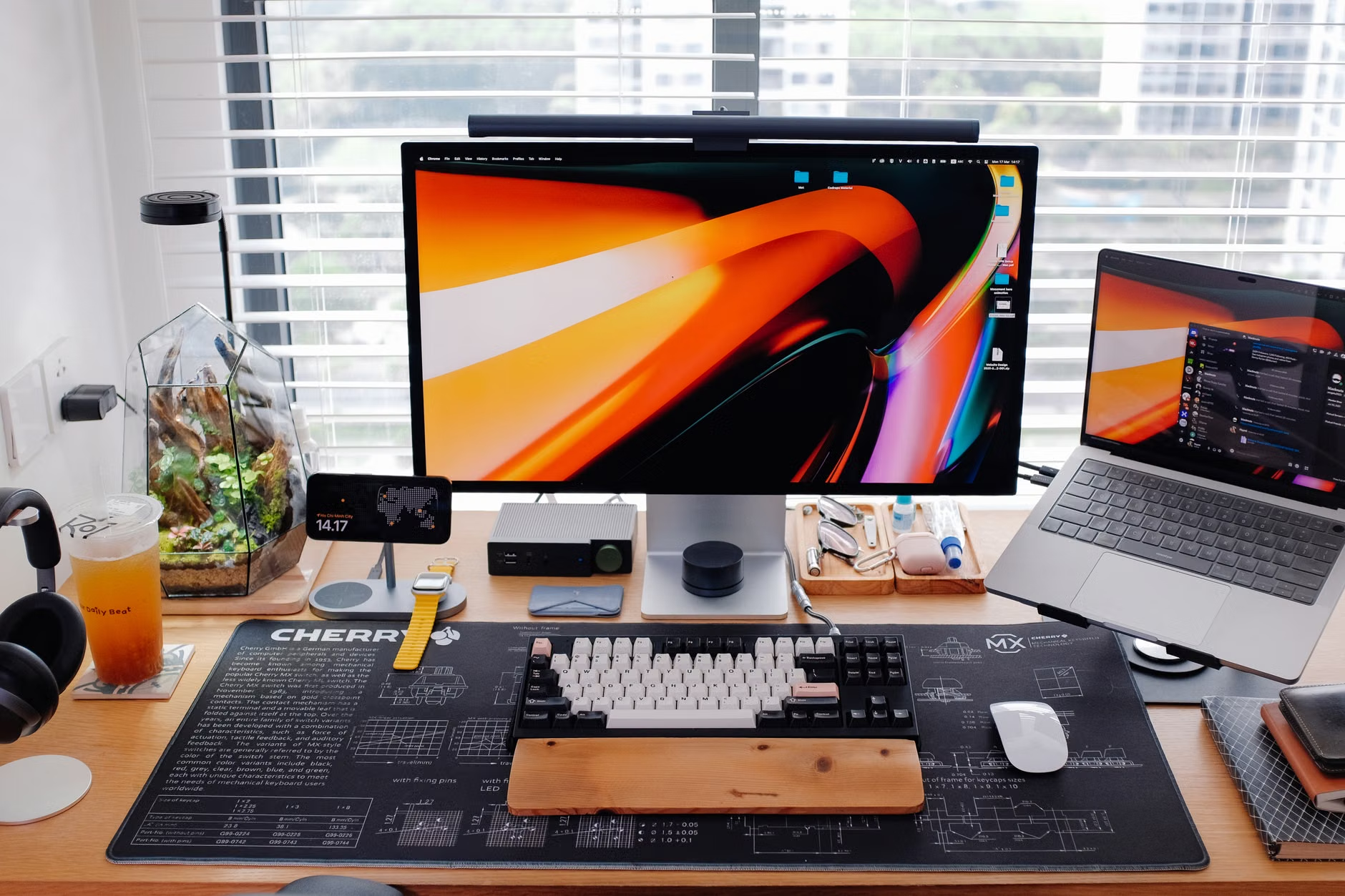
As we age, our eyes require more light to distinguish between similar colors and patterns. Relying on general overhead lighting is often insufficient. Invest in a dedicated LED magnifying lamp that can be clamped to your table. These lamps provide “daylight” spectrum lighting, which reduces glare and minimizes the color distortion that often occurs with standard incandescent bulbs. By ensuring your workspace is brightly and evenly lit, you significantly reduce the cognitive load on your visual system, allowing your brain to focus on the puzzle-solving logic rather than interpreting blurry shapes.
Ergonomic Positioning
The traditional flat table setup is rarely ideal for long-term comfort. A tilted puzzle board or a drafting table allows you to work at an angle, which brings the puzzle closer to your eyes and prevents you from hunching over. If you do not have a dedicated drafting table, consider a portable wooden puzzle easel. These boards can be placed on your existing dining table, providing the necessary incline while keeping your surface protected. Ensure your chair provides adequate lumbar support, and take a “micro-break” every 20 minutes to stand, stretch, and reset your posture.
The Social Dimension of Cognitive Leisure
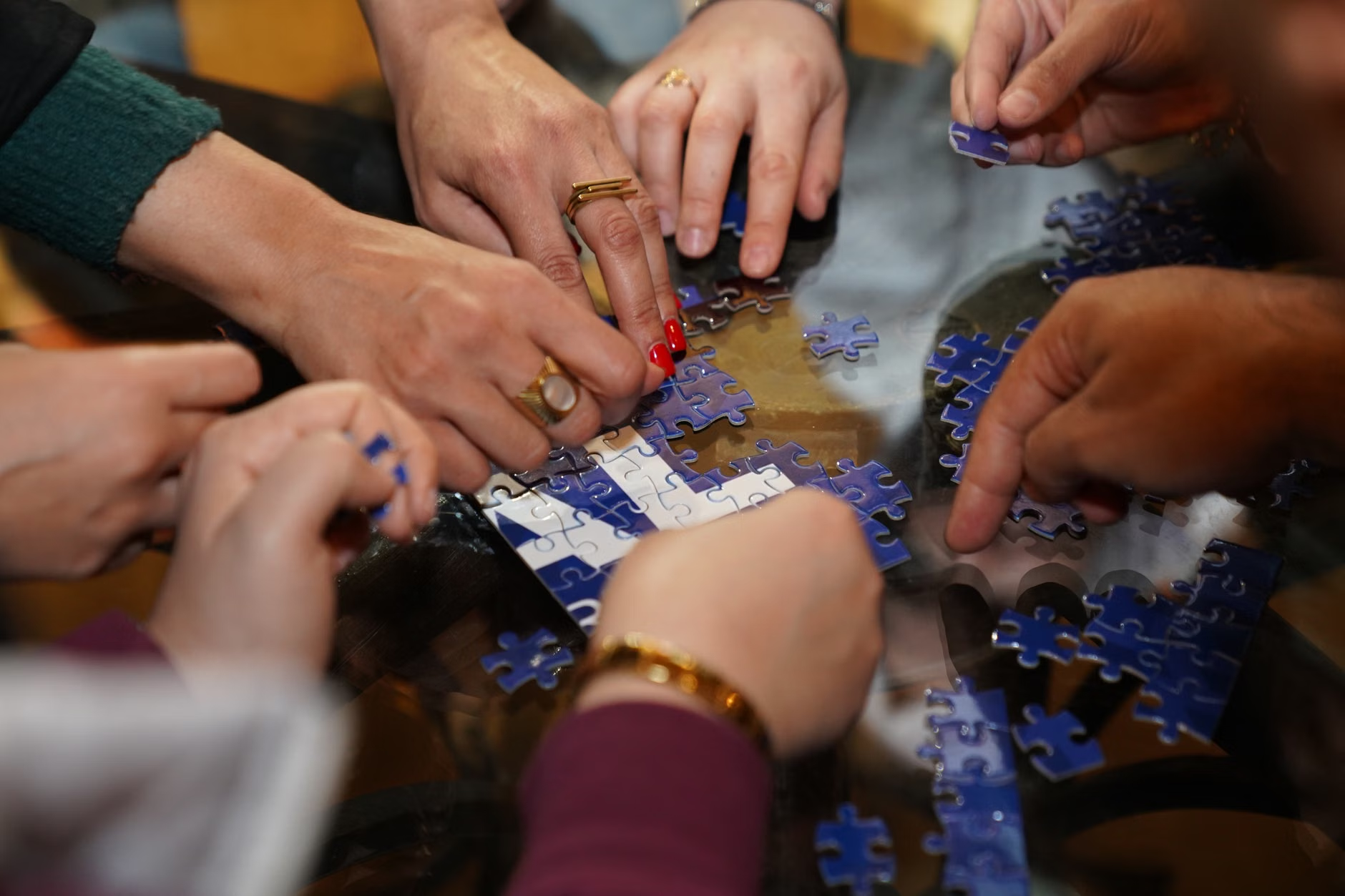
While puzzling is often viewed as a solitary pursuit, it is an excellent vehicle for social interaction. Engaging in a “collaborative puzzle session” with a spouse, friend, or family member introduces a new layer of cognitive complexity: communication and shared strategy. Working together requires you to articulate your thought process—explaining why you think a piece fits or asking for a specific color—which engages language centers of the brain alongside visual-spatial ones.
This social aspect is particularly beneficial for caregivers and family members looking to connect with older relatives. It provides a structured, low-pressure environment for conversation. Unlike a formal game with strict rules and winners, a puzzle is a shared, non-competitive goal. If you are a caregiver, try sitting down for 15 minutes while your loved one works. You don’t need to do the heavy lifting; simply being present, offering a piece, or discussing the imagery can provide a significant boost to the participant’s mood and mental stamina.
Even with the best intentions, puzzle enthusiasts often encounter specific hurdles. Recognizing these early can prevent the hobby from becoming a source of frustration.
- The “Missing Piece” Anxiety: It is inevitable that at some point, a piece will go missing. This can cause significant distress. Practical Strategy: Adopt the “Zen of the Process.” Remind yourself that the value lies in the act of constructing, not the final product. If a piece is missing, use it as an opportunity to practice flexibility and acceptance.
- Visual Overload: If you find yourself staring at a sea of identical blue sky pieces, you may be experiencing visual overload. Practical Strategy: When you hit a wall, stop. Switch to a different section of the puzzle or step away entirely. Returning with fresh eyes often reveals patterns you previously missed.
- Dexterity Challenges: If picking up thin cardboard pieces becomes difficult, look for “wooden” or “thick-cut” puzzles. These pieces are heavier, easier to grasp, and provide a more satisfying tactile “click” when placed correctly.
Integrating Puzzles into a Balanced Daily Routine
To reap the long-term cognitive rewards, consistency is key. However, avoid turning this hobby into a chore. The goal is to integrate it into your life in a way that feels rewarding, not demanding.
Consider the “Morning Peak” strategy. Many people find their cognitive clarity is highest in the morning. Dedicating 30 minutes to a puzzle with your morning coffee can set a positive, focused tone for the rest of the day. Alternatively, if you prefer to unwind, the evening hours can be a great time to transition from the day’s activities to a restful state through the rhythmic, repetitive nature of sorting and placing pieces.
For those managing chronic health conditions, puzzles can serve as a “distraction therapy.” During periods of physical discomfort or recovery, the deep concentration required for a puzzle can help shift the focus away from symptoms, providing a temporary but effective psychological break. Always remember to balance this with appropriate physical movement; the cognitive benefits of the puzzle are best supported by a body that is also receiving regular, gentle exercise.
The Science of Brain Plasticity and Puzzles
It is important to clarify that puzzles are not a “cure” for cognitive decline or memory loss. However, they are a validated tool for “brain maintenance.” Neuroplasticity—the brain’s capacity to form new connections—remains active throughout our lives. By engaging in tasks that require pattern recognition, such as assembling a jigsaw puzzle, you are essentially “exercising” the brain’s connective tissue.
When you solve a puzzle, you are reinforcing the communication between the occipital lobe (responsible for visual processing) and the parietal lobe (responsible for spatial orientation). This cross-talk is essential for maintaining the ability to navigate complex environments, read maps, or even manage household tasks. By keeping these pathways active, you are building a stronger foundation for long-term cognitive health. Scientific literature, such as studies published in journals like Frontiers in Aging Neuroscience, consistently highlights that cognitively stimulating hobbies are linked to a lower risk of cognitive impairment in later life. While these studies do not suggest that puzzles alone prevent disease, they underscore the role of “active” leisure in overall brain health.
Final Considerations for Sustained Engagement
As you incorporate this hobby into your routine, keep a “Puzzler’s Journal.” This isn’t for tracking scores, but for noting which types of images you enjoyed most, which lighting setups worked best, and how you felt before and after your sessions. Over time, this will help you refine your preferences and ensure that your leisure time remains a source of genuine joy and mental growth.
Remember that the “best” puzzle is the one that you enjoy doing. Do not feel pressured by social media images of massive, 5,000-piece puzzles that take up entire rooms. If a 100-piece puzzle brings you peace and mental clarity, that is the perfect puzzle for you. The cognitive value is derived from the engagement, not the difficulty level. Stay curious, keep your workspace comfortable, and enjoy the quiet satisfaction of seeing a chaotic pile of pieces transform into a coherent, beautiful whole.
Frequently Asked Questions (FAQ)
1. How much time should I spend on puzzles each day to see cognitive benefits?
There is no “prescribed” duration for cognitive benefit. Aim for 20 to 45 minutes of focused activity. This duration is long enough to engage your working memory and visual-spatial skills but short enough to avoid physical strain or mental fatigue. Consistency, such as doing a little bit every other day, is more effective than attempting a massive, exhausting marathon session once a month.
2. Can digital puzzles on a tablet provide the same benefits as physical puzzles?
Digital puzzles offer excellent convenience and accessibility, particularly for those with limited space. However, they lack the tactile feedback—the physical sensation of manipulating cardboard pieces—that contributes to fine motor skill maintenance. If you use a tablet, ensure you use a stylus to maintain some degree of precision in your movements. Ideally, a mix of both physical and digital puzzles can provide a well-rounded cognitive workout.
3. What should I do if I find the colors too similar and it causes me frustration?
This is a common issue, often related to the quality of the puzzle print or the lighting in your room. First, check your lighting; ensure you are using a bright, cool-toned LED lamp. If the frustration persists, sort the pieces by shape rather than color. Focusing on the “knobs and holes” of the pieces can bypass the color confusion and provide a different, yet equally rewarding, logical challenge.
Disclaimer: This article is for informational purposes and does not constitute medical advice. While hobbies like jigsaw puzzles are associated with cognitive health, they are not a substitute for professional medical care. If you have concerns about your memory or cognitive function, please consult with your primary care physician or a qualified healthcare provider.