- Chess clubs provide a structured, low-barrier social environment that combats isolation while promoting cognitive maintenance.
- Joining a club requires no prior expertise; most local groups prioritize social interaction and skill-sharing over competitive intensity.
- The physical and mental accessibility of chess makes it an ideal lifelong hobby that adapts to changing stamina and mobility levels.
Chess is often viewed through the lens of high-stakes grandmaster tournaments, but for adults aged 60 to 80, the true value of the game lies in its capacity to serve as a cornerstone of community life. Beyond the tactical complexity of the board, local chess clubs act as “third places”—social environments separate from the home and the workplace—that offer consistent, meaningful, and intellectually stimulating human contact.
The Social Architecture of a Chess Club
For many retirees, the loss of a professional network can lead to a sudden decrease in daily social interaction. While casual social gatherings are beneficial, they often lack a common focus. A chess club provides a shared “language” and a structured activity that removes the pressure of forced conversation.
When two people sit down to play a game of chess, the game itself acts as a mediator. You do not need to invent conversation topics; the board provides an immediate subject of mutual interest. This is particularly helpful for individuals who may feel socially anxious or out of practice in meeting new people.
In a club setting, the social dynamic follows a “turn-based” cadence. During a match, the focus is on the game, which allows for quiet companionship. Between matches, the environment naturally shifts to analysis and social chatter. This rhythm prevents the exhaustion that can sometimes accompany purely conversational social groups.
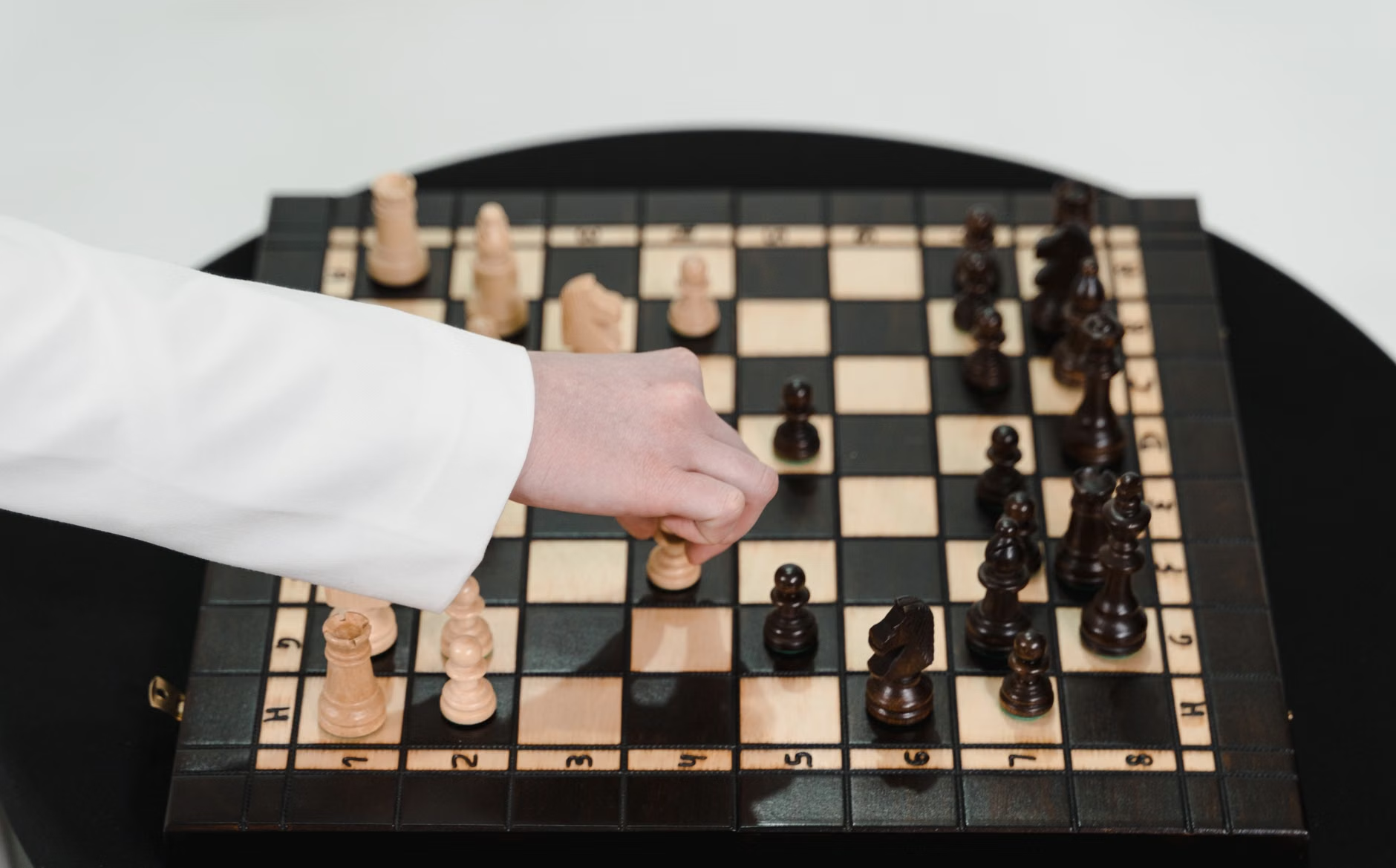
Assessing Accessibility and Physical Requirements
One of the primary concerns for older adults when considering a new hobby is whether it fits within their physical capabilities. Unlike many sports or leisure activities, chess is remarkably accessible.
| Requirement | Chess Reality | Adaptation Strategy |
|---|---|---|
| Mobility | Sitting required | Ensure the club uses ergonomic chairs with back support. |
| Vision | Focus on small pieces | Use large-scale, high-contrast boards; ensure excellent lighting. |
| Stamina | Games can last 1 hour+ | Participate in “Blitz” (shorter) games or take frequent breaks. |
| Cost | Usually free or low fee | Most clubs are community-funded; equipment is usually provided. |
As indicated in the table, the barriers to entry are minimal. However, it is essential to check if the venue is wheelchair accessible, has elevator access if located on an upper floor, and provides restrooms within easy walking distance. If you are a caregiver looking for an activity for a family member, prioritize clubs that meet in well-lit, quiet public libraries or community centers, as these are generally designed with universal accessibility in mind.
Cognitive Engagement and Daily Wellbeing
While chess is frequently cited for its potential to support cognitive health, it is important to view it as a form of “mental exercise” rather than a clinical cure for cognitive decline. Engaging in chess requires executive function, pattern recognition, and memory—skills that benefit from regular practice.
Moving Beyond the “Brain Training” Myth
There is no evidence that playing chess will prevent specific neurological conditions. However, the *social* element of the club is a powerful protective factor against loneliness, which is a known risk factor for various health issues in older adults. When you play chess at a club, you are engaging in a multi-modal activity: you are navigating travel to the venue, interacting with people, following social rules, and solving puzzles. This “complex engagement” is far more beneficial than solving a digital chess puzzle on a tablet alone in your living room.
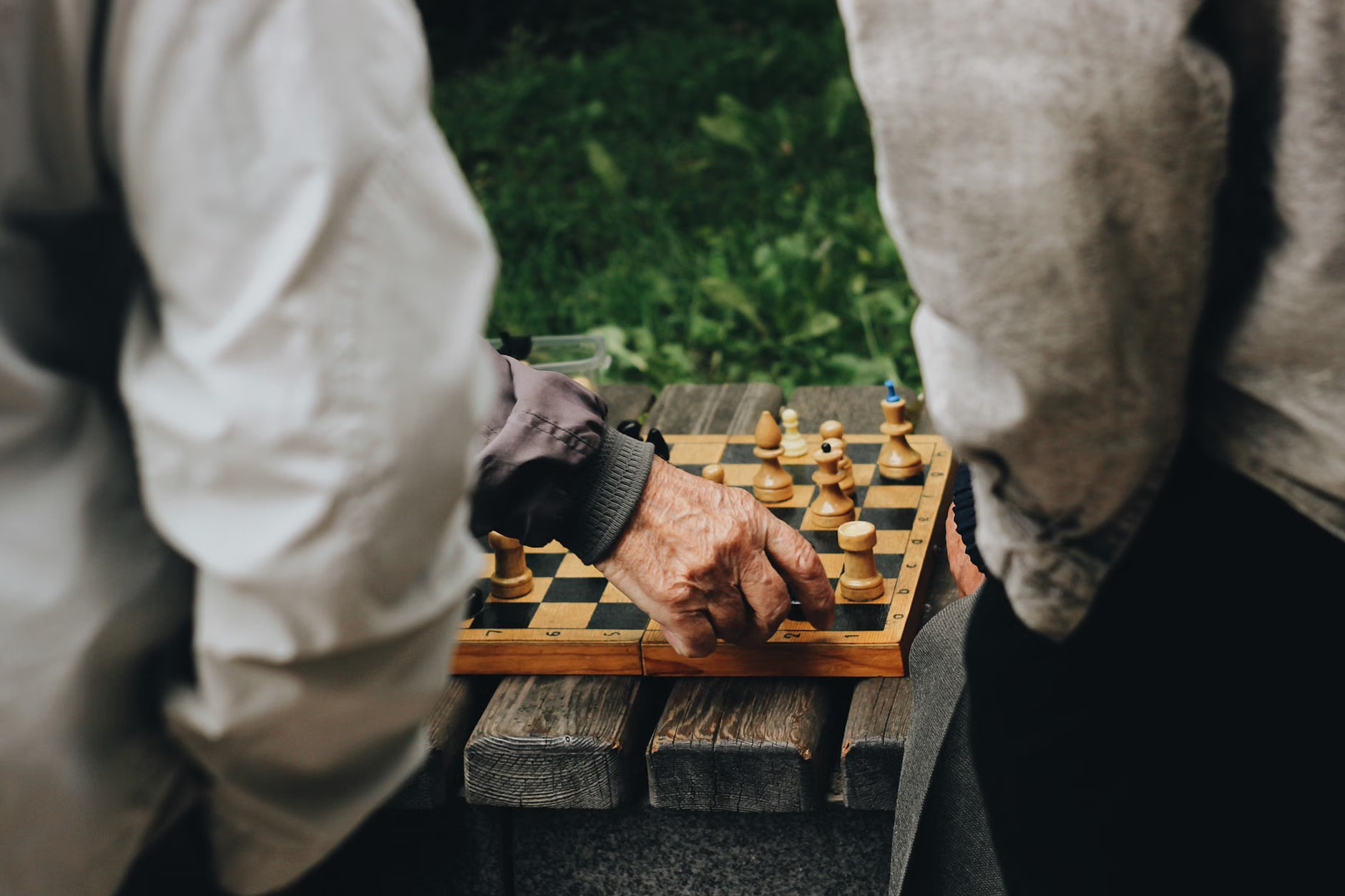
If you are considering joining a club for the first time, or looking for a new one, the transition should be methodical to ensure it remains a positive experience rather than a source of stress.
- Initial Scouting: Look for clubs listed on local government community service websites or library bulletin boards. Call ahead and ask if they have a “beginner-friendly” or “social play” session.
- The “Visitor” Phase: Do not commit to a membership immediately. Ask if you can observe a session first to gauge the atmosphere. Is it noisy? Is it overly competitive? Does it feel welcoming?
- Setting Expectations: Communicate clearly that you are there for the social aspect. You might say, “I’m looking to play some casual games and meet people in the neighborhood.” This sets the tone for your interactions.
- Managing Stamina: If you are concerned about sitting for too long, plan to attend only the first hour of a session. It is better to have a positive, shorter experience than to stay until you are physically fatigued.
Common Misconceptions and Practical Solutions
A common mistake is assuming that you must be “good” at chess to participate. In reality, most community clubs are composed of players of varying skill levels. If you are a beginner, look for clubs that offer informal coaching or “mentorship” from more experienced members. Many retired players enjoy the role of teaching, and this interaction creates a strong sense of purpose and belonging.
Another misconception is that technology is required. While many younger players use digital clocks and apps, traditional wooden boards and clocks are the standard in most community settings. If you have any concerns about technology, you can stick to the traditional, tactile experience, which is often preferred in older adult social groups.
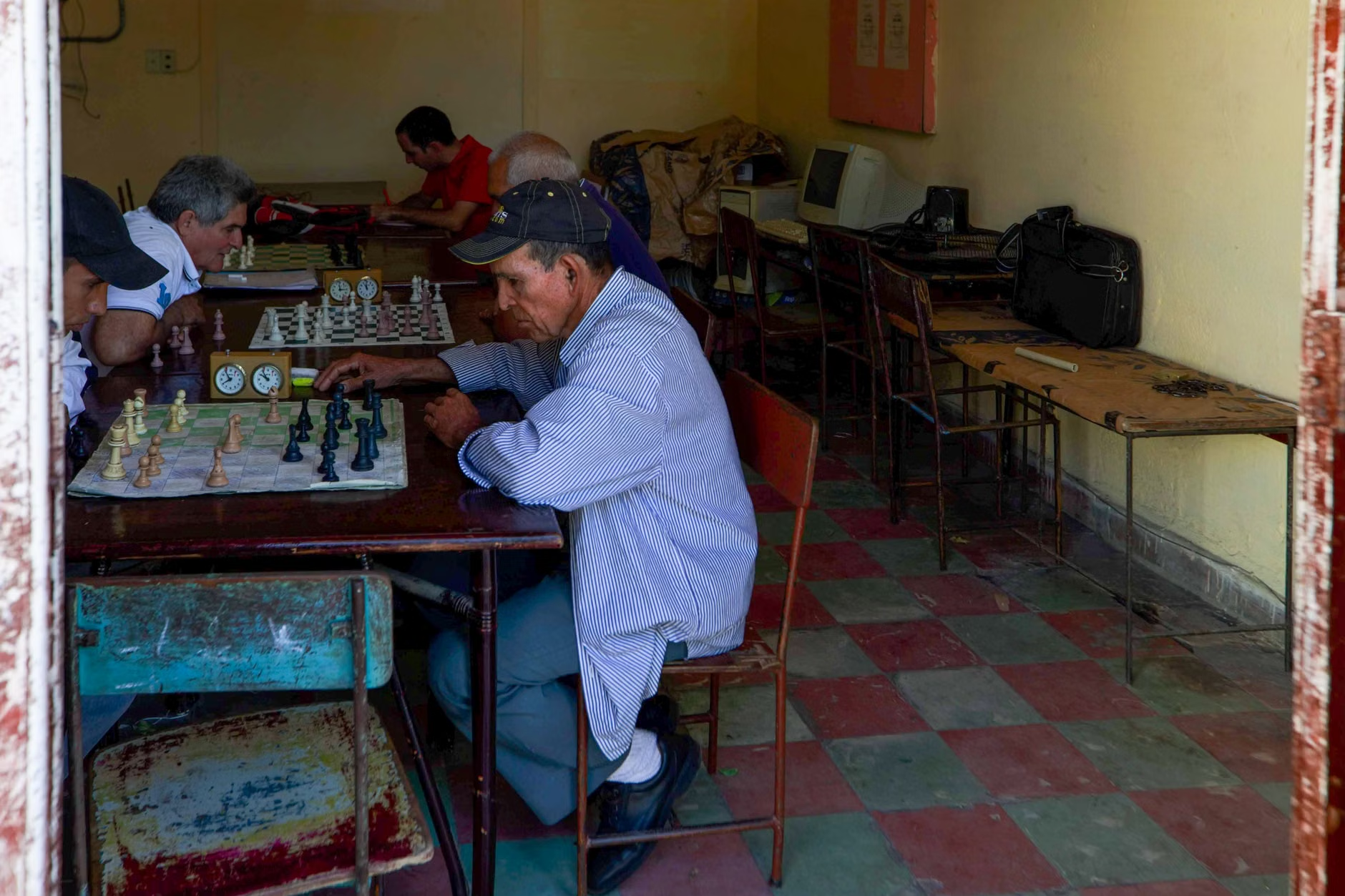
The Hidden Benefits: Intergenerational Connection
Many community chess clubs are intergenerational. Playing against someone in their 20s or 30s can be a refreshing experience. It bridges the generational divide and allows for a transfer of knowledge—both about the game and about life experiences. For an older adult, this keeps them connected to broader social trends and demographics, which is essential for maintaining a sense of relevance and community integration.
However, be aware of the “competitive gap.” Some younger, tournament-focused players may prioritize speed and winning. If you encounter this, it is perfectly acceptable to seek out tables where the focus is on “casual, friendly play.” Do not feel pressured to match the pace or intensity of younger or more competitive players.
Practical Checklist for Your First Visit
Before leaving home for your first chess club visit, ensure you are prepared to manage your own health and mobility needs:
- Comfortable Seating: If you have back issues, bring a small cushion.
- Hydration: Carry a water bottle, especially if the club does not have immediate access to a kitchen.
- Medication: If you are staying for a long session, ensure you have your medication with you and a clear plan for your schedule.
- Accessibility Records: Keep the contact information of the club organizer in your phone or wallet in case you need assistance with entry or exit.
- Transportation: If you do not drive, confirm the public transport route or the availability of accessible ride-share services in your area.
Sustainability: Making It a Routine
The health and social benefits of chess clubs are cumulative. To reap the rewards, consistency is key. Treat your club attendance like a health appointment. Mark it on your calendar and prioritize it. If you find that the club is too far away or the schedule is too demanding, consider starting a small, informal group at your local community center or religious organization. It only takes two people to start a “club.”
The social benefits of community chess extend far beyond the game. They provide a structure for your week, a reason to engage with others, and a mental workout that is both challenging and enjoyable. By focusing on the social environment and ensuring your physical needs are met, you can turn a simple game into a vital part of your lifelong wellbeing strategy.
Frequently Asked Questions
- 1. Do I need to know how to play chess before joining a club?
- No. Many clubs are happy to teach beginners. It is worth calling the organizer beforehand to ask if they have members who are willing to mentor new players.
- 2. Is chess too mentally taxing for someone who hasn’t played in decades?
- Chess is a skill that can be relearned. The key is to start with casual, low-pressure games. The social interaction often helps to reduce the “performance anxiety” that some people feel when returning to the game.
- 3. What if I have physical limitations that make sitting for long periods difficult?
- Most clubs are very accommodating. You can bring your own supportive chair, take frequent breaks to walk around, or limit your play to shorter, faster games that take only 15-20 minutes to complete.