Key Takeaways
- Phosphorus is essential for bone strength, but it must be consumed in balance with calcium to avoid negative impacts on bone density.
- The primary risk for seniors is the overconsumption of “hidden” phosphorus found in processed foods and chemical additives, rather than natural food sources.
- Prioritize whole foods such as lean meats, dairy, and plant-based proteins to achieve a healthy phosphorus-to-calcium ratio naturally.
Maintaining bone health as we age is not just about increasing calcium intake; it is about managing the complex relationship between various minerals, most notably phosphorus. For adults aged 60 to 80, understanding the role of dietary phosphorus is a critical component of a proactive bone health strategy. While phosphorus is the second most abundant mineral in the human body, its intake in the modern diet has shifted significantly, often leading to imbalances that can affect skeletal integrity.
What is Phosphorus and Why Does It Matter for Bones?
Phosphorus is a mineral that works in tandem with calcium to build and maintain strong bones and teeth. Roughly 85% of the phosphorus in your body is stored in your bones. Beyond structure, it is involved in energy production, cell repair, and the activation of enzymes. For older adults, the goal is to maintain a “bone-friendly” environment where phosphorus and calcium work together rather than against each other.
The core issue for many seniors is the calcium-phosphorus ratio. When phosphorus levels in the blood become too high—often due to excessive intake of processed foods—the body may react by leaching calcium from the bones to restore balance. Over time, this chronic process can contribute to decreased bone mineral density, a primary risk factor for fractures and osteoporosis.
Natural vs. Additive Phosphorus: Understanding the Hidden Risk
It is important to distinguish between phosphorus found naturally in food and phosphorus added during food processing. The body processes these two types very differently, and this distinction is vital for your health.
Natural Phosphorus (Organic)
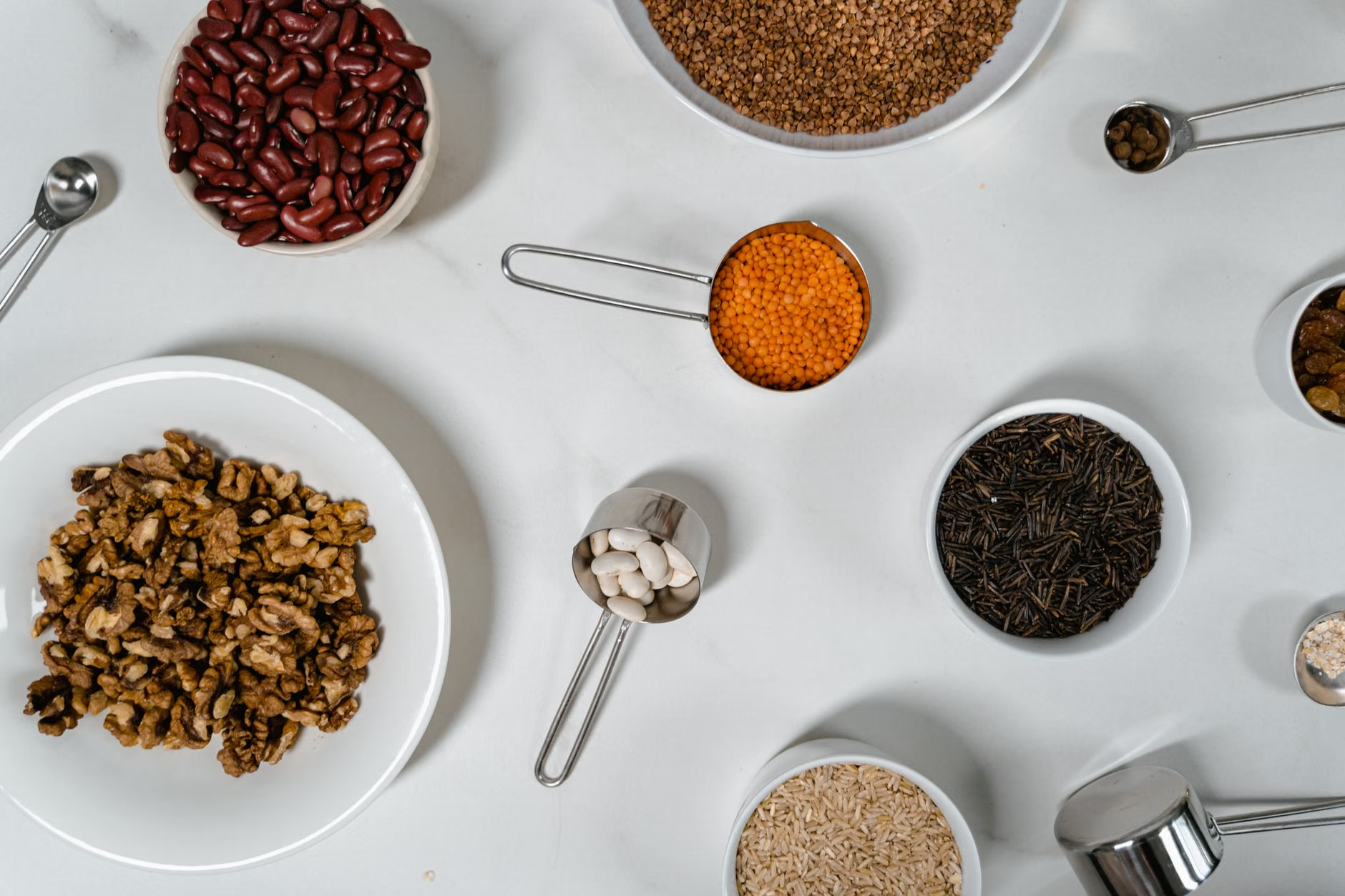
Natural phosphorus is found in protein-rich foods like meat, poultry, fish, dairy, beans, and nuts. This form is bound to proteins, meaning your body absorbs only about 40% to 60% of it. This slower, more controlled absorption makes it much easier for your kidneys and bones to manage.
Additive Phosphorus (Inorganic)
This is the type of phosphorus found in processed foods, fast food, and sodas. It is often used as a preservative, a flavor enhancer, or an anti-caking agent. Unlike natural phosphorus, inorganic phosphorus is absorbed at a rate of 90% to 100%. Because it enters the bloodstream so rapidly, it places a much higher burden on your system and is more likely to trigger the negative effects on bone health mentioned earlier.
| Source Type | Absorption Rate | Impact on Bone Health |
|---|---|---|
| Natural (Dairy, Meat, Beans) | 40% – 60% | Generally safe; supports bone mineralization. |
| Additive (Processed Food/Soda) | 90% – 100% | High risk; may promote calcium loss from bones. |
Decision Rule: If you are choosing between a snack, always prioritize the one with fewer ingredients. If you see terms like “dicalcium phosphate,” “sodium phosphate,” or “pyrophosphate” on a label, you are looking at inorganic, high-absorption phosphorus.
Practical Steps for Managing Phosphorus Intake
You do not need to count every milligram of phosphorus you consume. Instead, focus on the quality of your diet. The following steps will help you maintain an optimal balance without unnecessary stress.
1. Audit Your Processed Food Intake
The most effective way to protect your bones from excessive phosphorus is to limit foods that use it as an additive. This includes most colas (which are high in phosphoric acid), processed meats like deli ham or bacon, and packaged snacks or instant soups.
2. Focus on Calcium-Rich Pairings
If you consume a meal high in natural phosphorus—such as a serving of chicken or fish—ensure you are also consuming adequate calcium. Pair your protein with leafy greens like kale, bok choy, or a serving of dairy or fortified plant-based milk. This helps maintain the necessary balance in your blood chemistry.
3. Use the Ingredient Label as a Compass
Many seniors are accustomed to checking labels for calories or sugar. Start checking for the word “phos” in the ingredient list. If it appears in the first half of the list, that item is likely a significant source of inorganic phosphorus.

The Role of Kidney Function in Phosphorus Management
For adults aged 60 to 80, kidney function is the “gatekeeper” of phosphorus levels. Healthy kidneys are highly efficient at filtering out excess phosphorus. However, as kidney function naturally declines with age, the body’s ability to clear excess phosphorus diminishes. This is why the distinction between organic and inorganic phosphorus becomes increasingly important as we enter our 70s and 80s.
If you have been diagnosed with chronic kidney disease (CKD) or have been told by your doctor that your kidney function is “borderline,” you should be extra cautious. In these cases, your doctor may provide specific targets for your daily phosphorus intake. Always follow the guidance of your healthcare provider if you have a known renal condition, as they may recommend specific dietary restrictions that differ from general health advice.
Debunking Common Myths
There is a common misconception that all “high-protein” diets are inherently bad for bones because of their phosphorus content. This is a simplification that often leads to nutritional deficiencies. Protein is essential for maintaining muscle mass, which in turn protects bones. The danger is not the protein itself, but the source of the protein. A piece of fresh salmon provides vital nutrients and protein with manageable phosphorus, whereas a heavily processed, pre-packaged “protein snack” may contain high levels of inorganic additives that provide no nutritional benefit.
Integrating Phosphorus Awareness into Daily Life
Living a healthy life as an older adult is about sustainability. You do not need to eliminate your favorite foods, but you should be strategic. For example, if you enjoy a cola occasionally, do not consume it with a meal that is already high in protein and phosphorus. Instead, enjoy it in moderation as an occasional treat, and focus on balanced, whole-food meals for your daily staples.
Consider these three pillars for a bone-healthy lifestyle:
- Variety: Eat a wide range of vegetables, fruits, and lean proteins to ensure you are getting a spectrum of minerals, not just phosphorus.
- Hydration: Water is the best beverage for bone health. It helps your kidneys function optimally without the additives found in soft drinks.
- Activity: Weight-bearing exercise, even simple daily walking, signals to your body that it needs to keep bones strong, regardless of the mineral balance in your diet.
When to Consult a Professional
If you are concerned about your bone density, the first step is to speak with your primary care provider or a geriatrician. Ask for a bone density scan (DEXA scan) if you have not had one recently. When discussing your diet, be prepared to share a general overview of your daily habits. You might ask: “Given my current kidney function and bone density test results, are there specific minerals I need to monitor more closely?”
Do not attempt to balance your mineral intake through high-dose supplements unless specifically directed by a doctor. Supplements can lead to imbalances that are difficult to correct and may interfere with medications. Always prioritize nutrition through whole foods first.
Conclusion: A Balanced Approach to Longevity
Protecting your bone health is a lifelong endeavor that requires attention to detail as you age. By focusing on natural food sources, avoiding hidden inorganic additives, and maintaining a balanced intake of calcium and phosphorus, you can provide your body with the tools it needs to remain strong. Remember that your dietary choices are not just about today; they are about maintaining the mobility and independence that allow you to enjoy your hobbies and travel for years to come.
Frequently Asked Questions
1. Can I get enough phosphorus if I am a vegetarian?
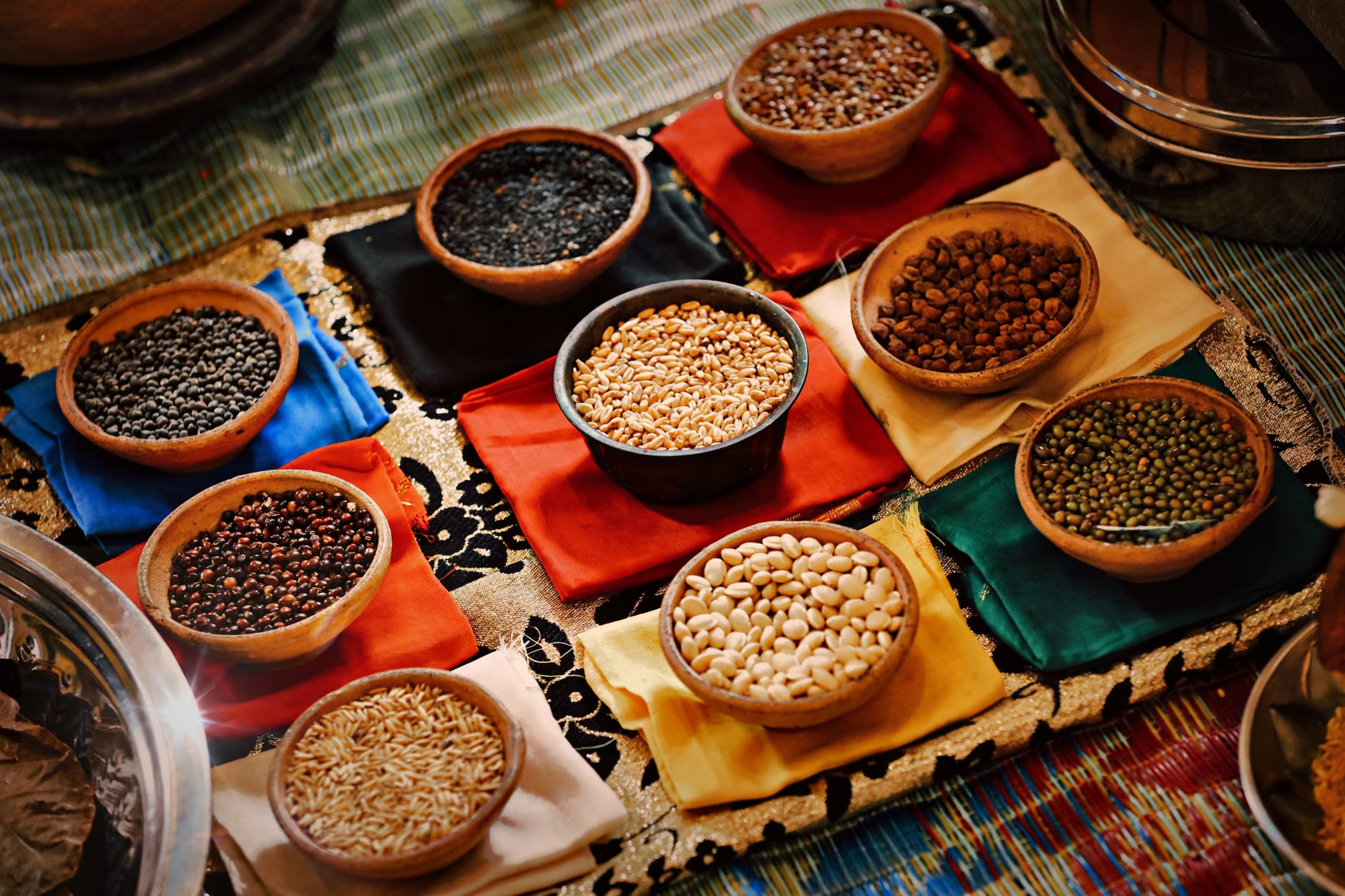
Yes. Phosphorus is abundant in plant-based proteins like lentils, beans, nuts, seeds, and whole grains. Since these are natural food sources, the phosphorus they contain is absorbed at a healthy rate, making it very easy to meet your needs without the risks associated with processed additives.
2. Is it necessary to take a phosphorus supplement?
It is almost never necessary for older adults to take a phosphorus supplement. Phosphorus is found in almost all natural foods. Most people consume far more than they need. If you suspect a deficiency, it is usually a sign of an underlying medical issue that requires professional diagnosis, not more supplements.
3. Does the calcium I take in my multivitamin count toward the balance?
Yes, but it is better to obtain your calcium through food. Food sources provide other essential nutrients that aid absorption. If you do take a calcium supplement, it is best to take it with a meal, which helps your body integrate the calcium while managing the phosphorus from the food you eat.
Official Sources for Further Reading:
– National Institute of Arthritis and Musculoskeletal and Skin Diseases (NIAMS) – Bone Health
– National Kidney Foundation – Phosphorus and Your Diet