- Cognitive and Motor Benefits: Bookbinding combines precise fine motor movements with structured sequential planning, helping to maintain hand-eye coordination and cognitive focus.
- Low Barrier to Entry: You can begin with “pamphlet stitching”—a simple, low-cost technique that requires only basic household tools and paper.
- Ergonomic Considerations: Success in bookbinding depends on proper lighting, a stable seated posture, and frequent breaks to prevent strain on the hands and neck.
Introduction: Why Bookbinding is More Than Just Crafting
Bookbinding is the craft of physically assembling a book from a stack of paper sheets. For adults aged 60 to 80, it offers a unique intersection of artistic expression and tactical, meditative labor. Unlike high-impact hobbies, bookbinding is a seated activity that emphasizes rhythm, precision, and the tangible pleasure of creating something functional. It is a practice that encourages patience, as the process of measuring, folding, and stitching requires a deliberate pace—a welcome counterpoint to the often hurried nature of modern digital life.
Engaging in this craft provides a sense of “flow,” a psychological state where a person becomes fully immersed in a task. For older adults, this is particularly beneficial for managing stress and maintaining mental sharpness. Furthermore, the physical actions involved—such as using an awl to pierce holes or using a bone folder to create crisp creases—provide a gentle, repetitive exercise for the hands and fingers, which can help in maintaining dexterity.
The Cognitive and Physical Advantages of Bookbinding
The therapeutic value of bookbinding lies in its structured nature. Every book follows a logical sequence: folding the signatures (groups of paper), measuring the spacing, piercing the holes, and stitching the spine. This sequence acts as a cognitive map. For those looking to keep their minds sharp, the multi-step planning required for even a simple binding project provides a healthy mental workout.
Fine Motor Skill Maintenance
As we age, the importance of fine motor control—the ability to make movements using the small muscles in our hands and wrists—becomes increasingly apparent. Bookbinding requires a high degree of precision. Holding a needle, guiding thread through small apertures, and applying adhesive evenly are tasks that require sustained concentration and control. Over time, these actions can help preserve the suppleness of the joints, provided the practitioner maintains good posture and avoids overexertion.
Mindfulness and Stress Reduction
The tactile nature of the materials—the texture of high-quality paper, the weight of a linen thread, and the resistance of a cover board—engages the senses. This sensory engagement pulls the focus away from internal rumination or external stressors. When you are focused on ensuring that a stitch is pulled tight or that a cover is aligned perfectly, your brain is occupied with the “here and now.” This is a form of active meditation that is highly accessible regardless of one’s background in art.
Essential Tools for the Beginner
One of the most common misconceptions about bookbinding is that it requires an expensive, dedicated studio. In reality, you can begin with a few basic tools that are either common household items or easily sourced from stationary stores. The following table outlines the foundational kit for a beginner.
| Tool | Function | Practical Advice |
|---|---|---|
| Bone Folder | Creates sharp, permanent folds in paper. | Choose a smooth plastic or real bone version; avoid sharp edges that might tear paper. |
| Awl | Punctures precise holes for stitching. | Use a sharp, sturdy awl; ensure your workspace is protected by a self-healing mat. |
| Linen Thread | Holds the signatures together. | Waxed linen thread is best as it resists tangling and holds knots securely. |
| Needles | Used for sewing signatures. | Use a blunt-tipped tapestry needle to prevent accidental pricks. |
| Self-Healing Mat | Protects your table surface. | Essential for preventing damage to your furniture during cutting or piercing. |
Note on Tool Selection: When purchasing these items, look for tools with ergonomic handles. If you have arthritis or reduced grip strength, look for handles that are thicker or covered in a non-slip rubberized coating. These small adjustments can significantly increase the duration you can comfortably spend on your craft.

The Step-by-Step Process: A Gentle Introduction to Pamphlet Stitching
The “pamphlet stitch” is the gold standard for beginners. It involves stitching a single signature (a group of folded sheets) directly into a paper cover. It is simple, requires very little time, and produces a professional-looking result immediately. This builds confidence, which is essential for sustaining interest in a new hobby.
Phase 1: Preparation
Before you begin, ensure your workspace is well-lit. Natural light is best, but a balanced LED desk lamp can reduce eye fatigue. Prepare your paper by folding it in half. Use the bone folder to run along the crease; apply firm, steady pressure. A crisp fold is the foundation of a sturdy book.
Phase 2: Measuring and Piercing
Open your folded signature to the center. Mark three points along the crease—one in the middle, and two equidistant from the ends. Using your awl, push through the paper into your cutting mat. Safety Tip: Keep your fingers well away from the line of the awl to prevent injury. If piercing through multiple sheets is difficult, pierce them in smaller groups of two or three.
Phase 3: The Stitching Sequence
- Start from the inside of the book, pushing the needle through the center hole to the outside.
- Bring the needle back through one of the outer holes to the inside.
- Skip the center hole, go to the other outer hole, and push to the outside.
- Return the needle through the center hole to the inside.
- Tie the two ends of the thread together in a firm knot against the center hole.
This process might feel clumsy at first. Do not be discouraged. It takes time for the hands to learn the “rhythm” of the thread. If you find the thread tangling, you may be using too long a piece of string. A good rule of thumb is to use a piece of thread about 1.5 times the height of the book.
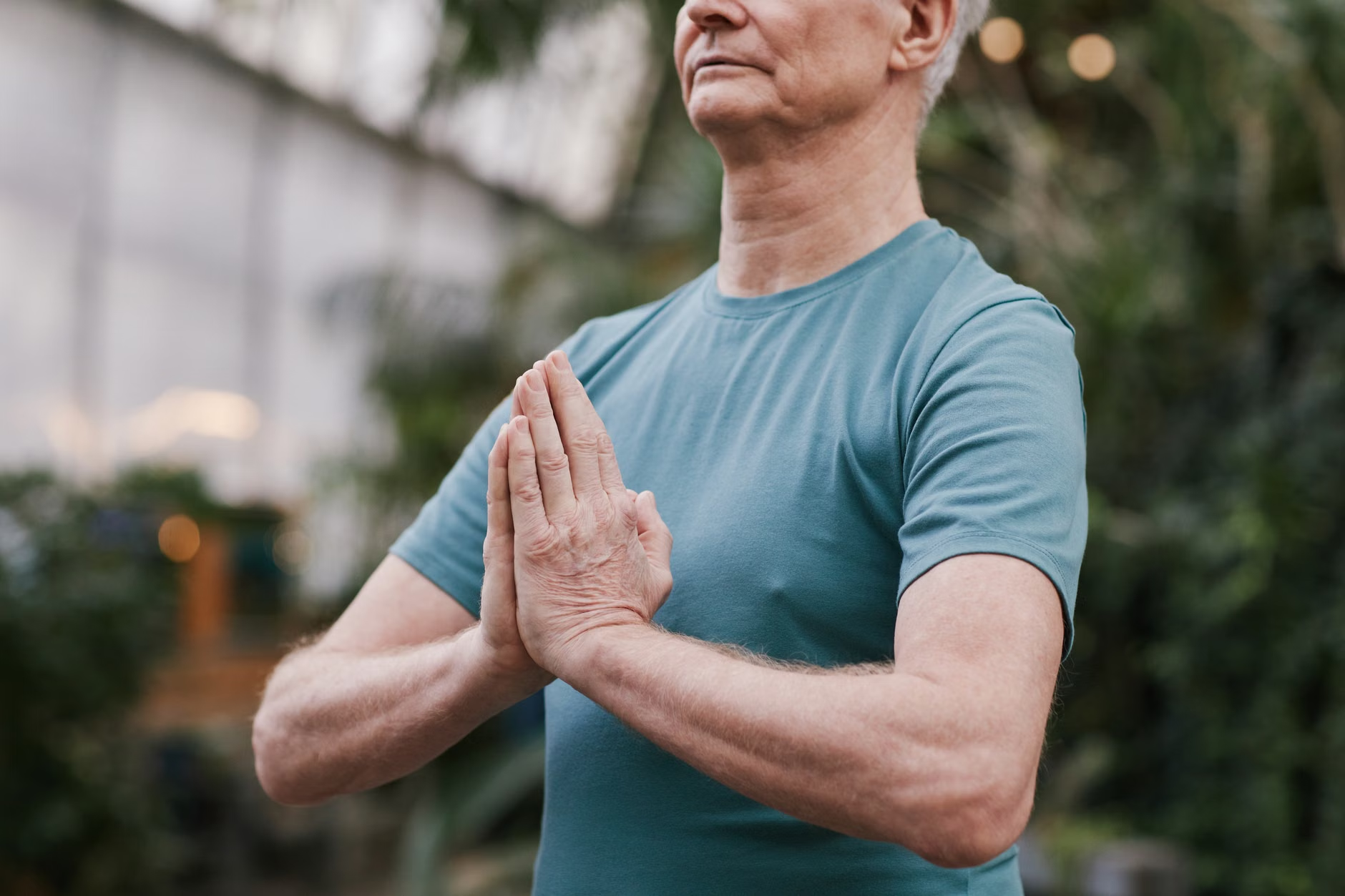
Ergonomics and Safety: Staying Comfortable While Creating
The primary barrier to enjoying a craft like bookbinding is not lack of skill, but rather physical discomfort. Because this hobby involves sitting and focused visual work, you must be proactive about your physical environment.
Posture and Support
Ensure your chair provides adequate lumbar support. Your feet should rest flat on the floor. If you find yourself hunching forward to see your work, do not lower your head; instead, bring the work closer to your eyes or use a magnifying lamp. This simple change prevents neck strain, which is a common complaint among crafters who spend hours in a fixed position.
The “20-20-20” Rule for Visual Health
Bookbinding requires constant visual focus. To prevent digital or ocular strain, follow the 20-20-20 rule: every 20 minutes, look at something 20 feet (about 6 meters) away for at least 20 seconds. This allows the muscles in your eyes to relax and reset.
Managing Hand Fatigue
If you experience stiffness in your hands, incorporate gentle stretching into your routine. Before you start, open your hands wide and then clench them into a fist ten times. After your session, gently pull back on each finger to stretch the tendons. If you have a history of carpal tunnel or severe arthritis, consult with your physical therapist or physician to ensure these movements are safe for your specific condition. They may recommend specific braces or modified tools that reduce the strain on your joints.
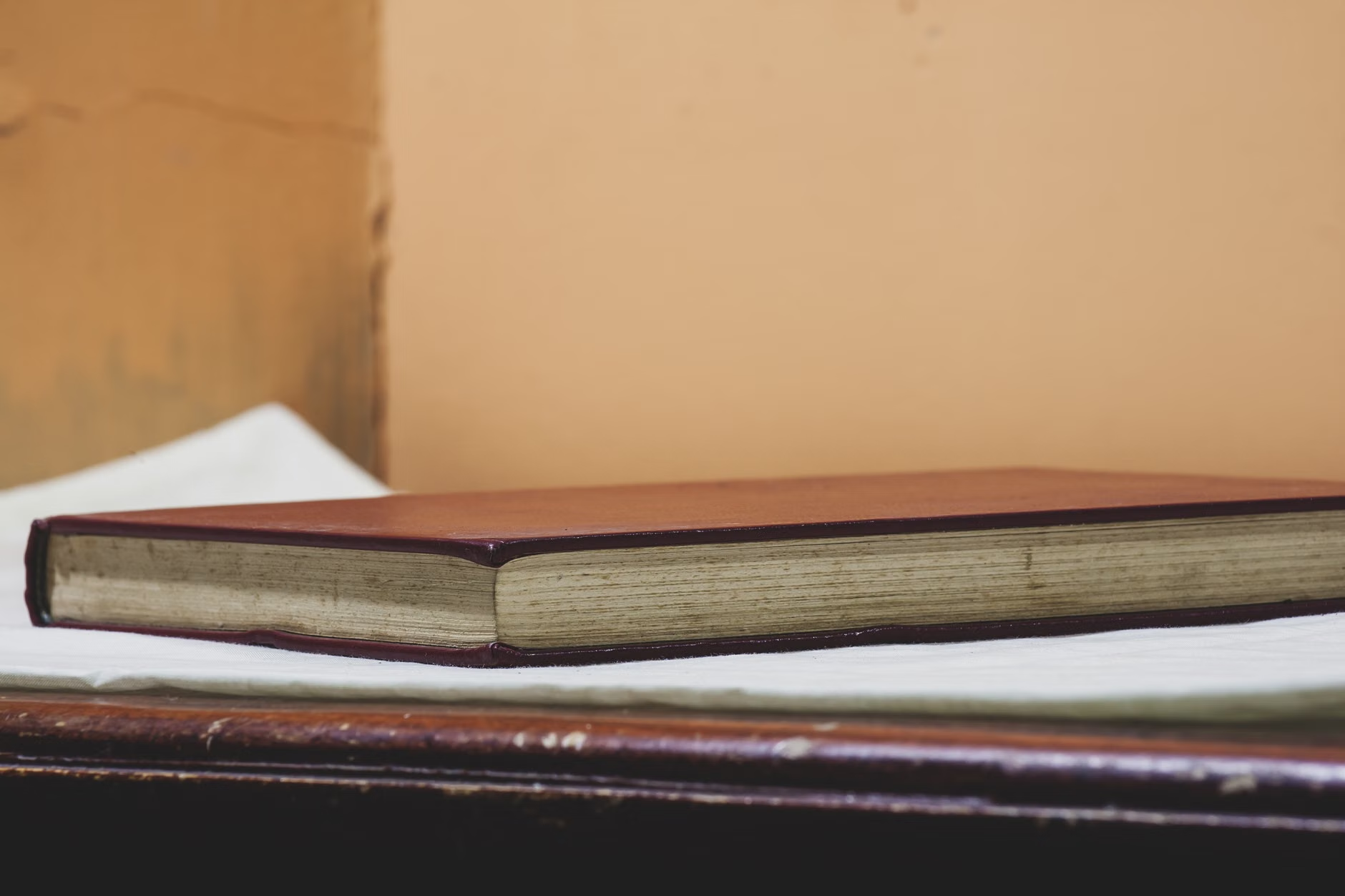
Advanced Techniques and Creative Exploration
Once you have mastered the pamphlet stitch, you can progress to more complex binding styles like “Coptic stitch” or “Japanese stab binding.” These methods allow you to bind multiple signatures together, creating books that can lay completely flat when opened. This is ideal for sketchbooks or journals.
Creative Tip: Use the hobby to document your personal history. A hand-bound book makes an excellent vessel for recipes, family anecdotes, or pressed flowers from your garden. The act of binding the book adds a layer of significance to the content inside. It transforms a collection of loose papers into a permanent archive.
Furthermore, consider the materials you use. Using recycled paper or decorative scrapbooking paper can turn a functional object into a piece of art. This encourages a “circular” approach to your hobby, where you are constantly looking for ways to repurpose materials you already have at home.
Common Misconceptions and Troubleshooting
Many people assume that bookbinding is a dying art or that it requires specialized training. In reality, it is a living craft with a vibrant global community. You do not need to be an expert to make a high-quality book. However, there are common mistakes that beginners often make.
- Over-tightening the thread: If you pull the thread too hard, you risk tearing the paper at the hole. Use a firm, steady tension, but do not pull as if you are trying to break the thread.
- Ignoring the grain of the paper: Paper has a “grain” (the direction in which most fibers lie). If you fold against the grain, the paper will crack and look ragged. Always try to fold with the grain. You can test this by gently bending a sheet; it will offer less resistance in one direction than the other.
- Choosing the wrong adhesive: If you eventually move on to glue-based bindings, avoid standard school glue, which can become brittle or acidic over time. Look for pH-neutral PVA (polyvinyl acetate) glue, which is archival and flexible.
The Social Aspect of Crafting
While bookbinding is inherently a solitary, meditative activity, it can also be a wonderful social bridge. Many community centers, public libraries, and senior clubs host craft circles. Participating in these groups can provide accountability and motivation. If you cannot find a local group, consider starting one. Even a small group of three or four people meeting once a month to share projects and tips can turn a hobby into a meaningful social engagement.
For those who prefer to work from home, there are numerous online forums and video tutorials. Engaging with these digital communities can help you troubleshoot specific problems, such as a stitch that won’t hold or a cover that keeps warping. Remember, the goal is not perfection, but the process of creation itself.
Conclusion: The Lasting Value of Hand-Bound Projects
Bookbinding is an invitation to slow down. By dedicating time to the physical creation of a book, you are investing in your own cognitive resilience and physical dexterity. It is a hobby that respects your autonomy, challenges your creativity, and rewards your patience with a tangible, beautiful result. Start small, focus on the quality of your movements, and remember that every book you bind is a testament to your ability to learn and create at any stage of life.
Whether you create a small notebook for your grocery lists or a beautifully bound journal for your memoirs, the value lies in the act of making. Embrace the mistakes—they are simply part of the learning curve—and enjoy the quiet satisfaction that comes from mastering a craft that has been practiced for centuries. Your next project is only a few sheets of paper and a needle away.
Frequently Asked Questions
1. Is bookbinding physically demanding for someone with arthritis?
Bookbinding requires repetitive hand movements. If you have arthritis, focus on using ergonomic tools with thicker grips, and limit your sessions to 20–30 minutes to avoid joint fatigue. Always consult your healthcare provider if you have concerns about specific hand movements.
2. Can I use regular paper from my printer for bookbinding?
Yes, standard printer paper is excellent for practicing basic stitching techniques. Once you are comfortable with the process, you can experiment with heavier cardstock for covers or higher-quality archival paper for the pages.
3. Where can I find reliable tutorials to get started?
Many national library associations and local craft guilds provide free, high-quality guides. For example, the Bookbinders Guild and various university archives often publish instructional videos on basic conservation and binding techniques that are very accessible for beginners.
Note: This article is for informational purposes and does not replace professional medical advice. Always listen to your body and modify activities to suit your physical capabilities.