- Prioritize Moisture-Wicking Fabrics: Avoid cotton; synthetic blends or merino wool pull sweat away from the skin, preventing heat rashes and discomfort in high humidity.
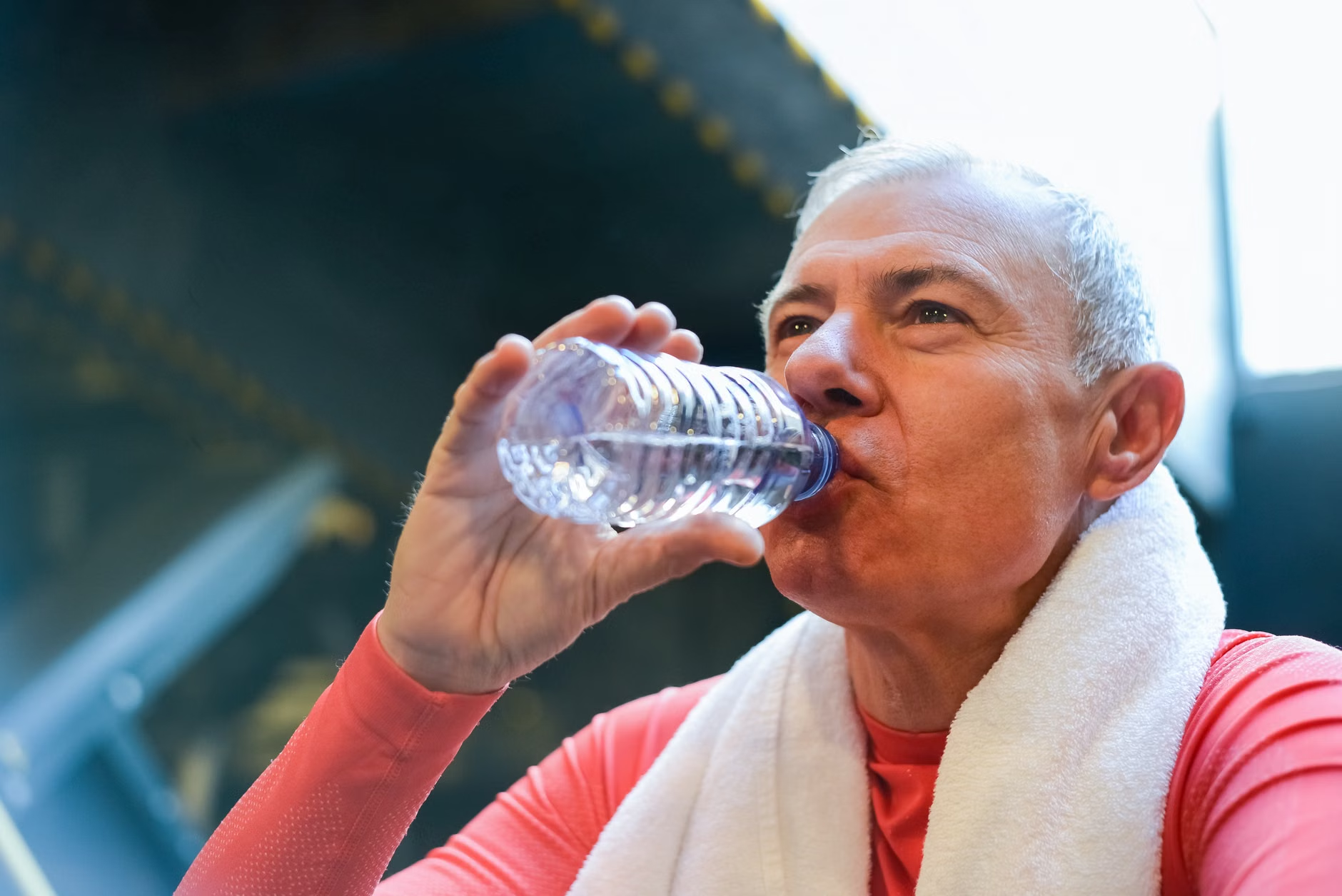
- Strategic Hydration Management: Humidity suppresses the body’s natural cooling mechanism; carry a dedicated water bottle and prioritize electrolyte replenishment to prevent heat exhaustion.
- Accessibility and Pacing: Always confirm the ship’s boarding infrastructure—specifically gangway steepness and elevator access—before booking, and schedule “rest days” to manage stamina in taxing climates.
Introduction: The Unique Challenge of Humid River Cruises
River cruising offers a uniquely intimate way to see the world, allowing travelers to glide past historic cities and lush landscapes without the constant fatigue of changing hotels. However, for travelers aged 60 to 80, the combination of high humidity and the specific logistics of river vessels presents distinct challenges. Humidity is not merely a matter of comfort; it fundamentally changes how the human body manages core temperature and hydration.
When the air is saturated with moisture, the sweat on our skin does not evaporate efficiently. Since evaporation is the primary way our bodies cool down, humidity can leave you feeling overheated, sluggish, and more prone to fatigue even when you aren’t physically exerting yourself. This guide is designed to help you prepare, pack, and navigate these conditions with confidence, ensuring that your cruise remains a relaxing experience rather than a struggle against the elements.
1. The Science of Packing: Choosing Fabrics for Humid Climates
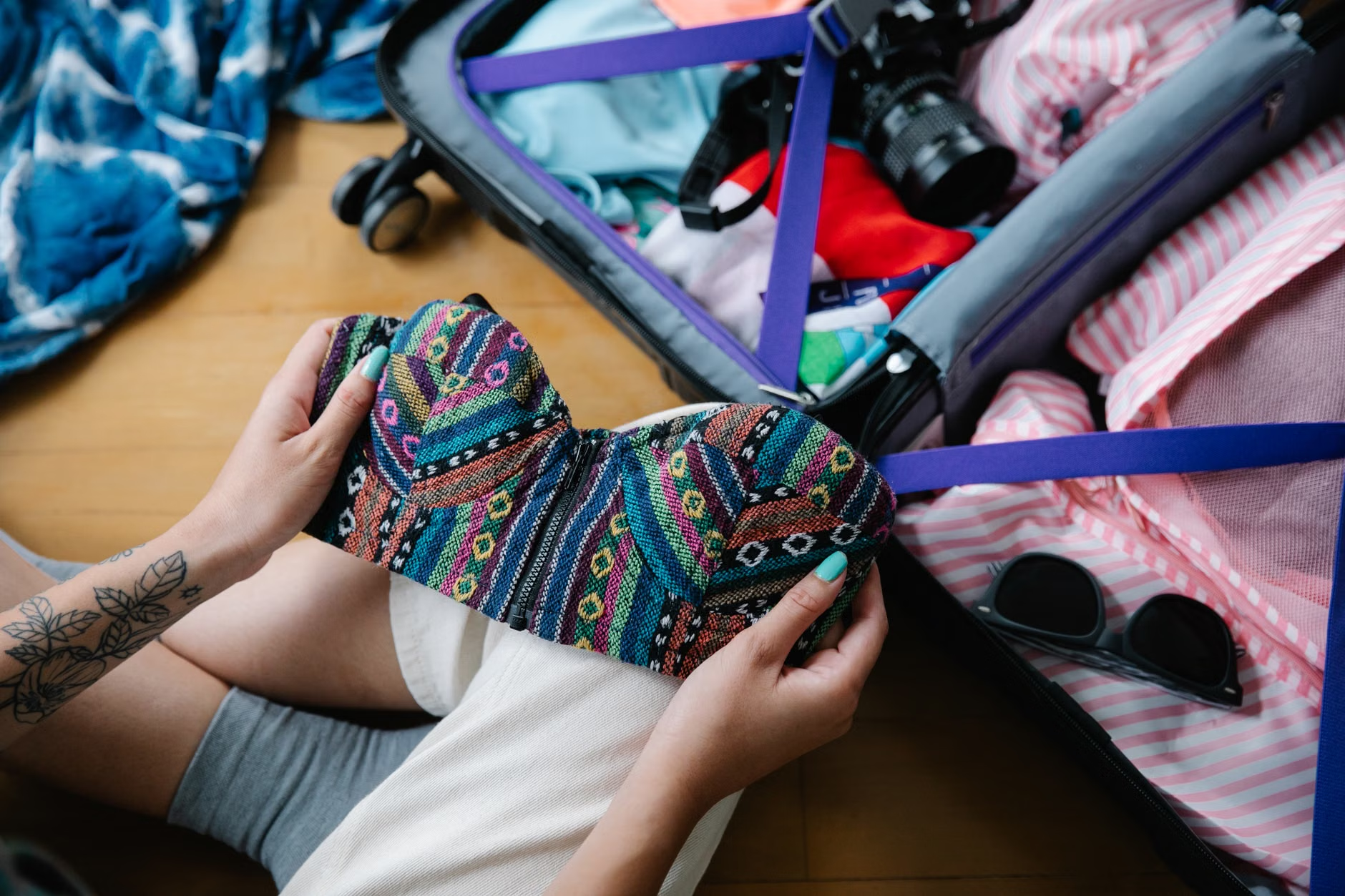
The most common mistake senior travelers make is relying on traditional cotton clothing. While cotton is breathable in dry heat, it acts like a sponge in high humidity. Once it becomes damp with perspiration, it stays wet, clings to the skin, and loses its ability to circulate air. This creates a breeding ground for skin irritation and increases the sensation of being “weighed down” by your own clothes.
The Moisture-Wicking Hierarchy
For humid environments, you should prioritize materials designed to manage moisture. Here is a comparison of common travel fabrics and their performance in humid river conditions:
| Fabric Type | Humidity Performance | Best For |
|---|---|---|
| Synthetic (Polyester/Nylon) | Excellent moisture-wicking; dries rapidly. | Daily excursions and active walking tours. |
| Lightweight Merino Wool | Naturally breathable, odor-resistant, temperature-regulating. | Layering for cooler mornings or air-conditioned ship interiors. |
| Linen | Highly breathable, but wrinkles easily and retains some moisture. | Evening dinners or relaxed afternoons on deck. |
| Cotton | Poor; holds moisture and loses structure when damp. | Avoid for long excursions in high humidity. |
Practical Decision Rule: Aim for a “base layer” approach. If you are going on a walking tour, wear a synthetic, moisture-wicking polo or shirt. Keep a lightweight, long-sleeved linen shirt or a light cardigan in your day bag to protect your skin from the sun and to manage the drastic temperature transition when entering air-conditioned museums or the ship’s lounge.
2. Managing Hydration and Health in High-Humidity Environments
In hot and humid climates, the body loses fluids through perspiration that may not be immediately obvious because the sweat is not evaporating. Older adults often have a diminished thirst response, meaning you may be dehydrated before you actually feel thirsty. This is a critical health risk that can lead to dizziness, reduced stamina, and, in severe cases, heat exhaustion.
Hydration Strategy for Seniors
Do not wait for thirst. Instead, adopt a “scheduled sipping” approach. If you are on an excursion, aim to consume at least 150ml of water every 30 to 45 minutes. More importantly, consider the balance of electrolytes. If you are sweating significantly, water alone may not be enough to maintain your body’s mineral balance.
- Electrolyte Packets: Pack sugar-free, travel-sized electrolyte powder sticks. Adding one to your water bottle once a day can significantly improve your energy levels.
- The “Urine Check” Rule: The most reliable way to monitor your hydration status is the color of your urine. If it is dark yellow or concentrated, you are already behind on your hydration. Aim for a pale, straw color.
- Avoid Diuretics: While coffee and tea are standard cruise fare, they are mild diuretics. For every cup of coffee, drink an extra glass of water to compensate.
Warning Sign: If you experience sudden fatigue, a rapid heartbeat, or a headache that doesn’t subside with rest and water, these are indicators of potential heat stress. Do not try to “push through.” Return to the ship or find a climate-controlled environment immediately and alert the cruise medical officer or ship staff.
3. Mobility, Accessibility, and Ship Logistics
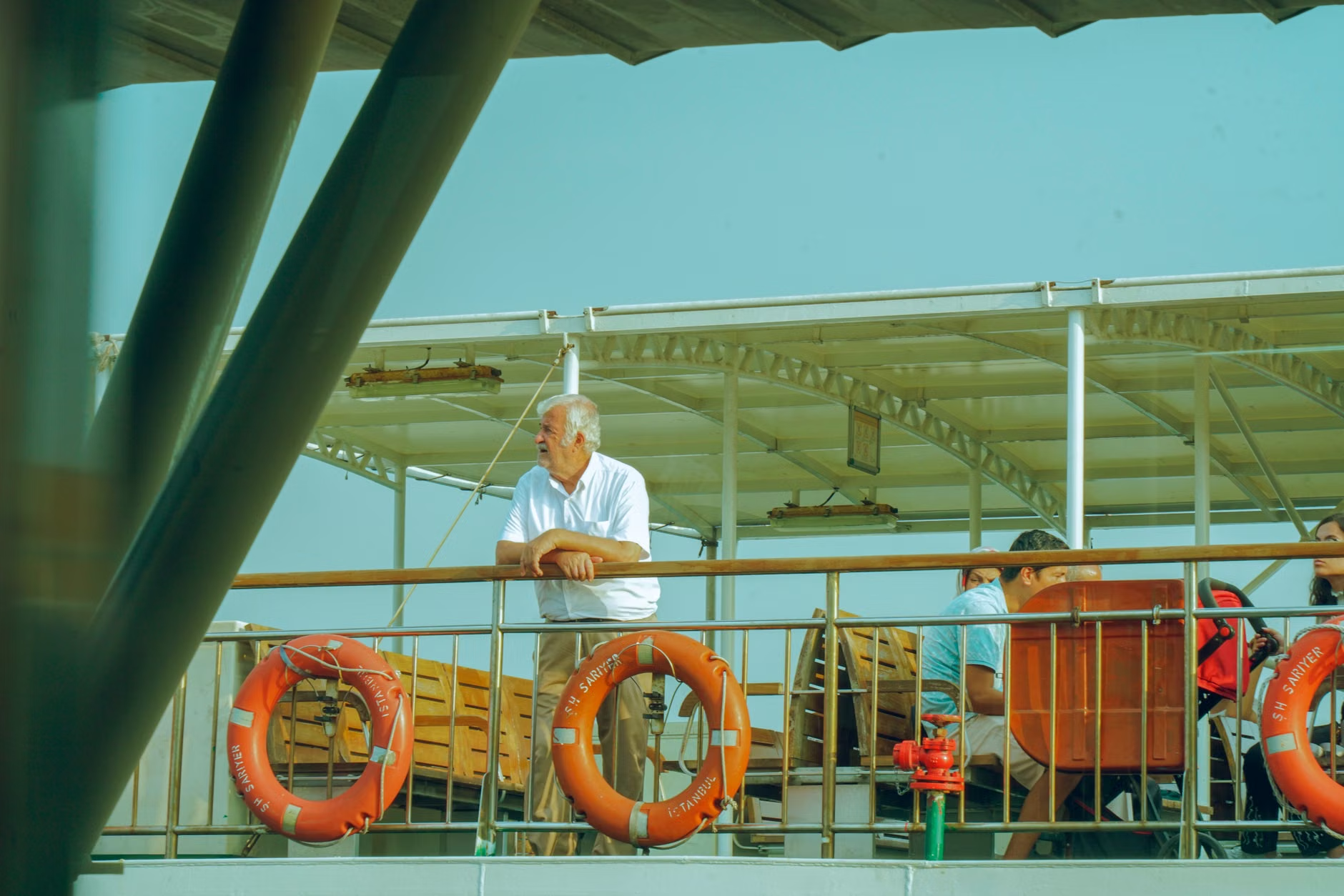
River ships are generally smaller and more intimate than ocean liners, but they often have limitations regarding accessibility. Because river ships must fit through locks and under low bridges, their design is often compact. This means narrow corridors, steeper stairs, and smaller elevators.
Evaluating Ship Accessibility
Before you book, ask the cruise line for specific information regarding the “gangway.” The gangway is the bridge between the ship and the dock. In many river ports, the water level changes throughout the day, which can cause the gangway to become quite steep. If you have mobility concerns, look for ships that offer:
- Level Boarding: Ships that utilize specialized docking systems to keep the gangway flat.
- Elevator Reach: Ensure the elevator goes to the sun deck. Some older vessels have elevators that stop one deck below the top, requiring a flight of stairs for the final access.
- Cabin Location: Choose a cabin mid-ship on a deck that has elevator access to the main restaurant and the lobby. This minimizes the distance you need to walk during the hottest parts of the day.
The “Stamina Budget”
Treat your daily energy as a budget. If you have a morning walking tour that involves cobblestone streets, plan for a “low-impact” afternoon on the ship. Do not feel obligated to participate in every excursion. The most successful senior travelers on river cruises are those who curate their itinerary to include at least one “slow” day for every two days of activity. This allows your body to recover from the stress of the humidity and the physical demands of sightseeing.
4. Essential Gear for Humidity Management
Packing for a humid cruise is about weight, breathability, and protection. Beyond your clothing, there are specific items that can make a significant difference in your daily comfort.
Must-Have Travel Accessories
- Portable Personal Fan: A small, rechargeable fan that can be worn around your neck or placed on a table is invaluable. It helps create a micro-climate of air movement, which significantly improves comfort during slow walks or while waiting for transport.
- Cooling Towels: These are made from advanced materials that stay cold when wet. A quick snap of the towel in the air re-activates the cooling effect. They are excellent for wrapping around your neck during a hot afternoon tour.
- Sun Protection Beyond Sunscreen: Humidity often correlates with intense UV exposure. A wide-brimmed, ventilated hat is far more effective than a baseball cap because it shades your neck and ears. Look for hats with UPF (Ultraviolet Protection Factor) ratings.
- Comfortable, Breathable Footwear: Your feet will swell in the heat. Ensure your walking shoes are a half-size larger than your normal size to accommodate this. Choose shoes with good arch support and mesh uppers for maximum ventilation.
Health management on a river cruise requires being proactive. You are often traveling through multiple jurisdictions, and while the ship will have basic medical supplies, you should be self-sufficient for common issues.
Preparation Checklist
- Medication Supply: Pack your medications in your carry-on luggage, not your checked bags. Include a list of your medications, dosages, and the generic names of the drugs, as brand names vary globally.
- The “Medical Passport”: Keep a summary of your medical history, including any chronic conditions, allergies, and contact information for your primary care physician, in a waterproof pouch in your day bag.
- Travel Insurance Check: Ensure your insurance specifically covers “medical evacuation.” In the event of a significant health issue, you want to be certain you can be transported to a high-quality hospital, regardless of the country you are in.
Hidden Insight: Many travelers overlook the impact of the ship’s air conditioning. The contrast between the humid, hot outdoor temperature and the cool, dry indoor environment can be harsh on your respiratory system. Carry a light scarf or a zip-up jacket to protect your throat and chest when moving between these two environments to avoid the “cruise cough” that often plagues travelers who are not prepared for these rapid temperature shifts.
Conclusion: The Art of the Balanced Cruise
A river cruise in a humid climate can be one of the most rewarding experiences of your retirement if you approach it with the right strategy. By prioritizing moisture-wicking fabrics, maintaining a disciplined hydration schedule, and being honest about your physical stamina, you can mitigate the challenges of the heat. Remember that the beauty of a river cruise is the pace—you are meant to watch the world go by, not to race through it.
Prioritize your comfort, listen to your body’s signals, and don’t hesitate to opt out of an excursion if the heat index is too high. Your goal is to return home feeling refreshed and inspired, not depleted. With the right gear and a mindful approach to your daily schedule, you will find that the humidity is simply a backdrop to a wonderful, relaxing adventure.
Frequently Asked Questions
1. Should I bring a heavy rain jacket for humid river cruises?
In most humid river cruise destinations, heavy rain gear is unnecessary and often counter-productive because it traps heat and moisture. Instead, opt for a lightweight, breathable, water-resistant poncho or a packable shell that allows for airflow. This will keep you dry during sudden tropical showers without causing you to overheat.
2. How can I manage foot swelling during long days of walking in the heat?
Heat causes blood vessels to dilate, which often leads to foot and ankle swelling. To minimize this, elevate your feet whenever you sit down for lunch or a rest. Wearing compression socks designed for travel can also help improve circulation and reduce swelling. Ensure your walking shoes have adjustable closures, such as Velcro or laces, so you can loosen them throughout the day as your feet expand.
3. How do I know if my cruise ship is truly “accessible”?
Do not rely solely on marketing terms like “accessible.” Contact the cruise line directly and ask for the specific deck plan. Ask if the ship has an elevator that reaches the top deck and whether there are any “split-level” decks where you have to use stairs to reach certain common areas. If you have mobility issues, request a cabin near the center of the ship, which is where the ship’s motion is most stable and where the primary elevators are located.
Sources and Further Reading:
For general travel health advice, refer to the CDC Yellow Book, which provides comprehensive guidelines for healthy travel. Always check your specific destination’s health requirements via your local government’s foreign travel advisory office (e.g., U.S. Department of State or UK Foreign & Commonwealth Office) for the most current entry and health safety protocols.