- Prioritize Accessibility: Always book your cabin near the carriage entrance or amenities to minimize walking distance through narrow, moving corridors.
- Strategic Packing: Use a two-bag system—a small, accessible “cabin bag” for essentials and a larger suitcase stored securely in the luggage rack.
- Health-First Comfort: Manage blood circulation and hydration by wearing compression socks and carrying a dedicated refillable water bottle to avoid constant trips to the dining car.
The Senior Traveler’s Guide to Overnight Train Journeys: Packing and Preparation Strategies
Overnight train travel offers a unique, rhythmic way to explore the world, allowing you to wake up in a new destination without the stress of airport security or long-haul flight fatigue. However, for travelers aged 60 to 80, the experience requires careful planning to ensure mobility, comfort, and safety. This guide outlines the essential strategies for packing and preparing for an overnight rail journey to ensure your trip is as enjoyable as it is memorable.
Understanding the Logistics: Why Preparation Matters
The primary challenge of train travel for older adults is not the train itself, but the transition—navigating platforms, boarding with luggage, and moving within the confined spaces of a sleeping carriage. Unlike airplanes, where your seat is static for the duration of the flight, a train involves constant, subtle motion. This movement requires a higher level of core stability and spatial awareness, especially when moving between cars or using onboard facilities.
Preparation begins long before you pack your bags. It starts with selecting the right class of service. While budget options may be tempting, for an overnight journey, a private cabin is almost always the superior choice for seniors. It provides a dedicated, secure space to store personal belongings, a private sink or toilet, and the ability to control your immediate environment, including temperature and lighting.
The Two-Bag Strategy: Managing Mobility and Weight
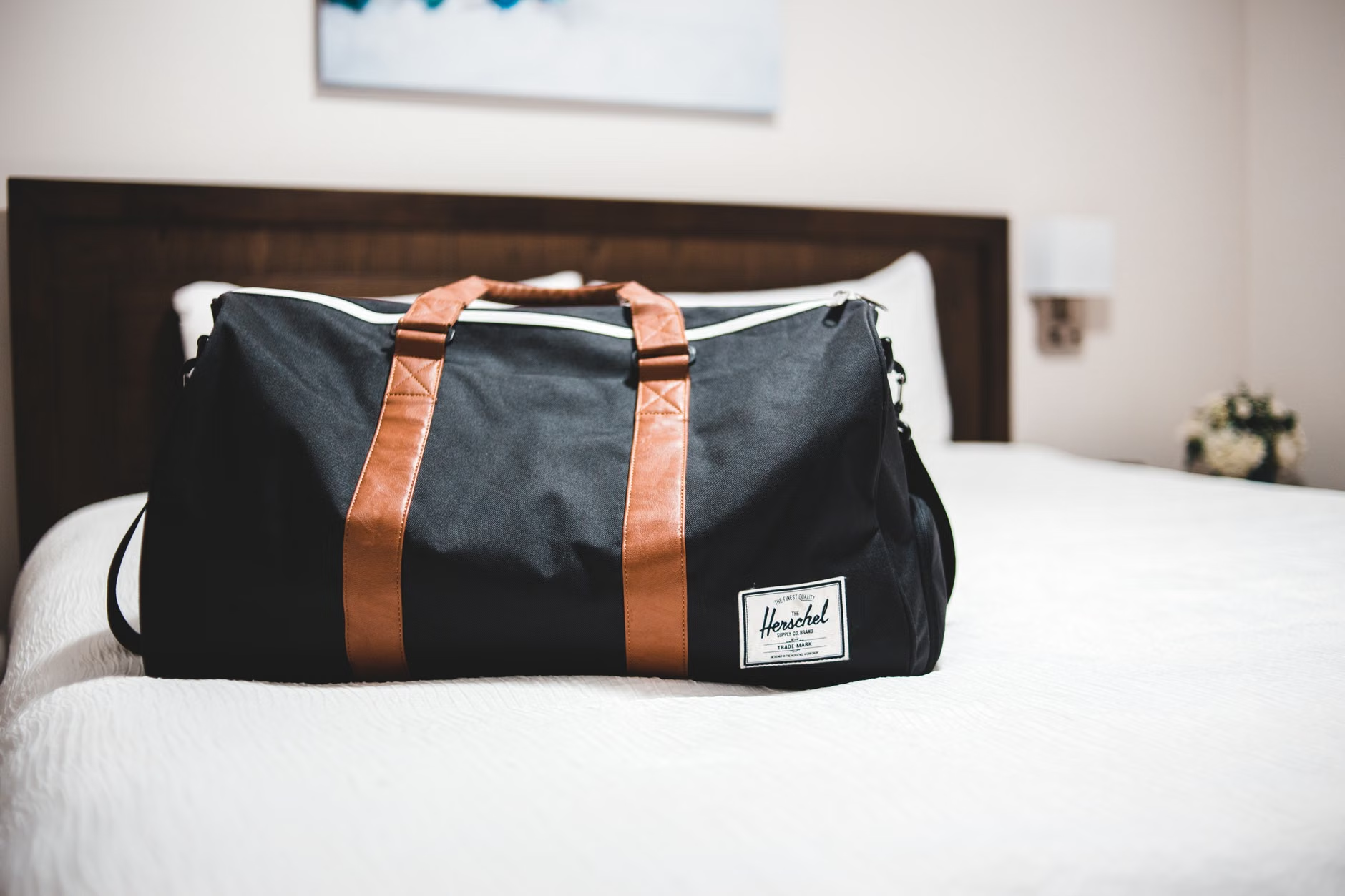
One of the most common mistakes travelers make is bringing too much luggage into the sleeping compartment. Navigating a narrow, swaying corridor with a heavy suitcase is a significant safety risk. Instead, adopt the “Two-Bag Strategy.”
- The Main Luggage: This contains your full wardrobe and bulky items. If the train has a luggage rack or a storage area at the end of the car, place this bag there immediately upon boarding.
- The Cabin Bag: This is a small, lightweight tote or backpack that contains only what you need for the night and the following morning.
What goes in your Cabin Bag?
| Category | Essential Items |
|---|---|
| Health | Prescription medications, glasses, hearing aid batteries, compression socks. |
| Comfort | Travel pillow, eye mask, earplugs, light cardigan or shawl. |
| Hygiene | Toothbrush, travel-sized toothpaste, face wipes, hand sanitizer. |
| Electronics | Phone charger, power bank, reading material. |
By keeping your “Cabin Bag” under 5 kilograms (approx. 11 lbs), you ensure that you can move through the train carriage with ease, keeping one hand free to hold onto grab handles or railings.

The most significant health consideration during an overnight train trip is maintaining proper circulation and hydration. Sitting for long periods, combined with the dry air in many train cars, can lead to swelling in the legs and feet.
1. Managing Circulation
Compression socks are a non-negotiable item for any overnight trip exceeding four hours. They help maintain healthy blood flow by applying gentle pressure to your lower legs. If you have any underlying venous conditions, consult your physician before your trip to determine the appropriate compression level. Beyond the socks, make it a point to stand up and perform gentle calf raises or walk the length of the carriage every two to three hours during the waking portion of your journey.
2. Hydration and Nutrition
Train dining cars can be crowded, and service may be limited during late-night hours. Carry a refillable, leak-proof water bottle. Dehydration is often mistaken for fatigue; staying hydrated will significantly improve your energy levels upon arrival. Pack high-protein, low-sodium snacks like nuts, dried fruit, or crackers. High-sodium meals, which are common in dining cars, can exacerbate fluid retention and leave you feeling sluggish.
Safety and Accessibility: Making Informed Choices
When booking your ticket, look for specific accessibility indicators. Many rail companies, such as Amtrak in the United States or Eurostar in Europe, provide detailed information on “Accessible Bedrooms.” These rooms are typically located on the lower level of the train, near the exit doors, which eliminates the need to navigate stairs.
Important Note on Stairs: If you are traveling on a multi-level train (such as a Superliner in the US), always request a room on the lower level. Climbing narrow, steep stairs while the train is moving is a common cause of falls. If an accessible room is unavailable, speak with the conductor upon boarding to arrange for assistance with your luggage.
Hidden Variable: The “Gap.” Always be aware of the gap between the platform and the train. In many older stations, this gap can be wide and uneven. Do not hesitate to ask for a “bridge plate” or assistance from the station staff. It is better to wait two minutes for a staff member to assist you than to risk a trip or fall.
The Psychological Comfort of Routine
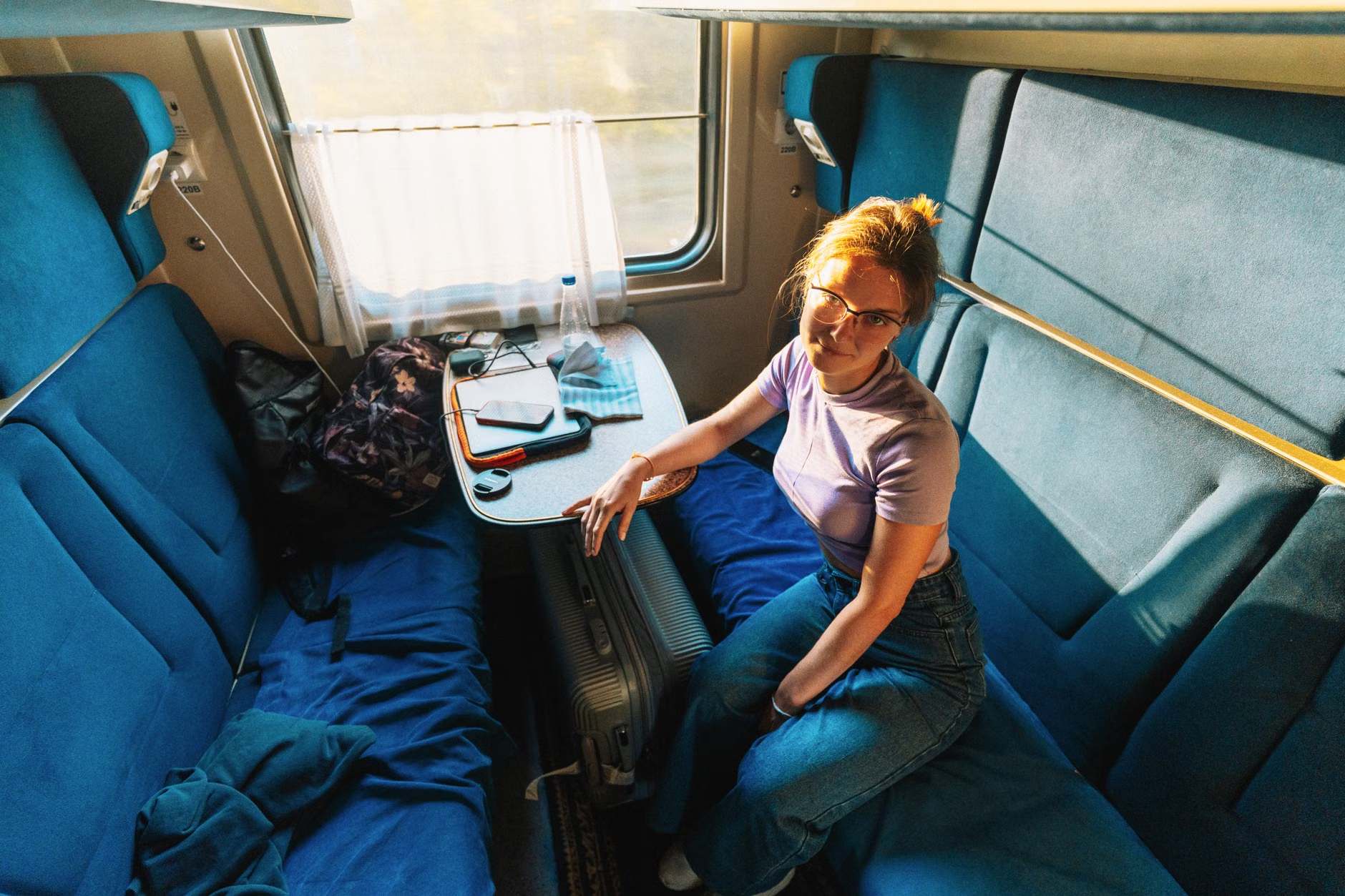
Establishing a “night-time routine” on the train can help you sleep better in an unfamiliar environment. Because trains are noisy—with the click-clack of the tracks and the occasional whistle—bring high-quality noise-canceling headphones or soft silicone earplugs. A lavender-scented spray or a familiar pillowcase from home can also signal to your brain that it is time to rest, despite the movement of the train.
If you find the motion of the train disruptive to your sleep, try to book a cabin in the middle of the carriage, rather than over the wheels. The “trucks” (wheel assemblies) are the source of most vibration and noise; being positioned between them provides a much smoother ride.
Practical Steps for Your Departure Day
To ensure a stress-free start to your journey, follow this pre-departure checklist:
- Arrival Time: Arrive at the station at least 60 minutes before departure. This allows you to locate your platform, find the elevator or lift, and speak to staff if you require boarding assistance.
- Verification: Confirm your seat or cabin assignment on your ticket. If you have mobility concerns, verify that your assigned cabin is not on an upper deck.
- Medication Check: Keep all necessary medications in your “Cabin Bag” (never in your checked luggage) and ensure they are in their original, labeled containers.
- Staff Interaction: Upon boarding, introduce yourself to your cabin attendant. Let them know if you have any specific needs, such as a request for extra pillows or assistance with the temperature controls.
Comparing Travel Options: Is an Overnight Train Right for You?
While overnight trains provide a unique experience, they are not always the most practical choice compared to other forms of travel. Consider the following comparison:
| Feature | Overnight Train | Short-haul Flight | Daytime Train |
|---|---|---|---|
| Mobility | Moderate (requires walking) | Low (sitting) | High (easy access) |
| Comfort | High (bed access) | Low (cramped) | Moderate (seat only) |
| Stamina | Requires recovery | Requires recovery | Low fatigue |
| Accessibility | Variable (varies by train) | High (assisted boarding) | High |
If you have significant mobility challenges, a daytime train with a reserved seat in a quiet carriage may be more comfortable than an overnight sleeper. However, if you are seeking a restful, multi-destination journey, the sleeper train remains the gold standard for comfort, provided you follow the packing and safety strategies outlined above.
Conclusion: Embracing the Journey
Overnight train travel is more than just transportation; it is an opportunity to slow down and enjoy the landscape. By choosing your cabin wisely, managing your luggage with a two-bag system, and prioritizing your physical comfort through hydration and movement, you can mitigate the challenges of rail travel. The key is to avoid rushing and to lean into the support systems—such as station staff and cabin attendants—that are designed to make your journey safer and more enjoyable. As with any travel, your greatest asset is your preparation; by taking these steps, you ensure that your focus remains on the destination and the experience, not the logistics of the trip.
Frequently Asked Questions
- 1. Should I tip the cabin attendant?
- Tipping practices vary by country. In the United States, it is customary to tip the cabin attendant for long-haul overnight journeys. In many European and Asian countries, tipping is not expected, though a small token of appreciation for exceptional service is often welcomed. Research the customs of the country you are visiting before you travel.
- 2. How do I handle bathroom access on a train?
- Most modern sleeper carriages have private facilities or shared facilities at the end of the hall. If you have mobility issues, prioritize booking a “Deluxe” or “Accessible” room, which usually includes a private, larger bathroom. Always wear non-slip slippers or shoes when moving to the bathroom, as train floors can be unstable.
- 3. What if I have trouble sleeping due to the train’s motion?
- If you are sensitive to motion, try to book a room in the center of the train, which is the most stable point. Additionally, using a travel pillow to stabilize your head against the wall of the cabin can help minimize the sensation of swaying. If you are prone to motion sickness, consult your doctor about over-the-counter remedies that are safe for you.
Official Resources for Further Travel Guidance: