- Finger-flicking exercises, when performed with proper form, help maintain the complex neuromuscular pathways required for daily fine motor tasks.
- Consistency and controlled, slow movements are significantly more effective than speed or high-intensity repetition for long-term dexterity.
- Any exercise program should prioritize pain-free movement; persistent hand pain or sudden loss of function requires professional evaluation by a hand therapist or physician.
Fine motor skills—the ability to make small, precise movements with your hands and wrists—are essential for maintaining independence. From buttoning a shirt to using a smartphone or preparing a meal, these actions rely on a sophisticated coordination between your brain, nerves, and muscles. As we reach our 60s, 70s, and beyond, the natural aging process can lead to subtle shifts in grip strength and dexterity. Integrating specific, simple movements like “seated finger-flicks” into your daily routine is a proactive way to support these functions.
Understanding Fine Motor Maintenance in Later Life
Fine motor maintenance is not about achieving superhuman speed; it is about preserving the “fluidity” of your movements. Over time, factors such as reduced joint lubrication, changes in tendon elasticity, and minor shifts in nerve conduction velocity can make precise tasks feel slightly more effortful. This is a normal physiological progression, but it is one that responds well to regular, low-impact stimulation.
The “finger-flick” is a targeted exercise designed to engage the small intrinsic muscles of the hand. By isolating the thumb and fingers, you encourage the brain to maintain precise motor control over individual digits. This is not a cure-all for conditions like arthritis, but rather a functional maintenance strategy designed to keep the tissues supple and the neural pathways active.
The Physiology of the Finger-Flick
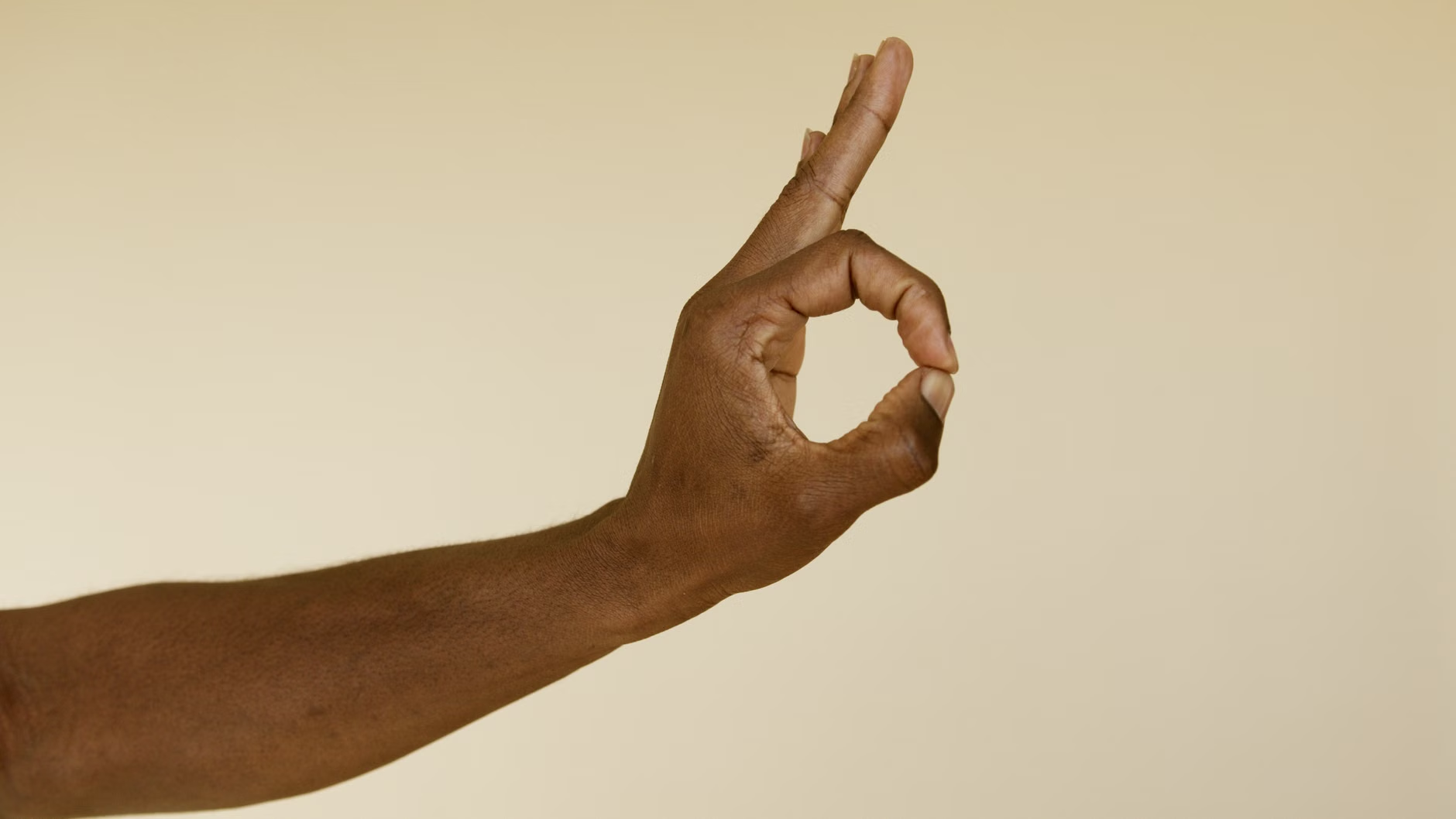
When you perform a flicking motion, you are utilizing the flexor and extensor tendons in your forearm and hand. These tendons act like pulleys. As you prepare to flick, you create tension in the flexor tendon; when you release, you engage the extensors. For an adult aged 60 to 80, the goal is to perform this movement with controlled resistance rather than explosive force. The objective is to move through the full range of motion without causing strain to the delicate joints of the distal interphalangeal (DIP) joints—the joints closest to your fingertips.
Why Seated Positioning Matters
Performing these exercises from a seated position is not merely for comfort; it is a clinical choice. When you are seated in a supportive, upright chair, you remove the need for your postural muscles to balance your body. This allows you to focus 100% of your cognitive and physical effort on the hand movement itself. Furthermore, keeping your elbows tucked comfortably near your ribcage minimizes the risk of shoulder fatigue, which often occurs when people attempt to perform hand exercises while standing or reaching forward.
| Feature | Seated Execution | Standing Execution |
|---|---|---|
| Stability | High (Core is supported) | Lower (Requires balance) |
| Focus | Hand/Finger isolation | Hand + Balance + Posture |
| Fatigue Factor | Low (Sustainable) | Moderate (Higher energy cost) |
For most individuals, the seated position is superior for building a consistent habit because it removes the “barrier to entry” of feeling tired or unstable. If you are preparing for a long day of travel or a hobby that requires focus, a few minutes of seated hand warm-ups can make a significant difference in your physical comfort.
Step-by-Step Guide to Seated Finger-Flicks
To perform these exercises safely, follow this structured approach. If at any point you feel a sharp “stabbing” pain, stop immediately and assess your form.
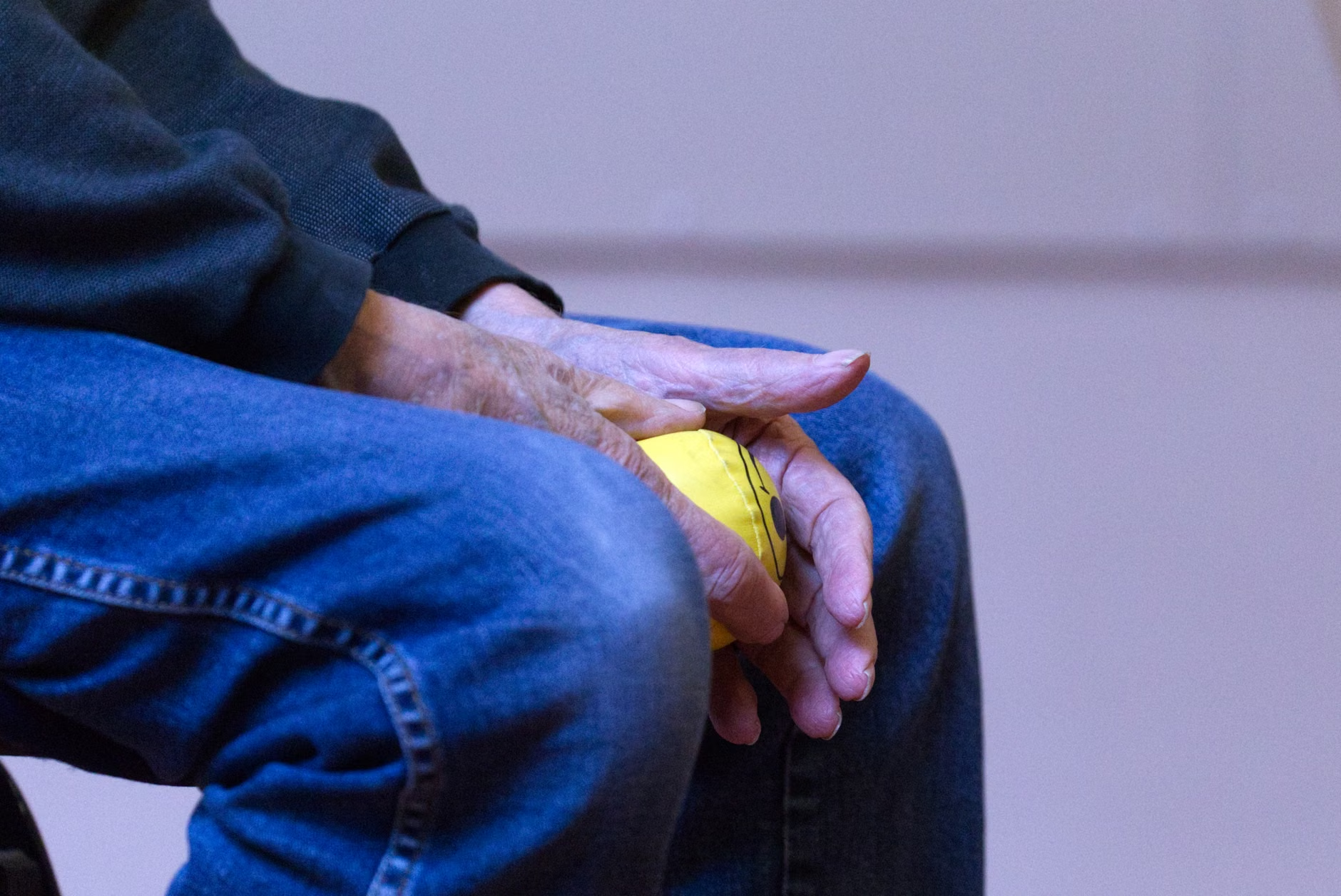
- Setup: Sit in a chair with firm back support. Keep your feet flat on the floor. Rest your forearms on your thighs or on a table with a soft towel underneath to prevent pressure points.
- Preparation: Bring your thumb and middle finger together, pressing the tips firmly but gently. This creates the “cocked” position.
- Execution: In one smooth motion, flick your middle finger outward across your palm or into open space. Do not snap the joint; focus on the extension of the finger.
- Return: Slowly bring the finger back to the starting position. The return is just as important as the flick, as it requires control.
- Frequency: Perform 5–10 repetitions per finger, per hand. Do this twice daily.
Common Mistakes and How to Avoid Them
Even with simple exercises, technique is paramount. The most common error is “over-flicking,” where the individual uses too much force, potentially irritating the tendons. Remember: these are not strength training exercises intended to build muscle mass; they are mobility exercises intended to maintain range of motion.
Another common mistake is ignoring the wrist. Your wrist should remain in a “neutral” position—neither bent sharply up nor down—while you flick your fingers. If your wrist is flexed too hard, you are effectively “shortening” the tendons that operate your fingers, making the movement less efficient and more likely to cause discomfort.
Integrating Hand Health into Daily Life
Maintenance is only effective if it happens regularly. Many people find success by “habit stacking”—tying their finger-flicks to an existing part of their day. For example, performing these exercises while waiting for the kettle to boil or during the first few minutes of a television program ensures they become a part of your lifestyle rather than a chore you have to remember.
It is also helpful to monitor your progress. Are you finding it easier to open jars? Is your handwriting feeling less cramped after a few weeks? These functional improvements are the best metric for success. If you notice a decline in your ability to perform these movements, or if you experience stiffness that lasts for more than an hour after waking, it is worth discussing this with a primary care physician. They may refer you to an occupational therapist, who can provide a personalized program tailored to your specific anatomy and any underlying conditions like osteoarthritis or carpal tunnel syndrome.
The Role of Occupational Therapy
If you find that your fine motor skills are impacting your ability to live independently, do not wait for the situation to resolve itself. Occupational therapists (OTs) are experts in helping adults maintain the ability to perform “Activities of Daily Living” (ADLs). They can look at your specific environment—the way you hold a pen, the type of kitchen tools you use, or even the way you grip your steering wheel—and suggest modifications that reduce strain.
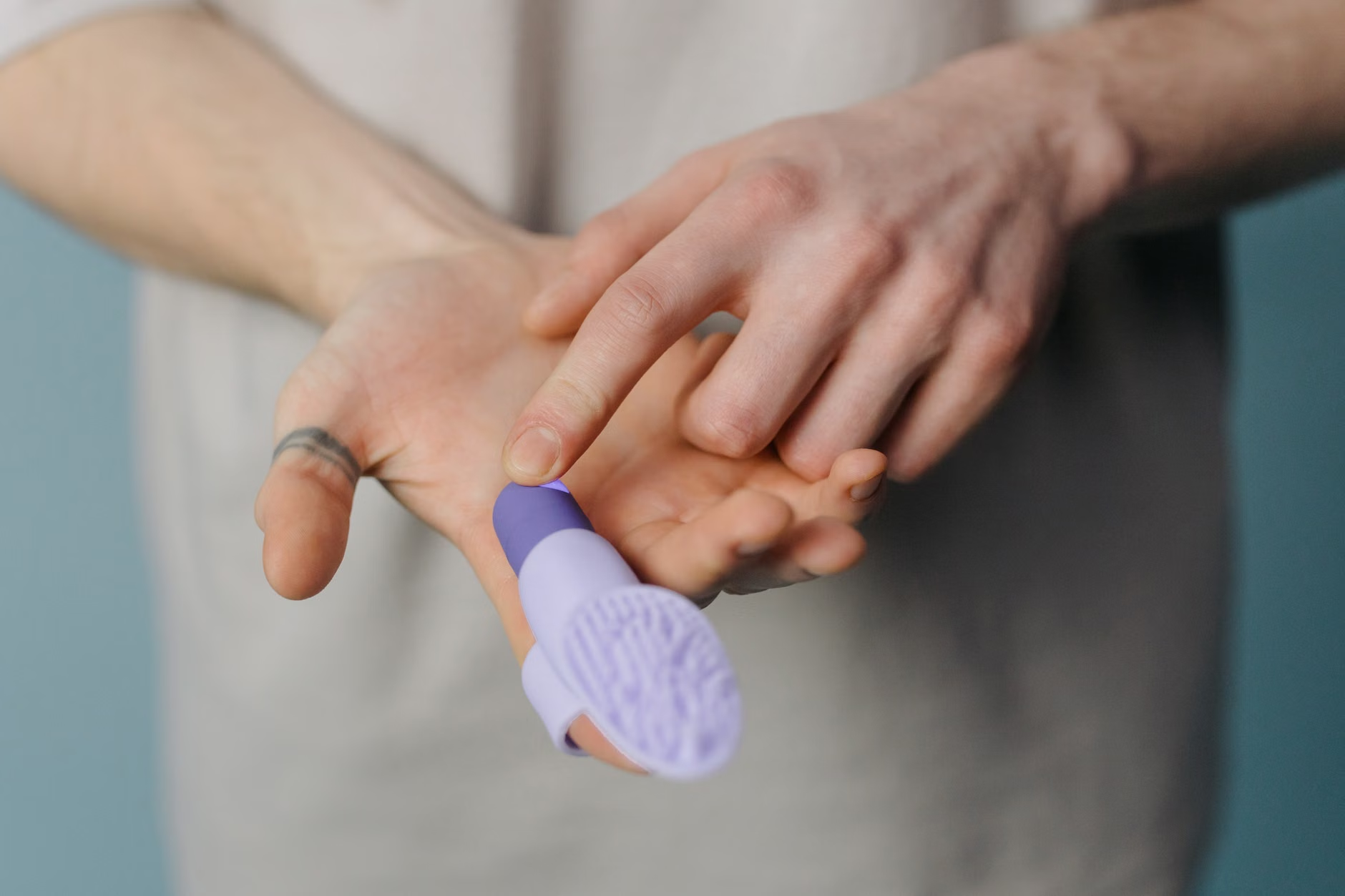
An OT might suggest tools such as larger-handled cutlery, ergonomic pens, or specific splints that support the thumb joint during high-use periods. These are not “crutches”; they are strategic tools that allow you to continue doing the things you love without overtaxing your joints.
Safety Considerations and When to Seek Help
While finger-flicks are generally safe, they are not appropriate for everyone. If you have recently had surgery on your hands or wrists, or if you have been diagnosed with conditions such as Rheumatoid Arthritis or severe tendonitis, you must consult your doctor before beginning any new exercise routine. These conditions require a specialized approach to avoid inflammation or damage.
Warning Signs:
- Persistent swelling or redness in the finger joints.
- A “locking” or “catching” sensation when you move your fingers (this can be a sign of trigger finger).
- Numbness or tingling that radiates from the wrist into the fingers (a possible sign of nerve compression).
- Sudden loss of grip strength.
If you experience any of these, stop the exercises and seek professional guidance. A medical professional can distinguish between simple muscle fatigue and more complex issues that require treatment.
Long-Term Maintenance Strategy
To summarize, the goal of fine motor maintenance is longevity. By keeping the tissues in your hands active through gentle, seated, and intentional movements, you are investing in your future independence. Remember that the “best” exercise is the one you can do consistently. If finger-flicks feel uncomfortable, explore other options like squeezing a soft stress ball or practicing light stretching of the fingers and palms.
Always keep your health in perspective. You are not trying to regain the hands of a 20-year-old; you are trying to optimize the function of your hands today. With a combination of daily movement, proper ergonomics, and the wisdom to seek professional help when needed, you can maintain the precision and strength required to navigate your world with confidence.
Frequently Asked Questions
1. How long does it take to see results from these hand exercises?
Most individuals notice an improvement in hand “suppleness” or a reduction in stiffness within 2 to 4 weeks of consistent, daily practice. However, this is a maintenance habit, not a temporary treatment, so the benefits continue as long as the habit is maintained.
2. Can I perform these exercises if I have arthritis?
If you have diagnosed arthritis, you should speak to your doctor or a physical therapist first. They will often recommend these types of exercises, but they may modify the intensity or frequency based on the specific type and severity of your arthritis to ensure you do not aggravate the joint surfaces.
3. Are there any tools I should avoid using for hand strengthening?
Avoid high-tension grippers or heavy hand-strengthening tools unless specifically recommended by a therapist. For most seniors, the goal is dexterity and range of motion, not maximum grip strength. Using tools that are too resistant can lead to tendonitis or joint inflammation. Stick to soft, pliable materials if you decide to use a resistance tool.
Official guidance on hand health and exercises for older adults can be found through organizations like the American Occupational Therapy Association or your local national health service’s physiotherapy guidelines. Always consult with your own healthcare provider for advice tailored to your medical history.