Key Takeaways for Your Evening Walks:
- Glare Reduction is Priority: Newer 2026 standards prioritize “warm-spectrum” lighting and shielded fixtures that prevent blinding glare, which is essential for eyes that are more sensitive to light changes.
- Smart Navigation: Look for parks implementing “motion-responsive” path lighting that brightens as you approach, providing high-contrast visibility exactly when and where you need it.
- Safety Beyond Light: Effective park lighting now includes high-contrast wayfinding markings and textured path edges to prevent trips, even in low-light conditions.
As we head into 2026, urban planning is undergoing a significant shift toward age-inclusive design. One of the most critical areas of this transformation is the redesign of public park lighting. For adults aged 60 to 80, the ability to enjoy outdoor spaces safely in the early evening is a vital component of physical health and social well-being. However, traditional park lighting has often been inadequate, focusing on aesthetic brightness rather than the specific visual needs of older eyes. The new global standards emerging this year aim to change that.
Understanding the Shift: Why 2026 Lighting Standards Matter
For many years, public lighting was designed using a “one-size-fits-all” approach, often resulting in high-intensity, “cool-white” LEDs that create harsh glare and deep, dark shadows. For an older adult, this can be physically disorienting. As we age, our eyes require more light to distinguish contrast, but we are also more sensitive to glare, which can mask potential trip hazards like uneven pavement or tree roots.
The 2026 global trends represent a move toward “human-centric lighting.” This approach recognizes that public spaces must be accessible to everyone, regardless of age-related changes in vision, such as reduced contrast sensitivity or slower adaptation to light-dark transitions. By adopting warmer light temperatures and strategic placement, cities are creating environments where older adults can walk with confidence.
The Three Pillars of Age-Inclusive Park Design
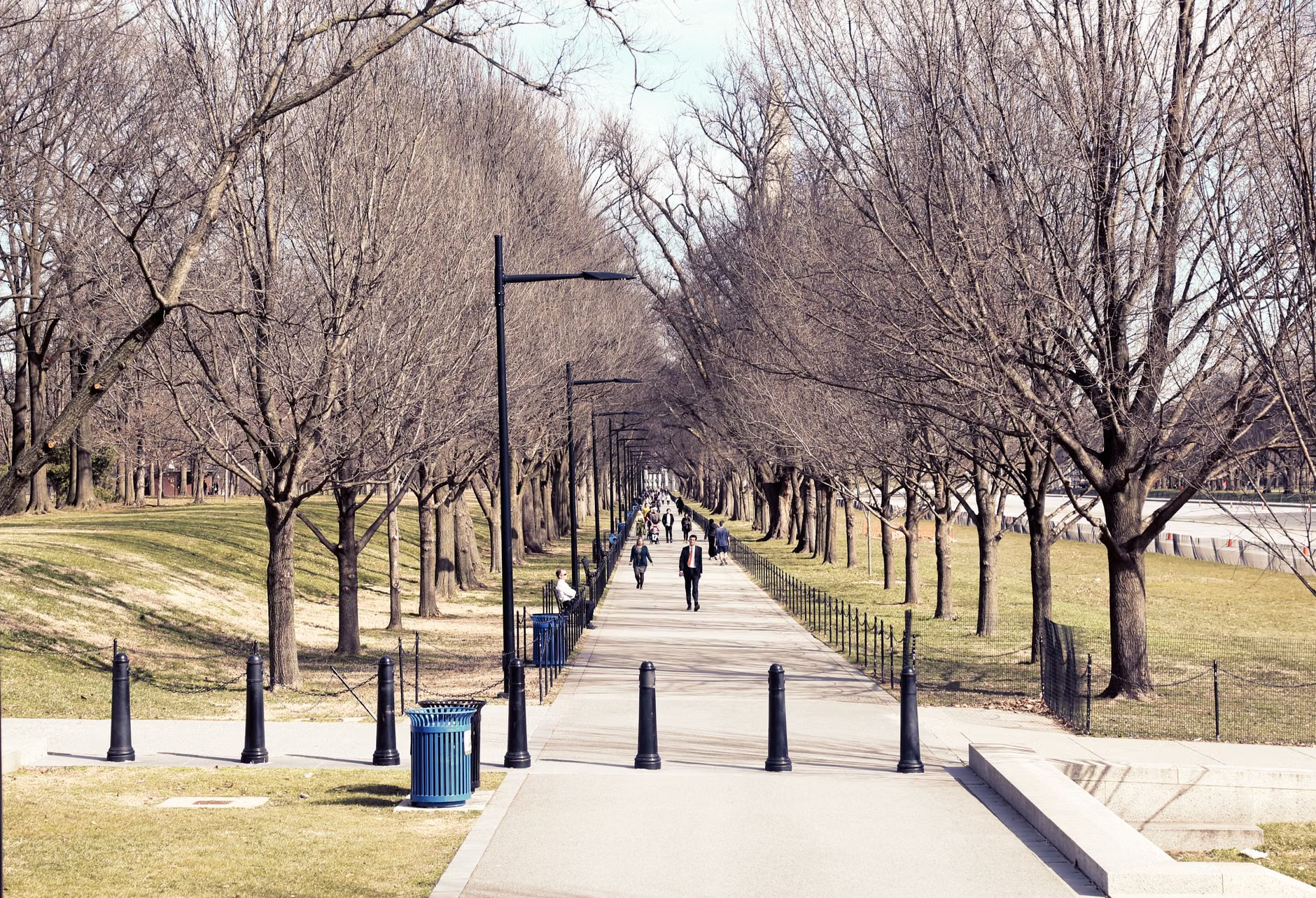
To evaluate if a local park is truly “age-inclusive,” it is helpful to look for three specific design elements that are becoming the standard in leading municipalities worldwide.
1. Glare-Free Shielding
Modern fixtures now feature “full-cutoff” or shielded designs. These ensure that the light is directed strictly downward onto the path, rather than shining into the eyes of pedestrians. If you are walking through a park and feel blinded by the streetlamps, that is a sign of poor shielding. The best designs use optics to spread light evenly, eliminating “hot spots” that cause temporary blindness when you walk out of them.
2. High-Contrast Wayfinding
Light is useless if it doesn’t highlight the path. Current trends involve pairing lighting with high-contrast materials at the edges of walkways. For example, a light-colored stone border against a darker path, illuminated by low-level bollards, makes the path boundary unmistakable. This is particularly important for individuals with reduced depth perception.
3. Motion-Responsive Illumination
In many regions, such as parts of the EU and North America, parks are testing smart sensor technology. These lights stay at a low, energy-saving level until they detect movement, at which point they brighten. This provides a “path of light” that follows you, ensuring maximum visibility exactly where you are walking while reducing light pollution in surrounding areas.
Practical Checklist for Your Safety
When planning your evening walk, it is important to assess the environment before you start. Use this checklist to determine if a park is suitable for a low-light stroll:
| Feature | What to Look For | Why It Matters |
|---|---|---|
| Path Surface | Even, non-reflective material | Prevents slips and reduces confusing light reflections. |
| Lighting Angle | Downward-facing, shielded lamps | Prevents direct glare into your eyes. |
| Consistency | No large gaps between light pools | Prevents the “strobe effect” of walking from bright to dark. |
| Signage | Reflective, high-contrast signs | Helps with navigation if you lose your bearings. |
If you find that a local park consistently fails these checks, it is worth contacting your local municipal parks department. Many cities now have “Age-Friendly City” initiatives and are actively seeking feedback on infrastructure. Providing specific, location-based feedback—such as “The path near the North Entrance is too dark and creates a hazard for seniors”—is often more effective than general complaints.
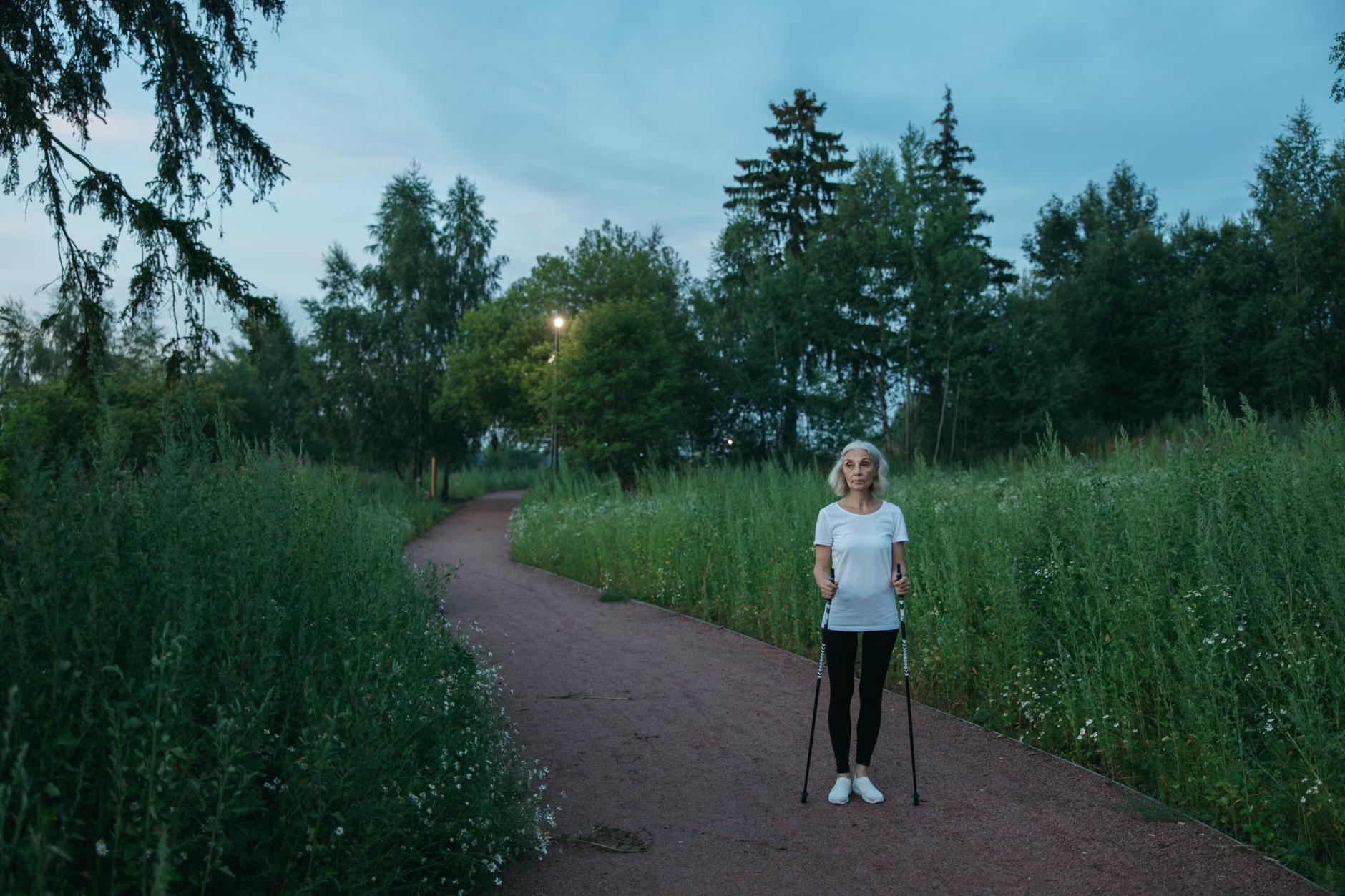
While urban planners are improving infrastructure, there are also practical steps you can take to adapt to low-light conditions. Our eyes naturally need more time to adjust as we age. If you are walking from a brightly lit parking lot into a dimmer park, pause for 30 to 60 seconds at the entrance. This “dark adaptation” allows your pupils to dilate, significantly improving your ability to spot obstacles.
Furthermore, consider your footwear. In low light, the texture of the ground can be deceptive. Shoes with high-traction, rubberized soles provide better grip on potentially damp or uneven surfaces. If you carry a walking aid, ensure it has a fresh rubber tip; these provide the best stability on the varied surfaces found in park settings.
If you are walking with a partner, stay in single file on narrow paths to allow for better observation of the ground ahead. If you walk alone, consider using a high-visibility accessory, such as a reflective wristband or a light-colored jacket. This doesn’t just help others see you; it also helps you feel more confident that you are visible to cyclists or other park users.
Addressing Common Misconceptions
A common mistake is the belief that “more light equals more safety.” In reality, excessive, unshielded light can create high-contrast shadows that hide more than they reveal. A well-lit park is not necessarily one that is “bright as day.” It is one that provides consistent, soft illumination that allows your eyes to maintain a steady level of focus. If you find yourself squinting, the lighting is likely poorly designed, regardless of how many bulbs are in use.
Another misconception is that evening walks should be avoided entirely to prevent falls. Physical activity, particularly walking, is essential for maintaining balance, muscle strength, and bone density. The goal should not be to stop walking, but to choose environments that meet your safety needs. If your local park is poorly lit, consider visiting it during the late afternoon or choosing a route with better-maintained municipal lighting, such as a well-lit promenade or a town square.
The Role of Smart Technology in 2026
As we move deeper into 2026, we are seeing the integration of mobile apps with park infrastructure. In some major cities, you can now check “accessibility maps” online before leaving home. These maps often show the lighting levels of specific pathways. Before you head out, check your city’s municipal website or the park’s official page. Look for terms like “Universal Design” or “Age-Friendly Infrastructure.”
These digital tools are not just for the tech-savvy. Many are simple, color-coded maps that indicate, for example, “well-lit main loop” versus “unlit secondary trails.” Using these resources allows you to plan a route that matches your comfort level for the evening, ensuring you can enjoy the fresh air without the stress of navigating dark, unpredictable terrain.
Advocating for Better Public Spaces
If you are part of a community group or a senior center, you have a powerful voice in shaping these trends. Municipalities are increasingly prioritizing projects that demonstrate “social return on investment.” When you advocate for better lighting, frame it in terms of community health. Explain that better lighting encourages more seniors to walk, which reduces the burden on healthcare systems and combats social isolation. It is a win-win for the city and the residents.
When documenting issues, take photos during the day of the areas that concern you at night. Note the specific locations of broken lights or areas where the foliage obscures the path. Presenting this to a local council meeting or sending it via a city service app creates a clear, actionable record that officials are obligated to address.
Conclusion: Taking Control of Your Environment
The 2026 trends in age-inclusive lighting are a positive step toward making our cities more livable for everyone. By understanding the importance of glare reduction, high-contrast wayfinding, and smart, motion-responsive lighting, you can better navigate your local public spaces. Remember, your physical comfort is the primary indicator of a well-designed park. If a space doesn’t feel safe, trust your judgment and seek out routes that offer better infrastructure.
Your ability to stay active in the evenings is a key part of your independence. Don’t let poor lighting be the barrier that keeps you indoors. Use the resources available, advocate for the changes you need, and prioritize paths that allow you to walk with confidence, stability, and ease.
Frequently Asked Questions
Q: Why do some new park lights look orange or amber instead of bright white?
A: This is a deliberate design choice. “Warm-spectrum” lighting (amber or soft yellow) is significantly better for older eyes because it reduces blue-light scatter, which is a primary cause of glare and eye fatigue. It is also less disruptive to the natural environment and local wildlife.
Q: What should I do if the path lighting in my local park is broken or flickers constantly?
A: Most cities have a dedicated service line or a mobile app for “Public Infrastructure Reporting.” Take a photo of the pole or the location and submit it. If the issue persists, contact your local representative. You are entitled to safe public spaces, and maintenance is a fundamental part of that.
Q: Are motion-sensing lights reliable, or will I be left in the dark?
A: Modern motion sensors used in 2026 urban planning are designed with a “buffer” system. They typically stay lit at a low level for a set period, and the sensors are calibrated to detect movement from a significant distance, ensuring the light reaches you long before you reach the dark zone. If you feel a specific system is too slow, it is a valid point to raise with your local parks department.
For more information on age-friendly urban design, visit the World Health Organization’s Age-Friendly World portal, which tracks global initiatives for better urban planning.