- Seated calf-raises act as a “second heart” for your lower legs, helping pump blood back toward your core to reduce fluid buildup and swelling.
- Consistency over intensity is the key; performing 20-30 repetitions at a steady pace throughout the day is more effective than a single, strenuous session.
- This exercise is a safe, low-impact, and accessible habit that requires no special equipment, making it ideal for maintaining mobility while seated at home or traveling.
The health of your lower legs is inextricably linked to your overall mobility and independence. As we age, the efficiency of our venous return—the process by which blood travels from the legs back to the heart—often declines. This can lead to common issues such as peripheral edema (swelling), a feeling of heaviness in the legs, and increased fatigue during daily activities. The seated calf-raise is a targeted, low-impact exercise designed to activate the calf muscles, which function as a natural pump for your circulatory system. By integrating this simple movement into your daily routine, you can significantly support your vascular health without the need for gym equipment or high-intensity exertion.
The Mechanics of Circulation: Why Your Calves Matter
To understand the value of the seated calf-raise, it is essential to first understand the “calf muscle pump.” Your heart is responsible for pumping oxygenated blood down to your extremities through the arteries. However, the return trip—moving deoxygenated blood from the feet and ankles back up to the heart—must fight against the force of gravity. In the lower limbs, this process relies heavily on the contraction of the calf muscles (the gastrocnemius and soleus).
When you walk or move, these muscles contract and squeeze the deep veins in your legs, forcing blood upward through one-way valves that prevent backflow. As we reach our 60s, 70s, and 80s, we often spend more time sitting, whether reading, watching television, or traveling. When the calf muscles remain inactive for extended periods, blood can pool in the lower legs, leading to discomfort and swelling. The seated calf-raise mimics the pumping action of walking while you remain in a stable, seated position, effectively keeping the circulation moving even during sedentary hours.
Recognizing the Signs of Poor Venous Return
While occasional swelling is common, persistent changes in your lower legs should be monitored. Common indicators that your circulation may need extra support include:
- Visible swelling around the ankles or feet that worsens as the day progresses.
- A sensation of heaviness or aching in the calves after sitting for long periods.
- Skin changes, such as mild discoloration or a tight, shiny appearance around the lower shin.
- Slow recovery from minor fatigue in the legs after light activity.
If you experience sudden swelling in one leg, pain, redness, or warmth, please consult a medical professional immediately, as these can be signs of a condition requiring clinical diagnosis, such as deep vein thrombosis (DVT).
Executing the Seated Calf-Raise: A Step-by-Step Guide
The beauty of the seated calf-raise lies in its simplicity and the minimal risk of injury. Because your weight is supported by the chair, there is no pressure on your joints, making this an ideal exercise for those with knee or hip concerns.
Proper Setup and Technique
- Find a stable chair: Choose a firm chair with a flat seat and no wheels. Ensure your feet can rest flat on the floor with your knees bent at approximately a 90-degree angle.
- Posture matters: Sit tall with your back against the chair. Keep your shoulders relaxed and your core lightly engaged to maintain a neutral spine.
- The movement: Keep the balls of your feet firmly planted on the ground. Slowly lift your heels as high as possible, feeling the contraction in your calf muscles. Pause for a second at the top of the movement.
- The descent: Lower your heels back to the floor with control. Do not let them “slap” against the ground; the controlled descent is just as important for muscle engagement as the lift.
- Repetition: Aim for 15 to 20 repetitions in a single set. You can repeat this 3 to 4 times throughout the day.
Integrating Movement into Your Daily Schedule
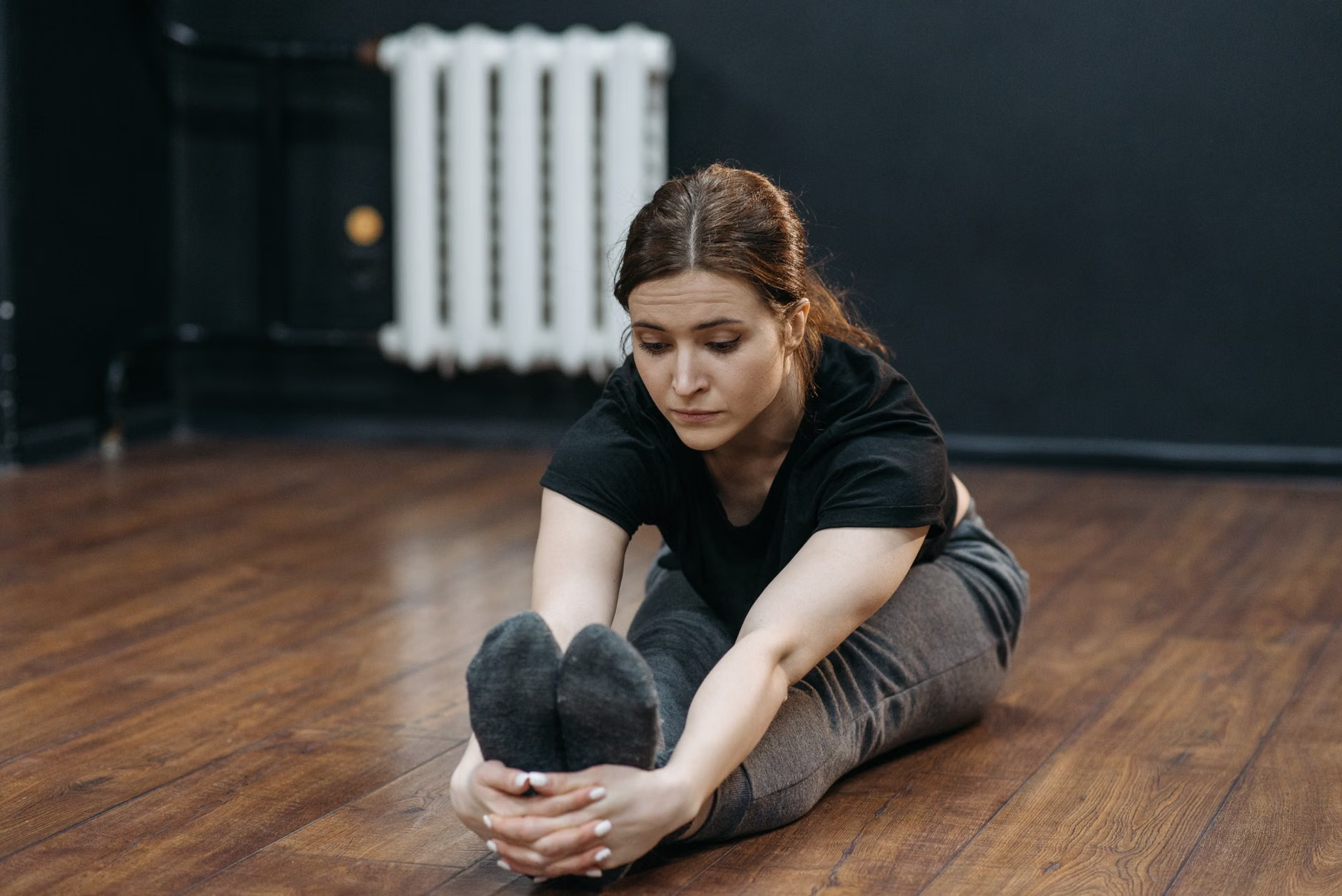
The most common mistake when starting a new health habit is over-complicating it. You do not need to set aside a dedicated “workout hour.” Instead, treat seated calf-raises as a “micro-habit” that fits into your existing schedule. Here are three practical scenarios where this movement can be applied:
| Scenario | Strategy | Why it works |
|---|---|---|
| Watching Television | Perform one set of 20 reps during every commercial break. | Uses natural downtime to maintain circulation without breaking focus. |
| Long-Distance Travel | Perform 10 reps every 30 minutes while on a plane, train, or in a car. | Minimizes the risk of stiffness associated with long periods of restricted movement. |
| Reading or Desk Work | Set a timer for every hour and complete two sets of 20. | Prevents the “afternoon slump” and keeps energy levels consistent. |
By breaking the exercise into smaller, manageable chunks, you avoid muscle fatigue while ensuring your circulation receives regular, rhythmic stimulus throughout the day. This approach is far more sustainable than attempting one long, exhausting session that you might be tempted to skip.
Variables That Influence Your Success
While the exercise is straightforward, several variables can influence your results. Understanding these will help you tailor the practice to your specific needs.
Footwear and Surface
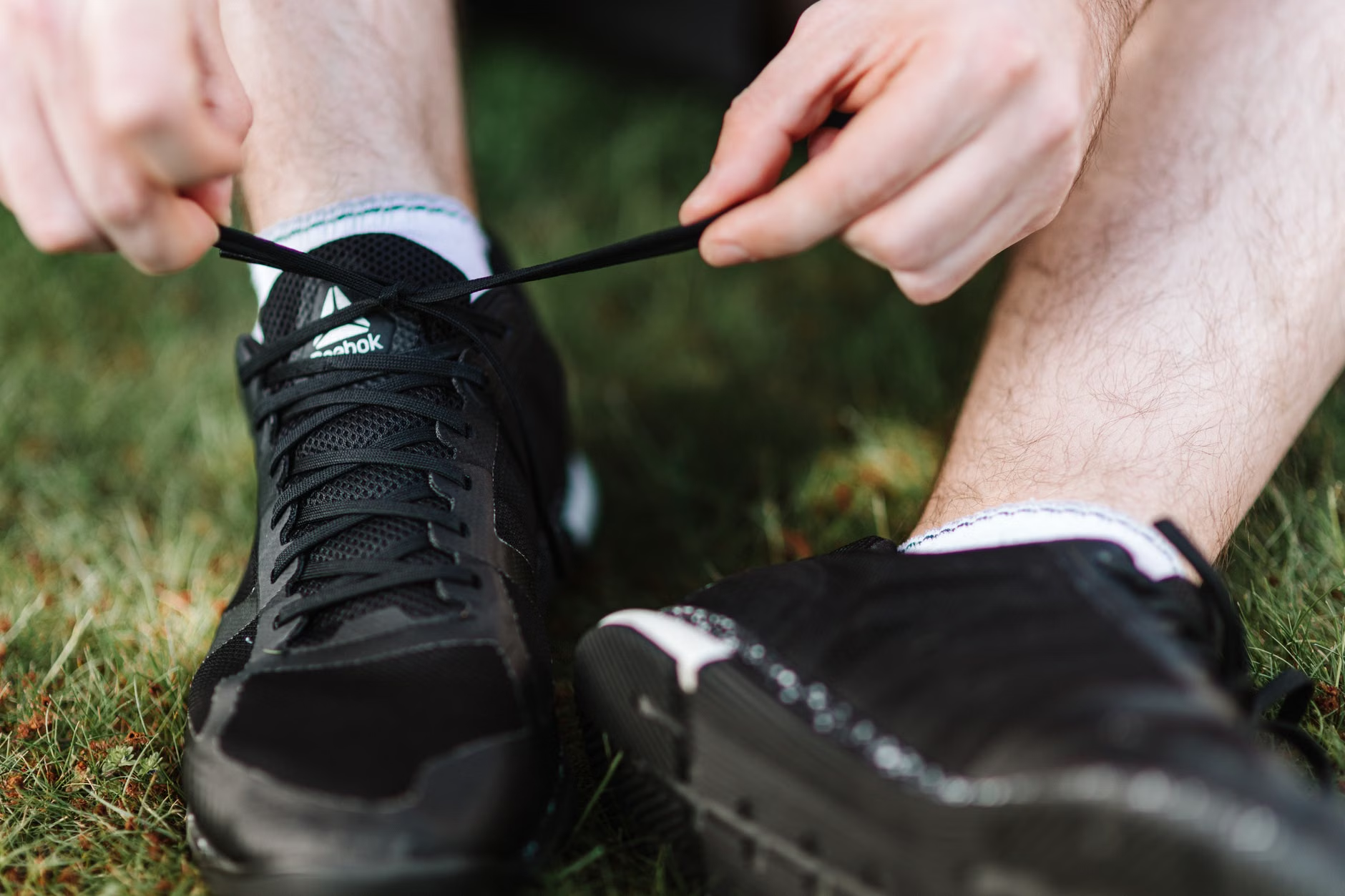
Performing this exercise barefoot or in supportive house shoes is generally best. Avoid high heels or shoes with rigid, restrictive soles that prevent your ankle from moving through its full range of motion. A carpeted or non-slip mat surface provides better stability than a slick hardwood floor.
Hydration and Nutrition
Circulation is not just about muscle movement; it is also about blood volume and viscosity. Dehydration can cause blood to become slightly more viscous, making it harder for your veins to transport it back to the heart. Ensure you are drinking adequate water throughout the day. Furthermore, maintaining a diet rich in potassium (found in bananas, leafy greens, and potatoes) can help regulate fluid balance in the body, which may further reduce swelling.
The Role of Compression
If you suffer from chronic edema, you may have been advised by a doctor to wear compression stockings. These stockings work by applying gentle pressure to the lower legs, which helps the veins perform their job. The seated calf-raise is an excellent complement to compression therapy. In fact, performing the exercise while wearing your compression garments can enhance their effectiveness by actively engaging the muscle pump that the stockings support.
Addressing Common Misconceptions
There is a widespread belief that exercise for seniors must involve “feeling the burn” or significant sweating to be effective. This is a dangerous misconception. When it comes to circulatory health, the goal is consistent, gentle activation, not muscle hypertrophy (building large muscles). Over-exerting your calf muscles can lead to cramps or soreness that might discourage you from continuing the practice. Focus on smooth, rhythmic movement rather than speed or resistance.
Another myth is that if you don’t see immediate results, the exercise isn’t working. Circulatory improvement is a cumulative process. It may take several days or even weeks of consistent practice to notice a reduction in swelling or a decrease in the “heavy leg” sensation. Patience and consistency are your greatest allies.
When to Seek Professional Guidance
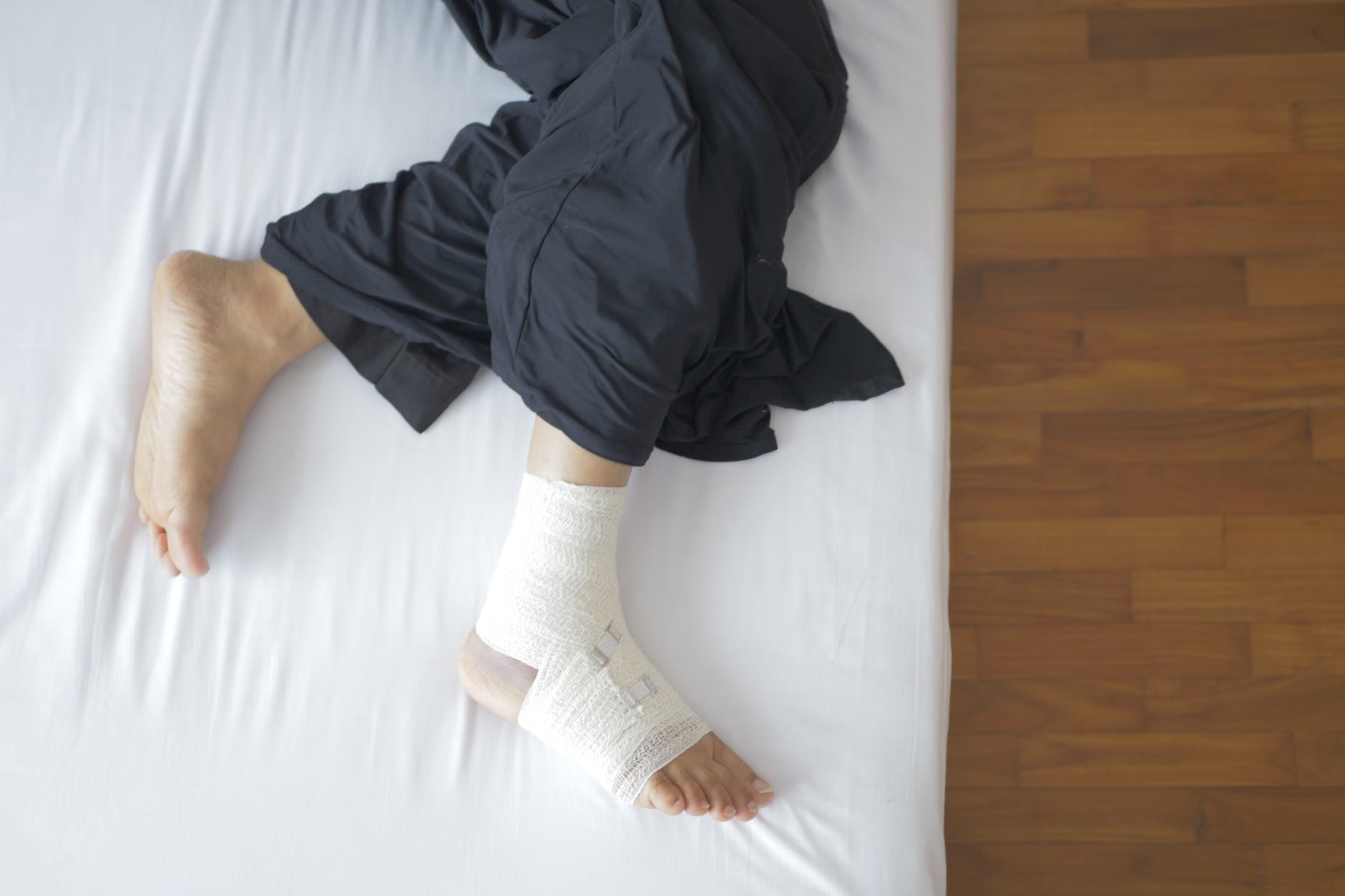
While seated calf-raises are generally safe, there are instances where you should consult a healthcare provider before beginning a new routine. If you have a history of venous insufficiency, peripheral artery disease (PAD), or recent surgery on your legs, feet, or hips, it is crucial to clear this exercise with your doctor or physical therapist. They can provide specific modifications based on your medical history and current physical capacity.
Furthermore, if you find that your leg swelling is accompanied by shortness of breath, chest pain, or rapid heartbeat, please seek medical attention immediately. These are not typical symptoms of venous pooling and may indicate heart or lung-related issues that require professional evaluation.
Maximizing Your Long-Term Mobility
The seated calf-raise is a foundational movement, but it is only one piece of the puzzle. To truly protect your lower leg health as you age, consider these broader lifestyle adjustments:
- Elevate your legs: Whenever you are resting, try to elevate your feet above the level of your heart for 10–15 minutes. This uses gravity to assist your veins in draining fluid from your lower extremities.
- Incorporate light walking: If your mobility allows, a short, brisk walk is the most effective way to activate the calf pump. Use the seated calf-raise as a “bridge” on days when walking is difficult or the weather prevents you from going outside.
- Monitor your salt intake: Excess sodium can lead to fluid retention, which puts unnecessary pressure on your circulatory system. Opt for fresh, whole foods whenever possible.
By taking a proactive approach to your vascular health, you are not just preventing discomfort; you are investing in your ability to remain active, mobile, and independent. The seated calf-raise is a simple, effective tool in your preventive health toolkit. It costs nothing, requires no equipment, and can be done anywhere. Start today with a few repetitions, and observe how your legs feel over the coming weeks.
Official Resources for Further Reading
For more information on maintaining vascular health and managing leg swelling, you may find these resources helpful:
- National Heart, Lung, and Blood Institute (NHLBI) – Venous Disease Overview
- Centers for Disease Control and Prevention (CDC) – Deep Vein Thrombosis Information
Frequently Asked Questions (FAQ)
- 1. How many times a day should I perform these calf-raises?
- Consistency is more important than volume. Aim for 3 to 4 sessions per day, with 20 repetitions per session. This ensures your circulation is being stimulated regularly rather than just once or twice.
- 2. Can I do these while wearing shoes?
- Yes, you can perform them in shoes. In fact, wearing supportive, comfortable shoes can provide better stability. Just ensure the soles are not so thick or rigid that they prevent you from comfortably lifting your heels.
- 3. Will this exercise help with leg cramps at night?
- While this exercise helps with circulation, leg cramps at night can have various causes, including electrolyte imbalances or medication side effects. If you suffer from frequent night cramps, please speak with your doctor, as this exercise alone may not be enough to resolve the issue.
Disclaimer: This article is for informational purposes only and does not constitute medical advice, diagnosis, or treatment. Always seek the advice of your physician or other qualified health provider with any questions you may have regarding a medical condition.