Key Takeaways
- Safety First: Lateral neck-bends should be performed slowly and with controlled breath; if you experience sharp pain or radiating numbness, stop immediately and consult a healthcare professional.
- Consistency over Intensity: Gentle, daily movement is significantly more effective for long-term tension relief than infrequent, high-intensity stretching.
- Ergonomic Foundation: Stretching is a tool for relief, but preventing strain through daily posture habits—such as keeping your screen at eye level—is the primary strategy for neck health.
Neck tension is a common, often manageable, aspect of aging that frequently arises from long-term postural habits, cumulative muscle fatigue, or the natural stiffening of tissues over time. For many adults aged 60 to 80, the goal is not just to “fix” a stiff neck when it happens, but to maintain the mobility and comfort required for daily activities—whether that is looking over your shoulder while driving, gardening, or enjoying time with family.
The seated lateral neck-bend is a foundational, low-impact movement designed to gently lengthen the muscles along the side of the neck and the upper trapezius. This guide provides a rigorous look at how to perform this movement safely, why it matters for your long-term mobility, and how to integrate it into a broader strategy of preventive health.
Understanding Neck Tension: Why It Matters
The neck, or cervical spine, is a complex structure that supports the head—which weighs roughly 10 to 12 pounds—and allows for a wide range of motion. As we age, the intervertebral discs may lose hydration and the muscles may become shorter or less elastic. When we hold our heads in a fixed position for too long—such as reading, using a tablet, or watching television—the muscles on one side of the neck can become chronically tight while the others grow weak.
What we often describe as “tension” is frequently a combination of muscle guarding and reduced synovial fluid lubrication in the cervical joints. By performing controlled lateral bends, you are effectively encouraging blood flow to these tissues and signaling to the nervous system that it is safe to release the held tension. This is not about forcing the body into new shapes, but rather maintaining the range of motion you already possess.
Step-by-Step: The Lateral Neck-Bend Technique
The efficacy of this movement lies in its precision. If you perform this exercise with momentum or force, you risk irritating the very structures you intend to soothe. Follow these steps to ensure safety and maximum benefit.
1. Establishing a Stable Foundation
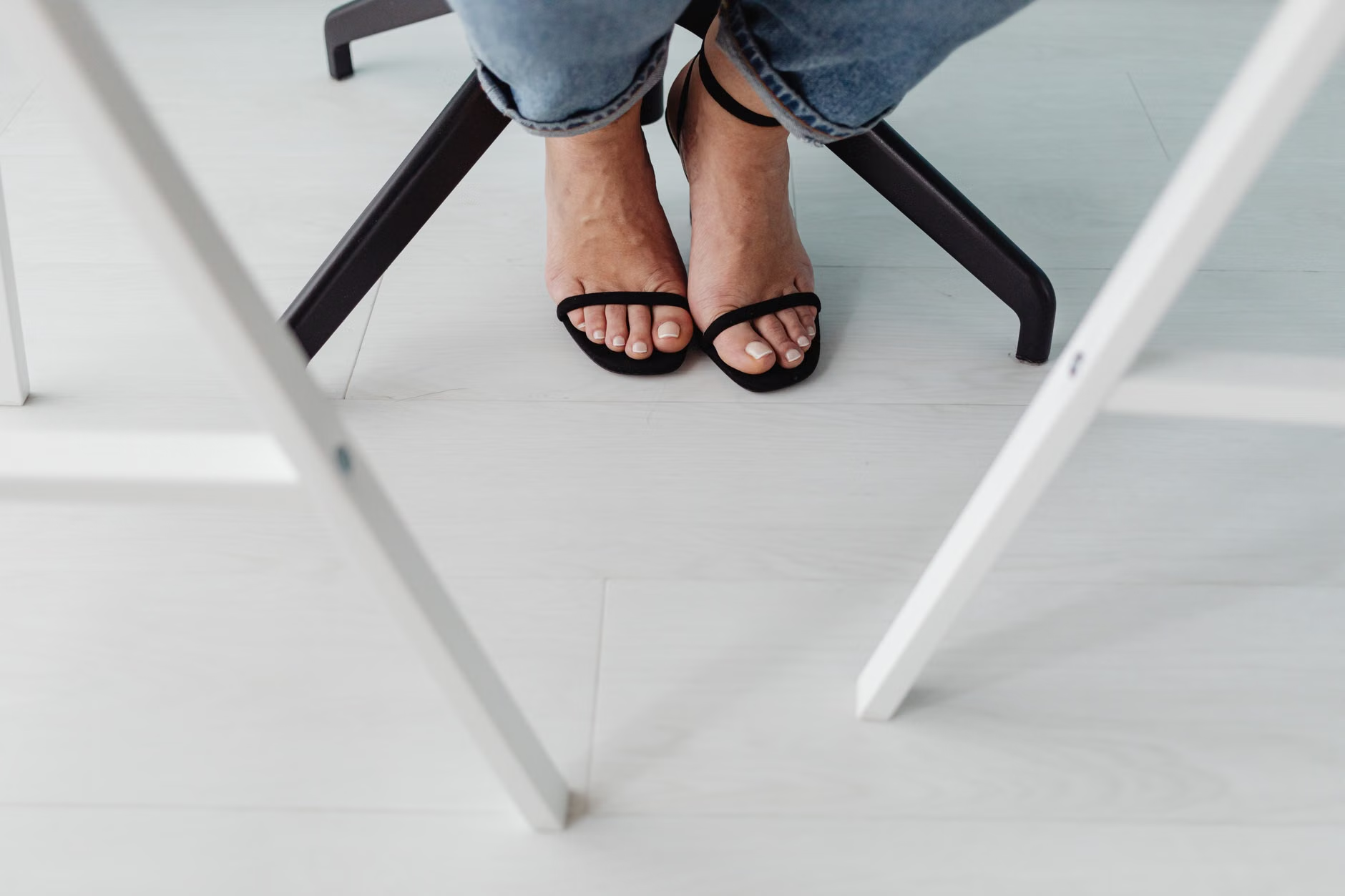
Before moving your head, ensure your body is prepared. Sit in a chair with a firm seat and back support. Your feet should be planted flat on the floor, shoulder-width apart. If your feet do not touch the floor, use a small stool or a thick book. This stability prevents your torso from compensating for the movement of your neck, ensuring the stretch remains isolated to the cervical region.
2. The Controlled Lateral Motion
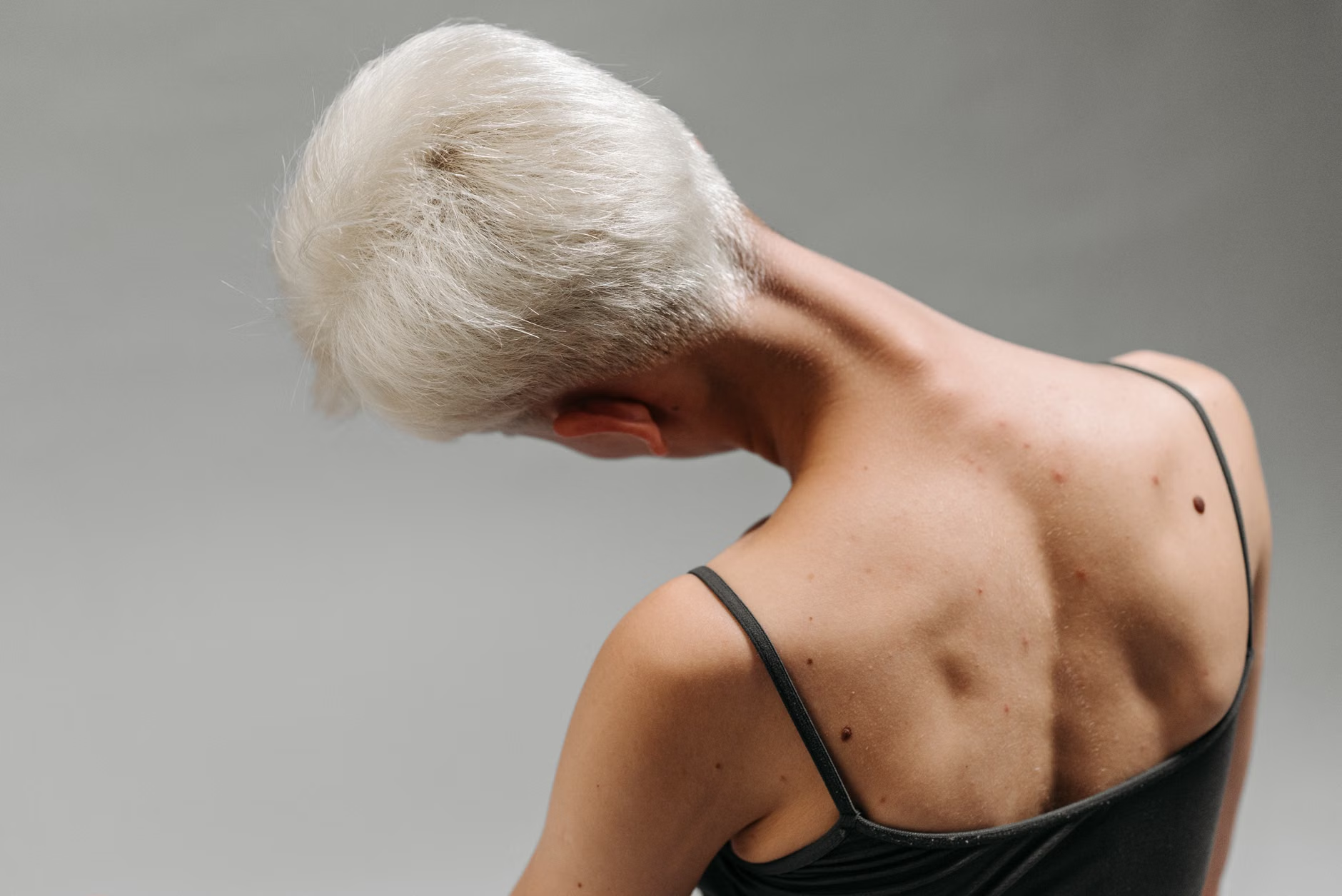
Begin with your head in a neutral, forward-facing position. Slowly and smoothly tilt your right ear toward your right shoulder. Do not let your shoulder hike up to meet your ear—this is a common mistake that defeats the purpose of the stretch. Imagine your shoulder is a heavy anchor pulling downward, while your ear is being gently drawn to the side. Hold this position for 10 to 15 seconds. You should feel a gentle, non-painful pull along the left side of your neck.
3. Returning to Neutral
Return your head to the center position using the same slow, controlled speed. Take a full breath cycle (inhale and exhale) before repeating the movement on the left side. Never rush the transition, as the muscles are most vulnerable when moving through the middle range of motion.
| Stage | Action | Goal |
|---|---|---|
| Preparation | Feet flat, spine tall, shoulders relaxed. | Establish a stable base. |
| Execution | Slowly tilt ear toward shoulder. | Gently lengthen the trapezius. |
| Hold | 10-15 seconds of sustained tension. | Allow muscle fibers to relax. |
| Recovery | Return to center; deep breath. | Reset the cervical alignment. |
The table above outlines the protocol for a single repetition. For most individuals, performing 3 repetitions on each side once or twice a day is sufficient. More is not necessarily better; the goal is to provide a consistent, low-level stimulus to the tissues rather than attempting to “stretch out” a major issue in one session.
Common Mistakes and How to Avoid Them
Even with simple movements, small errors can lead to decreased effectiveness or accidental strain. Recognizing these patterns is the first step toward correcting them.
- The Shoulder Hike: Many people instinctively lift their shoulder to bridge the gap toward their ear. To correct this, try placing your hand under your thigh or holding the edge of the chair seat. This keeps the shoulder anchored down, forcing the neck muscles to do the work of the stretch.
- The Forward Lean: If your chin juts forward as you tilt your head, you are putting unnecessary pressure on the facet joints in the back of your neck. Keep your chin tucked slightly inward, as if you are holding a small orange between your chin and your chest.
- Breath Holding: When we feel discomfort, we tend to hold our breath. This increases systemic tension. Aim to exhale as you tilt your head into the stretch, allowing your muscles to “let go” as your lungs empty.
Integrating Neck Health into Your Daily Environment
Stretching is only half the battle; the other half is managing the environment in which you spend your time. If you spend hours reading, working on a computer, or using a smartphone, your neck position matters significantly.
Optimizing Your Workspace
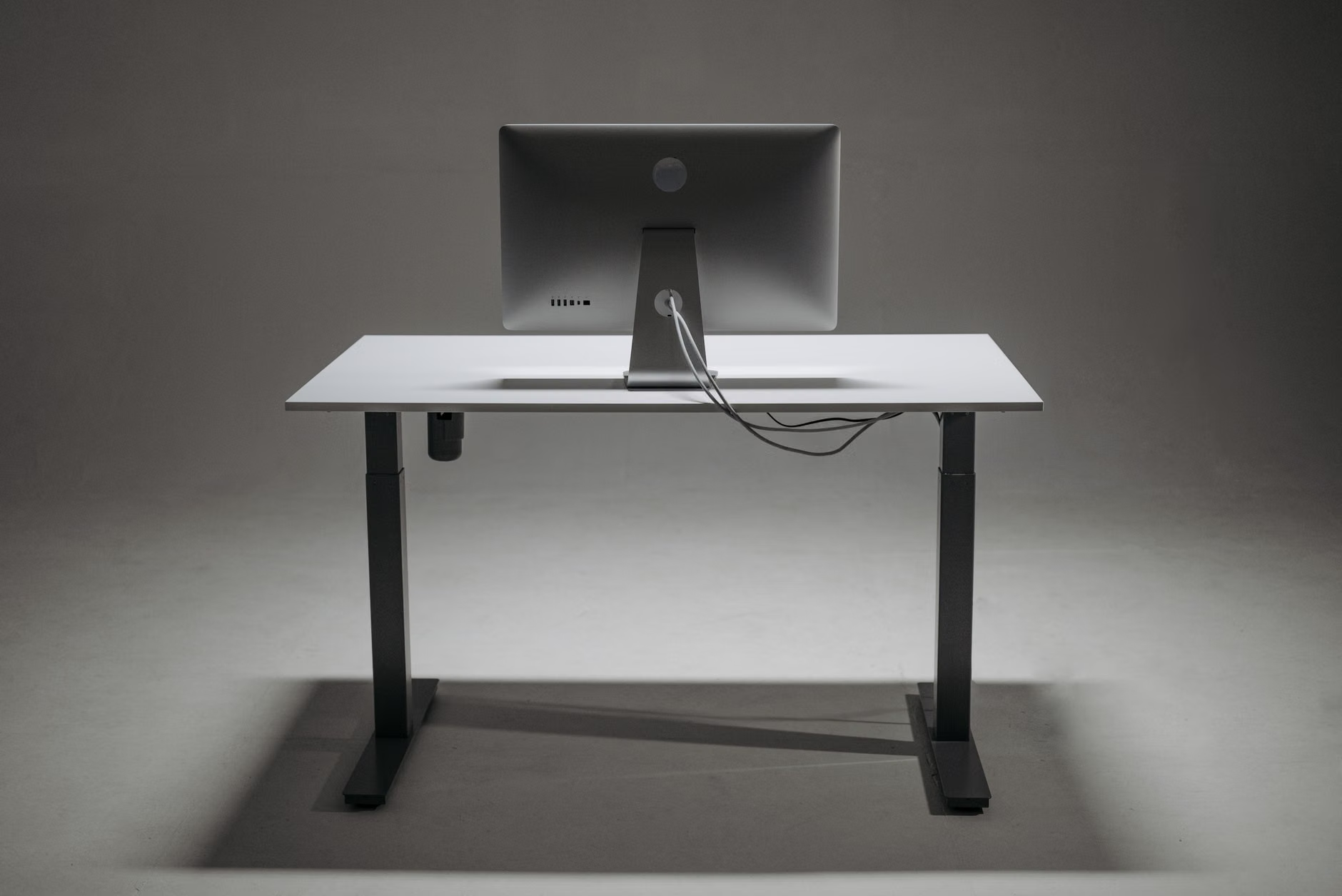
If you use a computer, the top of the monitor should be at or slightly below eye level. If you are using a laptop, consider purchasing an external keyboard and raising the laptop on a stand or a stack of sturdy books. Looking down at a screen for extended periods creates “tech neck,” a condition where the weight of the head places extreme strain on the cervical spine.
The “Check-In” Habit
Instead of waiting for pain to remind you to stretch, create “cues” in your daily routine. For example, every time you finish a chapter in your book, or every time you finish a cup of tea, perform your neck stretches. By linking this movement to an existing habit, you are far more likely to maintain the practice over the long term.
When to Seek Professional Guidance
While gentle movement is a powerful tool for self-care, there are specific scenarios where professional intervention is necessary. If you experience any of the following, do not rely on stretching alone:
- Radiating Pain: Pain that travels down your arm or into your shoulder blade can indicate nerve involvement, such as a pinched nerve or disc issue.
- Numbness or Tingling: Any loss of sensation in the fingers or hands requires a professional evaluation.
- Sudden Onset: If your neck stiffness appeared suddenly after a minor injury or fall, seek medical advice before beginning any exercise program.
- Dizziness or Blurred Vision: These symptoms can be related to the cervical spine but require a specialist to rule out more complex issues.
When you consult a professional—whether a physical therapist, a primary care physician, or a chiropractor—bring a list of your daily activities. For example, record how many hours you spend in a seated position and which activities seem to trigger the most discomfort. This information helps the clinician understand your specific movement patterns and tailor their advice to your lifestyle.
Beyond the Stretch: Understanding Long-Term Cervical Health
It is important to acknowledge that the neck does not exist in isolation. It is the bridge between your brain and the rest of your body, and it relies heavily on the health of your thoracic spine (the upper and middle back). If your upper back is rounded, your head will naturally shift forward, placing more stress on the neck. Therefore, keeping your chest open and your upper back strong is just as important as direct neck stretching.
Consider incorporating exercises that promote thoracic extension, such as gentle chest openers. While you are seated, clasp your hands behind your back and gently pull your shoulders back, opening your chest. This simple movement complements the lateral neck-bend by addressing the underlying postural issues that contribute to neck tension.
Furthermore, hydration plays a role in the health of the intervertebral discs. These discs are largely composed of water; staying well-hydrated helps maintain their volume and shock-absorbing capabilities. While this won’t change your neck health overnight, it is a foundational element of maintaining healthy tissues as you age.
Finally, recognize that your “neck capacity” may change from day to day. Some days you may feel more flexible, and other days you may feel stiffer. This is a normal variation in human biology. If you feel particularly stiff, it is better to perform smaller, more frequent movements rather than pushing into a deep stretch. Listen to your body’s signals; if a movement feels “wrong” or causes sharp pain, stop immediately. The goal is to nourish the tissues, not to challenge them to a limit.
Conclusion: Building a Sustainable Routine
Preventive health is often about the accumulation of small, consistent actions rather than major, infrequent interventions. By mastering the seated lateral neck-bend, you are taking an active role in maintaining your cervical mobility and reducing the likelihood of chronic tension. Remember, the goal is not to achieve perfect flexibility, but to ensure that your neck remains a functional, comfortable part of your daily life.
Start today by identifying a comfortable chair and setting aside three minutes. Focus on the quality of the movement, the depth of your breathing, and the stability of your posture. Over time, these small efforts will pay dividends in your comfort and your ability to engage fully with the activities you love.
Frequently Asked Questions (FAQ)
1. How many times a day should I perform these lateral neck-bends?
Consistency is more important than frequency. Performing 3 repetitions on each side, once or twice a day, is generally sufficient. It is better to do a small amount every day than to do a long, intense session once a week.
2. Can I do these stretches if I have arthritis in my neck?
If you have a diagnosis of cervical arthritis, it is essential to discuss specific movements with your doctor or a physical therapist. They can help you determine which ranges of motion are safe for your specific condition, as some movements may need to be modified to avoid aggravating the joints.
3. Should I feel a “popping” or “clicking” sound when I stretch?
Occasional, painless clicking or popping—known as crepitus—is common and often harmless. However, if the sound is accompanied by pain, grinding, or a feeling of catching, you should stop the movement and consult a healthcare professional to ensure there is no structural issue.
Disclaimer: This article is for informational purposes only and does not constitute medical advice, diagnosis, or treatment. Always seek the advice of your physician or other qualified health provider with any questions you may have regarding a medical condition.
Official Resources for Further Reading: