- Strategy games provide a structured environment to practice executive functions like planning, inhibition, and working memory.
- Consistency and social interaction during gameplay are more beneficial for long-term cognitive engagement than the intensity of the game itself.
- Choosing games that align with your current cognitive comfort level—and gradually increasing complexity—prevents frustration and ensures sustained interest.
Strategic thinking is not just a skill required for business or high-level competition; it is a fundamental cognitive process that governs how we solve problems in daily life. For adults aged 60 to 80, the regular practice of basic strategy games acts as a form of mental “cross-training.” By engaging with board games that require foresight, pattern recognition, and decision-making, you are actively utilizing the brain’s executive function networks.
Understanding the Cognitive Mechanics of Strategy Games
At the heart of any strategy game lies the concept of executive function. This is an umbrella term for the neurological processes that allow us to manage our behavior, focus our attention, and achieve goals. When you play a game like Chess, Checkers, or Backgammon, you are essentially putting your executive functions through a structured workout.
The Role of Working Memory
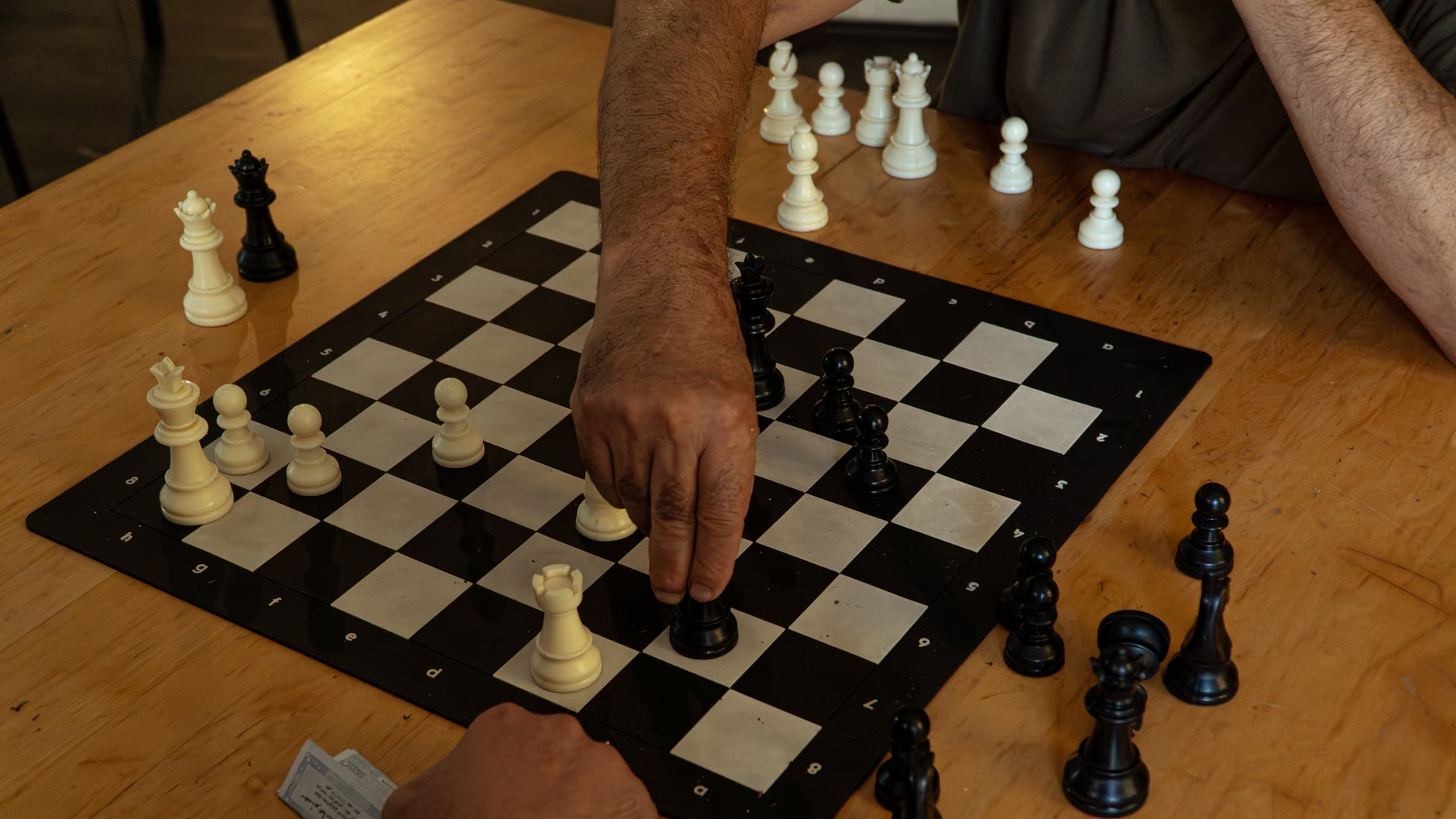
Working memory is the brain’s “scratchpad.” It allows you to hold information in your mind while manipulating it. In a game of Chess, for example, you must hold the current position of the pieces in your memory while simultaneously visualizing the potential moves your opponent might make in response to yours. This constant updating of information is a powerful stimulus for the prefrontal cortex.
Inhibition and Impulse Control
A crucial part of strategy is the ability to suppress an immediate, impulsive move in favor of a better, long-term plan. This is known as inhibition. If you see a piece you can capture immediately, but taking it would leave your own position vulnerable, you are practicing inhibition. This skill is directly transferable to real-world scenarios, such as deciding whether to make an impulsive purchase or waiting to verify the details of a contract before signing.
Planning and Future-Oriented Thinking
Strategy games require you to map out a sequence of actions. You must determine your ultimate goal (e.g., checkmating the king or capturing the majority of pieces) and break that goal down into smaller, actionable steps. This “pathing” exercise strengthens the neural pathways associated with logical sequencing and anticipation.
Choosing the Right Game for Your Cognitive Goals
Not all strategy games are created equal, and the “best” game is one that balances challenge with enjoyment. If a game is too simple, it becomes monotonous; if it is too complex, it leads to cognitive fatigue rather than constructive engagement. The following table compares common strategy games based on their cognitive demands and typical learning curves.
| Game | Primary Cognitive Focus | Learning Curve | Best For |
|---|---|---|---|
| Checkers | Pattern recognition, basic spatial reasoning | Low (Easy to learn) | Beginners or those seeking a relaxing, low-pressure game. |
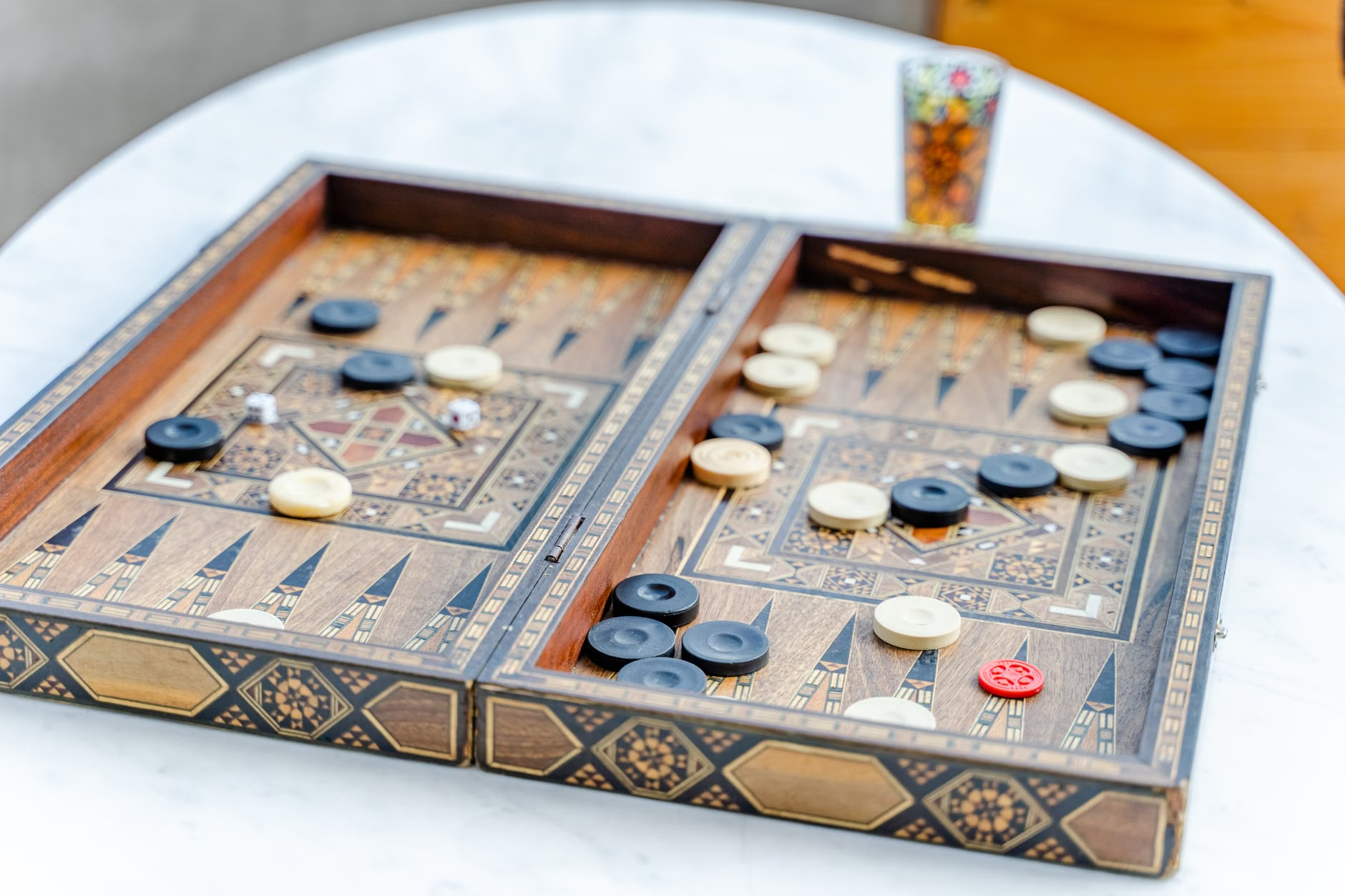
| Backgammon | Probability, risk management, adaptability | Medium | Those who enjoy a mix of strategy and calculated chance. |
| Chess | Long-term planning, complex visualization | High | Those seeking deep, long-term cognitive immersion. |
| Go (Weiqi) | Territory management, abstract strategy | High | Those who prefer intuitive, visual-spatial problem solving. |
When selecting a game, consider your current level of comfort. If you are new to strategic gaming, starting with Checkers allows you to master the mechanics of turn-taking and simple board interaction without the overwhelming complexity of opening theory in Chess. For those who enjoy the element of luck balanced by skill, Backgammon is an excellent choice as it teaches you to manage probabilities—a skill highly relevant to financial and health planning.
While solo digital brain-training games have become popular, they often lack the essential component of social interaction. Research consistently shows that social engagement is a protective factor for cognitive health. Playing a board game with a friend, spouse, or grandchild provides a multi-sensory experience that digital apps cannot replicate.
Communication and Emotional Regulation
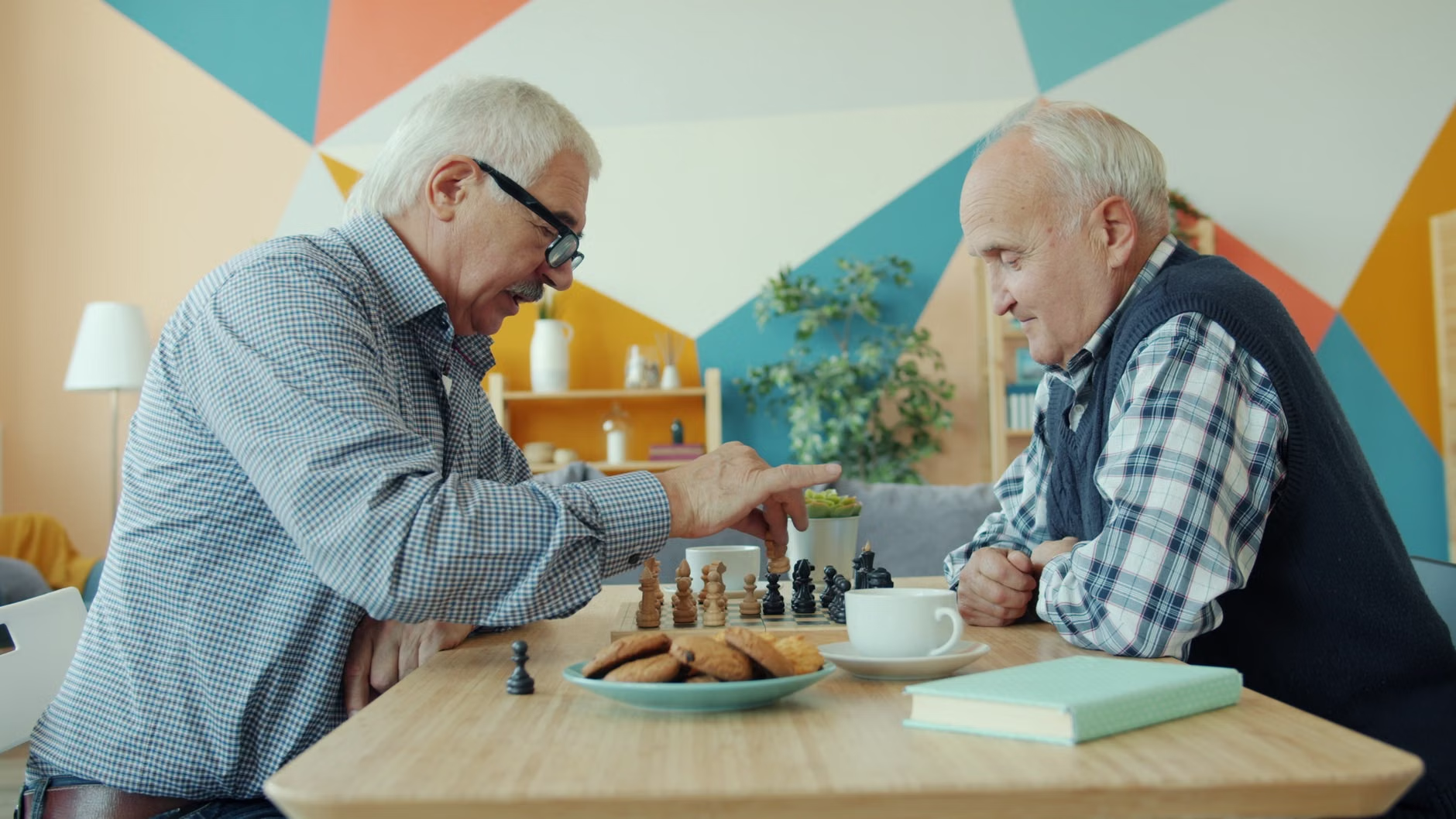
Engaging in a game with another person requires verbal communication, reading social cues, and managing emotions like frustration or excitement. If you are playing with a grandchild, the game becomes a bridge for intergenerational connection. You are not only training your brain; you are building a shared memory and strengthening a relationship.
The “Community of Practice”
Joining a local club or a senior center group that meets weekly for games provides a sense of routine and social accountability. This creates a “community of practice” where you can learn from others, share strategies, and improve at your own pace. The physical act of meeting others also encourages mobility and community participation, which are vital for healthy aging.
Integrating Strategy Games into Your Daily Routine
Consistency is more important than duration. You do not need to play for three hours a day to see the cognitive benefits of strategic thinking. In fact, shorter, more frequent sessions are often more effective at keeping the brain sharp without leading to burnout.
The “15-Minute Rule”
Try dedicating 15 to 20 minutes a day to a strategy game. This might be a quick game of Chess online, a few rounds of a card-based strategy game, or setting up a board game to play a few moves against yourself or a partner. The goal is to keep the “strategic muscle” engaged regularly.
Avoiding Cognitive Fatigue
It is important to recognize the signs of cognitive fatigue. If you find yourself making careless mistakes or feeling irritable, it is time to take a break. Unlike physical exercise, where “no pain, no gain” is a common (if often misunderstood) adage, cognitive engagement should feel stimulating, not draining. If you feel tired, stop. The brain requires downtime to consolidate new learning and recover from intense focus.
Practical Steps to Get Started
- Start Small: Purchase a high-quality, physical board game. The tactile experience of moving pieces is more beneficial than tapping a screen.
- Find a Partner: Invite a friend or family member to play once a week.
- Use Resources: If you are learning a new game, use reputable online tutorials or local library groups. Avoid “get-smart-fast” apps that promise miracle improvements.
- Document Your Journey: Keep a simple log of the games you play and how you feel after playing. This can help you identify which games you enjoy most and which ones provide the best balance of challenge and relaxation.
Common Misconceptions About “Brain Training”
There is a pervasive myth that playing “brain games” can prevent neurodegenerative diseases or reverse cognitive decline. It is crucial to be clear: no game is a cure or a guaranteed preventative measure for conditions like dementia or Alzheimer’s.
Instead, think of strategy games as a tool for cognitive reserve. Cognitive reserve refers to the brain’s ability to improvise and find alternative ways of getting a job done. By regularly engaging in complex tasks, you are helping your brain build a stronger, more resilient network. While this does not make you immune to illness, it contributes to a lifestyle that promotes overall brain health.
Another common mistake is focusing exclusively on high-intensity games. If you are a beginner, trying to master high-level Chess strategies immediately can lead to frustration. Instead, focus on the process of learning. The act of learning the rules, understanding the board, and making mistakes is where the real cognitive work happens.
Advanced Considerations for Long-Term Engagement
As you become more proficient, you may find that the games you once found challenging become routine. This is the moment to introduce “cognitive novelty.” Novelty is a powerful driver of neuroplasticity—the brain’s ability to reorganize itself by forming new neural connections.
Introducing Novelty
If you have mastered Checkers, consider learning Chess. If you are comfortable with Chess, try a different variant or a completely new strategy game like Go or even modern strategy board games that involve resource management. The key is to keep the brain working on new patterns and new types of logic.
The Value of Analysis
After a game, take a moment to reflect. Why did you make that move? What did you miss? This post-game analysis is a form of metacognition—thinking about your own thinking. Metacognition is a highly advanced cognitive skill that helps you improve your decision-making in all areas of life, from managing your finances to navigating healthcare appointments.
Conclusion: The Strategic Life
Strategy games are more than just a pastime; they are a meaningful way to maintain cognitive agility, foster social bonds, and practice the executive functions that sustain our independence. By choosing games that challenge you appropriately, playing with others, and focusing on the process rather than the outcome, you can turn your leisure time into a productive, enjoyable, and life-enhancing habit.
Remember that the ultimate goal is not to win every game, but to keep your mind curious and engaged. Whether you are moving a bishop across a chessboard or rolling dice on a backgammon board, you are participating in a tradition of human problem-solving that has spanned centuries. Embrace the challenge, enjoy the company, and keep your strategic mind sharp.
Frequently Asked Questions
1. Do digital strategy games offer the same benefits as physical board games?
Digital games are convenient and offer a wide variety of opponents, but they lack the tactile and social benefits of physical board games. Physical games require fine motor skills to move pieces and often involve face-to-face social interaction, which contributes to overall emotional and cognitive wellbeing. If you use digital games, try to balance them with physical board games.
2. I have never played strategy games before. Is it too late to start?
It is never too late to start. The brain remains capable of learning and forming new neural pathways throughout life, a concept known as neuroplasticity. Start with a simple game that interests you and focus on learning the basic rules. Your goal is not to become a grandmaster, but to enjoy the process of strategic thinking.
3. How much time should I spend playing games to see cognitive benefits?
Consistency is more important than long, infrequent sessions. 15 to 20 minutes a day or a regular 1-hour session once or twice a week is sufficient to keep your brain engaged. The most important factor is that you are enjoying the game and that it is challenging enough to keep you focused without causing excessive stress or fatigue.
For further information on brain health and lifestyle, you may consult resources from organizations such as the Alzheimer’s Association or the World Health Organization’s guidelines on risk reduction of cognitive decline.