- Verify Real-Time Accessibility: Historical depots often lack modern elevators; contact the station manager 48 hours in advance to confirm ramp availability or alternative boarding assistance.
- Prioritize “Station-to-Stays”: Choose accommodations within a 500-meter radius of the depot to minimize reliance on local transit, which can be unpredictable in rural areas.
- Strategic Pacing: Limit travel to one train transfer per day to account for potential delays and to allow for recovery time, ensuring your journey remains a leisure activity rather than a physical endurance test.
Traveling by rail to reach rural, historical train depots offers a unique window into the past, combining the romance of vintage architecture with the scenic beauty of the countryside. However, for travelers aged 60 to 80, these locations present specific challenges. Many of these depots were constructed in an era long before universal accessibility standards were established. This guide provides a practical framework for navigating these sites safely, maintaining your physical stamina, and ensuring that your historical exploration remains a comfortable and rewarding experience.
Understanding the Infrastructure of Historical Depots
Historical train stations are often celebrated for their aesthetic charm, but their structural design—high platforms, steep staircases, and uneven cobblestone surfaces—can pose significant risks to mobility. When planning a trip, it is critical to distinguish between a “restored” station and an “upgraded” one. A restored station preserves the original architecture, which may include narrow doorways and original, non-slip-resistant flooring, whereas an upgraded station incorporates modern safety features while maintaining its historic facade.
Assessing Physical Challenges Before You Depart
Before booking your ticket, you must evaluate the station’s specific layout. Most national rail operators provide an “accessibility profile” for their stations. If this is not available online, do not rely on generic photos. Instead, look for the following indicators:
- Gradient Levels: Check if the path from the street to the platform requires climbing stairs or if there is a dedicated ramp. A gradient steeper than 1:12 can be difficult for those with limited knee mobility or those using mobility aids.
- Platform Height: Many rural, older stations have low platforms that require passengers to step up into the train carriage. This is a common point of injury.
- Restroom Proximity: In older depots, toilets are often located in separate buildings or require navigating long corridors. Always verify if an accessible toilet is available inside the main waiting area.

Strategic Planning for Low-Stress Rail Journeys
The secret to enjoyable rail travel as an older adult is not to eliminate activity, but to manage the energy expenditure associated with transit. Planning your journey with “recovery buffers” is essential. When you arrive at a destination, the transition from the train to your accommodation is the most physically demanding segment of the trip. By choosing lodging within walking distance of the depot, you eliminate the need for taxis or local buses, which may not be wheelchair-accessible or may require long waits in inclement weather.
The 48-Hour Pre-Travel Checklist
Consistency is key. Use the following table to ensure you have accounted for the variables that differentiate a smooth trip from a stressful one.
| Action Item | Why It Matters | Decision Rule |
|---|---|---|
| Request Assistance | Ensures staff are ready with a ramp or boarding bridge. | Required if you have any balance issues or heavy luggage. |
| Verify Luggage Policy | Prevents carrying heavy bags on steep stairs. | If you cannot lift your bag above your head, use a courier service. |
| Confirm Transit Connections | Prevents being stranded at a remote depot. | Book only routes with a minimum of 30 minutes between connections. |
The decision rule for luggage is particularly important. Many historical stations do not have luggage elevators. If you are traveling alone or with a partner who also has mobility concerns, consider the “One-Bag Rule”: use a lightweight, four-wheeled suitcase that requires minimal effort to push rather than pull. If the station has stairs, a backpack or a suitcase with heavy-duty straps is safer than a traditional trolley that might tip over.
Once you are on the ground, the physical environment of a rural depot requires a different set of navigation strategies. Historical depots often feature “tactile paving” (raised bumps) that can be a trip hazard if you are not wearing supportive, low-heeled footwear. Furthermore, the lighting in older, renovated buildings is often dim to preserve the “vintage” atmosphere. This reduction in light can impact depth perception for older eyes.
Managing Slopes and Surfaces
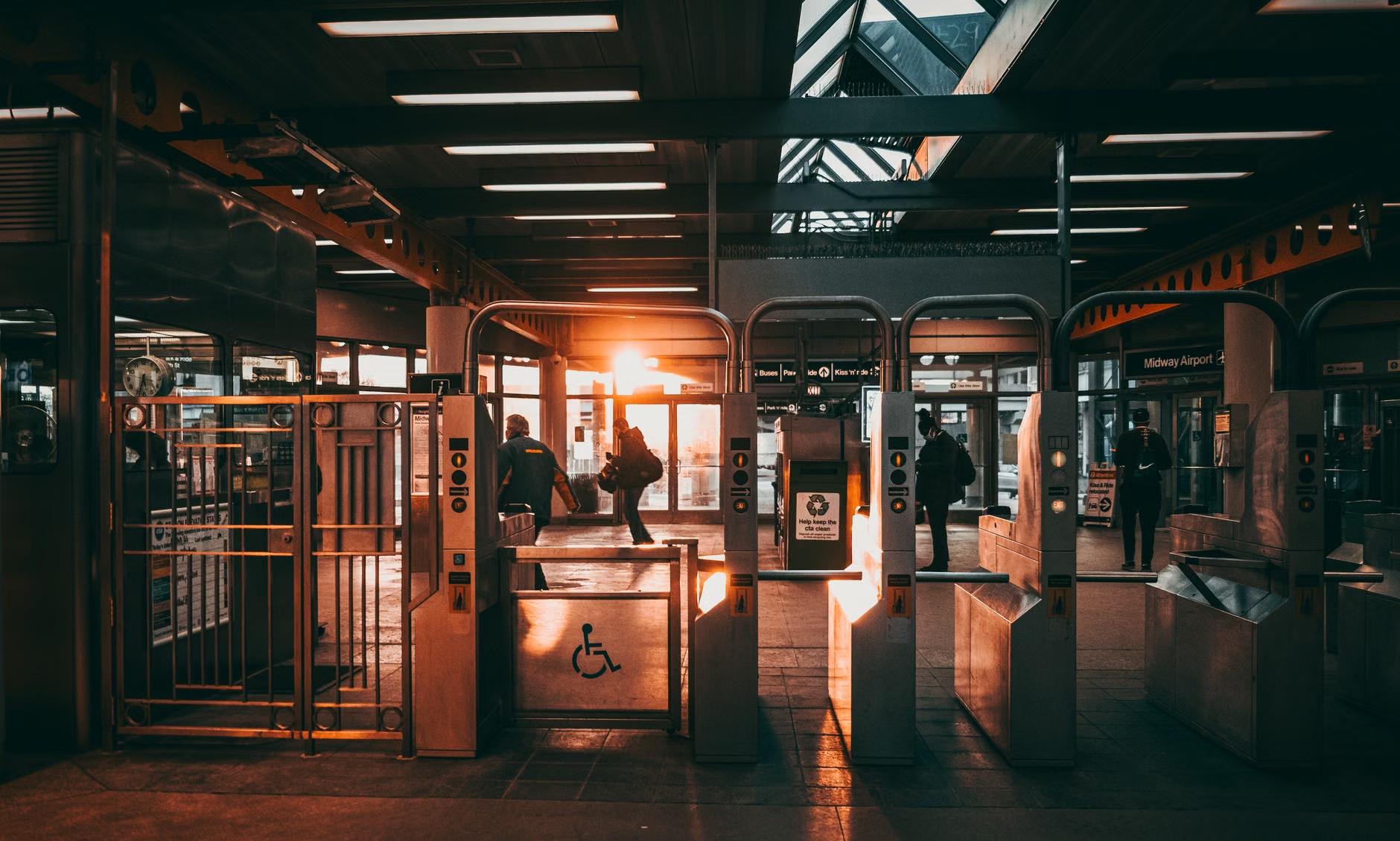
When moving through a station, always stick to the center of the path. Edges of platforms and walkways in historical areas are often where the most wear and tear occurs, leading to uneven surfaces. If you encounter a steep incline, do not hesitate to ask for a station staff member to assist. It is not an imposition; it is a standard part of their duty to ensure passenger safety.
The Importance of Rest Periods
Stamina is not a fixed commodity; it fluctuates based on humidity, temperature, and altitude. Even if you feel energetic, plan for a “seated rest” every 45 minutes of movement. In rural areas, benches may be made of cold stone or iron, which can be uncomfortable for long periods. Carrying a lightweight, foldable seat cushion can make a significant difference in your ability to wait comfortably for a connection.
Health Considerations and Preventive Care
Travel inherently disrupts your daily routine, which can impact your health management. For those taking daily medications, the change in time zones or simple disruption of a schedule can lead to missed doses. Organize your medications in a clear, labeled container that is easily accessible in your carry-on luggage—never in your checked bag. Additionally, keep a list of your current medications, dosages, and any allergies in your wallet, translated into the local language if you are traveling internationally.
Staying Hydrated and Nourished
Rural train depots are notoriously lacking in healthy food options, often relying on vending machines or small kiosks with limited stock. Relying on these sources can lead to fluctuations in blood sugar or dehydration, especially in older adults who may have a diminished thirst response. Always pack a “travel emergency kit” containing:
- Hydration: A reusable water bottle that you can refill.
- Nutrition: Low-sodium snacks such as nuts, dried fruit, or protein bars that do not require refrigeration.
- Comfort: A light scarf or layer, as historical buildings often have poor climate control and can be drafty.

The Hidden Variables: What Most Travelers Overlook
One of the most overlooked variables in rural rail travel is the “last-mile” connectivity. You might arrive at a beautiful, perfectly accessible station, only to find that the village center is two miles away up a steep hill with no sidewalk. Before finalizing your destination, use satellite map views to trace the path from the station to your final destination. Look for continuous pavement and, if possible, use the “street view” feature to check for significant inclines or missing pedestrian infrastructure.
Unexpected Trade-offs
Choosing a destination for its historical appeal often means choosing a location that lacks modern medical infrastructure. If you have a chronic condition, investigate the proximity of the nearest urgent care center or pharmacy before you depart. This is not to encourage anxiety, but to provide the peace of mind that comes with preparation. Knowing that a pharmacy is just a ten-minute drive away allows you to relax and enjoy the scenery rather than worrying about “what if” scenarios.
A Practical Framework for Your Next Journey
To summarize, your approach to visiting historical train depots should be defined by three principles: Verification, Pacing, and Preparation. By verifying the accessibility of the station, pacing your movement to conserve energy, and preparing for the lack of modern conveniences, you can enjoy the unique historical value of these sites without compromising your safety or comfort.
Remember that the goal of travel is enrichment. If a particular station appears too difficult to navigate, there is no shame in choosing a different route or a more accessible destination. The railway network is vast; there are hundreds of historical depots that have been thoughtfully modernized to welcome visitors of all ages. Focus on those that prioritize your safety, and your journey will be as comfortable as it is memorable.
Official Resources for Travel Accessibility
For detailed information on station accessibility, always consult the official operator’s website. For example, in the UK, the National Rail Enquiries website (nationalrail.co.uk) provides specific “Station Information” pages that detail step-free access, boarding ramps, and staff availability. In the United States, the Amtrak website (amtrak.com) offers a dedicated “Accessible Travel Services” section that outlines the specific features of each station. Always check these official portals rather than third-party travel blogs, as policies regarding accessibility equipment can change based on station renovations or staffing shifts.
Frequently Asked Questions (FAQ)
1. How can I ensure that there will be staff available to help me board the train at a small, rural station?
Most major rail networks require you to book “Passenger Assistance” at least 24 to 48 hours in advance. When you book your ticket online, look for an “Assistance” or “Special Requirements” checkbox. If you are booking over the phone, explicitly state your mobility needs. The rail operator will then coordinate with the staff at both your departure and arrival stations to ensure a ramp or platform lift is ready when you arrive.
2. What should I do if I arrive at a station and find the elevator is out of service?
If you encounter a broken elevator, do not attempt to navigate stairs with heavy luggage. Immediately locate a station employee or use the emergency help point, which is typically found near the ticket office or on the platform. If the station is unstaffed, call the customer service number provided on your ticket or the station’s information board. They are obligated to provide an alternative, such as a taxi to the nearest accessible station or a manual transfer service.
3. Are historical train depots generally safe for travelers with limited stamina?
They can be, provided you manage your pace. Many historical stations have long platforms that require a significant amount of walking. If you have limited stamina, treat the station like a large airport: arrive early, locate the seating area immediately, and do not feel pressured to rush. If you find the distance between the entrance and the platform too great, request a station wheelchair or staff assistance in advance, which is a service provided by most national rail carriers for travelers who need support during the boarding process.
Disclaimer: This article is for informational purposes only and does not constitute professional travel or medical advice. Always consult with your healthcare provider regarding your physical readiness for travel and check official transit authority websites for the most current service updates and accessibility features.