- Consistency over Intensity: Gentle, daily chest-opening stretches are more effective for long-term postural health than infrequent, strenuous workouts.
- Chair Selection Matters: Always use a stable, non-rolling chair without armrests that interfere with your range of motion to ensure safety.
- Listen to Your Body: A good stretch should feel like gentle tension, never sharp pain; if you experience discomfort, stop immediately and adjust your position.
Maintaining an upright posture is not merely a matter of aesthetics; it is a fundamental pillar of physical health as we age. For many adults between the ages of 60 and 80, the natural tendency toward a forward-leaning posture—often referred to as thoracic kyphosis—can lead to decreased lung capacity, shoulder tension, and reduced mobility in daily tasks like reaching for groceries or driving safely.
This guide focuses on seated chest-openers: a safe, accessible, and highly effective way to counteract the “slouch” that often develops from hours spent sitting at computers, reading, or watching television. By systematically opening the chest muscles (the pectorals), you can help your shoulders return to a natural, neutral position, thereby improving your breathing efficiency and overall comfort.
Why Chest Tightness Occurs and How It Affects Your Daily Life
The human body is highly adaptive. When we spend significant portions of our day in a seated position with our shoulders rounded forward—to hold a book, use a tablet, or eat—the pectoral muscles in the front of the chest naturally shorten and tighten. Over months and years, this shortening becomes a “new normal.”
When these muscles are chronically tight, they physically pull the shoulders forward, which forces the upper back muscles to overstretch and weaken. This creates a cycle of discomfort. In real-life terms, this manifests as:
- Reduced reach: Difficulty reaching items on high shelves because the shoulder joint is restricted by the tight chest.
- Breathing restriction: A tight chest can literally limit how much your rib cage can expand, which makes deep breathing more difficult during physical activity.
- Neck strain: To compensate for a rounded upper back, the neck often juts forward, leading to tension headaches and stiffness.
Understanding that this is a mechanical issue—not a permanent state of aging—is the first step toward correcting it. You are not “losing your height”; you are simply allowing your muscles to become overly accustomed to a specific, restrictive shape.

Essential Safety Protocols Before You Begin
Before initiating any new movement routine, you must ensure your environment is safe. For older adults, the primary risk during stretching is loss of balance or overstretching a cold muscle.
- Choose the right chair: Use a sturdy, armless dining chair. Avoid office chairs with wheels or chairs that are overly cushioned, as these do not provide the necessary stability.
- Surface stability: Place your chair on a flat, non-slip surface, such as a rug or a level floor. Avoid placing the chair on a slick surface where it could slide backward.
- Warm-up: Never stretch “cold.” Before performing these movements, spend three to five minutes moving your body. This could be a light walk around the house, marching in place, or gentle shoulder rolls.
- The “No-Pain” Rule: Stretching should create a sensation of pulling or mild tension. If you feel a sharp, stabbing, or pinching pain, you have gone too far. Back off immediately.
Core Seated Chest-Opening Techniques
The following exercises are designed to be performed in a seated position, making them ideal for anyone with balance concerns or limited stamina.
1. The Chair-Back Extension
This exercise uses the furniture you already have to provide a gentle anchor for your stretch.
- Step 1: Sit at the edge of your chair, feet flat on the floor, hips-width apart.
- Step 2: Reach your arms behind you and grasp the top or the side rails of the chair back.
- Step 3: Keep your spine tall and slowly begin to pull your shoulder blades toward each other.
- Step 4: Gently lift your chest toward the ceiling. Do not arch your lower back; focus the movement in the upper chest.
- Step 5: Hold for 15–30 seconds, breathing deeply into your chest.
2. The “Doorway” Seated Stretch
If you are seated near a wall or a doorway, you can use the structure to deepen the stretch safely.
- Step 1: Sit close to a wall, facing sideways.
- Step 2: Place your forearm against the wall with your elbow at shoulder height.
- Step 3: Gently lean your body slightly forward and away from your arm until you feel a comfortable stretch across your chest.
- Step 4: Repeat on the other side.
Comparison of Stretching Modalities
When choosing how to integrate these movements into your day, consider the following table. Not every method is right for every situation.
| Method | Best For | Intensity | Required Equipment |
|---|---|---|---|
| Chair-Back Hold | General tightness | Moderate | Sturdy, armless chair |
| Wall-Assisted Stretch | Deep, focused stretch | High | Wall or door frame |
| Towel-Assisted Reach | Limited mobility | Low | Small hand towel |
If you have limited mobility in your shoulders, start with the Towel-Assisted Reach. By holding a small towel between your hands in front of you and slowly raising it overhead, you can gauge your range of motion without forcing the joint into a position that causes discomfort. As your flexibility improves over several weeks, you can transition to the more intensive Chair-Back Hold.
Advanced Considerations: The Role of Breathing
A frequently overlooked element of chest-opening is the role of the diaphragm. When the chest is tight, we tend to breathe shallowly into the upper lungs. This is less efficient and can increase feelings of fatigue. While performing these stretches, practice “diaphragmatic breathing.”
Place one hand on your belly and one on your chest. As you inhale through your nose, aim to move the hand on your belly more than the hand on your chest. This ensures that you are utilizing the full capacity of your lungs, which complements the physical opening of the chest muscles. Combining deep breathing with these stretches provides a dual benefit: it releases the physical tension in the muscles and calms the nervous system.
Integrating Posture Habits into Daily Life
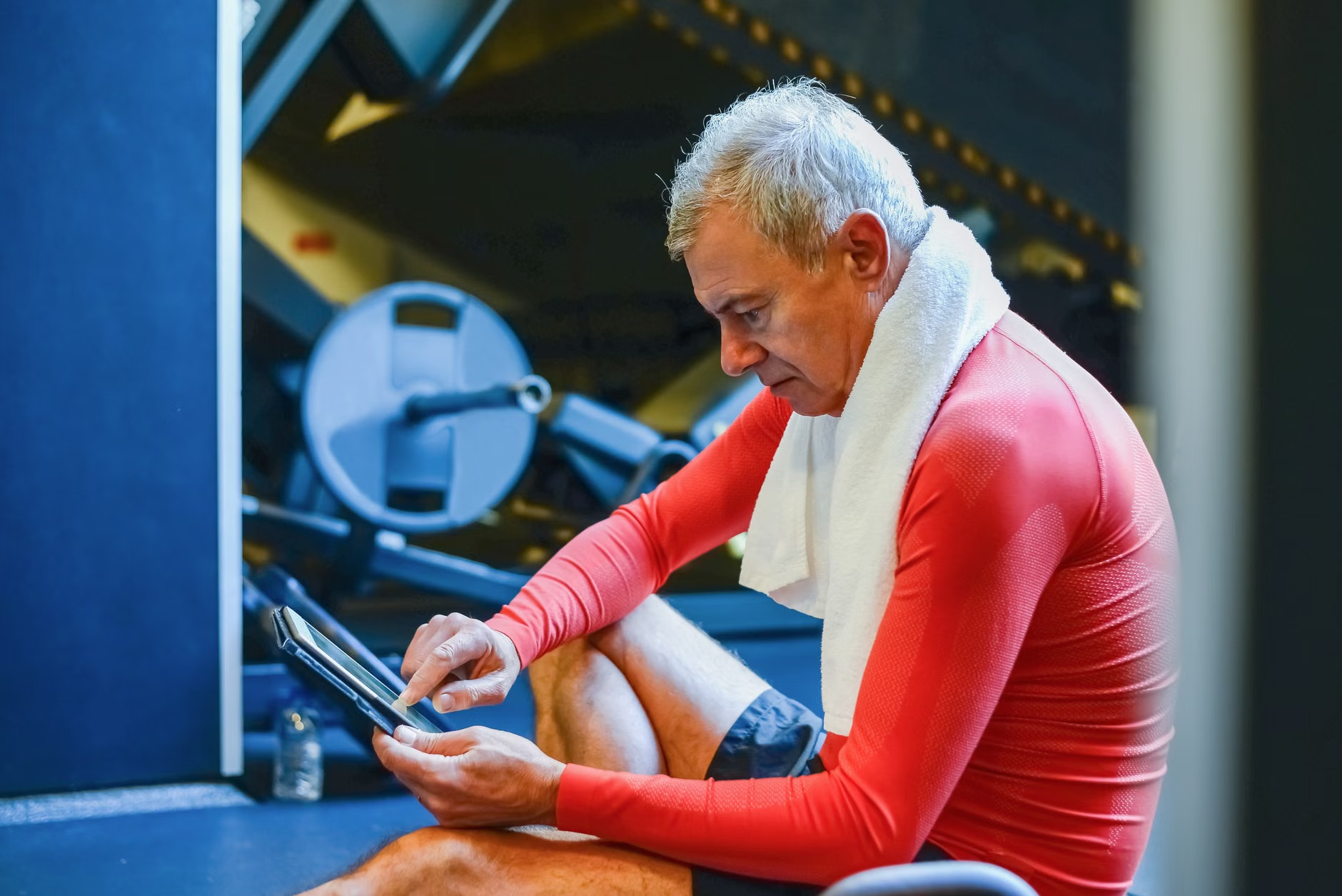
Stretching for ten minutes is helpful, but the rest of your day determines the long-term outcome. If you spend the remaining 23 hours and 50 minutes of your day in a slumped position, your progress will be minimal. Consider these “micro-habits” to maintain your posture:
- The 30-Minute Rule: If you are reading or using a computer, set a timer. Every 30 minutes, stand up or sit tall, roll your shoulders back five times, and take three deep breaths.
- Visual Cues: Place a small sticker or a sticky note on your computer screen or your TV remote that says “Shoulders Back.” When you see it, use it as a trigger to adjust your posture.
- Supportive Seating: If your chair is deep, place a small pillow or a rolled-up towel at the base of your spine. This encourages a natural curve in the lower back, which makes it much easier to keep your chest open.
When to Seek Professional Guidance
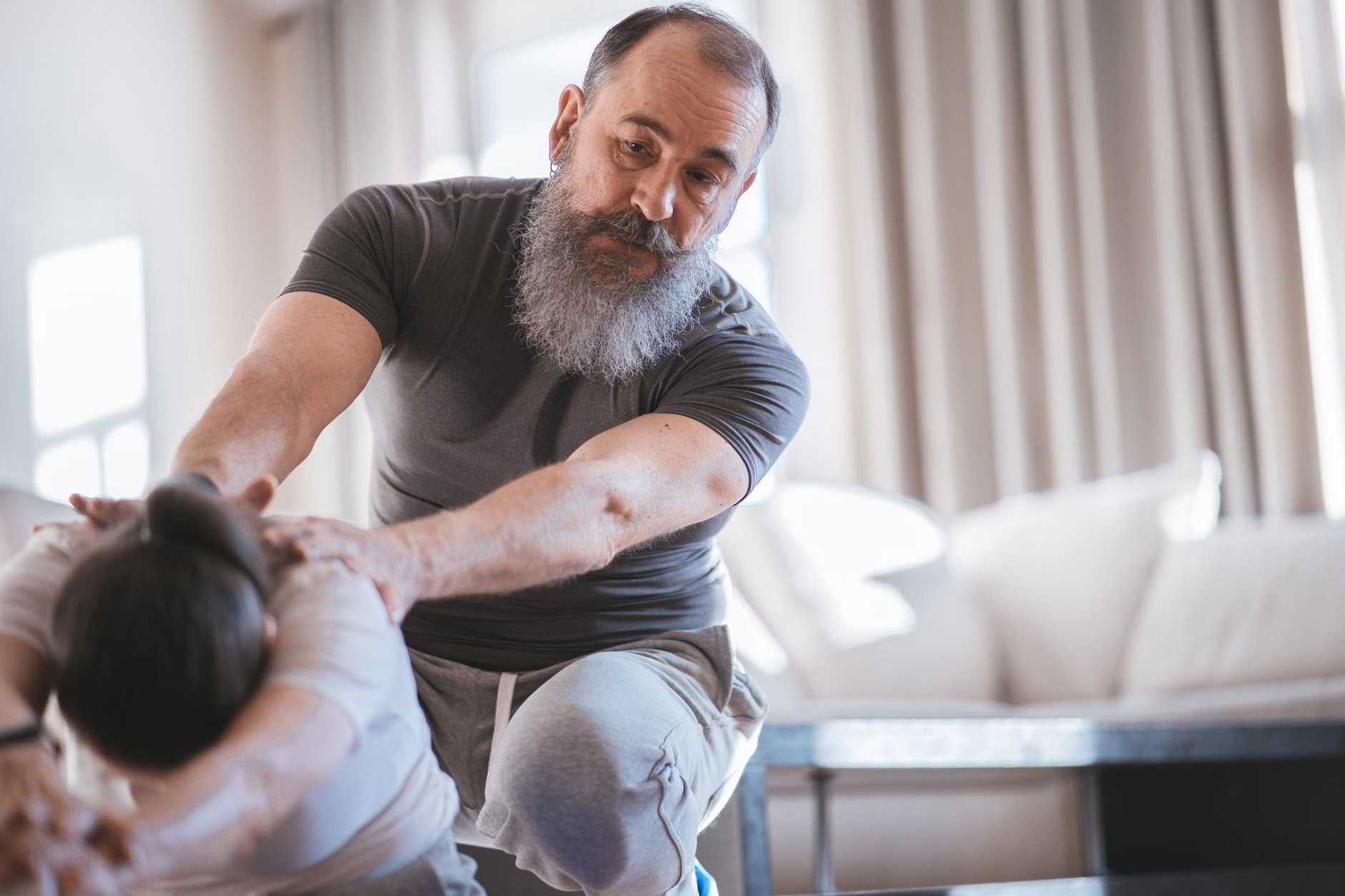
While these exercises are safe for the general population, there are specific scenarios where you should consult a physical therapist or your primary care physician before beginning:
- History of Shoulder Injury: If you have had rotator cuff surgery, recurring shoulder dislocations, or chronic inflammation (bursitis), seek professional clearance.
- Persistent Numbness: If you feel tingling or numbness in your hands or arms during these stretches, stop immediately. This could indicate a nerve impingement in the neck or shoulder that requires clinical evaluation.
- Significant Kyphosis: If you have a noticeable, rigid curve in your upper back that does not change when you consciously try to stand up straight, this may be structural. A physical therapist can provide specialized exercises that are safer and more effective for your specific anatomy.
To prepare for an appointment with a physical therapist, bring a list of your daily activities that cause discomfort. For example, note if the pain occurs when you are driving, sleeping, or reaching for items. A clear “symptom log” helps the professional understand your movement patterns, allowing them to tailor a program that addresses your specific needs rather than providing a generic list of movements.
The Long-Term Perspective on Postural Health
Consistency is the secret to success. You are likely not looking for a “quick fix” but rather a sustainable way to maintain your independence and comfort. The goal of these chest-openers is to ensure that your body remains a flexible, capable vessel for your daily activities. By dedicating just a few minutes each morning or evening to these simple movements, you are investing in your long-term mobility.
Remember that posture is a dynamic state. It is not about holding a “perfect” rigid position, but rather about having the flexibility to move, reach, and breathe without restriction. Celebrate small victories: finding it easier to put on a jacket, reaching a kitchen cabinet with less effort, or simply feeling less tired at the end of the day. These are the real-world indicators that your preventive routine is working.
As you incorporate these habits, keep an eye on your progress. If you find that the stretches are becoming too easy, you can increase the duration of the hold or the frequency of your sessions. Conversely, if you feel particularly stiff on a certain day—perhaps due to a change in routine or weather—do not hesitate to reduce the intensity. Your body’s needs will fluctuate, and responding to those fluctuations with kindness and patience is the most effective approach to lifelong health.
Additional Resources for Continued Learning
For those interested in further exploring safe movement, the following organizations provide excellent evidence-based guidance for seniors:
- National Institute on Aging (NIA): Exercise and Physical Activity – Provides comprehensive guides on the four types of exercise (endurance, strength, balance, and flexibility).
- Physiopedia – A reliable source for understanding musculoskeletal conditions and recovery, useful for those who want to understand the “why” behind specific movements.
Frequently Asked Questions
1. How long does it take to see improvements in posture?
Most individuals notice a reduction in muscle tension within the first week of consistent daily practice. However, significant, visible changes in resting posture typically take four to eight weeks of regular, gentle stretching to allow the connective tissues to lengthen and the muscles to adapt to a new range of motion.
2. Can I do these stretches if I have osteoporosis?
If you have been diagnosed with osteoporosis, it is crucial to avoid aggressive movements that involve extreme spinal flexion (bending forward) or rotation. These seated chest-openers are generally considered safe because they focus on extension (straightening) rather than flexion. However, always consult your physician or a specialized physical therapist to ensure these movements are safe for your specific bone density profile.
3. Is it better to stretch in the morning or the evening?
There is no “best” time, but consistency is key. Many people prefer the morning to help “reset” their posture for the day, while others prefer the evening to release the tension accumulated from daily activities. Choose the time of day when you are most likely to remember to perform the exercises and when you can do them without being rushed.
Disclaimer: This article is for informational purposes only and does not constitute medical advice. Always consult with a healthcare professional before starting any new exercise program, especially if you have existing health conditions or concerns.