- Drumming circles provide a low-impact, accessible way to improve motor coordination and cognitive function through rhythmic synchronization.
- Participation in group drumming is linked to reduced stress levels and increased social bonding, helping to combat feelings of isolation.
- You do not need prior musical experience to benefit; the focus is on participation and collective expression rather than performance.
Drumming circles are more than just a musical activity; they are a structured form of group engagement that combines physical movement, cognitive focus, and social interaction. For adults aged 60 to 80, this hobby offers a unique opportunity to maintain brain health and physical dexterity while fostering a sense of community. Unlike structured music lessons that emphasize technical perfection, a drumming circle focuses on the “process” of creating sound together, making it an inclusive and low-pressure environment for all skill levels.
Understanding the Mechanism: How Rhythmic Stimulation Affects the Brain
The human brain is naturally wired to respond to rhythm. When you participate in a drumming circle, you are engaging in a multi-sensory experience that requires you to listen, anticipate, and respond to the beats of others. This process is known as “rhythmic entrainment.”
Scientific research into music therapy suggests that the act of drumming can stimulate the production of endorphins—the body’s natural “feel-good” chemicals. For older adults, this is particularly beneficial as it provides an alternative, non-pharmacological way to manage stress and anxiety. Furthermore, the need to maintain a steady beat requires focused attention, which can serve as a form of cognitive training. By coordinating your hands to strike a drum in time with a group, you are engaging the motor cortex, the auditory cortex, and the frontal lobes simultaneously.
The Cognitive and Physical Intersection
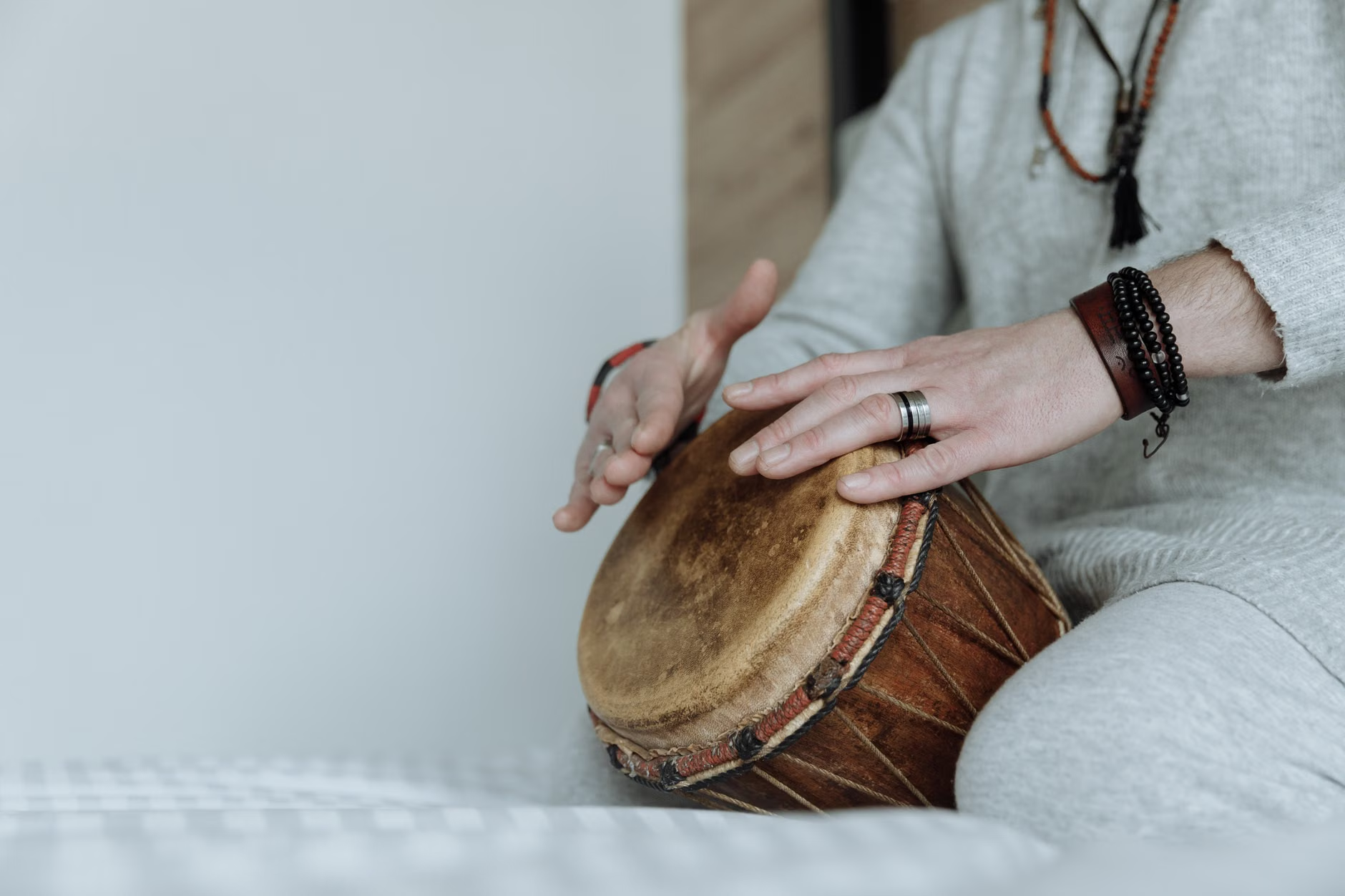
One of the primary benefits of drumming for the 60-80 age demographic is the preservation of fine and gross motor skills. Holding a mallet or striking a drum with your palm requires precise control. Over time, consistent participation can help improve hand-eye coordination and grip strength. Because the activity is performed in a seated position, it is highly accessible for those who may have limited mobility or balance issues, allowing for a full-body workout without the strain of high-impact exercises.
Why Join a Drumming Circle? Benefits Beyond the Music
When considering a new hobby, it is important to weigh the social and psychological impact alongside the physical benefits. Drumming circles are inherently collaborative. In a world where digital isolation can be a concern for older adults, these circles provide a tangible, face-to-face social outlet.
Combatting Social Isolation
Loneliness is a significant health risk for seniors, as it is linked to higher rates of depression and cardiovascular disease. A drum circle creates a shared experience where every participant has an equal role. Whether you are playing a simple beat or a complex rhythm, your contribution is essential to the group’s overall sound. This sense of belonging is a powerful antidote to social withdrawal.
Stress Reduction and Cortisol Management
Chronic stress manifests in various ways, often affecting blood pressure and sleep quality. Preliminary studies on group drumming have shown that it can lower cortisol levels—the primary stress hormone—more effectively than many other passive relaxation activities. By channeling energy into the drum, participants often find that they can release pent-up emotions in a safe and structured way.
| Feature | Drumming Circle | Solo Musical Practice |
|---|---|---|
| Social Interaction | High (Group-focused) | Low (Self-focused) |
| Skill Requirement | None (Inclusive) | Moderate to High |
| Stress Relief | High (Co-regulation) | Moderate (Self-regulation) |
| Physical Effort | Low-Moderate (Seated) | Varies by Instrument |
The comparison table above illustrates why many older adults prefer drumming circles over traditional solo music lessons. If your goal is to expand your social network and reduce stress in a low-barrier setting, a community drumming circle is likely the more suitable choice.
Practical Steps to Getting Started
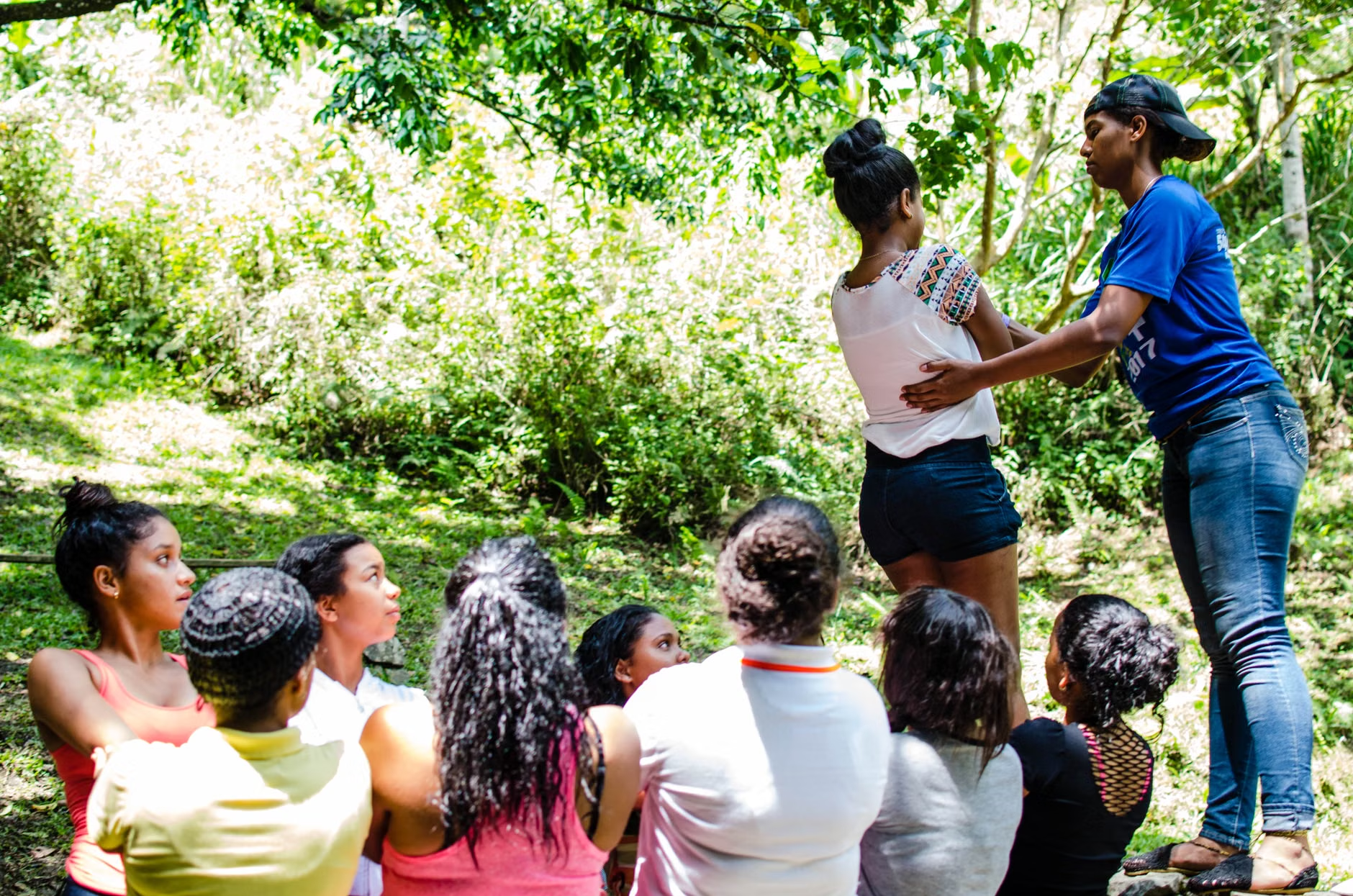
If you are interested in joining a drumming circle, you do not need to purchase expensive equipment or have a background in music. Most facilitators provide the instruments and guide the group through simple, repetitive patterns.
Finding a Group
Start by checking local community centers, senior centers, or specialized music therapy groups in your area. Many organizations offer “introductory” sessions that require no prior experience. When inquiring, ask the following questions:
- Is the environment accessible? Ensure the venue has seating with back support and is wheelchair accessible if needed.
- Do I need to bring an instrument? Most circles provide loaner drums, which is a great way to test the hobby without upfront costs.
- What is the typical group size? Smaller groups (10-15 people) often provide a more intimate and less intimidating experience for newcomers.
What to Expect in Your First Session
A typical session usually lasts between 45 and 60 minutes. It begins with a warm-up, where the facilitator leads simple breathing and stretching exercises to relax the shoulders and wrists. Then, the facilitator introduces a basic rhythm. The group will play this together until it feels comfortable. As the session progresses, the facilitator might introduce variations or encourage participants to add their own “flair” to the beat. Remember: There is no wrong way to play in a drum circle, as long as you are participating in the collective rhythm.
Safety and Stamina Considerations
While drumming is low-impact, it is important to listen to your body, especially if you have arthritis or other joint conditions. Here are a few practical rules for ensuring a comfortable experience:
- Posture Matters: Always sit with your feet flat on the floor and your back supported. If the drum is too low, use a cushion to raise your seating position to avoid straining your lower back.
- Grip Strength: If you find it difficult to hold a mallet, look for instruments that can be played with your palms, such as hand drums or frame drums. Avoid gripping mallets too tightly, as this can lead to hand fatigue.
- Frequency: Start with once-a-week sessions. Allow your body time to adapt to the repetitive movements, especially in your wrists and forearms.
- Hydration: Just like any other form of light exercise, ensure you drink water before and after the session.
If you have specific concerns regarding joint pain or mobility, it is advisable to consult with your physical therapist or primary care physician before starting a new, recurring physical activity. They can provide specific advice on which hand positions or seating arrangements will be most comfortable for your unique situation.
The Unexpected Trade-offs: What to Watch For
While the benefits are significant, it is important to be aware of the “sensory load” of a drum circle. For individuals with hearing sensitivities or tinnitus, the volume of a group of drums can be overwhelming. If this is a concern for you, look for circles that use softer-sounding instruments like frame drums or shakers, or consider using high-fidelity earplugs that reduce volume without distorting sound quality.
Additionally, consistency is key to reaping the cognitive benefits. While a single session is enjoyable, the brain-boosting effects are most pronounced when the activity becomes a regular part of your routine. Treat your drumming session with the same importance as a doctor’s appointment or a social commitment with a friend.
Conclusion: Embracing the Rhythm
Drumming circles offer a unique, evidence-based approach to staying active and connected in your 60s, 70s, and beyond. By focusing on the rhythm rather than the result, you open yourself up to a world of creative expression and social connection. Whether you are looking for a way to sharpen your focus or simply want to meet new people in your community, the drum circle provides a welcoming and safe space to do so.
Take the first step today by searching for local community drum circles in your area. You may be surprised at how quickly the rhythm becomes a natural part of your life, providing not just a hobby, but a vibrant, communal experience that supports your overall wellbeing.
Frequently Asked Questions (FAQ)
1. Do I need to have musical talent to join a drum circle?
Absolutely not. Drumming circles are designed for everyone, regardless of musical background. The facilitator guides the group, and the focus is on collective participation rather than individual performance or technical skill.
2. Is drumming physically demanding?
It is a low-impact activity that can be performed entirely while seated. However, it does involve repetitive movement of the arms and wrists. If you have concerns about joint pain, start with shorter sessions and ensure your posture is supported to prevent fatigue.
3. How do I find a reputable drumming circle for seniors?
Start by checking your local community or senior center. You can also search online for “community drum circle near me” or “therapeutic drumming programs.” Look for groups that emphasize “recreational” or “community” drumming, as these are generally more inclusive and less focused on performance.
Note: This article is for informational purposes only and does not constitute medical advice. Always consult with your healthcare provider before starting a new exercise program.
Official Resources for Further Reading: