- Verify Gangway Specs: Not all river cruise ships use the same boarding infrastructure; always confirm the steepness and width of gangways before booking.
- Communicate Mobility Needs Early: Inform the cruise line of specific mobility aids (canes, walkers, wheelchairs) at least 60 days before departure to ensure staff support.
- Prioritize Docking Locations: Large river cruise ports often have varying tidal conditions that affect gangway accessibility; opt for ships with “smart docking” systems or ground-level access.
River cruising is often celebrated for its intimacy and the convenience of waking up in a new city every morning. However, for travelers aged 60 to 80, the physical act of boarding and disembarking—the transition from the riverbank to the ship—can be a source of anxiety. Unlike massive ocean liners that dock at highly standardized, modern concrete terminals, river ships often dock in historic city centers where infrastructure varies wildly. Navigating these boarding points requires advance planning, an understanding of ship design, and clear communication with cruise operators.
Understanding the Mechanics of River Cruise Boarding
To navigate river cruise boarding successfully, you must first understand that river ships are constrained by the dimensions of the rivers and the locks they navigate. This means space is at a premium. The gangway—the bridge between the ship and the shore—is the most critical piece of equipment for your mobility.
In ideal conditions, a gangway is a wide, flat, or gently sloping ramp with sturdy handrails on both sides. In reality, river levels fluctuate. If the water is high, the gangway might slope upward; if it is low, it might slope downward. While crews are trained to manage these transitions, the steepness can change throughout the day.
The “Tidal and Infrastructure” Factor
When you are researching a cruise, look beyond the ship’s amenities. Investigate the ports of call. Historic ports like those along the Rhine or the Danube often feature cobbled streets and uneven riverbanks. These surfaces can be challenging if you have balance issues or use a mobility aid. A “dock” might be a simple concrete slab, a floating pontoon, or even a grassy bank with a temporary metal bridge.
Common Mistake: Many travelers assume that because a cruise line advertises “wheelchair accessibility,” every port stop will be fully accessible. In truth, while the ship may be accessible, the local infrastructure at a medieval port may not be. Always ask the cruise line: “Are there any ports on this itinerary where the gangway angle is typically too steep for a walker or wheelchair?”
Pre-Trip Preparation: Communicating Your Mobility Profile
The most effective way to ensure a smooth boarding experience is to create a “Mobility Profile” and share it with your travel agent or the cruise line’s accessibility department. Do not wait until you arrive at the dock to reveal that you have limited stamina or require assistance.
| Mobility Level | Key Boarding Requirement | Action Item |
|---|---|---|
| Independent | Sturdy handrails; non-slip surfaces. | Confirm ship has elevator access to all decks. |
| Assisted (Cane/Walker) | Level entry; assistance with luggage. | Request priority boarding to avoid crowds. |
| Wheelchair/Scooter | Wide gangways; lift or ramp access. | Verify ship-specific deck plans for lift width. |
The table above serves as a guide for your conversation with the cruise operator. If you fall into the “Assisted” or “Wheelchair” categories, you should specifically ask if the ship uses an internal elevator that meets the gangway level. Some smaller river ships require you to walk up a few steps to the main deck before reaching an elevator; this is a critical detail to verify.
Practical Strategies for Boarding Day
Boarding day is often the most hectic part of the cruise. Managing your stamina is key to ensuring you don’t start the trip feeling exhausted. If you have concerns about your mobility, consider these three strategies:
1. Opt for Priority Boarding
Most river cruise lines offer early boarding for guests who require extra time or assistance. By arriving at the earlier end of the boarding window, you avoid the rush of other passengers. This gives you time to navigate the gangway at your own pace without feeling pressured by the crowd behind you.
2. The “Luggage Strategy”
Never attempt to carry your own heavy luggage onto the ship. River cruise gangways can be narrow. Use the porters provided at the pier. If you are traveling with a walker or a collapsible wheelchair, ensure it is clearly labeled. Ask the crew to assist you in transitioning your mobility device from the dock to the ship’s lobby.
3. Assessing the Gangway Before You Step
When you reach the dock, stop and observe the gangway for a moment. Look at the incline. If it appears steeper than you are comfortable with, speak to the crew member stationed at the entrance. They are trained to assist. They can often adjust the gangway, add a secondary support, or provide a physical arm to hold onto. Do not hesitate to ask for a “slow-pace” boarding.
What to Do When Infrastructure Fails
Despite the best planning, there are times when the reality of a river port does not meet expectations. Perhaps the river is at an extreme flood stage, or the docking area is undergoing construction. In these instances, cruise lines have contingency plans. They may move the docking location to a different part of the city, or they may use a shuttle bus to bridge the gap between the ship and a more accessible area.
If you encounter a situation where the gangway is inaccessible, do not attempt to force it. Your safety is paramount. Request a supervisor. Ask: “Is there an alternative way to board, or is there a shuttle service provided for guests with mobility challenges?” Being proactive and calm in these situations usually results in the crew finding a solution, such as using a service door or a different deck entrance.
Daily Wellbeing: Managing Stamina During Shore Excursions
Boarding isn’t just about the first day; it’s about every time you leave and return to the ship. River cruises often involve multiple ports, and the repetition of walking on and off the ship can add up. To maintain your stamina, follow these guidelines:
- Budget Your Energy: If you have a long day of walking planned in a city, consider skipping the morning shore excursion and staying on the ship to enjoy the views. Use the ship’s elevator to save your legs for the afternoon.
- Hydration and Nutrition: Dehydration is a common cause of fatigue and balance issues. Always carry a water bottle when leaving the ship.
- Monitor Weather Conditions: Rain and humidity can make gangways slippery and increase the physical exertion required to walk. If the weather is poor, ask the cruise director about the accessibility of the pier before heading out.
Choosing the Right River Cruise Line
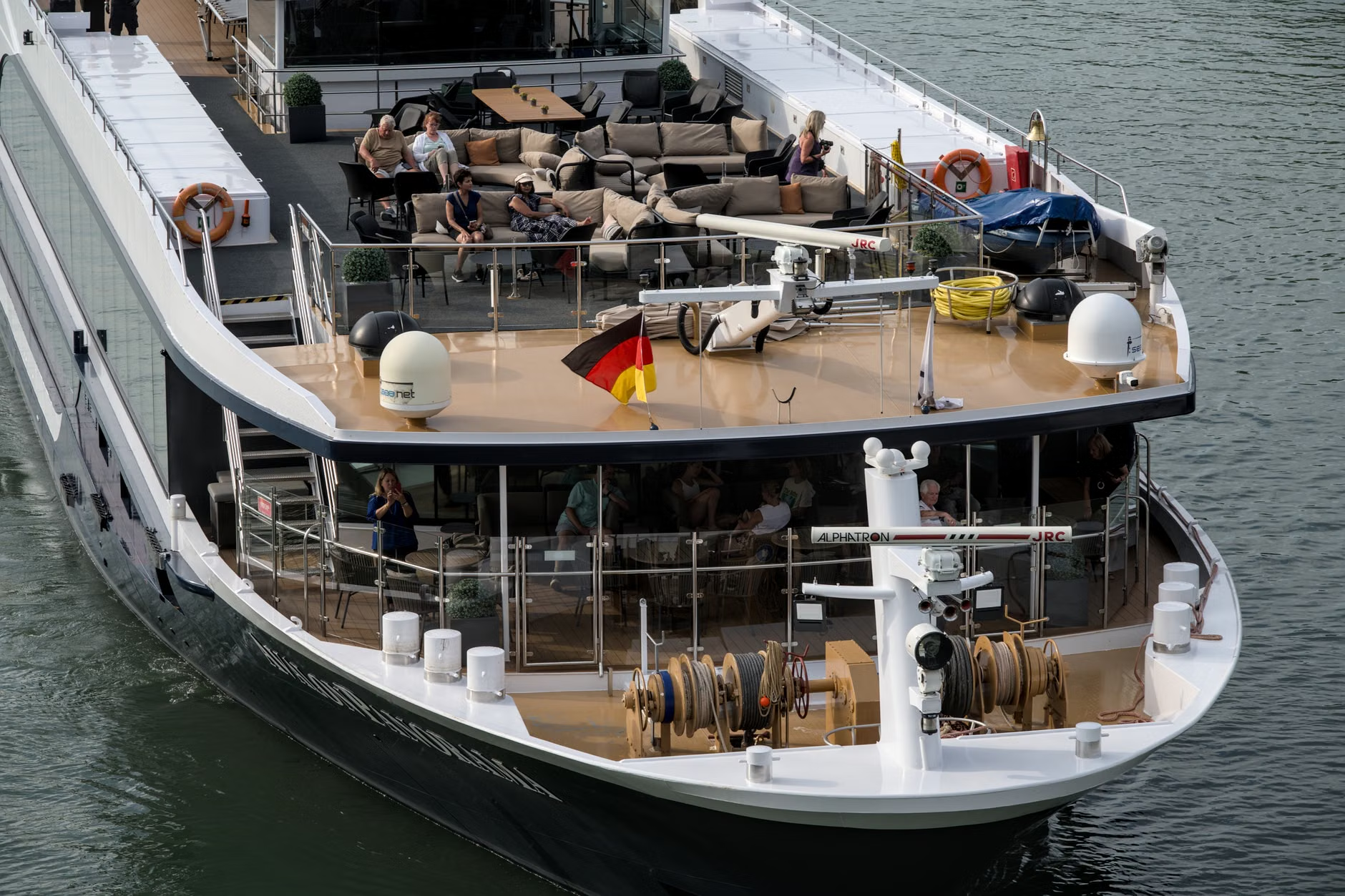
Not all cruise lines are equal when it comes to accessibility. When comparing options, look for lines that emphasize modern, purpose-built ships. Older ships may have narrower hallways, steeper stairs, and limited elevator access. Newer vessels (built within the last 5–8 years) are generally designed with wider gangways and more comprehensive ADA (Americans with Disabilities Act) or equivalent international accessibility standards in mind.
Furthermore, some luxury lines provide a higher crew-to-passenger ratio. This is a significant factor for seniors, as it means there is more staff available to provide personalized assistance during boarding and disembarking. If cost is a factor, consider booking a “mid-tier” line but allocating some of your budget to a travel agent who specializes in accessible travel. They often have firsthand knowledge of which ships and river routes are the most senior-friendly.
The Hidden Variable: Tide and River Flow
One aspect often overlooked is the impact of the seasons on river levels. In spring, melting snow can cause river levels to rise, changing the angle of the gangways daily. In late summer, low water levels may mean the ship docks further away from the city center, requiring longer walks or shuttle transfers. Researching the “typical” water conditions for your travel dates can help you prepare for the level of physical activity required.
Final Thoughts: Taking Control of Your Journey
The key to enjoying a river cruise at any age is to be an informed advocate for your own needs. By researching the ship’s design, communicating your requirements well in advance, and taking advantage of the assistance offered by the crew, you can minimize the physical challenges of boarding. Remember, the journey is meant to be relaxing. If you find yourself feeling overwhelmed by the boarding process, take a breath, pause, and ask for the help you need. The crew is there to ensure your vacation is both safe and enjoyable.
Frequently Asked Questions (FAQ)
1. Are all river cruise ships equipped with elevators?
Most modern river cruise ships have elevators, but they rarely reach every single deck. Typically, they connect the main passenger decks. It is essential to check the specific deck plan of the ship you are considering to ensure the elevator reaches the deck where your cabin is located and the deck from which you will board the ship.
2. Can I bring my own folding wheelchair on a river cruise?
Yes, most cruise lines allow folding wheelchairs. However, you must inform them in advance. You should also ensure that the wheelchair is narrow enough to fit through standard cabin doors (usually 22–24 inches wide, but this varies by ship). Always verify the door width with the cruise line before booking.
3. What should I do if I feel unsafe on a gangway?
Never force yourself to walk on a gangway that feels unsafe. Stop immediately and signal a crew member. They are trained to assist passengers who feel unstable. They may offer a physical arm, suggest waiting for a lower tide, or use a different boarding method. Your safety is their priority, and they will accommodate you if you communicate your concern clearly.
For more information on accessibility standards in travel, you can consult resources such as the Americans with Disabilities Act (ADA) guidelines (for general principles) and the Tourism for All UK organization, which provides excellent insights into accessible travel practices globally. Always check the specific accessibility policy provided by your chosen cruise line on their official website.