- Molybdenum is a trace mineral that acts as a vital cofactor for four essential enzymes in the human body, facilitating the breakdown of toxic sulfites and proteins.
- Most healthy adults can easily meet the recommended daily intake through a varied diet; deficiency is extremely rare and usually linked to genetic conditions or long-term intravenous feeding.
- Excessive intake through high-dose supplements can interfere with copper absorption, making a “food-first” approach the safest and most effective strategy for seniors.
When discussing nutritional health, minerals like calcium, magnesium, and iron often dominate the conversation. However, trace minerals—those required in minuscule amounts—play equally sophisticated roles in maintaining the body’s chemical balance. Molybdenum is one such mineral. For adults aged 60 to 80, understanding the role of molybdenum is less about chasing a deficiency and more about appreciating the quiet efficiency of the body’s detoxification and metabolic processes.
What is Molybdenum and Why Does it Matter?
Molybdenum is a chemical element that functions as a cofactor for enzymes. Think of an enzyme as a specialized worker in a factory; without its necessary tools—the cofactors—the worker cannot perform its job effectively. In the human body, molybdenum is required for the activity of four specific enzymes:
- Sulfite oxidase: Converts toxic sulfites into sulfates, which are then safely excreted by the kidneys. Sulfites are sulfur-containing compounds that can be harmful if they accumulate in tissues.
- Xanthine oxidase: Assists in the breakdown of nucleotides (the building blocks of DNA) into uric acid, which is then eliminated from the body.
- Aldehyde oxidase: Helps metabolize various drugs and toxins, playing a supportive role in the liver’s detoxification pathways.
- Mitochondrial amidoxime reducing component (mARC): A more recently discovered enzyme involved in the metabolism of N-reductive substrates.
For the aging body, these processes remain critical. As we navigate the complexities of long-term medication use or environmental exposures, the body’s ability to process toxins efficiently remains a cornerstone of preventive health. Molybdenum ensures that the “waste management” systems of your cellular chemistry continue to function without interruption.
Dietary Sources: How to Incorporate Molybdenum Naturally
Unlike some minerals that require precise supplementation, molybdenum is widely available in common plant-based foods. The amount of molybdenum in food often depends on the soil conditions where the plant was grown, as plants absorb it directly from the earth. However, you do not need to analyze soil reports to ensure you are getting enough.
If you consume a diet rich in whole, unprocessed foods, you are likely already meeting your body’s requirements. Below is a breakdown of common food groups that provide consistent amounts of molybdenum:
| Food Group | Examples | Why it works for seniors |
|---|---|---|
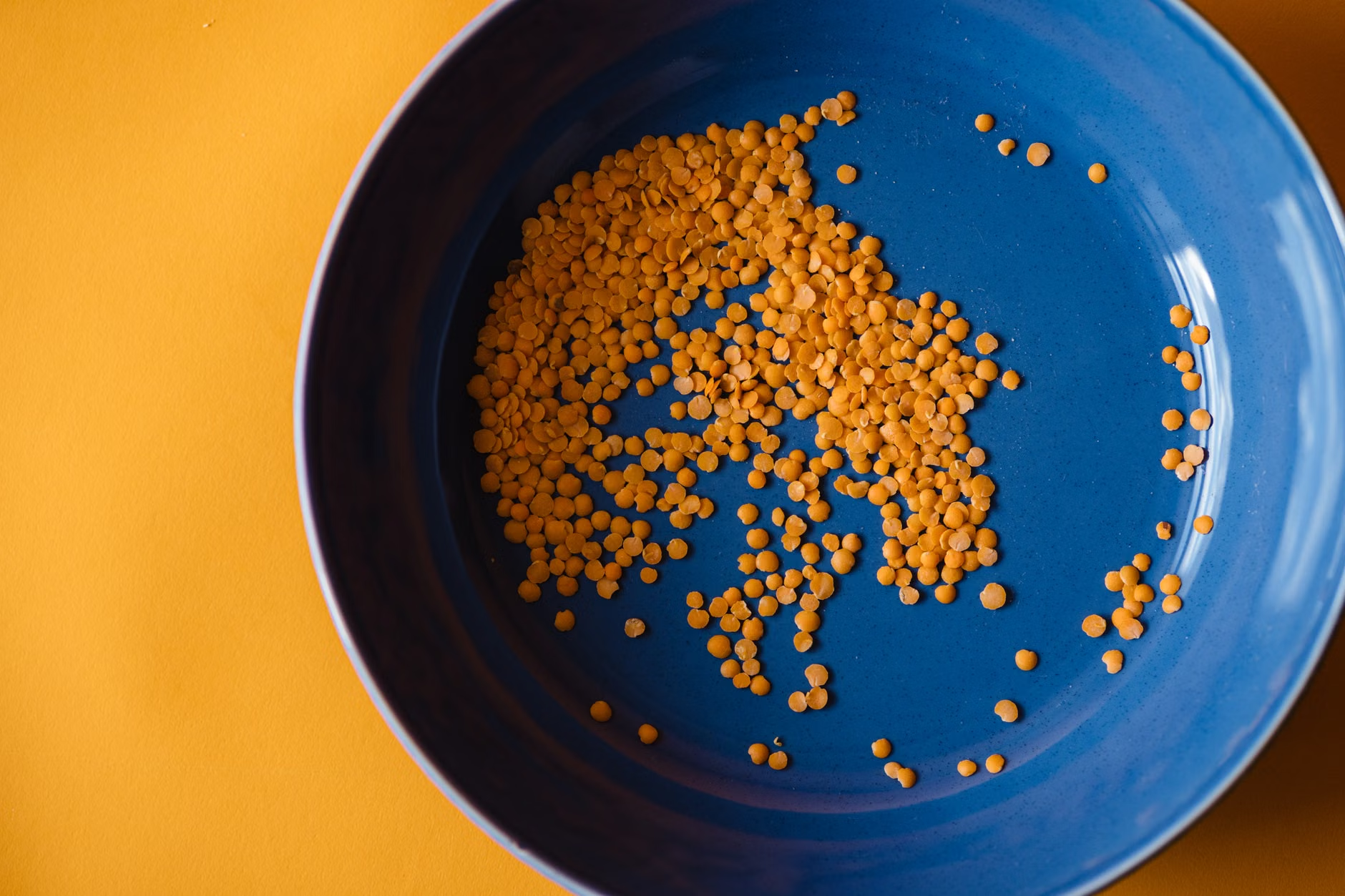
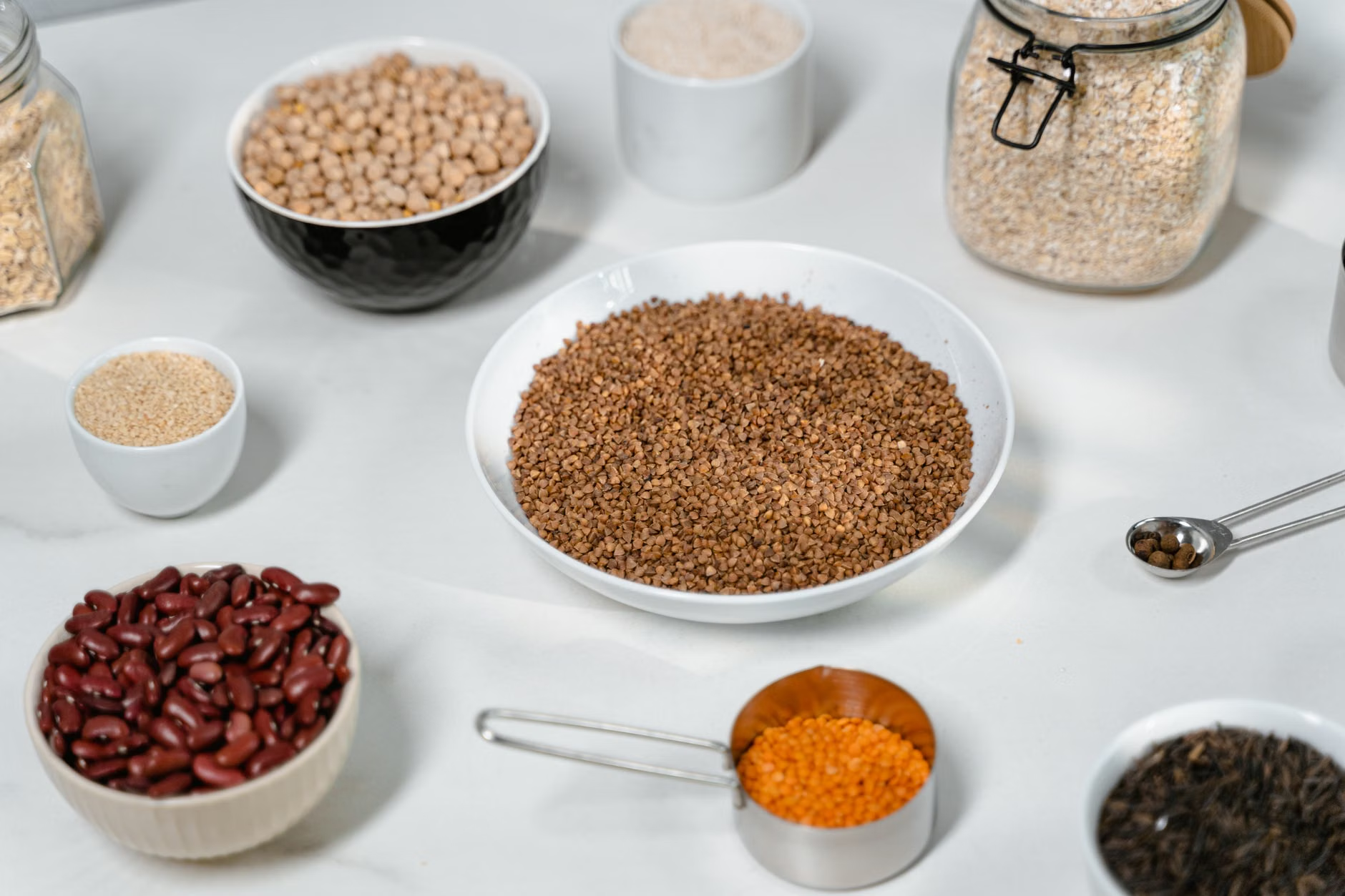
| Legumes | Lentils, chickpeas, black beans | High in fiber and plant-based protein; supports digestive health. |
| Whole Grains | Oats, barley, brown rice | Provides sustained energy and B-vitamins. |
| Nuts and Seeds | Sunflower seeds, almonds, walnuts | Excellent source of healthy fats and minerals. |
| Leafy Greens | Spinach, kale, collard greens | Low-calorie, high-nutrient density; supports bone and eye health. |
Practical Decision Rule: Aim for variety rather than quantity. Because molybdenum is found in such a wide array of foods, a “plate-building” strategy is the most effective approach. Try to include at least one serving of legumes or whole grains in your daily lunch or dinner. This not only secures your trace mineral intake but also provides the fiber necessary for cardiovascular and digestive health, which are common priorities for the 60–80 age bracket.

The Risks of Over-Supplementation
In the world of preventive health, there is a common misconception that “more is better.” With trace minerals, this is often incorrect. Molybdenum is a classic example of a nutrient where the margin between “sufficient” and “potentially problematic” is narrow when using high-dose supplements.
The primary concern with excessive molybdenum intake is its interaction with copper. Research suggests that high levels of molybdenum can inhibit the body’s absorption and utilization of copper. Copper is essential for maintaining healthy blood vessels, nerve function, and immune health—all of which are vital for seniors.
What to Watch For:
- Supplement Caution: Unless a physician has identified a specific deficiency or is managing a rare metabolic disorder, there is rarely a clinical reason for an older adult to take a standalone molybdenum supplement.
- Interaction Awareness: If you are taking a multivitamin, check the label. Most standard multivitamins contain a small, safe amount of molybdenum. However, if you are also taking individual mineral supplements, you risk cumulative intake that could affect copper balance.
If you notice persistent symptoms such as unexplained fatigue, neurological changes, or unusual joint discomfort, do not assume a mineral imbalance. These symptoms are non-specific and can be caused by a wide range of factors, from anemia to thyroid issues. Always consult your primary care provider to run appropriate blood work before adding high-dose mineral supplements to your daily regimen.
When you visit your physician for your annual check-up, you may feel the urge to discuss specific nutrients. To make the most of these appointments, it helps to be prepared with a structured approach to your current health status.
Step-by-Step Preparation for Consultations:
- Inventory your supplements: Bring a list of every vitamin, mineral, or herbal supplement you currently take, including dosages.
- Record your dietary habits: Keep a 3-day food diary before your appointment. Note if you are consuming legumes, whole grains, or nuts regularly.
- List your concerns: If you are worried about “enzyme support” or “detoxification,” explain *why*. Are you concerned about a family history of metabolic issues, or are you feeling sluggish?
It is important to understand that there is no standard, routine blood test for molybdenum deficiency in clinical practice. Because it is so rare, doctors do not typically order it unless there is a compelling reason. If your doctor determines that your health is stable and your diet is balanced, the best course of action is to continue your current routine rather than seeking out additional, unnecessary supplementation.
Insights on Long-Term Metabolic Health
One overlooked variable in metabolic health for older adults is the relationship between digestion and nutrient absorption. As we age, the production of stomach acid (hydrochloric acid) may decrease, which can affect how efficiently we break down the foods that contain these trace minerals.
If you find that you have difficulty digesting legumes or grains, do not simply remove them from your diet, as this may lead to a nutrient gap. Instead, consider preparation techniques that improve digestibility:
- Soaking: Soaking dried beans and lentils overnight before cooking can reduce compounds that interfere with mineral absorption.
- Sprouting: Sprouting seeds and grains can enhance the bioavailability of their nutrients.
- Cooking method: Using a pressure cooker to soften legumes can make them much easier on the digestive system while retaining their nutritional value.
By focusing on how you prepare your food, you ensure that you are actually absorbing the molybdenum present in your diet, rather than just eating it. This is a far more sustainable and safer strategy than relying on pills.
Conclusion: The “Food-First” Philosophy
Molybdenum plays a necessary, albeit modest, role in your body’s enzymatic machinery. For the vast majority of adults between 60 and 80, the body is perfectly capable of maintaining adequate levels through a varied, whole-food diet. The “secret” to supporting these enzymes is not found in a bottle of supplements, but in the variety of your shopping cart—the lentils in your soup, the oats in your breakfast, and the nuts in your afternoon snack.
Prioritize consistent, nutrient-dense eating habits and discuss any supplement changes with your healthcare provider to avoid unintended interactions. By focusing on these foundations, you support your body’s natural detoxification and metabolic processes in the most effective way possible.
Frequently Asked Questions
- 1. Should I take a molybdenum supplement if I have joint pain?
- There is no evidence that molybdenum supplementation treats joint pain. Joint discomfort in older adults is often related to inflammation or wear-and-tear. It is best to consult your doctor to identify the specific cause of your pain rather than using supplements as a substitute for a diagnosis.
- 2. How do I know if I have a molybdenum deficiency?
- Molybdenum deficiency is extremely rare and typically only occurs in people with specific, severe genetic disorders or those who have been on long-term intravenous nutrition without mineral supplementation. If you are eating a standard, varied diet, it is highly unlikely that you are deficient.
- 3. Does cooking destroy the molybdenum in food?
- Molybdenum is a mineral, meaning it is stable during cooking. Boiling, steaming, or roasting your legumes and grains will not destroy the molybdenum content. In fact, cooking legumes is beneficial because it improves your ability to digest them and absorb the nutrients they contain.
Official Reference Sources: