- Verify Physical Access: Do not rely on “wheelchair accessible” labels alone; always confirm the presence of operational elevators and the nature of ground-floor terrain (gravel vs. paved).
- Prioritize Pacing: Limit tours to one major villa per day to prevent fatigue, ensuring you have time for recovery and spontaneous resting.
- Use Official Resources: Check the “Accessibility” or “Visitor Information” sections of official national heritage websites (e.g., National Trust, UNESCO, or Ministry of Culture portals) rather than third-party booking sites.
Historic villas represent the pinnacle of cultural travel, offering a window into the architectural, artistic, and social history of past centuries. However, for the modern traveler aged 60 to 80, these sites often present unique challenges. Many villas were built long before the concept of universal design, featuring uneven cobblestones, steep staircases, and narrow doorways. Selecting the right tour requires a strategic approach that balances your desire for exploration with the practical realities of mobility, stamina, and safety.
Evaluating Accessibility Beyond the “Accessible” Label
The term “accessible” is often used loosely in tourism marketing. To an able-bodied planner, a single ramp at the entrance might qualify a site as accessible, even if the interior remains a labyrinth of stairs. As a discerning traveler, you must look deeper into the specific infrastructure of the property.
The “Ground Floor” Rule
Most historic villas have their most impressive features—the grand salons, frescoes, and primary art collections—on the ground floor. Before booking, verify if the “accessible tour” covers the entire property or only the ground level. If the main attraction is on the second floor and there is no elevator, you must decide if the ground-floor experience alone justifies the cost and travel time.
Terrain and Flooring Types
Even if a villa is technically “flat,” the ground surface is a critical variable. Historic gardens often feature gravel paths, which can be exhausting to walk on and difficult for those using canes, walkers, or wheelchairs. Look for descriptions that specify “paved paths” or “solid stone walkways.” If you are unsure, contact the villa’s visitor services department directly and ask: “Are the garden paths paved or loose gravel?”

Strategic Planning for Stamina and Comfort
Travel stamina is not just about physical fitness; it is about managing energy reserves throughout the day. Historic villas are often located in sprawling estates where the distance from the parking area to the entrance can be significant.
The 20-Minute Rule
A helpful decision rule for villa tours is the “20-minute limit.” If the walk from the transport drop-off point to the villa entrance exceeds 20 minutes of steady walking, look for shuttle services. Many major heritage sites now offer internal electric shuttles for visitors with limited mobility. Always inquire about these at the time of booking, as they often require advance notification.
Planning for Rest Stops
Historic sites are notorious for having limited seating. When reviewing a tour itinerary, check if the villa provides indoor rest areas. If you find that a site offers little seating, consider bringing a lightweight, portable cane-seat. This allows you to pause and appreciate the architecture whenever you feel the need, rather than having to push through to the next available bench.
| Feature | What to Look For | Why it Matters |
|---|---|---|
| Entrance | Ramps or level entry | Prevents strain and ensures safe entry. |
| Vertical Mobility | Elevators or chair lifts | Essential for multi-level villa collections. |
| Resting Areas | Bench availability in gardens/halls | Crucial for managing fatigue and heart health. |
| Terrain | Paved or concrete paths | Reduces fall risk and energy expenditure. |
The table above serves as your checklist. If a prospective tour site cannot confirm these four criteria, it is often safer to choose a different location or visit during a less busy season when you can pace yourself without the pressure of crowds.
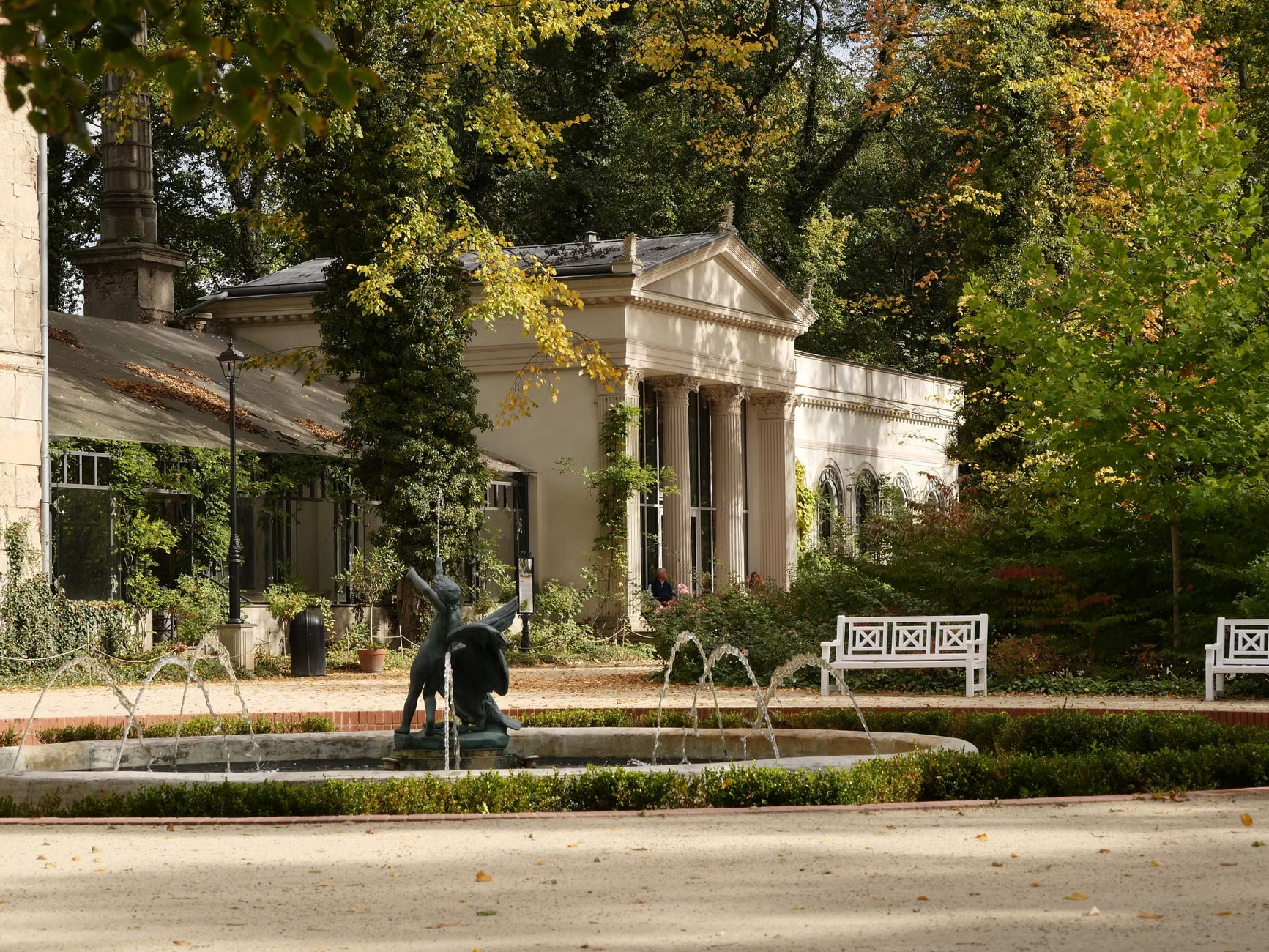
Many of the most beautiful historic villas are located outside city centers, requiring complex transport logistics. Relying on public transit in rural areas can lead to long walks from bus stops to the villa gates.
Private vs. Group Transport
While group tours are cost-effective, they often follow a rigid schedule that does not account for the recovery time an older adult might need between walking segments. Hiring a private driver for the day is often the most senior-friendly option. It allows for “door-to-door” service, meaning you are dropped off as close to the entrance as possible, and you can depart the moment you feel tired, rather than waiting for a bus or a group tour leader.
Understanding Local Accessibility Laws
It is important to remember that accessibility regulations vary by country. In the European Union, for example, many historic sites are protected by heritage laws that restrict structural changes. This means that while they may have “accessible” routes, these routes might be longer or less direct than the main visitor path. Always search for the “Access Guide” on the official national heritage website for the specific region you are visiting (e.g., English Heritage for the UK or Ministero della Cultura for Italy). These guides are more reliable than travel blogs or third-party booking platforms.
Digital Tools and Pre-Visit Preparation
Modern technology has made it significantly easier to scout locations before you arrive. Use Google Maps’ “Street View” to look at the entrance of a villa. You can often see the incline of the driveway, the type of surface at the gate, and the proximity of parking to the building.
The Importance of Virtual Tours
Many museums and villas now provide high-definition virtual tours on their websites. Use these to get a sense of the interior layout. If the virtual tour shows narrow, winding staircases as the only way to see the upper floors, you have your answer before you even leave home. This allows you to manage your expectations or choose a different, more accessible wing of the estate.

Managing Health and Safety During the Tour
Safety is the primary consideration when walking through historic buildings. Floors can be uneven, and lighting is often kept dim to protect tapestries and paintings.
- Footwear: Wear supportive, non-slip shoes. Historic stone floors are notoriously slippery, especially if they have been waxed or polished.
- Hydration and Nutrition: Historic estates often have expensive, crowded cafes. Pack a small bottle of water and a light snack to ensure you can maintain your blood sugar levels without needing to navigate a difficult cafe environment.
- Communication: If you are traveling with a companion, establish a clear code or signal if you need to stop for a rest. Do not feel obligated to keep up with the pace of younger group members.
The Overlooked Variable: Humidity and Climate Control
One factor rarely discussed in travel literature is the microclimate of historic villas. Many of these buildings are made of thick stone, which keeps them cool in the summer but can also make them damp and chilly, even on a warm day. For seniors with joint sensitivity or respiratory concerns, this temperature shift can be jarring. Always bring a light, easily removable layer—such as a cardigan or a pashmina—even if it is hot outside. You will likely spend a significant amount of time in these naturally cooled, stone-walled environments.
Synthesizing Your Choices: A Decision Framework
When you are deciding between two potential villa tours, use this simple scoring method:
- Proximity to Transport (1-5): 5 being door-to-door drop-off.
- Vertical Access (1-5): 5 being full elevator access to all floors.
- Terrain Comfort (1-5): 5 being perfectly paved, flat surfaces.
- Seating Availability (1-5): 5 being benches in every room/garden section.
If a site scores below a 12 out of 20, consider it a “high-energy” site that requires extra preparation or a shorter visit duration. This objective approach removes the emotional pressure of “wanting to see it all” and replaces it with a realistic plan that ensures your enjoyment.
Refining Your Itinerary
To maximize your comfort, limit yourself to one major historic villa per day. The “villa experience” is meant to be savored, not rushed. By spending 3 to 4 hours at a single location, you allow yourself the time to sit, observe, and move at your own pace. If you have extra time in the afternoon, opt for a light, low-energy activity like a scenic drive or a visit to a local museum with modern, accessible facilities. This balance of “high-effort” cultural exploration and “low-effort” relaxation is the secret to sustainable senior travel.
Conclusion
Selecting the right historic villa tour is an exercise in preparation and realistic expectation setting. By prioritizing sites with confirmed accessibility, managing your daily pacing, and using digital tools to pre-scout the terrain, you can enjoy the world’s most magnificent historic sites without compromising your safety or comfort. Remember that the goal of your travel is to enrich your life, not to meet a quota of sites visited. Focus on quality, choose your destinations with care, and always prioritize your physical well-being above the itinerary.
Frequently Asked Questions
1. Should I bring my own mobility aid even if the villa claims to be accessible?
Yes. Even if a villa provides wheelchairs, they may be in high demand or not perfectly suited to your size or comfort needs. Bringing your own lightweight, foldable walker or cane ensures you have the support you need at all times, especially when moving between the transport drop-off and the main entrance.
2. How can I confirm if a villa has an elevator before I book a ticket?
Do not rely on ticket booking websites. Visit the official website of the specific villa or the national heritage authority for that country. Look for a section titled “Plan Your Visit,” “Accessibility,” or “Visitor Information.” If it is not clearly stated, send an email to their visitor services department. Keep a copy of their confirmation email on your phone or printed out to show upon arrival.
3. Are there specific times of day that are better for visiting historic villas?
Visiting early in the morning, right when the site opens, is generally the best strategy for older adults. You avoid the peak heat of the day, the crowds are thinner, and the staff are often more available to assist with any special requirements you may have. Mid-week visits are also significantly quieter than weekends, allowing for a more relaxed and manageable experience.
For more information on planning accessible travel, you may consult the European Network for Accessible Tourism (ENAT), which provides resources and insights into making heritage sites more inclusive for all travelers.